The Traditional Treatment Menu Is Getting Thrown Out As Leading Spas And Med-Spas Go Bespoke
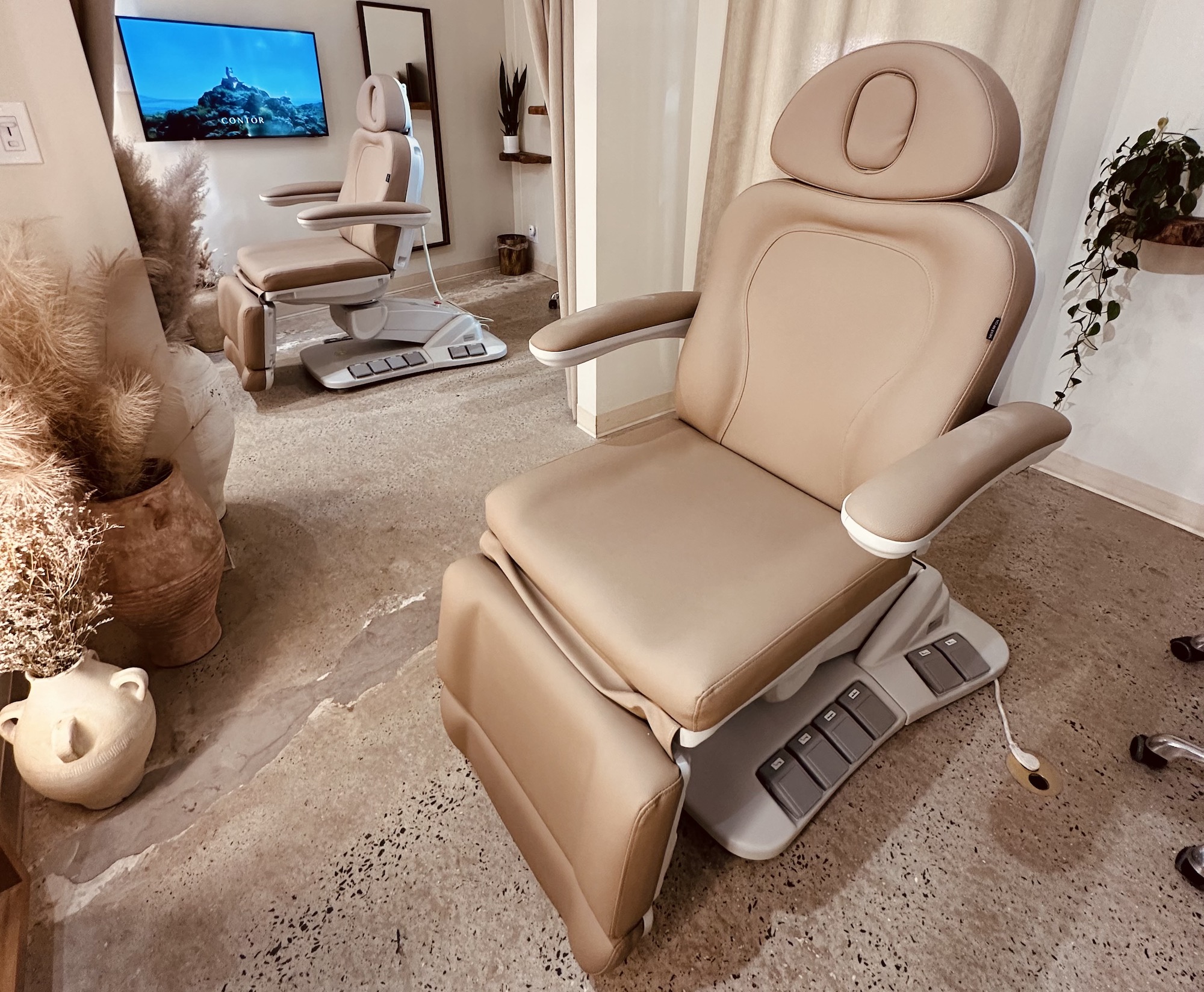
Wright’s approach is increasingly common among cutting-edge spas and med-spas discarding the traditional à la carte treatment menu in favor of bespoke practitioner-prescribed treatment plans. Contrapposto clients have to email the chic Los Angeles skin clinic to nab an appointment, and its aesthetics professionals guide them to the protocols that make sense for them. At Manhattan skin studio Contōr, a client who wants 40 units of Botox in her forehead books a “wrinkle prevention” appointment for one area, and the service provider takes it from there.
“People choose what areas they’re getting and then we customize,” says Contōr co-founder Brad Crerar. “The product to use, the frequency, how often they come back, every single thing we do is personalized.”
At spas and aesthetics destinations where well-heeled patrons pay a pretty penny for experts to enhance and, at the least, not screw up their appearance, those experts are exercising their authority to deliver the subtle upgrades that keep their treatment rooms full. They’re taking control at least partly in response to very public analyses of celebrities’ “work.” For many patrons, handing over the keys to their face and body to a reliable driver of beauty is a relief. Even those who know their PRP from their IPL can’t possibly decipher all the available treatment options.
Rather than larding up facials with upsold add-on after add-on, Wright, who started Beauty Independent parent company Indie Beauty Media Group with Nader Naeymi-Rad, creates custom facials to maximize luxury and relaxation. “This approach ensures that each client receives a thoughtfully crafted facial within the allotted time without the stress of worrying about extra costs,” she says. “It’s my responsibility as a professional to know exactly what my clients need and when, allowing them to fully unwind the moment they enter my treatment room. This not only enhances their experience, but also fosters trust and loyalty.”
Dafna Gershoony, CEO and co-founder of Contōr, which discourages clients from demanding a specific course of treatment in favor of its recommendations for desired results, believes the bespoke service concept is emerging as people search for alternatives to massive med-spas that she says offer “every single thing.” So far, this shift is happening mostly in New York and Los Angeles, but, as aesthetics destinations spread, it wouldn’t be surprising if early adopters outside the coastal hubs graduate to specialized practices and practitioners graduate from the every-single-thing med-spas to establish them.
Lisa Starr, a 25-year veteran of the spa industry and consultant at Wynne Business Consulting & Education, says, “There’s an interest in simplification from both the business and consumer perspective.” Following Wright’s path, simplification comes in the form of spa clients simply booking aestheticians for their time and letting the aestheticians decide how to proceed. Starr says, “This is probably appealing from a guest perspective as they feel they will get something tailored to their needs.” From a spa business perspective, however, the problem for large chains is executing consistent, cost-effective services.
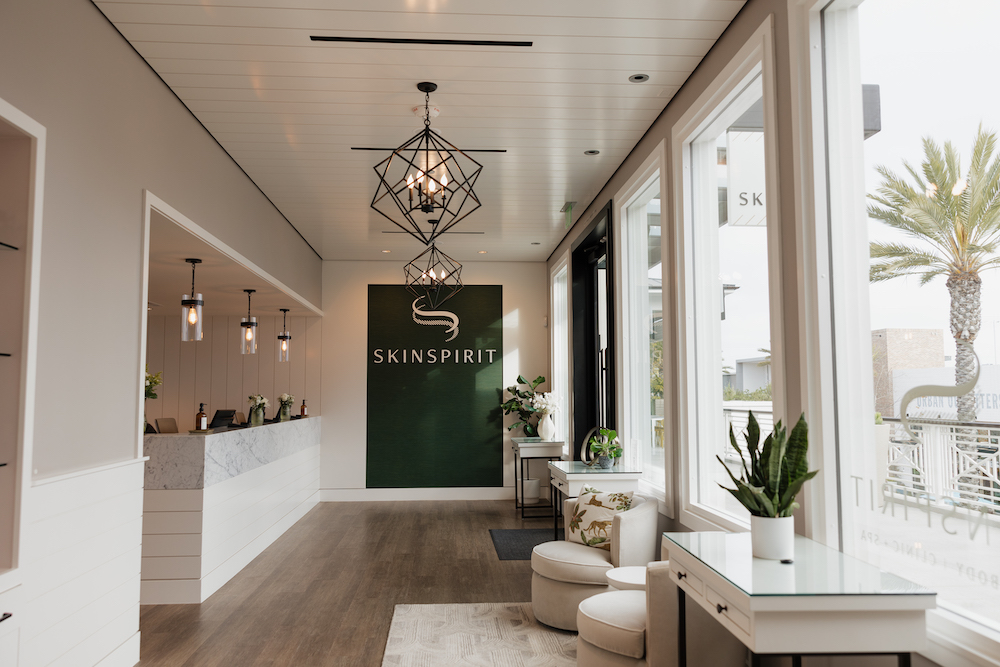
Still, larger players expanding locations in markets of various sizes are bringing the customization concept inland. SkinSpirit, the med-spa chain with 49 locations across 17 states, focuses on facial balancing, and its services usually start with a comprehensive consultation. Facial balancing isn’t a novel concept in aesthetics. SkinSpirit chief medical officer and plastic surgeon Sachin M. Shridharani describes it as a holistic approach to treatment plans that extends over several visits and is rooted in clients’ anatomy along with their goals. He views it as a tool to shift services away from being propelled by clients’ demands for, for example, a certain number of Juvederm syringes.
“In order to have a treatment plan, you have to have a mastery of the anatomy and an understanding of the products,” says Shridharani, adding, “We need to behave like medical providers. It’s all about making a diagnosis and creating a treatment plan. We take it back to its core.”
Eunice Park, a plastic surgeon and founder of Airem, an aesthetic spa and plastic surgery destination with New York locations in Syosset, The Hamptons and Manhattan, argues venture capital and private equity funding flowing into the med-spa space prompted a rise in kowtowing to client requests to an excessive degree. Pushback from places like Airem distinguish them, and Airem is shifting away from à la carte treatment choices.
“The customer’s-always-right mentality doesn’t fit with what we do because there’s a healthcare component,” says Park, echoing Shridharani. “This is a very intricate healthcare service…You’d like to use different devices and can choose different things, and the client doesn’t always know what that is.”
Inspired by South Korean aesthetics destinations’ focus on treatment exploration, Airem is launching an invite-only Skin Tightening Membership for monthly maintenance treatments customized by Park and her staff. The $995 per month membership enables clients to consider a variety of treatments and make a plan suiting their personal objectives. Phase one for Airem is getting the program to 100 members, and Park is confident that over time it will reach up to 300 members.
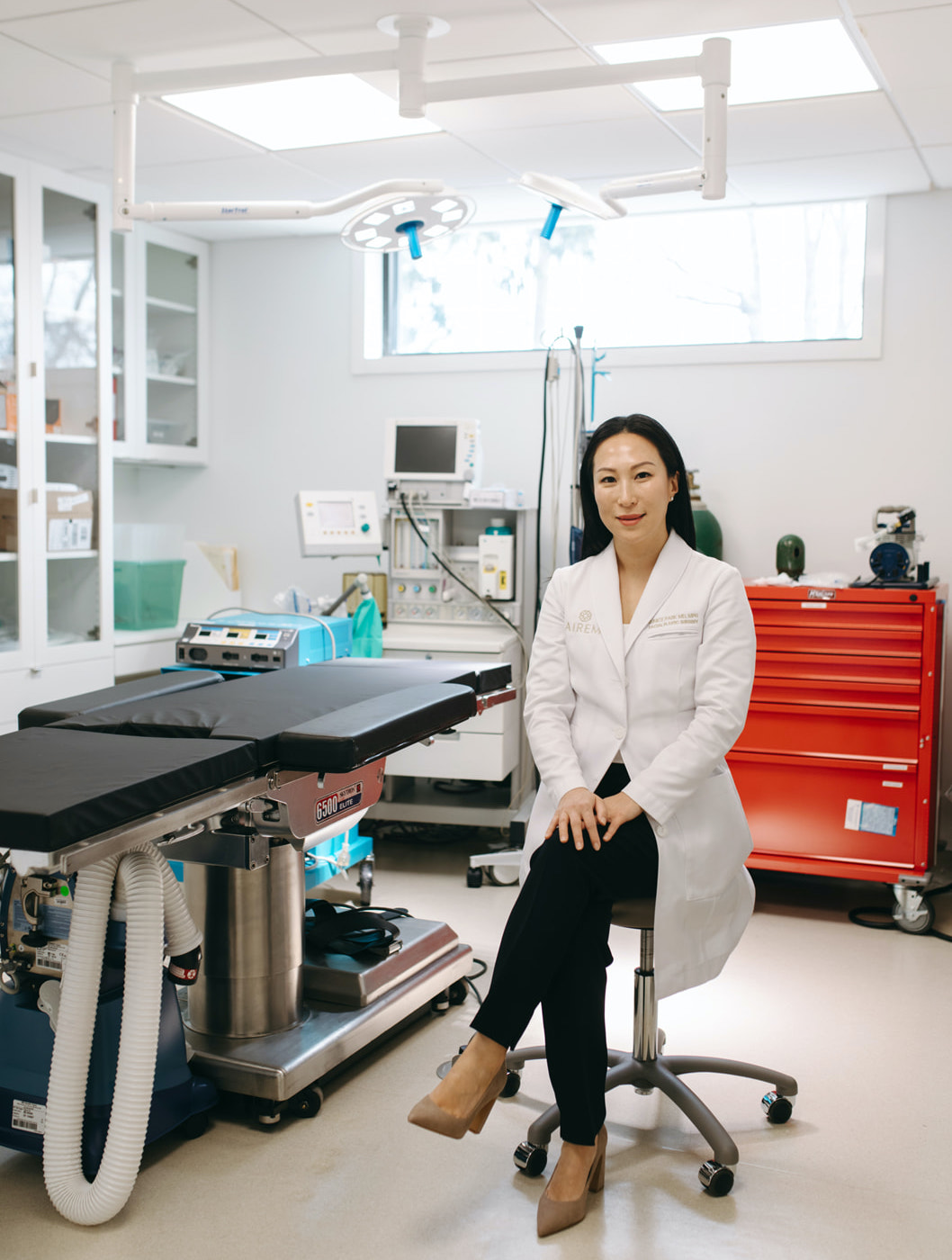
She says, “Our ideal client is someone who understands that monthly maintenance treatments are required to achieve substantial results and is intrigued by clinical Korean beauty protocols, but feel overwhelmed traveling to Korea and navigating the beauty landscape.”
In a rapidly growing industry—according to market research firm Spherical Insights, the global medical spa market is expected to advance at a compound annual growth rate of 14.51% to hit nearly $73 billion by 2033, up from $19 billion last year—businesses such as Airem and SkinSpirit have to tweak their models to stay relevant and outflank burgeoning competitors. Shridharani predicts SkinSpirit’s higher touch customization is the future of aesthetics.
He says, “If we want to continue to try to make people look like they feel or look like the best version of themselves, not necessarily somebody different, we have to keep evolving and changing.”
The players
5 mentionedMomentous

iS Clinical
Too Faced
Under Your Skin
AS Beauty