Some Beauty Brands Leave TikTok Shop As Its Economics Don't Add Up
Heaux Cosmetics and GlowPro Tans will soon be shuttering their TikTok Shop storefronts as they prioritize control, customer experience and lifetime value over short-term viral upside. They cite issues surrounding brand alignment, margin pressure, content suppression and steep discounts for their respective exits from the platform. First prompted to leave when TikTok Shop sent out a letter in late January requiring brands to adhere to platform-controlled fulfillment guidelines, the beauty brands remain adamant that the platform’s advantages aren’t outweighed by its disadvantages, even after the fulfillment shift was temporarily put on pause.
“I’ve been wanting to leave for a really long time. So, if anything, I’m relieved because now they’re going to be forcing me off in a way,” says Lydia Dupra, founder and CEO of Los Angeles-based Heaux Cosmetics, who uploaded a TikTok video on Feb. 16 announcing the brand’s departure from the platform.
Julie Koritko, owner of GlowPro Tans, argues that TikTok Shop significantly erodes the customer experience for the 10-year-old self-tanning brand. Besides TikTok Shop, the brand is sold on its website, Amazon and professionally through salons. “I just don’t feel like the juice is worth the squeeze for us,” she says, adding, “I want to own our customer data. I feel like Amazon owns us, and I feel like TikTok Shop’s making the next play to own us.”
For many emerging beauty brands, the initial sales spike they experienced when they joined TikTok Shop has worn off. In January, British makeup brand The Doll’s House Cosmetics closed its TikTok Shop storefront after seeing significant declines on the app. Shortly after, it shuttered the brand completely to focus on its makeup salon in Liverpool, England. The brand experienced a surge in popularity on TikTok Shop throughout 2024, primarily propelled by get ready with me-style videos featuring liquid glitter eyeshadows, liquid blushes and sparkle lip glosses.
The emerging brands are exiting TikTok Shop as the social commerce platform grabs market share at lightning speed. Digital agency Flywheel projects that, by 2030, TikTok Shop could rank third among the world’s largest retailers, following top-ranking Amazon and second-ranking Pinduoduo, to hold 14.6% of global marketplace share and generate $1 trillion in sales.
TikTok currently has approximately 135 million U.S. users. According to eMarketer, TikTok Shop has registered triple-digit sales increases since it launched in the U.S. in September 2023. It grew sales 407% in 2024 and 108% last year, reaching $15.82 billion. It’s forecast to surpass $20 billion by the end of this year and exceed $30 billion in 2028.
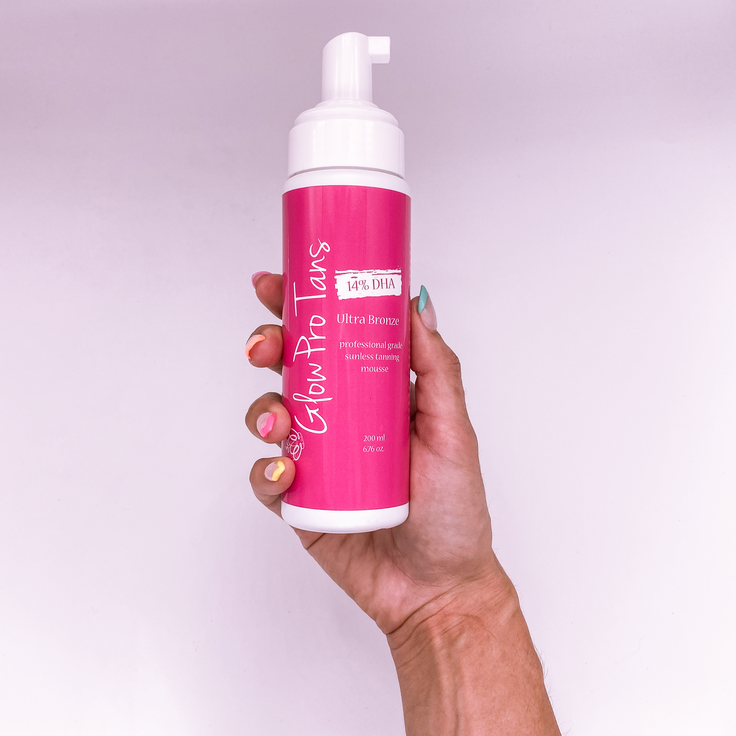
For most beauty brands, TikTok is viewed as a marketing investment rather than a sales platform, with awareness on the app often contributing to conversion and sales on other digital channels. Last year, GlowPro Tans’ 14% DHA Pro Tanning Mousse went viral on TikTok Shop after an organic influencer mention, leading to more than $90,000 in sales in a single day. However, 93% of those purchases ultimately took place on the brand’s site, its largest sales channel.
GlowPro Tans typically bundles products on TikTok Shop to protect its margins. Still, Koritko says the platform’s “fee structure isn’t the most transparent. We’re losing $12 to $15 extra per set to be on TikTok Shop.”
TikTok Shop economics can make profitability unattainable. After platform fees, creator commissions, fulfillment, promotional spend and returns are factored in, net margins on TikTok Shop generally range between 20% and 30% before the cost of products and sampling is calculated, and sampling is key. For example, it can cost up to $180,000 a year to seed products to 1,000 content creators a month for TikTok Shop, according to a source working on sampling strategies.
“I don’t know one brand that’s scaling profitably on TikTok Shop with positive cash flow. TikTok is…not a viable, cost-efficient conversion and distribution platform,” says Benjamin Lord, founder of Antidote, a full-service growth and marketing agency for beauty brands.
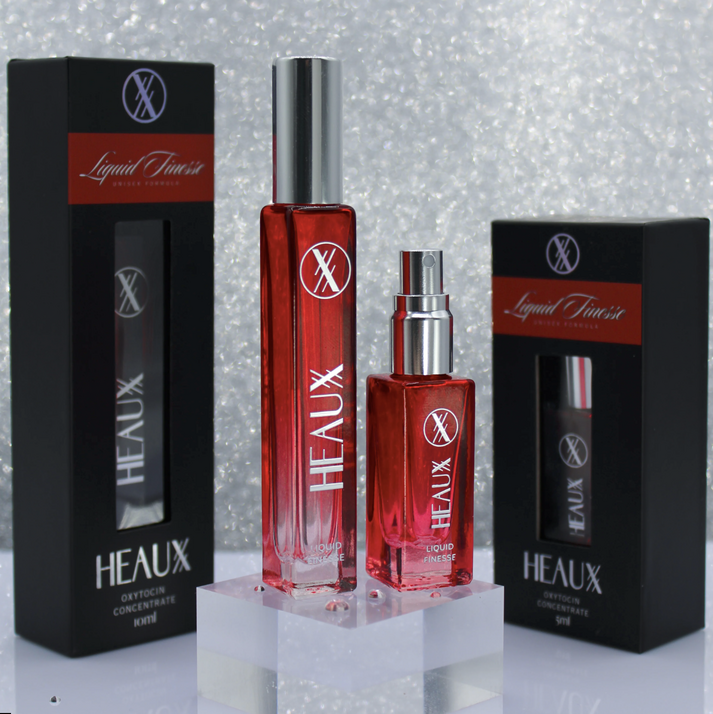
Launched in 2019, Heaux Cosmetics gained notice on TikTok in late 2022 for its pheromone-containing oils. Initially hesitant to join TikTok Shop, the brand saw sales take off when it listed on the marketplace in early 2024.
However, the surge quickly overwhelmed the small company. With about 10 full-time employees and no third-party logistics partner, Heaux struggled to meet TikTok’s 48-hour fulfillment requirement, causing its seller rating to drop and sales to crash. Dupra believes the platform suppressed the brand’s content soon after despite its almost 1 million followers. She says, “If you get an order out late or you get a bad review, they suppress your views as a punishment.”
Heaux ships orders from a 2,000 square-foot in-house facility, personalizing each package with notes and customized materials. The brand discloses that it generates under $10 million in annual revenue and operates its own site and retail store in Los Angeles. It’s not sold on Amazon or other retailers.
Valuing experience over speed, Dupra asserts that the brand’s identity conflicts with TikTok Shop’s velocity-centered structure. “All those little touches show we’re driven by purpose, not by ‘get it quick, get it now,’” she says.
GlowPro Tans’ positioning doesn’t align with TikTok Shop’s structure either. The brand relies heavily on education and authority to connect with customers. Koritko says the average GlowPro customer purchases up to eight times a year from its site. On TikTok, where steep discounting is a crucial sales catalyst, purchases are highly price dependent. GlowPro Tans’ self-tanners retail for about $30 to $35 per bottle, with kits priced between $60 and $80. Beauty products on TikTok Shop are usually discounted around 20% to 40%, with deeper promotions during flash sales or creator campaigns.
“If you need 40% off to buy my product, you’re not going to come back and buy it at full price,” she says. “The TikTok Shop purchaser is very much a hype-impulse purchaser. I’m looking to maximize the customer lifetime value.”
To maintain visibility with new customers, Heaux and GlowPro Tans are doubling down on marketing strategies that predated their TikTok Shop tenures. GlowPro Tans has long-standing partnerships with about 30 influencers and relies on organic social content and word of mouth, with Instagram often converting better than TikTok.
Heaux Cosmetics’ growth has been fueled primarily by paid Meta and Google advertising, and it spends a few thousand dollars a day on ads. Email, SMS marketing and an affiliate program that extends to a few hundred of the brand’s most loyal customers also fuels Heaux’s business.
“Social media should be a tool, but you shouldn’t be reliant on it because, as soon as that algorithm changes, if your entire marketing strategy was dependent on an algorithm, then you’re screwed,” says Dupra. “We existed before TikTok Shop. We’ll be very much the same after.”