A New Group Of Post-Injection Care Brands Is Looking To Improve The Experience Of Getting Botox And Fillers
“I didn’t think to do any research or understand the risks involved,” she recalls. “After the procedure was finished, I was sent home with a leaky ice pack without aftercare instructions. On the drive home, I’m driving with one hand and the ice bag falls down next to my gas pedal. Obviously, I’m not putting that back onto my lips. The next day my bruises and swelling were insane and scared me.”
Frantic, Trinh searched online for remedies. Ice, arnica gel and bromelain supplements kept coming up. She was disappointed by them all. Arnica gel she purchased at a drugstore was full of alcohol that stung her skin. Supplements wouldn’t deliver immediate support. Ice wasn’t sufficient, and it was pretty slippery.
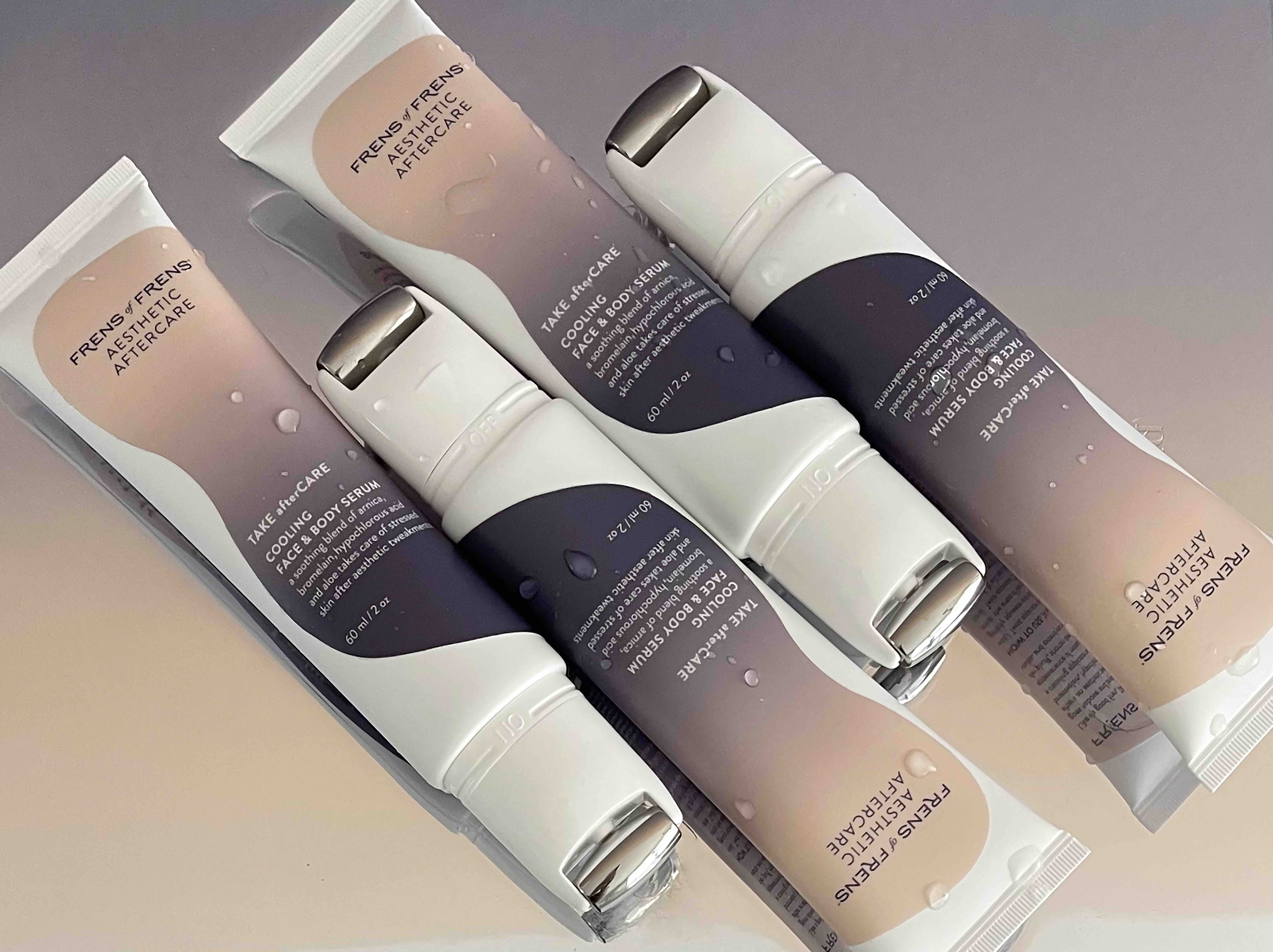
“I thought to myself, ‘If I need something better, other people do, too,’” says Trinh, an art director and graphic designer by trade. She set out to create something better and, in March, launched the brand Frens of Frens with TAKE (after)CARE, a $68 serum containing arnica, bromelain, hypochlorous acid and aloe intended to be applied 24 hours post-treatment.
“I may not be a medical practitioner, but there’s something to be said for a consumer questioning why things don’t exist and daring to try and fix it due to the lack of a viable solution,” says Trinh. “My current product is soothing, cooling, helps accelerate downtime and provides a hands-free approach with hygienic properties in mind while also being multipurpose for everyday use. Every upcoming product I’m working on will also follow those same pillars.”
Frens of Frens is among a growing group of emerging brands, including Viktor Michael, Maskād Pro Series, Carter + Jane and Beijo, offering post-injection products and frequently pre-injection products as well. The brands are piggybacking on a skyrocketing aesthetics procedures sector that’s welcoming millennials and gen Zers who are embracing procedures in a way previous generations didn’t, but hasn’t historically had aesthetics-related skincare brands appealing to their sensibilities.
The firm Allied Market Research estimates the size of the global facial aesthetics market was $6.23 billion in 2021 and projects it will hit $25.76 billion by 2031 by advancing at a compound annual growth rate of 15.5%. Botox is the most common non-surgical cosmetic procedure worldwide, and plastic surgeons performed 7 million-plus Botox procedures globally in 2021, according to the International Society of Aesthetic Plastic Surgery. In 2020, data from the American Society of Plastic Surgeons calculates that plastic surgeons in the United States performed 4.4 million Botox procedures and 3.4 million soft-tissue filler procedures.
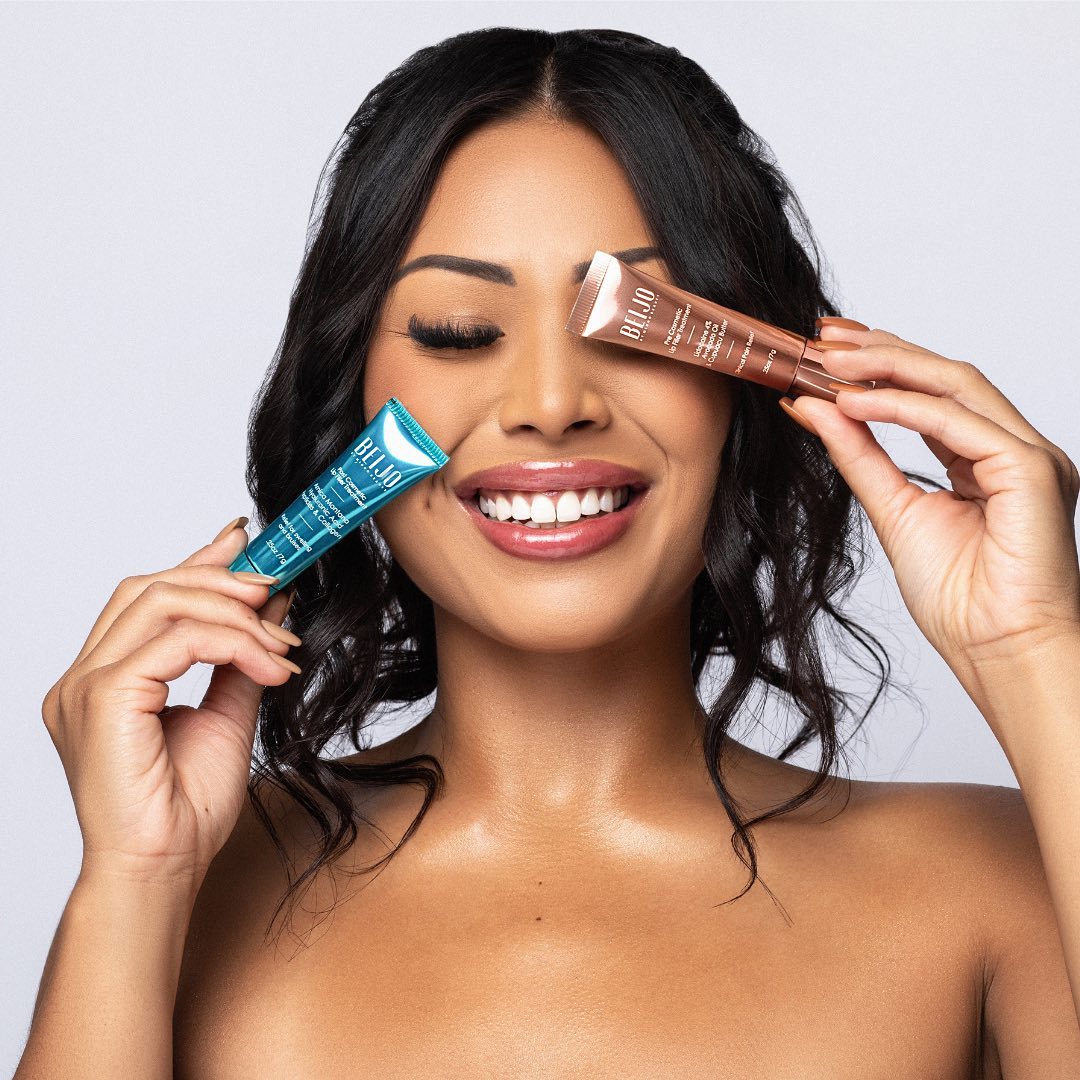
Beijo has two products priced at $44 each directed at people getting lip fillers: Beijo Lidocaine 4% Pre Cosmetic Lip Filler Treatment and Beijo Arnica 7% Post Cosmetic Lip Filler Treatment. Founder Fernanda Minho’s path to the brand is similar to Trinh’s. A regular lip filler recipient, she was instructed to use ice and arnica gel to relieve post-procedure pain, swelling and bruising. She wasn’t a fan of arnica gel, particularly its stickiness and unpleasant smell, not to mention its drab packaging. She determined she could develop superior alternatives.
“I knew firsthand the impact that post-injection care could have on the overall experience. I wanted to fill the gap in the market by providing a solution specifically tailored for lip filler aftercare. Throughout the process, I actively sought out affordable, easy-to-use and effective options that would suit the busy lifestyle of a professional and mother,” says Minho. “I am thrilled to offer a solution that addresses the needs of individuals like myself. I am proud to provide a product that is not only effective, but also enhances the overall lip care experience. By combining functionality and glamour, Beijo aims to make a positive impact on the lives of those seeking relief from pain and discomfort after lip filler procedures.”
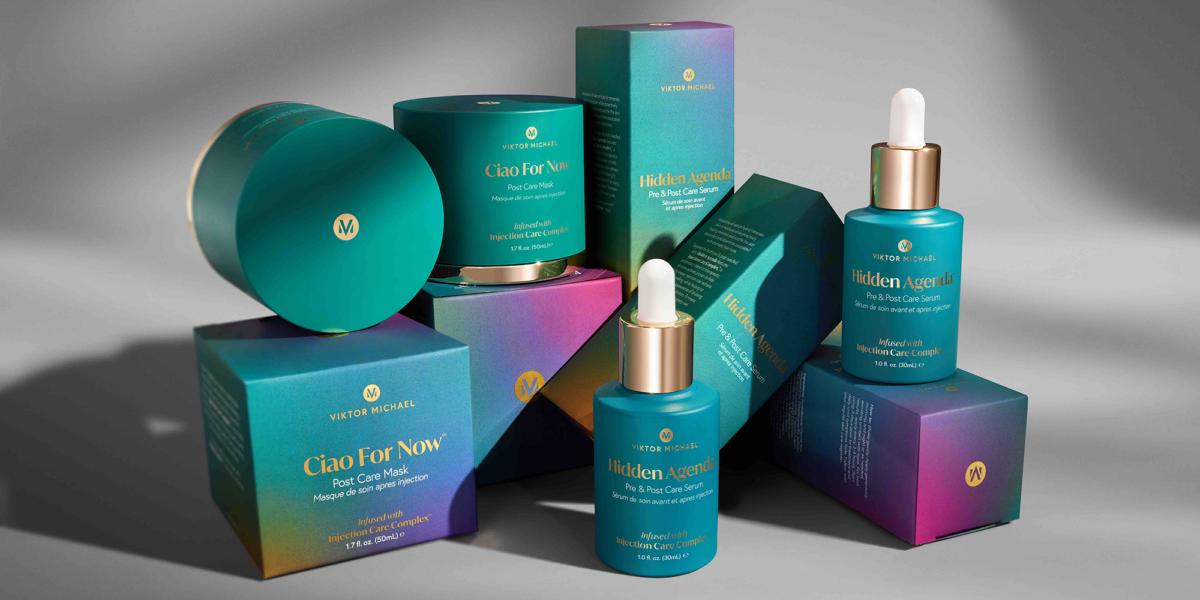
From Nadya Kozlova and Shay Sim, co-founders of three-unit Seattle area med-spa concept Kucumber Skin Lounge, Viktor Michael has two products, $157 serum Hidden Agenda and $112 mask Ciao For Now, shown in a consumer perception study to slash downtime in half. The brand forecasts it could cross $1 million in sales this year. By 2026, its objective is to generate $25 million in sales.
“We see recovery care as the future of the beauty space covering all aspects of diverse downtime needs,” says Kozlova, adding, “The current consumer is obsessed with both instant results and faster recovery times, driving our industry to respond…Procedures resulting in downtime have been on the rise and will only continue to grow in the near future.”
Amy Batra, founder and president of WeThrivv, parent company of Maskād Pro Series, and a 19-year veteran of the aesthetics field, points out formulating for post-procedure care differs from formulating for conventional skincare because post-procedure care products should have ingredients appropriate for application on irritated and ablated skin. Maskād Pro Series specializes in cooling hydrogel masks for use after laser, radio frequency, intense pulsed light, chemical peel, microdermabrasion and injection procedures. The brand sells a single mask for $20, a 10-pack for $200 and a 30-pack for $450.
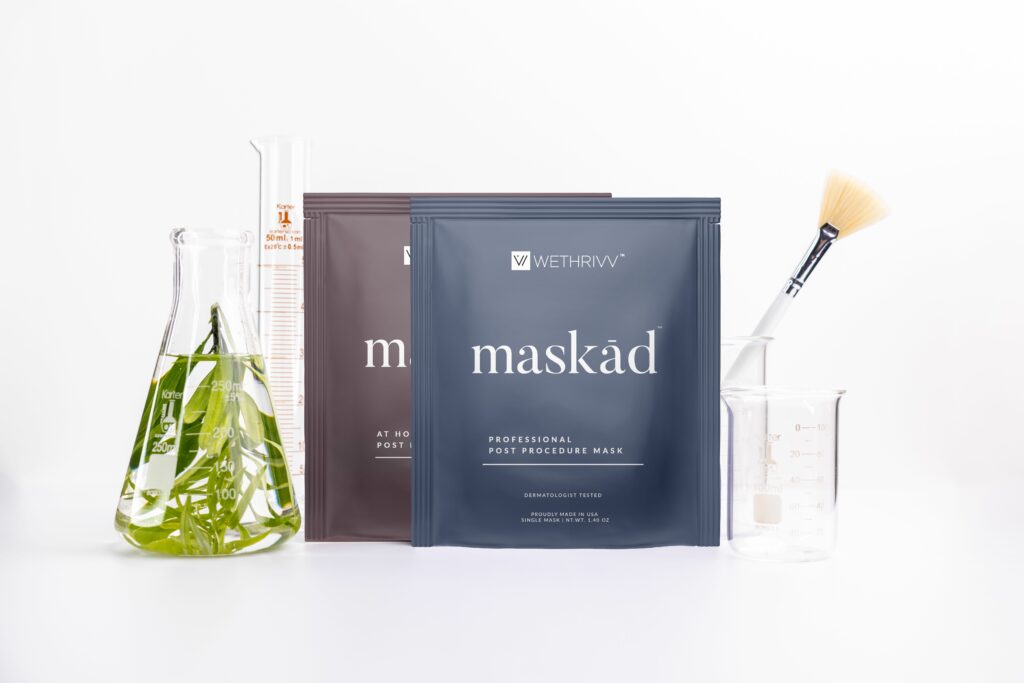
“Our post-procedure masks have only one ingredient–highly purified water. [It’s] very clean and safe and allows the provider the opportunity to customize a patient’s post-procedure care,” says Batra. “We also offer an at-home post-procedure mask, which includes five known healing ingredients and can be used for days in the comfort of a patients’ home to continue with the recovery process.” The five ingredients are highly purified water, arnica, hyaluronic acid, vitamin E, green tea extract and chamomile hydrosol.
Nascent pre- and post-injection care brands are strategizing to be in med-spa distribution as med-spas are quickly proliferating. The American Med Spa Association figures there were 8,841 med-spas in 2022, up from 7,430 in 2021 and 5,431 in 2018. At med-spas, Adrienne O’Connell, a physician and president of cosmetic dermatology and laser center Laguna Beach Aesthetics in Laguna Beach, Calif., says, “Post-injection aftercare has a place for decreasing recovery time and possibly even increasing longevity of results.”
After treatments at Bare Aesthetic, a med-spa in Closter, N.J., an aesthetician meets with patients to discuss post-treatment protocols encompassing skincare products that speed the healing process. “This facilitates an important relationship at a medical spa, one between a skincare specialist and the patient,” says owner and family nurse practitioner Vanessa Coppola. “Very often we tell our patients that the best results come from a comprehensive approach that includes proper skincare, and one of the most important times to employ this is just after you’ve had a procedure. This [post-injection care market] is an exciting new market that is beginning to take shape, and I’m looking forward to seeing what new products come on board.”
The challenge for brands with new aftercare products is it can be difficult to break into med-spas that tend to carry a limited number of skincare brands. On top of the limited number of skincare brands, the brands they tend to carry are owned by major companies that have erected strong sales infrastructures catering to med-spas. For Frens of Frens, Trinh has reached out to around 65 med-spas—the brand has landed at three so far: Sáint Savant Medical Aesthetics, NM Aesthetics Wellness and The Beauty Co.Lab—and discovered they largely stock the professional skincare brands L’Oréal-owned Skinbetter Science, Galderma-owned Alastin and Blackstone-owned ZO Skin Health.
Professional skincare brands are primarily distributed to salons, doctors’ offices, med-spas and spas. The firm Industry Research approximates that the global professional skincare market was valued at around $12.1 billion in 2022 and forecasts it will progress at a CAGR of 3.2% from 2023 to 2029, a significantly slower rate than the aesthetics market targeted by new post-injection brands, to reach $15.1 billion in 2029.
Maskād Pro Series has rolled out to at least 50 med-spas and doctors’ offices. For the most part, Batra says med-spas are willing to pick up new brands “when they see the value to their practice and their patients.” However, she cautions pitching med-spas and physicians’ offices with a unique product can be tricky “primarily due to its novelty and med-spas and physicians being used to their existing post-procedure routines. [They have a] ‘why fix what is not broken’ mentality.”
Competing with newer entrants, leading professional skincare brands have released post-injection products or marketed existing products for post-injection purposes. Alastin, for example, sells the $62 product INhance Post-Injection Serum as a complement to dermal fillers. L’Oréal-owned SkinCeuticals has packaged its products C E Ferulic, H.A. Intensifier and Sheer Physical UV Defense SPF 50 together in a $190 Post-Injectable System bundle.
Given the barriers to a small brand vying to make inroads in the med-spa segment, Trinh’s goal for Frens of Frens is $150,000 in first-year gross revenue. On top of med-spas, the brand is exploring affiliate sales and direct sales via sales agents.
Beijo aspires to have its products in med-spas and on the shelves of well-known retailers the likes of Sephora, Ulta Beauty, Walgreens and CVS. Minho suggests that, if retailers and med-spas jump on contemporary post-injection care, they will realize upside as their customers integrate aesthetic procedures into their beauty routines in tandem with standard skincare.
“By developing new and effective solutions incorporating clean and natural ingredients and leveraging advanced packaging designs, brands can attract consumers who are seeking cutting-edge and holistic approaches to lip care and post-injection care,” she says. “Overall, the category of lip care and post-injection care is expected to grow alongside the increasing popularity of cosmetic procedures. Brands that can meet the evolving needs and expectations of consumers while providing effective and convenient solutions are likely to thrive in this market.”
Batra agrees that the trend of better post-injection care is merely getting started and highlights two big reasons why it will climb going forward. She says one is that “the providers are more in touch with their patients’ needs and are aware that there are some great options available to make their patients more comfortable, and two [is] the patients were not happy after spending hundreds, if not thousands of dollars, for painful procedures with days of downtime.”
The players
5 mentionedThe Center

Not Your Mother's
Galderma
Better Being
Under Your Skin