Pacha Soap Co. Pursues Growth With Rebrand And New Gen Z Line Foxly
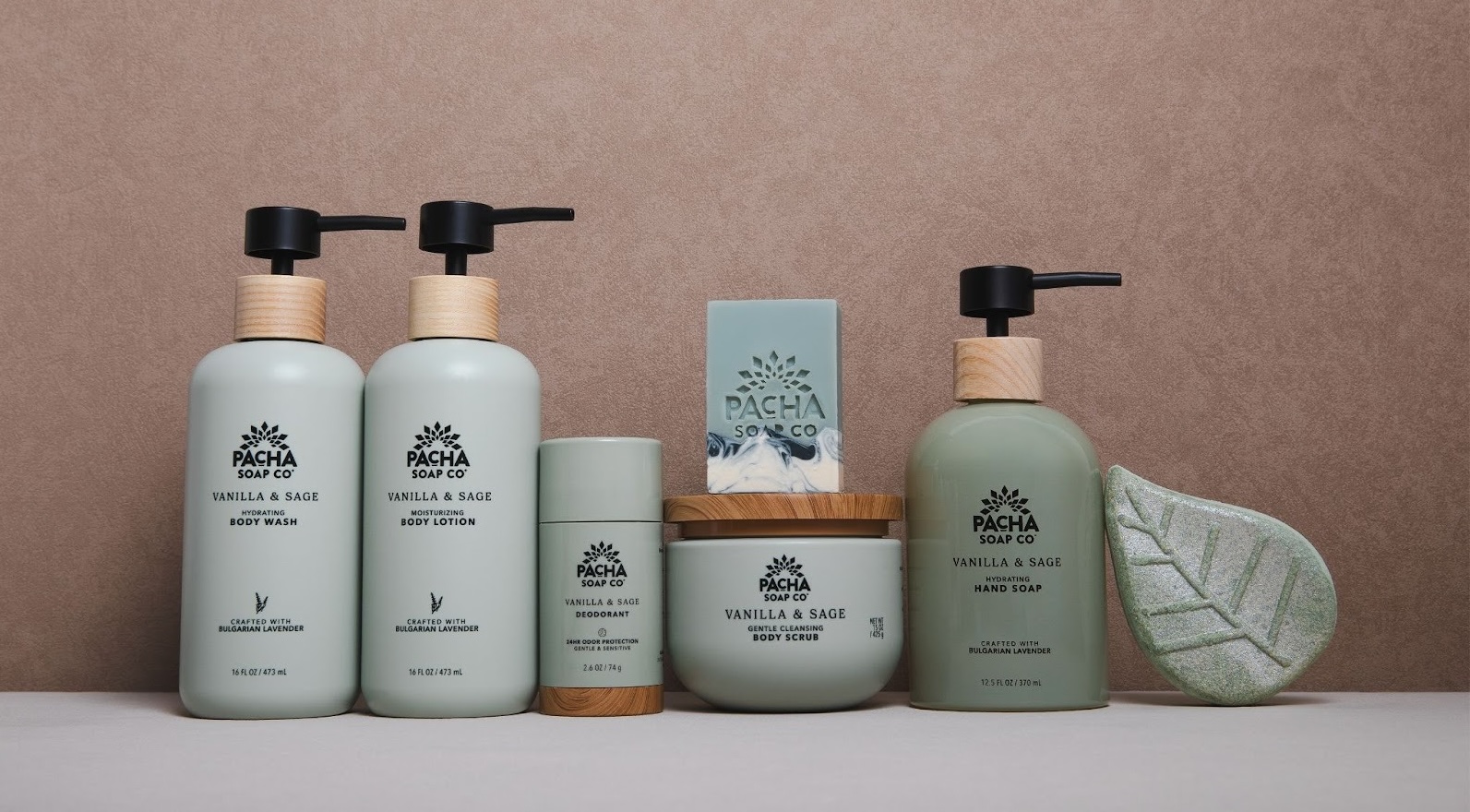
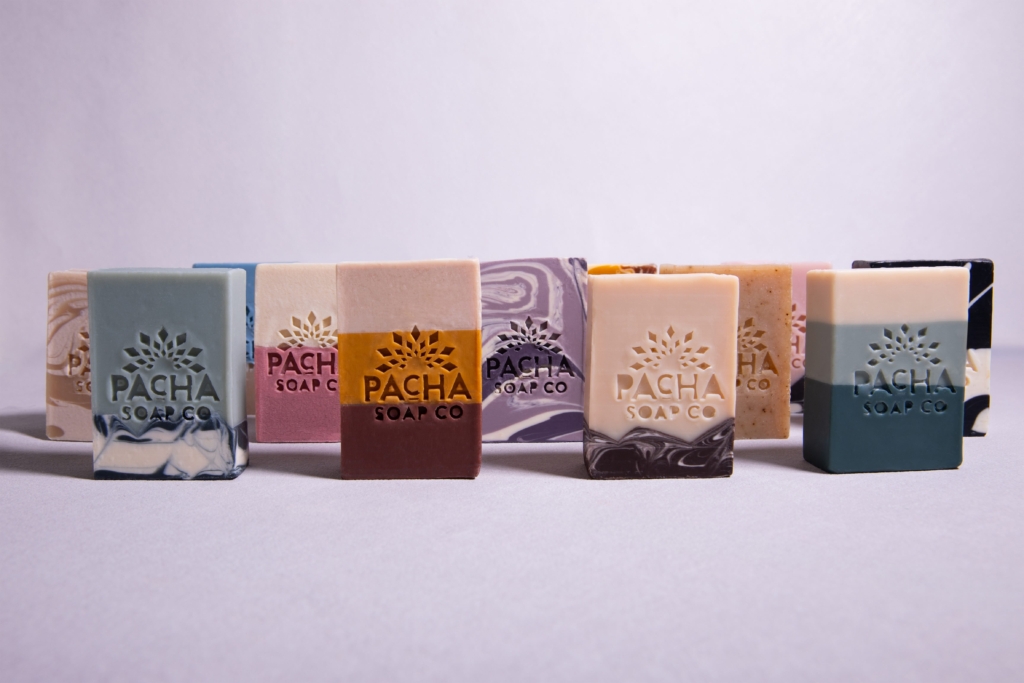
Now, Pacha is setting the stage for its next phase of growth with a two-pronged strategy. First, a rebrand that keeps what customers love—those iconic soap bars and bath bombs that generate a majority of its sales aren’t going anywhere—but upgrades packaging in other categories like body wash and hand soap and refines product formats to improve the experience and unlock new distribution. According to president and chief operating officer Alan Cunningham, the goal is to extend Pacha’s retail reach and accelerate sales velocities of the renovated items at least 20%.
“As we got closer to consumers and figured out what delighted them and what were their frustrations, the beauty that’s inherent in our core products like soaps and bath bombs is what really attracts people to them,” says Cunningham. “Candidly, we felt products in other categories weren’t that beautiful and the cover wasn’t justifying the contents.”
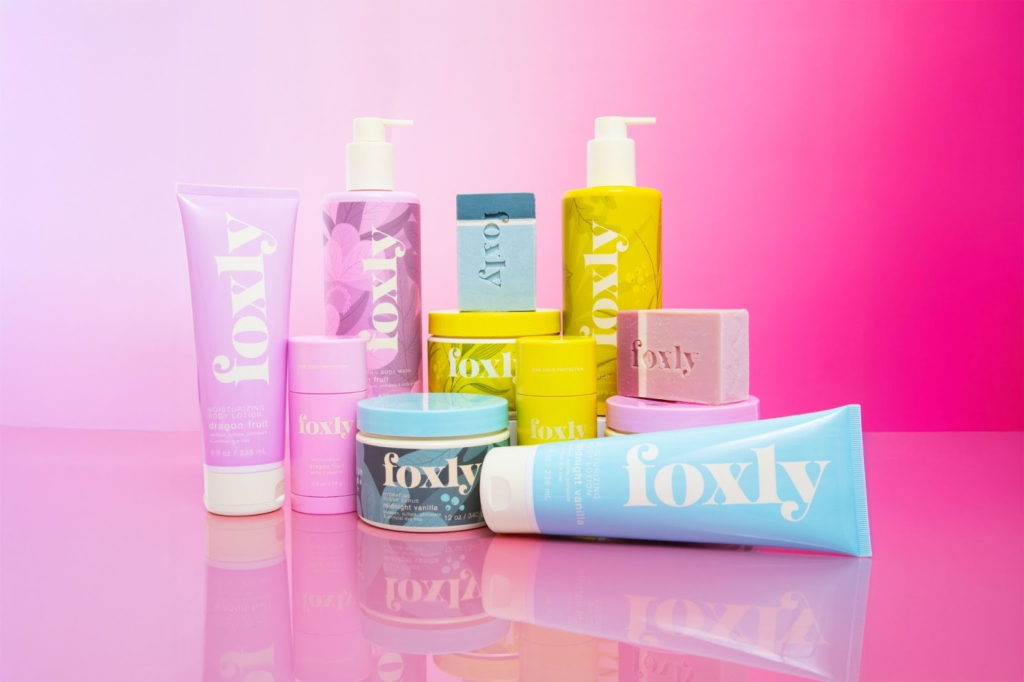
Pacha’s existing customer base, largely millennial and older consumers, left a gap in the market. The company’s second strategy is launching Foxly, a brand with different products geared specifically for gen Z shoppers. Priced from $4.99 and $12.99, its assortment contains natural deodorant, body wash, body lotion, sugar scrub and bar soap in three scents: Dragon Fruit, Citrus Beach and Midnight Vanilla aligned respectively with pink, yellow and blue packaging.
“There’s a younger consumer that utilizes fragrance as personal expression that we wanted to serve better, and we needed distinct visuals and fragrance profiles to meet their needs,” says Cunningham. “The Foxly brand is designed with all the same types of product credentials around top-tier clean ingredients, but is done with visuals that are brighter and stronger and have more of a glam feel to them, and fragrance profiles that are stronger.”
The Foxly launch marks a turning point in Pacha’s brand portfolio. The company is sunsetting Hand in Hand, the purpose-driven soap brand it merged with in 2022. Started by married couple Bill Glaab and Courtney Apple in 2011, Hand in Hand was established with a buy-one, give-one model similar to Toms: for every product purchased, it donated soap and a month of clean water to a child in need.
Hand in Hand sold a majority stake to Bain Capital Double Impact in 2021, and, a year later, merged with Pacha as Pacha simultaneously received a minority investment from the arm of Bain Capital that backs businesses dedicated to social good. But Hand in Hand struggled to gain traction with gen Z consumers, and its sales declined in the wake of the pandemic. Rather than continue investing in a brand that wasn’t resonating with younger shoppers, Pacha opted to start fresh with Foxly, a brand built from the ground up with gen Z preferences in mind.
Pacha worked with Ultra Creative, a Minneapolis agency with a client roster stuffed with leading food and personal care brands like The Honest Co., Natural Valley, Yoplait, Pillsbury and Hershey’s, on the development of Foxly. The company describes it as the only gen Z-focused brand developed for the natural grocery channel. Making its retail debut exclusively at Whole Foods, Foxly has entered 500 of the chain’s locations, with other natural grocers on deck.
High-income millennials and gen Xers are the backbone of Amazon-owned Whole Foods’ business, but the grocer has lowered prices to widen its customer net. While it’s not social media catnip like luxury “it” grocer Erewhon, it’s factoring gen Z’s shopping habits in its merchandising choices. Fragrance has been beauty’s fastest-growing category, with gen Z fueling the growth.
Data from NielsenIQ shows Whole Foods is picking up steam with beauty consumers. The market research firm estimates that it’s fielded 700,000 more beauty and personal care buyers this year. The deodorant, haircare and bath and shower product categories in particular are notching outsized sales results.
Cunningham declines to divulge a sales target for Foxly, but says the ambition for it is to place in the top third of the product categories it plays in. Along with its fragrance-forward approach, Foxly’s clean deodorants could be an important draw. Cunningham explains that personal care has been achieving high single-digit annual growth, and deodorant contributes roughly one-third of personal care sales, with around half of its growth propelled by aluminum-free formulas. He says, “We believe this is a massive movement and is simply underserved.”
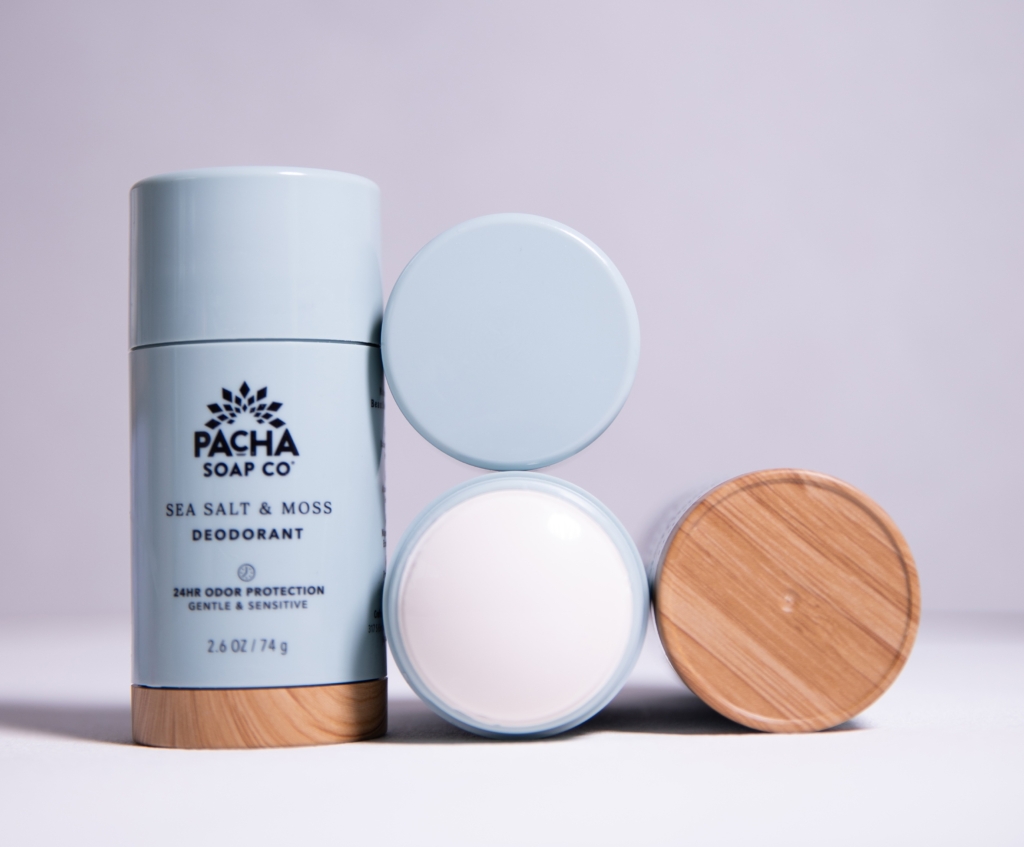
Pacha’s rebrand was handled in-house, and its biggest imprint is nature-inspired packaging with earthy tones and wooden caps and collars. The renovations haven’t altered the number of products—across 10 product categories, Pacha has around 65 stockkeeping units in its main collection and several hundred seasonal SKUs that account for a quarter of its sales—but has moved the brand into categories like body lotion and out of haircare and shaving.
As part of the rebrand, Pacha plumbed product reviews to identify customer complaints and rectify them. For example, soap stuck to its soap dish, and the dish appeared very utilitarian, so the brand enhanced the material to elevate the aesthetics and address the functional problem to unstick the soap. It also modified the density of its bath bombs to enable them to float in bath water and changed their shape in key instances. French Lavender, its second bestselling bath bomb, has gone from a basic spherical shape to a flower shape.
It’s costly to swap molds in the bath bombs manufacturing process, but Pacha has an advantage because it manufactures products itself. It currently manufactures 60% of its products, and that percentage is expected to rise to 80% in 2026 as it boosts candle manufacturing. In 2023, Pacha ventured into candles with a holiday range for Whole Foods that led to 32% year-over-year growth for the brand, which became the second most productive branded line on the retailer’s shelves, compared to flat growth in the broader market.
Cunningham joined Pacha in June 2024 after marketing executive roles at Wells Enterprises and General Mills. Along with Bain Capital Double Impact, Touch Capital, Advantage Capital and Spiral Sun Ventures are among Pacha’s investors. The company has over 100 employees, and Vrbas and his wife Abi, Pacha’s co-founder, remain involved. Vrbas is CEO.
Cunningham has spent the better portion of his tenure at the company sharpening profits, exploring customer insights and teeing up the rebrand and Foxly. He reports profitability has jumped 20%, allowing the company to fund the rebrand and Foxly’s launch. Pacha has strengthened its listings on Amazon, and its sales on the platform have increased 500% this year. The company has relied primarily on its visual presence at stores rather than digital marketing for awareness. However, it’s ramping up digital marketing and will embark on social media campaigns early next year.
In September, Pacha’s rebrand began rolling out to 500 Whole Foods and 300 Sprouts stores in endcaps. Since the rollout, Cunningham reports there isn’t a single refreshed item that hasn’t seen sales climb a minimum of 20%, and sales of select items have surged 100%. Buoyed by the initial success, Pacha is looking to premium grocers, gift shops and specialty stores for distribution expansion.
The players
5 mentionedFoxly

AS Beauty
Better Being
Ultra
The Honest Co.