Where’s Money Coming From To Fund Beauty Entrepreneurs? Increasingly, Fellow Beauty Entrepreneurs
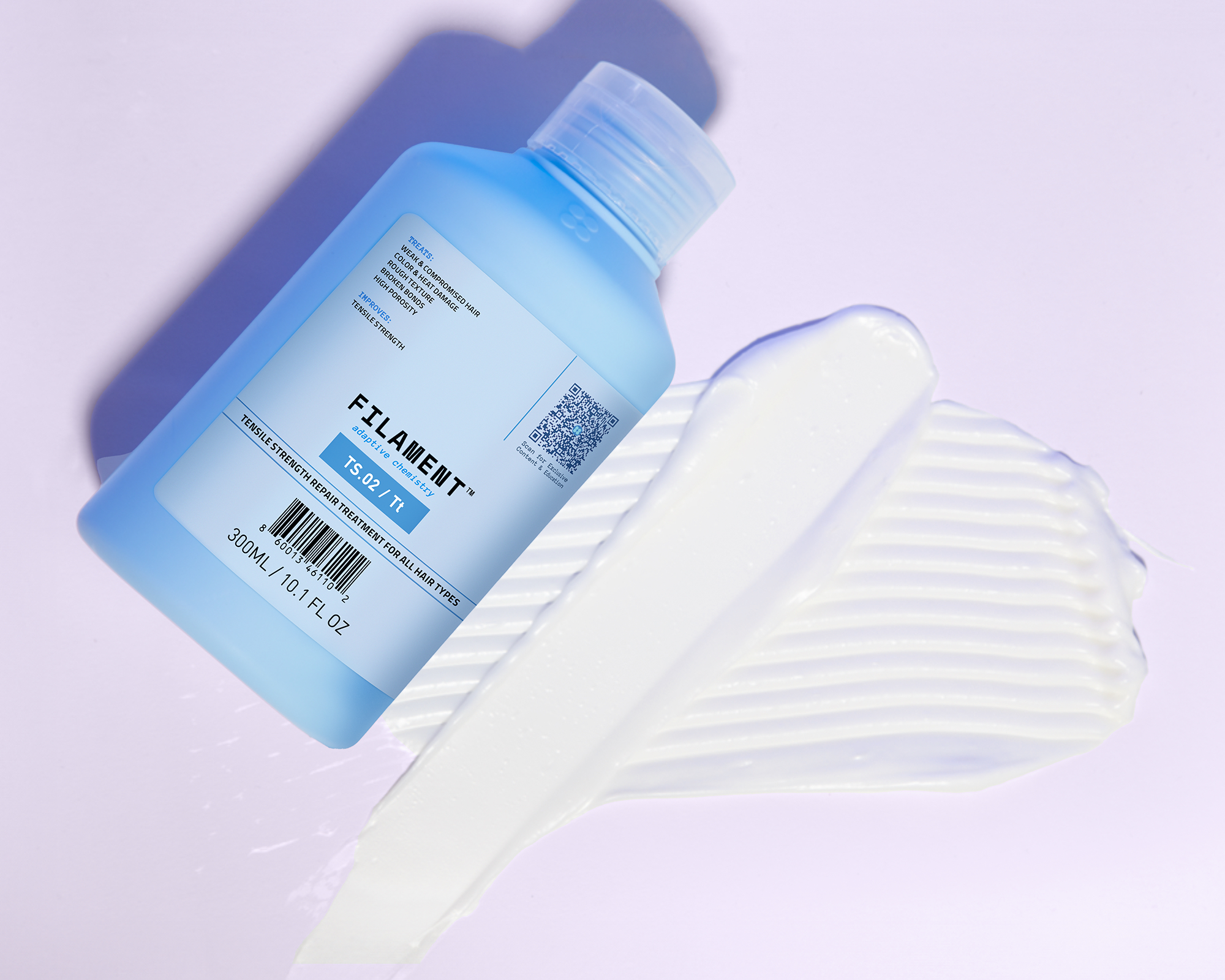
But a single brand can only do so much. To have a bigger impact, Yoo decided to establish a fund, Press Reset Ventures, with $1 million from KraveBeauty’s proceeds, an amount anticipated to increase as the brand grows, and an investment horizon longer than the three to eight years typical of venture capital firms. It writes $30,000 to $300,000 checks to sustainable and inclusive beauty brands, and supply chain solutions, material suppliers and technologies designed to reduce the beauty industry’s environmental impact. Press Reset Ventures’ first investment is in Experiment, a brand with reusable sheet masks.
“There are enough founders who want something different than just selling out,” says Yoo. “I want to join forces with them and push the same mission, and expand our influence in this way so we can influence the wider beauty industry as a whole hopefully.”
Adhering to a roadmap routine in the technology world, Yoo is among a burgeoning group of beauty entrepreneurs committing earnings from their beauty brands to finance beauty entrepreneurs following in their footsteps. In 2017, Huda Beauty co-founders and siblings Huda, Alya and Mona Kattan set up HB Investments, an incubation and investment vehicle with The Luxury Closet and Fresha in its portfolio. As part of Unilever’s acquisition of Sundial Brands in 2018, Sundial Brands founder Richelieu Dennis partnered with the conglomerate to inject $100 million into the till of New Voices Fund, a firm supporting women of color entrepreneurs. It’s invested in The Lip Bar, Young King Hair Care and NaturAll Club.
Also in 2018, Schmidt’s Naturals founder Jaime Schmidt started Color Capital, a venture capital firm focused on Web 3.0 and consumer packaged goods brands that’s backed Live Tinted, Ceremonia, House of Wise and Bubble, with her husband Chris Cantino, former CMO at Schmidt’s Naturals. In 2019, Laura Cox Lisowski, co-founder of Oars + Alps, a men’s grooming brand acquired by S.C. Johnson, began Zeist Ventures to fund health, financial and marketing technology, Web 3.0 and consumer companies. It’s invested in Dear Sundays, Paloma, VidaFuel and more.
In 2021, Scentbird co-founder Rachel ten Brink, former senior director at Elizabeth Arden and executive director of global marketing for Estée Lauder-owned brand Lab Series, established Red Bike Capital, a venture capital firm specializing in financial, e-commerce and consumer technology. The Good Patch by La Mend is in its portfolio. Other beauty entrepreneurs investing in beauty and wellness brands include Bobbi Brown Cosmetics and Jones Road Beauty founder Bobbi Brown (Live Tinted), Hourglass Cosmetics founder Carisa Janes (Youth To The People), Starface co-founder Brian Bordainick (Cake), and Briogeo founder Nancy Twine (Veracity, Plus and Golde).
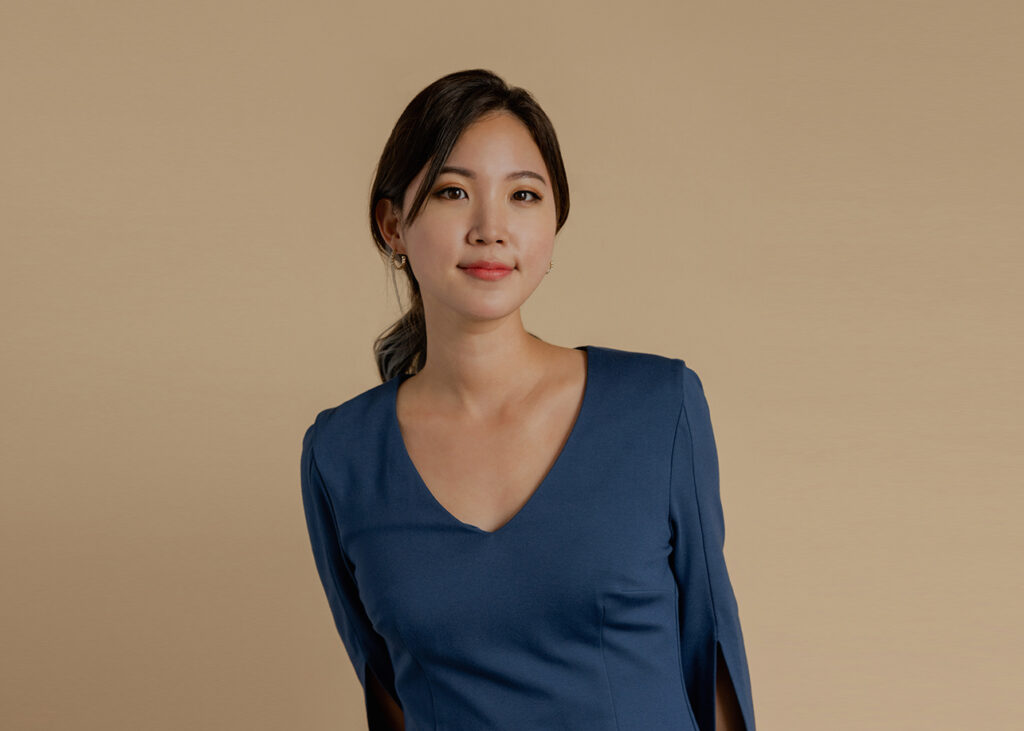
Ju Rhyu, co-founder of Hero Cosmetics, the brand known for Mighty Patch acne patches that secured investment from Aria Growth Partners in 2021, expects the ranks of beauty entrepreneurs-cum-investors to mount. “You’ve seen some of the exits that have happened in the last 12 to 18 months, and a lot of those people are going to put money back into the system. Whether they’re official investors in funds or strategic angels, I’m not sure, but I imagine we will see a lot more on both of those sides,” she says. “I feel like there’s going to be more individuals and more smaller funds as we have seen the success of some of these brands and founders, and also the dynamic nature of beauty makes it really active.”
Similar to investors generally, seasoned beauty entrepreneurs are jumping into investing to pursue lucrative returns. And, as Rhyu indicates, there’s been plenty of late in the beauty industry. Beauty mergers and acquisitions have been on a tear. Last year, according to BeautyMatter, there were 407 deals, up 52% from 2020 and 48% from 2019. The publication estimates that seed, venture and minority deals comprised 56% of the deals in 2021 and grew 59% from 2020. VC and private equity data company PitchBook figures that 227 beauty startups raised $2.69 billion last year across 252 deals. The year before, beauty startups raised $1.15 billion.
“It’s really is just a booming M&A market. The people who survived COVID have survived and are thriving, and they are catering to a post-pandemic customer in a unique and interesting way,” says Divya Gugnani, co-founder of Wander Beauty and founder of venture capital firm Concept to Co. She adds, “Companies like L’Oréal, Estée Lauder, Coty and Revlon, they are not innovating in-house and creating new brands at the pace at in which entrepreneurs in the space are, so they are buying an innovation pipeline. There is more M&A activity in this sector than other sectors.”
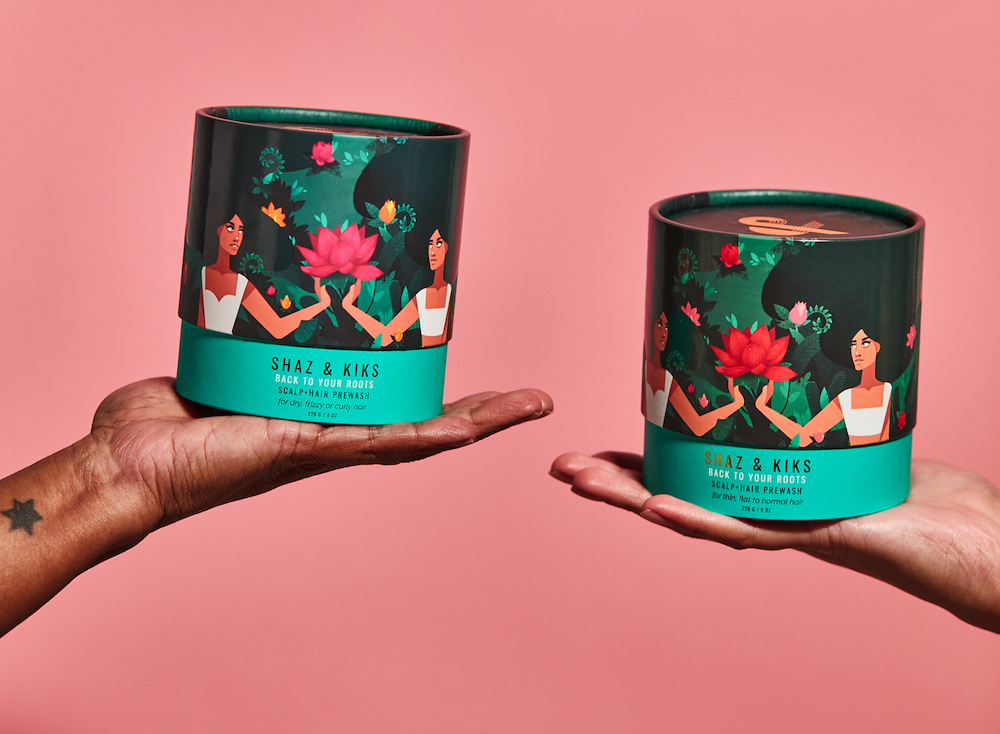
A serial entrepreneur, Gugnani has founded four companies. Along with Wander Beauty, the makeup brand she founded with model Lindsay Ellingson in 2014, she notably built Send the Trend, a personalized fashion and beauty e-commerce platform she sold to QVC in 2012. Gugnani kicked off her career in the finance sector, and previously worked at Goldman Sachs and Smith Barney. She’s been funding startups since 2000—she’s invested in more than 75—and launched Concept to Co in 2014. A few of the companies in Concept to Co’s portfolio are Madison Reed, Chillhouse, Topicals, Tower 28, Blume and Shaz & Kiks. The firm usually writes checks in the $100,000 to $500,000 range, and concentrates on seed, pre-seed and series A stages.
As an investor and founder, Gugnani thrives on the energy of entrepreneurial endeavors. After investing in Ayurvedic haircare brand Shaz & Kiks, she traveled from Miami to Austin to spend time with the co-founders Shaz Rajashekar and Kiku Chaudhuri. “They are two sisters, which I thought was such a cool story, and they have very different backgrounds. I think this is going not be a next breakthrough brand,” she says. “The best thing is you almost get to replicate the experience of being as excited as a founder and being as hyped up about all the success, but other people get to do a lot of the work.”
Rhyu began investing early last year and has about a dozen investments under her belt so far. She writes $5,000 to $50,000 checks. She appreciates the knowledge-sharing element of investing in young companies. “It’s nice to feel you’re helping founders and other entrepreneurs who are at an early stage. There’s the financial aspect, but then there’s the operational advice I can give,” says Rhyu. “It goes both ways. I always try to be a value-add on my side, but a lot of times I learn from them as well because they are experimenting with different partners. I ask them for recommendations.”
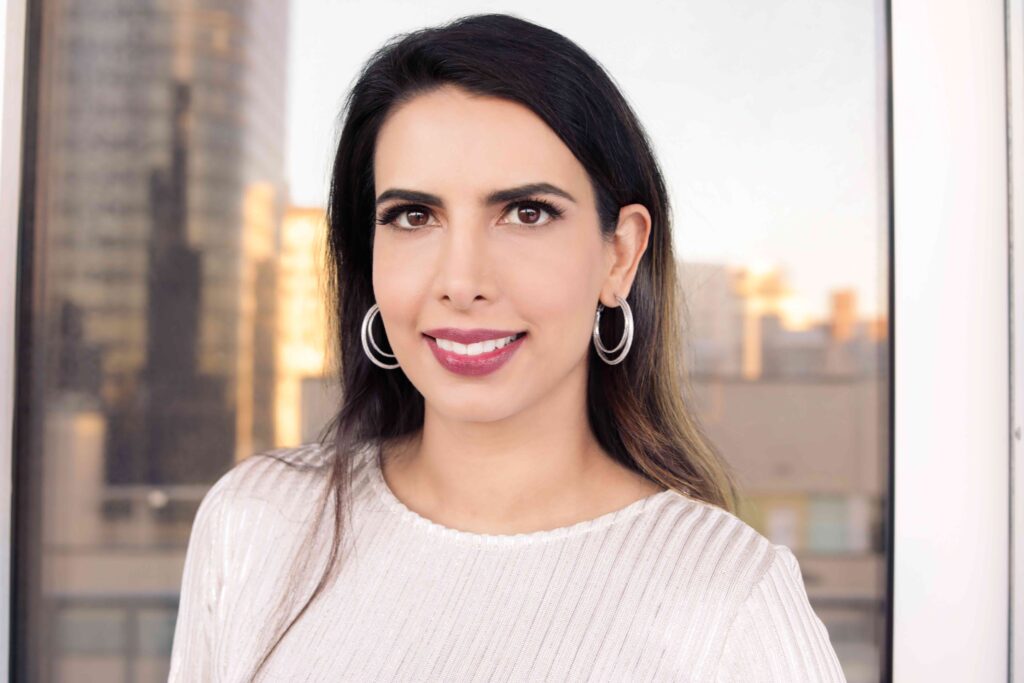
Ten Brink underscores the expertise entrepreneurs can offer fellow entrepreneurs is immense—and particularly coveted in a crowded, supply chain problem-riddled environment. “I joke that I’m the toughest investor because, unlike a lot of other VCs, I actually know how hard it is to scale a brand. Great product, great brand and great formula are only about 25% of the equation, the rest is about marketing, growth and scaling, community building, distribution strategy, supply chain, operations, margins, etc.,” she says. “There is a lot of money sloshing around in venture and the smartest founders are looking for value-added investors, not just cash. There is a lot of value that comes from actually having been in the founder’s shoes, especially in a category as involved as beauty/wellness/CPG.”
Beyond lucrative returns and knowledge, beauty entrepreneurs are often driven to change the industry, and investing is a tactic to enact the change they desire. They may desire to amplify the voices of people of color, improve sustainability or counter prevailing propensities of legacy investing that they consider amiss. “I want to do it as a woman because there’s not as many female investors in general, and I’m someone who is a minority, too,” says Rhyu. “Basically, I’m not white guy, so I think there’s a sense of responsibility.”
In a beauty industry dominated by women entrepreneurs and consumers, beauty brands are striving for diverse cap tables, leading them to seek out entrepreneurs from inside the industry that’s been a rare path to wealth for people of color. “We need to get more women on the cap table…If we can create more female ecosystems, female entrepreneurs can be more successful and get their businesses to scale better,” says Gugnani. “I believe fervently in my core that diverse teams outperform non-diverse teams. Diversity of thought creates a unique experience where you are getting the best outcome.”
At Press Reset Ventures, Yoo is keen on normalizing slower growth trajectories for beauty brands than are emblematic of VC-funded companies, and backing sustainable beauty industry suppliers that may take a while to commercialize their products and, therefore, are unattractive investments for funders aiming for a fast buck. She says, “I really don’t want this to be just a trend or something that remains a buzzword in terms of sustainability, but really put money where our mouth is and do that with other investors to move the needle.”
The rise of beauty entrepreneurs-cum-investors is occurring as the investment landscape is proliferating with people outside of professional finance circles, partially as a result of amoebic networks exposing them to possible deals and the spread of an array of financial structures for deals. Cox Lisowski points out that the popularity of SPVs or special purpose vehicles, affiliates of parent companies that are indirect financing sources and tend to have larger cap tables than traditional financing structures, as funding mechanisms has broadened the reach of investing.
“Women are becoming more interested in investment and making money,” says Cox Lisowski. “There are communities forming with female angels and really incredible deals being brought to them, where they can put in $3,000 and, with an SPV, you can do that. With angel investments, it’s typically $25,000 and, if you want to do it properly, you want to make more than one investment because it’s a high-risk asset class. SPVs allow more women to get in the industry and, hopefully, with a few investments, they will make some real returns and put that money back into the ecosystem.”
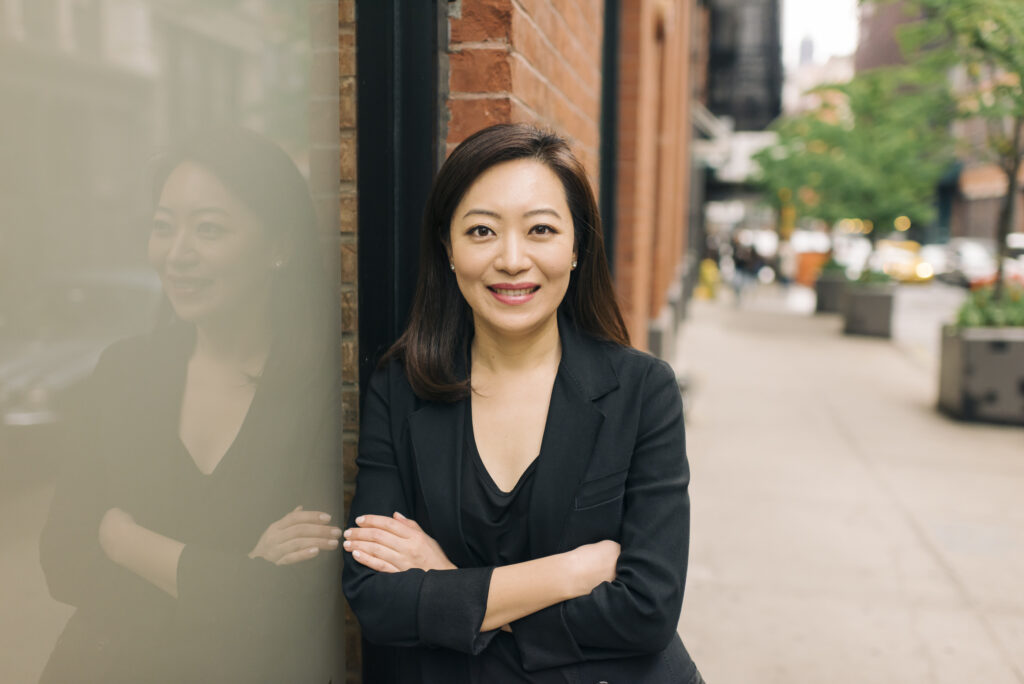
Simply because it’s easier to invest doesn’t mean everybody should do it, warns Gugnani. “Every founder tells me, ‘I want to do an angel investment.’ It’s not sexy and cool. You have to know what you are doing. You will lose all your money by not knowing how to read the legal documents or not wanting to pay a lawyer,” she says. “I’m seeing investing as a hobby for beauty founders, and that’s dangerous. Investing as a hobby is not going to return you money.”
To make investing in beauty startups less dangerous for beauty entrepreneurs, we asked Gugnani, Cox Lisowski, Rhyu and ten Brink to provide investing tips. Here are six of their tips:
Rhyu: “Sometimes writing that first check can be really intimidating. Ask if there’s a willingness to be open to smaller checks. A lot of times, if you are an operator, people are willing to take a smaller check because you offer advice and operational know-how.”
Cox Lisowski: “It’s about having a real investment thesis and being focused on that and not being swayed by all the noise because there are so many deals happening right now. By sticking with an investment thesis, you become a real expert in that industry through research and due diligence, and you can make better decisions.”
Gugnani: “You have to allocate X amount of capital and say, ‘I’m allocating this amount of capital, and I’m comfortable getting a return on this money or literally losing it all.’ You have to be comfortable with risk.”
She adamantly agrees with Cox Lisowski’s recommendation about sticking to an investment thesis. “I participate in a certain stage. I write a certain size check. I’m not getting into series B and beyond. I’m not wasting my time looking at them. Focus, focus, focus. Do a few things and do them well,” says Gugnani, emphasizing, “If you throw money at five random investments, you are going to lose that money. You have to have a portfolio approach, and you need to have themes that you are playing on.”
Rhyu: “Set aside a budget and work within that budget to try to get to 10 to 15 investments so you have a pretty diversified portfolio. That’s the mentality that I go with. It’s not going to be a devastating amount that I’m going to lose if I lose it all.”
Gugnani: “I think the way to do it is to make sure you are doing it in SPVs or doing it with people that you know that you are co-investing that have an interest aligned with you.”
Ten Brink: “You need to understand the nuances of the market. The valuation at entry point is critical. Understanding unit economics, how the brand can scale and distribution strategy are also important.”
The players
5 mentionedEstée Lauder

Bobbi Brown
Veracity
Hero Cosmetics
Briogeo