Menstruation Gets An M&A Moment. Will The Flow Continue?
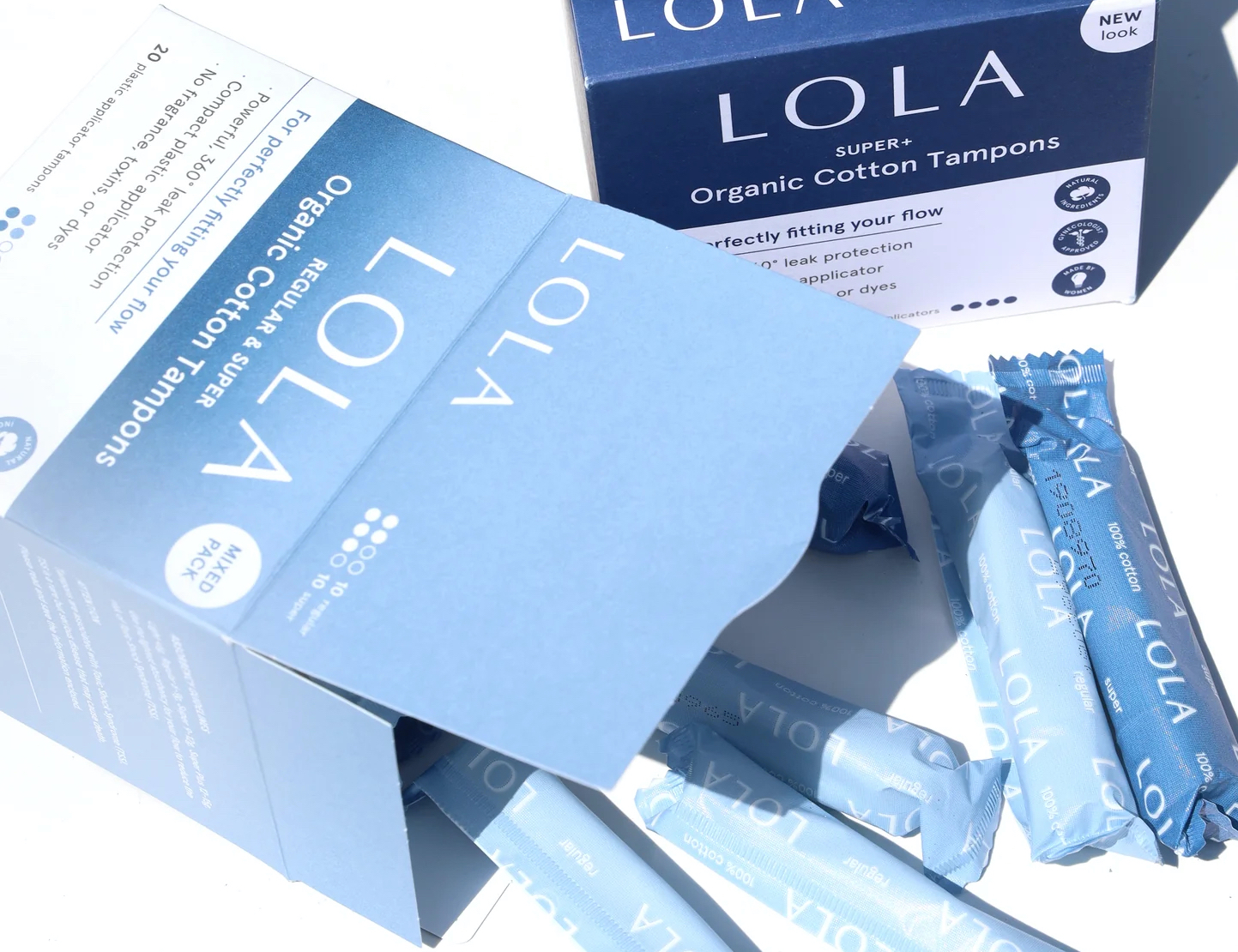
Along with the announcement two weeks later that fellow clean period care brand Lola was scooped up by digital brand aggregator Forum Brands, The Honey Pot Company’s deal shows that acquirers are sweet on period care brands. With legacy brands perennially commanding a substantial majority of the period care segment, brand buyers, investors and period care entrepreneurs are betting that insurgent brands can make market share headway as curious shoppers check out alternatives. Procter & Gamble-owned Always, the feeling is, may not be always be in the No. 1 position in the United States. (Or, even if it is, there’s enough wind beneath its wings to carve out lucrative, sizable businesses.)
Several emerging period care brands are hoping to close funding rounds in the next 12 to 24 months, and in addition to acquisitions, there’s been period care funding rounds aplenty lately. Earlier this month, London-based women’s menstrual wellness marketplace Unfabled raised $1.6 million to help fuel its expansion into the United States later this year. In 2023, gen Z period care specialist August and science-forward Vyld and Sequel closed funding rounds. In 2022, period care companies startups Daye, Aunt Flow, Rael and Here We Flo garnered cash infusions, with Daye raising $11.5 million and Rael closing a $35 million series B round.
While selling to an aggregator like Forum Brands isn’t as flashy as selling to a storied consumer packaged goods conglomerate like P&G and the sales multiple on The Honey Pot Company’s deal—a tad over 3X—isn’t as high as sales multiples seen during a bullish period in beauty M&A prior to the pandemic, dealmakers knowledgeable about the period care space believe the deals reflect confidence in the brands’ potential and the potential of the space overall. The Honey Pot Company was previously backed by New Voices Fund and VMG Partners. In advance of its exit, Lola raised about $35 million in funding from Alliance Consumer Growth Capital, Spark Capital, Lerer Hippeau and Brand Foundry Ventures, among others.
“The universe of buyers isn’t as obvious [as beauty], and some product categories within the broader category are newer, and [it’s a] very good price given that dynamic,” said Rich Gersten, co-founder and managing partner at beauty and wellness investment firm True Beauty Ventures during a recent Beauty Independent In Conversation webinar, of The Honey Pot Company’s sale to Compass Diversified. “There are not as many mass brands that trade, especially to strategics. I think it had strong growth under its private equity ownership and probably realized a good return on its investment.”
Susan Allen, co-founder of organic period care brand Here We Flow, agrees. She draws inspiration from The Honey Pot Company and Dixon. “A lot of the funds that we have relationships with were really excited to see that deal go through,” says Allen. “I think it bodes well for the future and our plans for the future.”
It makes sense that investors are interested in the period care space. Half the population regularly purchases period care products for decades of their lives, building in recurring revenue for brands that capture consumers’ loyalty, and it gives brands entrée into the lives of coveted gen alpha and gen Z shoppers. The category also appears ripe for disruption and innovation, with three conglomerates—P&G, Kimberly-Clark and Edgewell—claiming over 70% of the market in 2022, according to market research firm Euromonitor.
As demand for sustainable and thoughtfully produced products have impacted adjacent consumer goods categories like beauty, consumers have been increasingly looking for better-for-you options in the period care aisle as well, and conglomerate-owned brands such as Tampax, Kotex and Playtex tend to be behind in that area. P&G proactively attempted to rectify its relative lag in the better-for-you arena by buying organic period care brand This Is L. in 2019.
As is the case across the CPG landscape, it’s hard for huge multinational corporations to keep up with the pace of innovation to respond to changing consumer preferences. They use acquisitions of popular emerging brands to flex their organizations and play in trends not easy for their entrenched brands to hop on.
“Startups are identifying and concurring trends in the period care space,” says Carli Sapir, general partner at women’s and sexual health-focused venture capital firm Amboy Street Ventures. “Period underwear, menstrual discs and free vend menstrual products [or products offered free in vending machines] are all categories that are better served by startups rather than legacy brands. The recent acquisitions in the space demonstrate that the CPG conglomerates are ready to buy rather than build this innovation, making early-stage investments extremely attractive in this category.”
This year’s deals demonstrate there are suitors for brands outside of a handful of personal care behemoths. Forum Brands CEO Brenton Howland says his company’s pickup of Lola, a first for it in a period care space it may continue to dive into with brand deals, is a good fit for its existing customer base primarily made up of females between the ages of 25 and 45 years old. Additionally, health and wellness represents over 50% of Forum Brands’ business. Lola joins a portfolio with the brands UpwardBaby, TriLastin, Simka Rose, Natemia and Nuvadermis.
“We buy brands that we feel have a right to win in staple categories for decades. We acquire to hold rather than acquire to sell,” says Howland. “Our expectation in bringing Lola into our portfolio is that we’ll carry forward a legacy of innovation, education and community.”
Getting purchased by a CPG conglomerate like P&G, Unilever, Reckitt or Edgewell Personal Care may be the gold standard for ambitious period care brands and CPG brands more widely, but outcomes can be beneficial if that standard isn’t reached. Ute Arndt, retail and innovation advisor at sexual health and technology company Healthy Pleasure Group, says that Compass Diversified and Forum Brands’ deals for The Honey Pot Company and Lola are beneficial for the parties on both sides.
She explains, “Not only are deals like these necessary to scale emerging, disruptive brands, but the other side gains a huge market since the intimate health and well-being market is still growing and period care is only a fraction of it.”
There’s certainly room at the table for a wide swath of period care brands. Market research firm Transparency Market Research estimates the value of the global women’s health market at $77.8 billion in 2021 and anticipates it will register a 5.5% compound annual growth rate to hit $130.9 billion by 2031. Statista Market Insights figures the global period care market is valued at $49.75 this year and will accelerate at a CAGR of almost 5% through 2028.
When brands such as August, The Flex Co. and Saalt are considered disruptive, what they’re disrupting is a product, ingredient and messaging status quo in the period care space predominantly established by people without periods decades ago. “These startups have successfully raised capital because, rather than solely focusing on providing effective and clean products, they are also prioritizing destigmatizing the industry through their marketing,” says Ariel Ohana, managing partner at investment bank Ohana & Co. “This has sparked broader conversations which in turn have boosted visibility for these emerging brands.”
Leading public conversations can ingratiate disruptive brands to consumers. Brent Vartan, partner at Bullish, a VC firm with August and sexual wellness brand Cake in its portfolio, reveals the two brands have higher retention rates than the rates usually registered in CPG categories. He says, “August is constantly opening up its world, but at the same time emboldening their world as well, too, which creates a bit more attachment to the products and the brand.”
Independent brands selling better-for-you period products at premium prices have stretched into channels that don’t usually carry menstrual products. Ulta Beauty brought tampons and pads into its assortment 2021 both in its stores and online with its The Wellness Shop initiative dedicated to wellness merchandise. Tampons aren’t currently in all doors, but the beauty specialty retailer features a dedicated “Down There Care” section within The Wellness Shop containing intimate cleansers and skin treatments, period care and menopausal care.
The enlarged distribution opportunity provides emerging brands greater chances to scale in ways that aren’t as competitive with behemoth brands. The opportunity is especially ripe for brands with products related to period care like skincare to support issues caused by hormonal fluctuations, cycle support supplements and pain relief devices. Ulta stocks several of these period care-related products.
Opinions are split as to whether emerging period care brands will ultimately pose a significant threat to period care’s entrenched category leaders. While Arndt predicts upstart brands can ultimately wrestle up to 5% market share from leading brands, founders of upstart period care brands are persuaded their momentum will persist—and results justify their optimism. Bolstered by 1.9 million euros or about $3.4 million in funding in 2022, Here We Flo’s sales have climbed more than 100% year-over-year in the past two years, and it secured distribution in over 2,000 North American retail doors, including Target, Whole Foods Market, CVS and Wegmans. This is in addition to being the top-selling tampon brand on Amazon UK and having wide distribution at Boots that will expand further this year.
Allen says consumers have shifted toward independent brands in a number of CPG categories and period care will follow suit. “Legacy players are important and have a lot to offer consumers, but independent brands often possess a vision, creativity and flexibility to move and grow quickly and respond to evolving consumer needs,” she says. “We also always have social and environmental impact in mind and are able to be truly mission driven.”
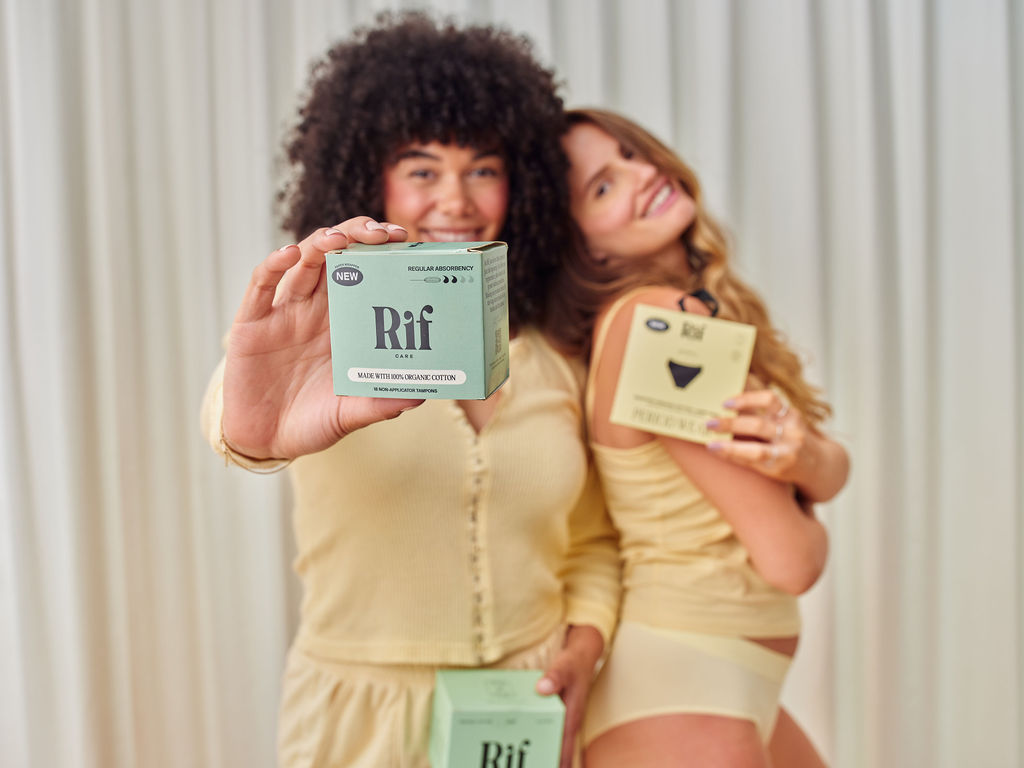
Organic brand Rif Care expects to double its retail door count this year. It’s already in Erewhon, New Seasons, Gelson’s Markets, Mom’s Organic Market and Market of Choice. In the grocery store channel, organic period care brands are growing five times quicker than conventional and non-organic brands, according to Rif Care founder Val Emanuel.
“This is not only good for us, but retailers’ margins as well,” says Emanuel. “We are all used to [seeing] 80% of market grocery ‘feminine care’ aisles be big corporations owned by Kimberly-Clark or P&G. I think in the next three years it will be 50%/50%. More women will move on to organic products not only because it’s trendy, but also because the products are generally more comfortable and help them have a better period.”
The players
5 mentionedUnilever

Kimberly-Clarke
The Honey Pot Company
Momentous
Better Being