Leading Beauty Investment Bankers On The Changing Landscape, Hot Categories And Top Deals: Part 2
Data tells the story. Deal volume in the first quarter of this year fell 45% from the same quarter last year, according to information provided by Intrepid. The investment bank attributes the falloff to recession worries, delayed market entries and disrupted sale processes as buyers carefully weigh potential transactions.
Further explaining the conditions, Lauren Antion, director of beauty, personal care and wellness at Intrepid, says, “Brands dealt with operating challenges, including increasing customer acquisition costs for direct-to-consumer brands and reduced purchase orders as retailers pulled back on inventory levels related to recession fears. In addition, tighter credit conditions and higher interest rates increased challenges for buyers.”
Despite the headwinds, she declares the beauty industry is resilient and deals for “high-quality, fast-growing brands” will get done. For similar reasons, Andrew Charbin, managing director at investment bank The Sage Group, holds out optimism, too. While the number of transactions has been trending down, he stresses the strength of the companies drawing strategic attention is trending up.
“Corporate buyers are raising the bar in terms of the criterion for what they will deem quality assets that ‘check all the boxes’ and have true long-term staying power,” says Charbin. “These assets will rise to the surface, drive real interest and generate premium valuations.”
Ahead, Charbin along with 10 other investment bankers share their thoughts on where the future of beauty mergers and acquisitions is heading and what beauty categories they’re excited about.
Michael Garcia Managing director, Intrepid
How has the M&A landscape changed, and what factors are contributing to the changes?
With the rise of entrepreneurship over time, large CPGs are getting disrupted at an increasing rate. As a result, more and more M&A activity is taking place. Private equity groups are eager to get in on the action as well and often come in prior to that ultimate strategic exit.
Where do you predict the future of beauty M&A is heading?
M&A will continue to be robust. What drives deal activity is innovation, it’s entrepreneurship. As long as good ideas keep coming to market, the larger strategics in the space will be there to acquire these brands.
What categories are of interest to you moving forward?
The women’s health category is very interesting right now. There have been age old issues that have not been properly addressed by legacy products. Further, the branding hasn’t resonated with consumers. We are seeing a multitude of rapidly growing brands with remarkably strong retention finally addressing these needs in a commercial way.
Deal Highlights
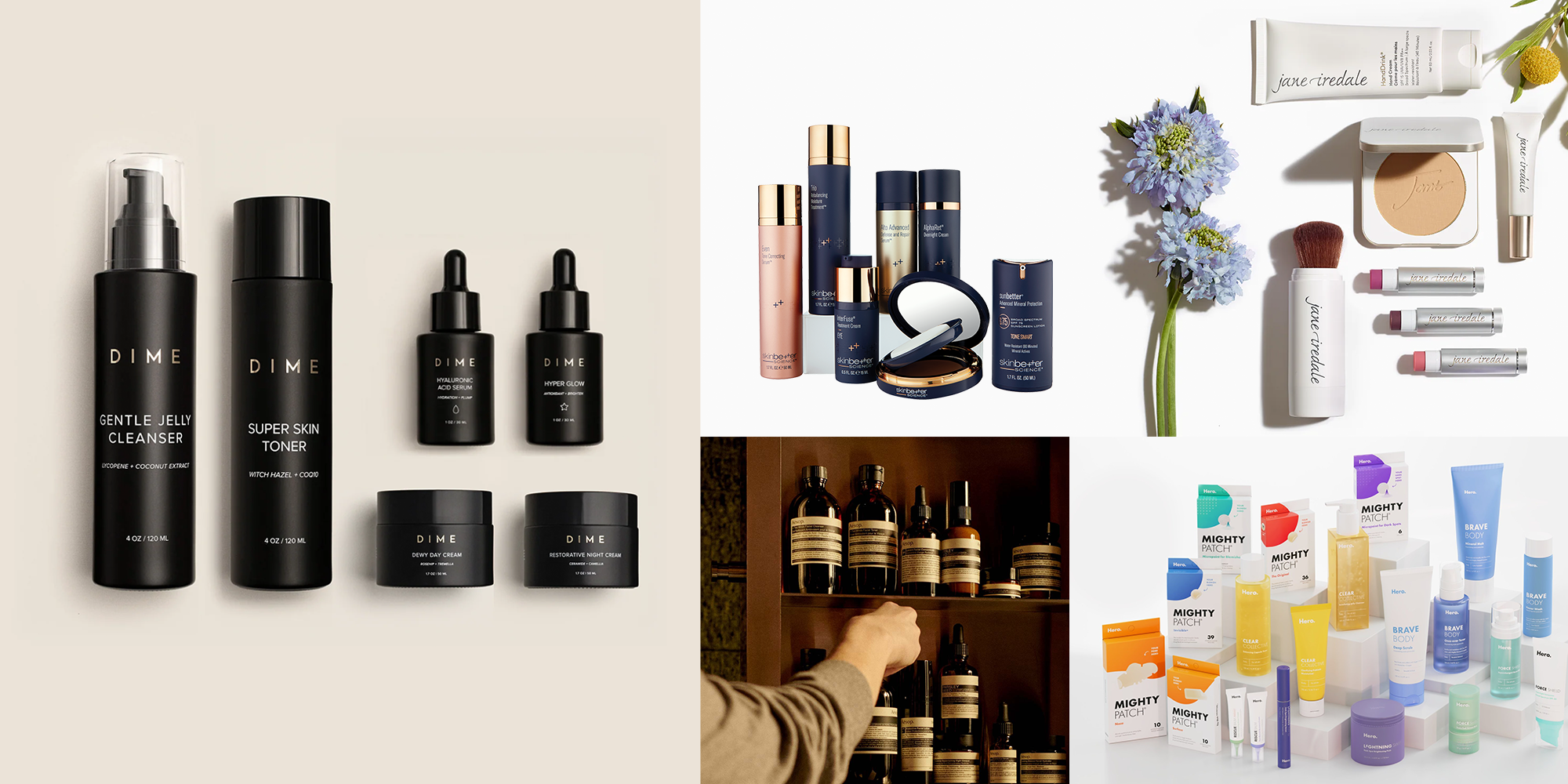
Dime Beauty, Tubby Todd and Apostrophe.
^ Back To The Top
Fei-Fei Zhang Executive director, JPMorgan
How has the M&A landscape changed, and what factors are contributing to the changes?
We saw global M&A volumes normalize last year following record-breaking activity in 2021. Economic uncertainty introduced by higher interest rates, inflation and geopolitical tensions have contributed to more muted activity year to date.
That being said, we believe those with access to capital will increasingly start to deploy it strategically. While investors will continue to be selective, we anticipate a competitive market for differentiated assets with attractive underlying fundamentals delivering profitable growth.
Where do you predict the future of beauty M&A is heading?
Beauty is a dynamic and fast-evolving industry. Innovation is core to the category, and I love witnessing the evolution of new products, brands and technologies designed to serve evolving consumer needs. The opportunity for established companies to acquire, integrate and scale the latest concepts resonating with consumers remains a driving force for M&A, and we expect that to continue.
Despite the macroeconomic and geopolitical uncertainty, we believe demand remains for truly differentiated brands with compelling product-market fit and a proven track record of execution.
What categories are of interest to you moving forward?
We see innovation across many major subcategories within beauty, which is incredibly exciting. Among the most exciting dynamics is how the industry increasingly intersects with tangential sectors in an effort to better serve the consumer.
There has been a natural integration between beauty and wellness, for example, and increasingly we are seeing technology being leveraged to improve the consumer experience, from more precise diagnosis to personalized product recommendations to a more tailored and engaging shopping experience.
Team Members
Edouard Metrailler and Ked Fisseha.
^ Back To The Top
Jean-Marie Gianni Managing director, Oppenheimer
Where do you predict the future of beauty M&A is heading?
In terms of volume and pace, I believe that beauty M&A will continue to be strong and sustained for a few different reasons: Market fragmentation fueled by the emergence of newer, more relevant brands that disrupt the incumbents, but also the older disruptors is going to continue, supported by consumer/retailer demand for newness/innovation and increasing availability of private capital supply.
A greater contingent of strategics or “quasi-strategics,” in addition to the seasoned acquirers, will use M&A more regularly and create more exit options for sellers. Higher resilience than other consumer verticals in times of economic uncertainty will continue to drive appetite from private equity players to invest in the space.
In terms of valuation, I expect to see greater multiples disparity between best assets and average ones. On a related note, more failed transactions are expected due to larger bid ask spread. Finally, the market fragmentation should drive more consolidation amongst private equity-backed assets of lower perceived strategic value and the formation of brand platforms given lack of appetite from strategic buyers who are focusing on a few select assets. As a result, I expect that many of these platforms will increasingly consider a capital market exit as a viable exit option either through a regular IPO or a SPAC once the market reopens.
It is an exciting time for the beauty industry where the pace of changes has never been so rapid, creating significant opportunities for all the players involved. Even though the number of transactions has slowed down, I expect deal flow to pick up in the second half of this year both in the M&A and broader capital markets.
What categories are of interest to you moving forward?
Science-backed, clean skincare; color cosmetics and more specifically tinted skincare; men’s grooming; body care, and haircare. Outside of the usual categories, sexual wellness and beauty tech.
Deal Highlight
Drunk Elephant.
Team Members
Nate Narboni, Chad Mims, Andrew Sun, Mikayla Mathieu, Andrew Nussbaum, Cole Testauti and Michael Mark.
^ Back To The Top
Laurent Ohana Senior adviser, Ohana & Co.
How has the M&A landscape changed, and what are factors contributing to the changes?
PE-driven M&A has slowed down due to a couple of factors: 1) Credit tightening has increased borrowing cost and raised the bar on deals that could be debt-financed, and 2) economic uncertainty has clouded the predictability of forecasts, creating widening gaps between what sellers expect and what buyers want to pay.
Strategic-driven M&A is slowing down somewhat because strategics have already bought aggressively in the past two years, but strategics will not pass on unique opportunities whenever they present themselves, as was demonstrated by the Aesop acquisition by L’Oréal.
Where do you predict the future of beauty M&A is heading?
Strategic M&A in beauty, as in all categories, is driven by the large beauty companies’ need to have a meaningful presence in categories of importance to them. It can be an audience type, geographic presence, distribution channel or unique offering that can be scaled.
The focus on DTC brands was driven by the ability of certain early adopters to connect with customers cost effectively. That may be over unless TikTok survives and is able to drive commerce. In uncertain times, brands that cater to customers who are not sensitive to stock market gyrations are very appealing. Finally, the focus on transparency that modern consumers are clearly showing is helping clean, science-based brands that can claim high effectiveness.
What categories are of interest to you moving forward?
I am very interested in wellness because consumers are looking for things that will elevate their lives from the mundane and give them a sense that they are investing in themselves for the long run. I think there is a lot of opportunity as the category is totally undefined so brands can take positions and hold them for a very long time.
Deal Highlights
Versed and Merit.
^ Back To The Top
Michael Toure Founder, Toure Capital
How has the M&A landscape changed, and what are factors contributing to the changes?
It’s changed a lot just because there is, normally, a lot turnaround in this industry. People move sectors, people go do other stuff, advisors move to the private equity world. There aren’t that many advisors that have specialized in the category for 20 years as I am. I think what’s happening these days in this investment world is there is kind of a market dislocation. It’s very hard to know where the interest or investment will be coming from.
In terms of what people are looking for, I think there are common themes, which are I want a business that has profitability, I want a business that has growth margins of about 50% or 60%, I want a business that is not dependent on one distribution channel, but that has really omnichannel distribution strategy. Before, people were willing to take a bit more risk, but right now people need to be more focused on all of these to maximize the chances of finding the right investor or buyer.
On the flip side, for some investors, having lead these cycles a few times, this is a time where great opportunities are raised. For institutional buyers or investors, there is an opportunity for them to take a bit more risk, but also to go beyond entrepreneurs that they trust will do a good job for them. There is a huge breadth of entrepreneurs right now that have great ideas who are looking for good partners to grow.
What categories are of interest to you moving forward?
I think of them in three buckets. There are the brands that are replacing everyday products either by improving them, making them more convenient or improving the quality or the ingredients. The second bucket for me is brands that are fixing a problem for you. Whether your problem is acne, hair quality, gray hair, they’re about something very focused where you can get this real aha moment.
The third bucket of brands for me are the brands that are here to make you indulge, have fun and belong to a community. These are brands in [categories such as] fragrances and nail polish. Those are three buckets of brands that I tend to focus on, and investors and buyers are resonating with.
Who is someone other than yourself who you consider influential in the investment banking space?
Lawyers like David Grinberg at Sidley, Shige Itoh at Rutan & Tucker, Jason Berger at Berger Law and Kara Posner at Giannuzi Lewendon play key roles.
Deal Highlights
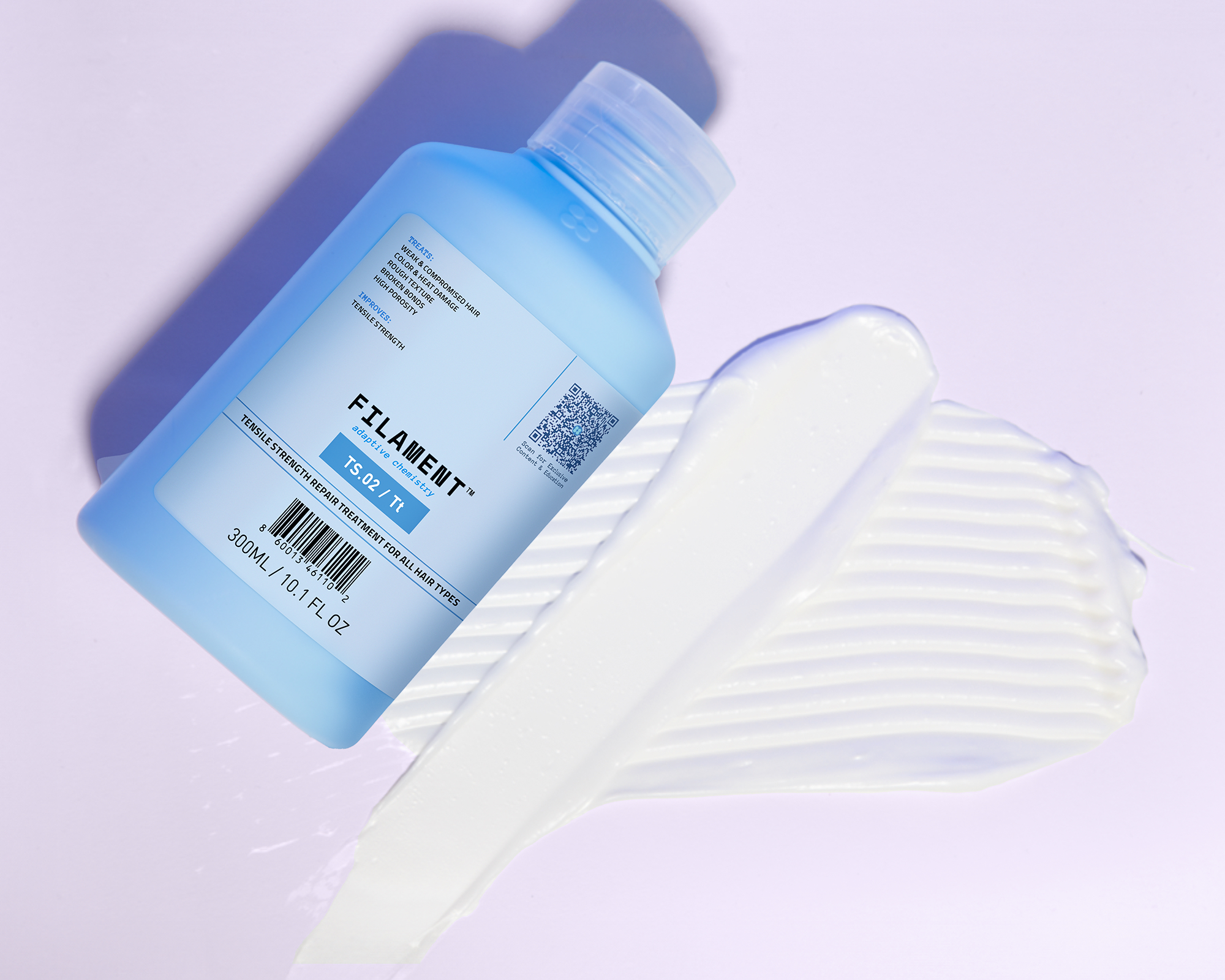
Tata Harper and Hero Cosmetics.
^ Back To The Top
Andrew Charbin Managing director, The Sage Group
Where do you predict the future of beauty M&A is heading?
Two industry bellwethers that would suggest a promising outlook for the industry are Ulta’s strong 2022 financial results (record sales and profits, and comp-store sales +15%), and Sephora reporting “exceptional results” in Q1 2023.
Given the elevated interest rate environment that we are currently in, deal activity from financial buyers who tend to use sizable amounts of leverage in their transaction structuring may remain suppressed in the near term. Meanwhile, corporate buyers are cash rich and can continue to opportunistically assess acquisition opportunities.
What categories are of interest to you moving forward?
Skincare and haircare continue to demonstrate solid long-term growth characteristics and will likely always be two of the most stable categories to invest in. The key, though, is ingredients and proven efficacy, particularly in skincare.
The color category, after having undergone a period of softness due to COVID, is bouncing back, and there is a handful of independent brands who are performing very well in the category. There is a renewed level of investor interest returning.
The fragrance category is one of the last frontiers within beauty to undergo a new and fresh wave of innovation, driven by themes of clean formulations and a desire for ingredient transparency and sustainability. The fragrance category is one that has long been dominated by major brands with longstanding heritages and who are mostly backed by major corporates with unlimited capital and marketing wherewithal. It is a space ripe for disruption, and it is the emerging indie brands that will accomplish this.
Sales of luxury fragrance increased during the pandemic and this momentum continues apace. This trend has been driven in part by today’s new modern consumer who is extremely well-informed, discerning and willing to pay a premium price for high quality, authenticity and results. Investors are seeking out these quality assets in the upper tiers of the industry to which consumers are gravitating and particularly those with the potential to become leading players over the long term.
Deal Highlights
Jane Iredale and Henry Rose.
Team Members
Vice presidents Julie Kivell and Marissa Lepor.
^ Back To The Top
Dipika Soni Managing director, Morgan Stanley
Where do you predict the future of beauty M&A is heading?
Beauty is a dynamic and resilient industry. Consumers are highly engaged with their beauty and wellness rituals. They are spending more in the category, and we are continuing to see an exciting pipeline of innovative brands.
Strategics in the sector are long-term investors and focused on future-proofing their business models by investing in innovative brands that can scale to $1 billion-plus. Given this backdrop, I expect that strong activity in beauty M&A will continue.
I am always getting asked if multiples are going to come down eventually. We haven’t seen that play out yet, but it’s still early days.
What categories are of interest to you moving forward?
I tend to have more of a brand lens and get excited about truly differentiated, enduring businesses regardless of category. As I look forward to the next few years, there is a clear trend towards premiumzation, so prestige beauty should continue to outperform.
Consumers are also choosing clean, sustainable and inclusive brands. At a category level, I believe luxury and derm skincare will continue to be a hotbed of activity. Hair health, niche fragrance, artistry-driven color brands are also areas where we are spending the most time with founders and seeing a high level of strategic interest.
Deal Highlight
Aesop.
^ Back To The Top
Kelly McPhilliamy Managing director, Harris Williams Consumer Group
Where do you predict the future of beauty M&A is heading?
We have a positive outlook for beauty M&A and expect activity to pick up in the second half of this year. There is also the potential for a strong 2024 despite macro and operational challenges that have slowed M&A recently.
The fundamentals supporting M&A haven’t changed in the 20 years I’ve been involved with the industry. Beauty is a large and resilient sector; it has low barriers to entry enabling new brand launches; strategics need M&A to augment growth and fill portfolio white spaces; and private equity has significant dry powder to invest plus a growing pipeline of assets primed for exit.
The P&G/Mielle and L’Oréal/Aesop transactions reinforce our conviction that strategic buyers will remain active, but be more selective in what they pursue. This could lead to fierce competition for top quality assets, with the potential for more bilateral transactions (i.e., privately negotiated between two parties directly) like L’Oréal//Youth to the People.
Another dynamic impacting strategic buyers will be the regulatory climate and higher scrutiny on strategic combinations from an anti-trust perspective. We expect activity to downshift in skincare following several years of significant deal flow, remain elevated in premium haircare, and to see an uptick in cosmetics as consumer engagement and growth outpace other categories.
While prestige brands have dominated M&A, we are seeing increased demand in mass and professional, which is likely to continue based on the quality and affordability of mass products and the personalized recommendations and trusted endorsement associated with professional product sales.
What are categories of interest to you moving forward?
We remain interested in the evolution of hair health broadly and have noted many retailers dedicating more space to the category. Specifically, we’re interested in unique ingredient technologies, enhanced scalp care, hair loss solutions and textured haircare.
We are also focused on science-backed skin and body care both in terms of product formulas and results and the strategies these brands are using to educate and win consumers. Buyers prioritize brands with proven technology and loyalty driven by efficacy. Continuing on the health and wellness theme, we’re also watching the convergence of cosmetics and skincare as consumers seek mult-tasking makeup products that deliver skin benefits.
Deal Highlight
Bellami.
Team Members and Mentors
John Neuner, co-CEO of Harris Williams and co-head of the consumer group, champions the firm’s expertise in the health and beauty practice along with William McBride. Ed Arkus is the London-based co-head of the consumer group and plays a critical role in Europe.
^ Back To The Top
Deepti Chauhan Manjee Managing director, TD Cowen
Where do you predict the future of beauty M&A is heading?
I think the valuation environment will remain robust for differentiated, covetable assets that fit a white space within a strategic’s portfolio. However, there will be greater bifurcation in value for the must-have assets and ones that have fad risk, have not demonstrated profitability or are unable to scale in omni-channel.
What are categories of interest to you moving forward?
Professional or clinical skin care will continue to be of interest, particularly as the millennial consumer is aging and seeking truly efficacious products versus marketing driven brands. I also think there is a lot of interesting innovation in women’s health, experiential retail, haircare and broader wellness categories.
Deal Highlight
Skinbetter Science.
^ Back To The Top
Melissa French Nilsson Managing director, Piper Sandler
Where do you predict the future of beauty M&A is heading?
The beauty of the beauty industry is its resiliency. As we’ve seen from the data, beauty continues to lead disposable income prioritization and deliver really impactful growth. We expect M&A activity in the sector to pick up in the second half of 2023.
Looking forward to 2024 and beyond, indie brands will continue to break rules, change the consumer narrative and serve as the driving force of growth across categories and channels. Financial buyers will increasingly flock to the sector, particularly as other consumer categories face challenging growth prospects. Strategics will continue to acquire indie brands as they seek to augment their portfolios with the most relevant, high-growth brands.
What are M&A themes for all buyer types, financial and strategic?
- Profitability is queen: Favor brands delivering efficient, profitable growth fueled by organic consumer pull versus consumer push from deep marketing budgets.
- Deep moats: Defense is as important as offense, [including] captive consumers, patents, exclusive ingredients, clinical testing, unique go-to-market models, etc.
- Disciplined growth: The days of raising $40 million in growth equity to generate $40 million in revenue are over. The market is focused on margin accretive growth.
- Channel diversification: Changing channel economics have reenergized the focus on multichannel brands. Single-channel exits are extremely challenging.
- Scale appreciation: Everybody is moving up market! Strategics want to acquire larger brands more than before. [There’s an] increase in PE minimum EBITDA thresholds, and growth investors no longer want to put dollars into unprofitable companies.
What are categories of interest to you moving forward?
Professionally fueled skincare and haircare. Particularly in a challenging economic environment, the “point of attachment” for a brand is critical for generating long-term loyalty. A professional recommendation is the ultimate in personalization. An educated, knowledgeable influencer telling you this is what you need for your skin/hair type and concerns. These science-backed, clinically proven products also deliver on the promise of efficacy for long-term compliance and brand relationships.
Team Members
Partner John Twichell, Dean Norado and Sarah Pellicci Salveson.
^ Back To The Top
Jay Sonner Managing director, North Point
How has the M&A landscape changed, and what are factors contributing to the changes?
My team and I focus on the services side of beauty care, where we have done $6 billion in enterprise value in M&A over the past two and a half years. Five years ago, virtually all beauty and personal care investing was focused on products. Across the American economy, consumption of services has outpaced the consumption of goods for many of the last 20 years.
This dynamic is now reaching beauty, where many of the key subcategories—injectables, skincare, salon suites, hair coloring, med-spas—are growing 5 to ten times faster than the broader economy. For the investing community to really start taking notice, businesses have to reach a large enough scale. This has recently begun to happen in beauty services, and we expect this trend to continue for years to come.
Where do you predict the future of beauty M&A is heading?
Beauty services will continue to be ascendant as an area of M&A. There is an immense amount of sophisticated money focused in this category today. We also see more ecosystem construction happening: Large players bringing more than one brand under a common ownership and cross utilizing consumer insights and data.
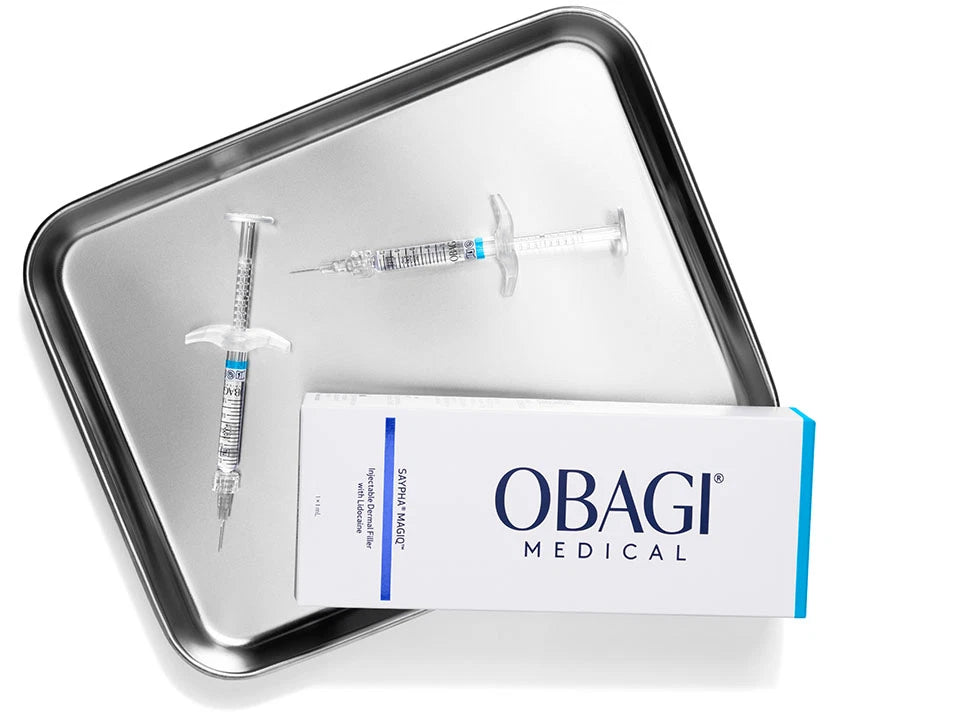
We see consumers becoming more and more willing to embrace technology available in beauty care services. Several years ago, in some cases, things like botox were something many folks wouldn’t consider. That’s changed, and today we see minimally invasive services possibly becoming a new frontier where we think there may be more activity to come.
What categories are of interest to you moving forward?
In particular, we like the services like skincare that have recurring need and genuine wellness angle. There are a host of powerful skincare service brands emerging with an offering that needs to be performed on a monthly basis. The category is becoming perceived as less “luxury” or “pampering” and more required hygiene that is part of a non-discretionary routine.
Team Members
Vice president Raya Raphael.
^ Back To The Top
The players
5 mentionedToo Faced

Tata Harper
Versed
Dime Beauty
AS Beauty