Is Radical Manufacturing Transparency Feasible Or A Fantasy In Clean Beauty 2.0?
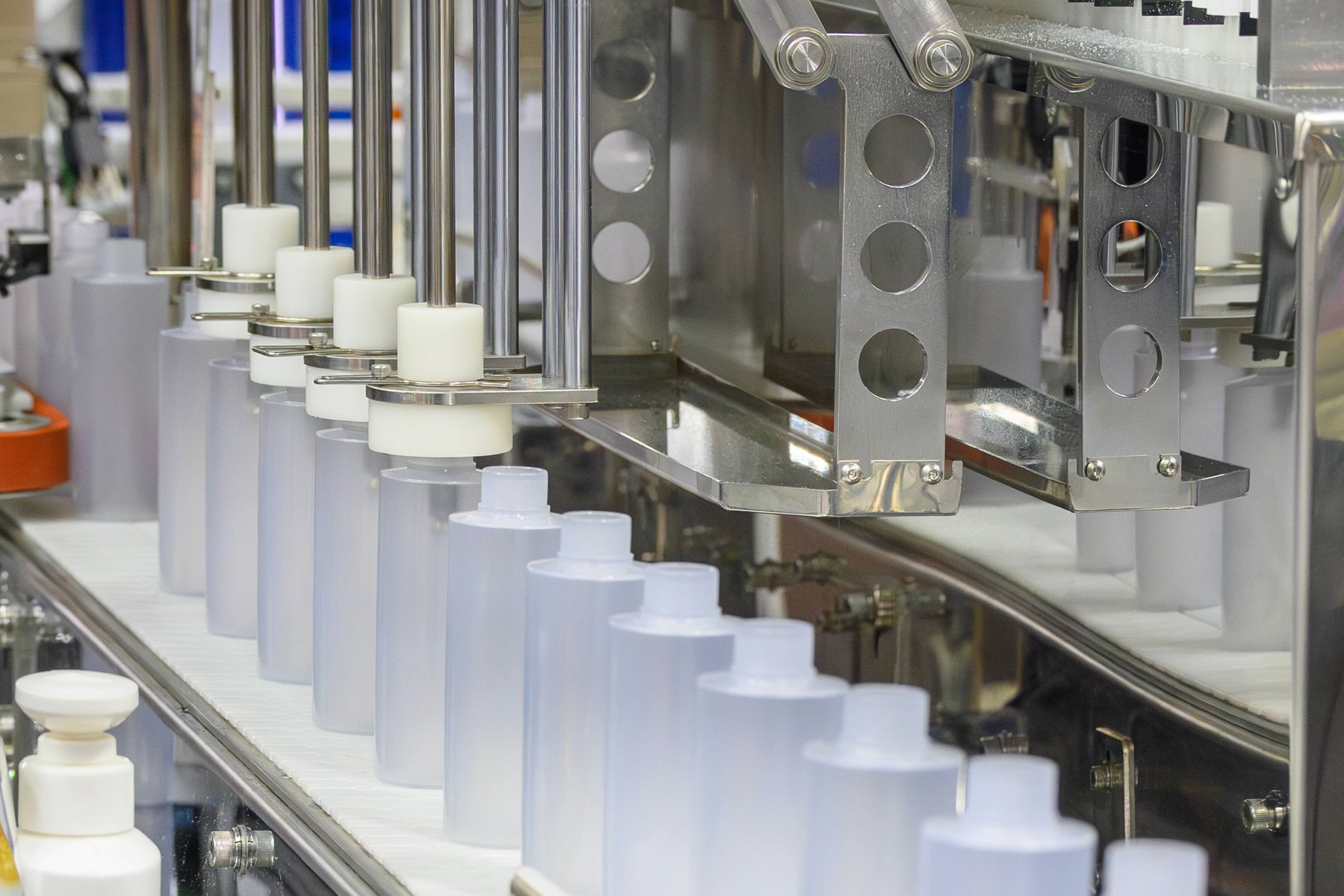
Asked to elaborate, Perkins tells Beauty Independent, “Transparency in manufacturing starts with understanding how the product is made. For example, how much energy does it take? Is that energy solar generated or natural gas? How much water is used? What chemicals are used to clean and sanitize the manufacturing line? How much waste is created with each batch?”
He adds, “Contract manufacturers already document their processes for regulatory purposes, so layering on a few more pieces of data is a good first step. Brands can then connect the sourcing of their ingredients to the finished product. Over time, we hope that brands and contract manufacturers will come up with a common clean manufacturing standard which takes these sustainability questions into consideration and sets some improvement targets which the industry can work towards.”
On Monday, Credo announced in the media outlet Glossy that it’s created a common clean standard for beauty supply chain actors, including contract manufacturers, raw material and packaging providers, and cosmetic chemistry and testing laboratories. Allure Beauty Concepts, a skincare, haircare and over-the-counter products manufacturer, is the first company participating.
To be Credo Qualified, supply chain actors must show documents like Good Manufacturing Practice certifications, undergo an internal review by Credo and sign on to a licensing agreement with the retailer. According to Glossy, the program carries a $3,500 application fee and $1,500 annual licensing fee. Credo estimates the process of becoming Credo Qualified takes six to 12 weeks.
Beauty Independent is curious what manufacturers think about the idea of radical transparency and the potential of a “common clean manufacturing standard” such as Credo Qualified. So, for this edition of our ongoing series posing questions relevant to indie beauty, we asked 10 contract beauty manufacturers, consultants and cosmetic chemists the following: Should beauty manufacturers adopt a radically transparent approach and clean manufacturing standard? What could that realistically look like, and what would be the practical barriers? Do consumers actually care?
The players
5 mentionedAS Beauty

Counter
Credo Beauty
Target
Credo