What’s With The Sudden Interest In Biomimetic Skincare?
“Biomimetic peptides are less likely to irritate because they are biologically similar to naturally occurring peptides, so it made perfect sense, especially as biomimetic skincare was starting to reveal itself as a trend,” says McClure.
With clean and sustainable beauty mainstream (leaving questions aside about the value of companies’ practice of them), brands are searching other attributes to distinguish themselves in a crowded market. Suddenly, biomimicry, not a wholly new concept, is gaining popularity. Like Melach 33, many brands are opting for biomimetic ingredients that they believe to be ideal for human skin because they mimic what’s in human skin.
Graydon Moffat, founder of Graydon Skincare, reasons biomimicry is surging because it’s a relatively novel marketing angle. She says, “Marketing language is moving away from ‘clean’ and ‘nontoxic’ labels since they no longer possess the draw they used to have.” Christina Mahar, CEO and founder of manufacturer Craft Beauty Lab, says, “We’re seeing this huge resurgence, which has to do with more brands that have started to reuse that term getting traction.”
Mahar characterizes biomimetic skincare as a different spin on natural skincare. She says, “It doesn’t mean natural as in coming from a plant, but it does mean natural in terms of how our body is designed to function…It’s this movement or idea that the more what you use on your skin matches what your skin makes is the most useful because the skin can utilize it fully.” Mahar notes, “Many of these ingredients are already being used in skincare.”
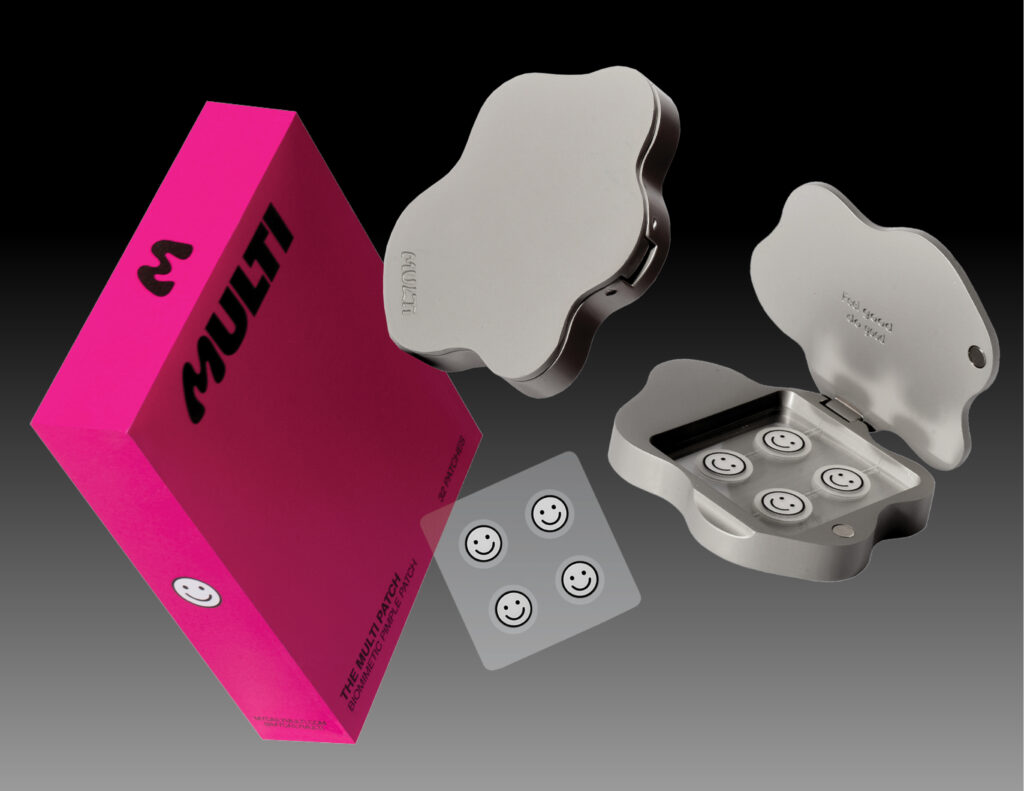
Krupa Koestline, a clean cosmetic chemist and founder of product development company KKT Innovation Labs, defines biomimicry in skincare as a design approach to formulation that draws inspiration from nature. Cosmetic chemist AJ Addae, founder of formulation house Sula Labs and co-founder of biomimetic solutions brand Multi, elaborates that biomimicry encompasses a scientific approach to materials and emphasizes it’s informed by well-studied biological processes or structures. In an era in which science-backed beauty is ascendent, its scientific approach—and sciencey-sounding name—can’t hurt.
“It’s well-studied that the skin is composed of essential lipids, including ceramides. When formulated in a proper carrier system, applying ceramides to the skin can be helpful because the skin recognizes certain constituents native to its health and barrier function,” says Addae. “Hyaluronic acid, ceramides, sodium PCA, glycerin and fatty acids are all structures found within the skin and synthesized by the body.” She continues that biomimicry is “a very effective scientific approach that has been successful in the pharmaceutical, drugs and OTC industries for a long time.”
Popular biomimetic ingredients include squalene, omegas and peptides, a class of amino acids having a big moment irrespective of their biomimetic qualities, as well. Compared to non-biomimetic ingredients, Koestline points out biomimetic ingredients can diminish the chances of allergic responses. “These ingredients are already part of our system, and they can trigger numerous other biological reactions that provide additional benefits,” she says. “For example, using hyaluronic acid can trigger collagen and elastin production in addition to moisturization benefits.”
In recent years, many consumers have damaged their skin by excessively using harsh exfoliants. Now, there’s a desire to undo the damage, maintain a healthy skin barrier and achieve skin balance. That’s where biomimetic, a portmanteau of “bio” or life and “mimesis” or imitation, skincare products come in. Biomimetic ingredients are proliferating in facial serums, creams body care products and even baby products.
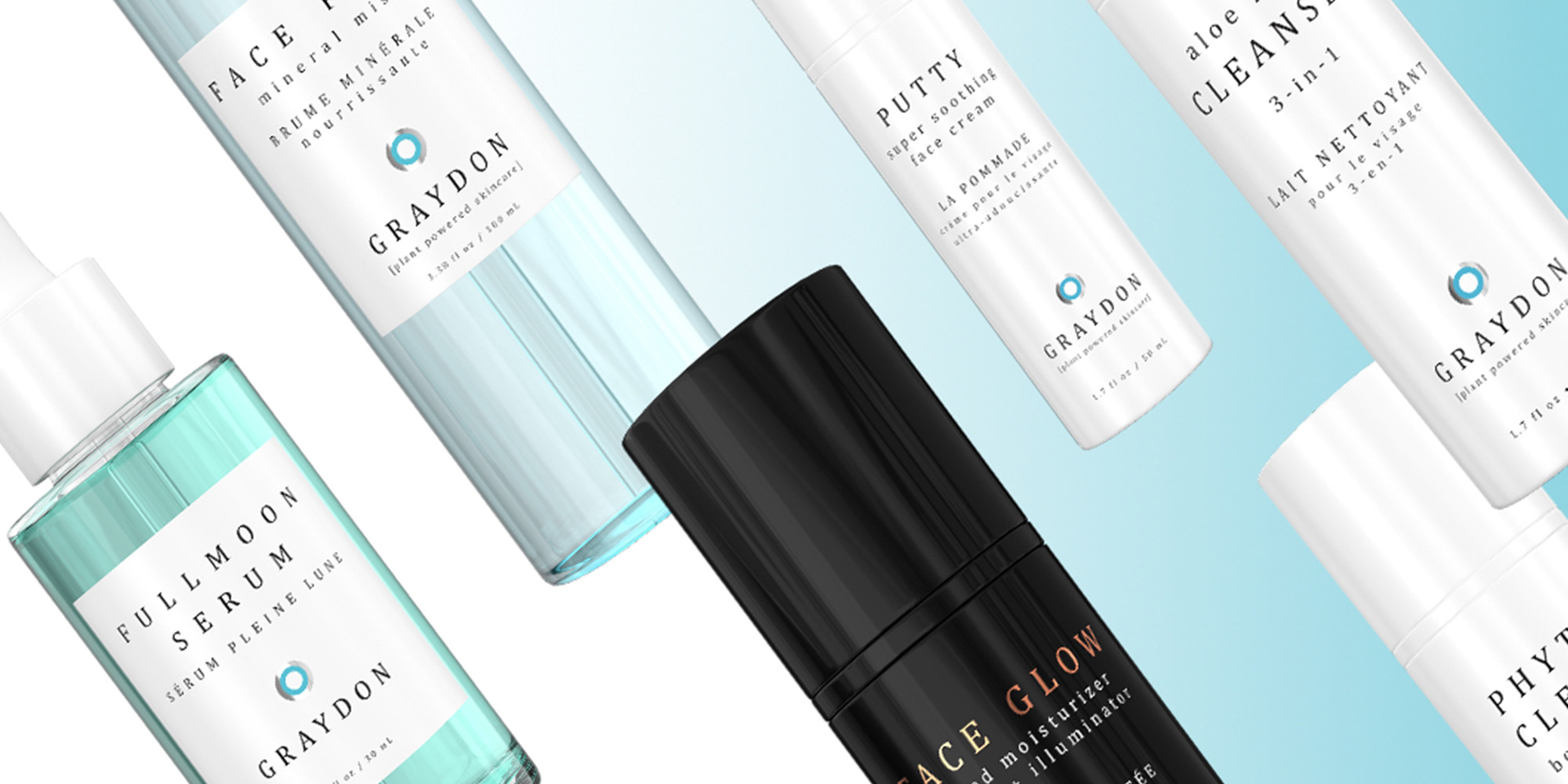
Melach 33 is one of countless brands to formulate with them. Indeed Labs uses a biomimetic peptide, so does Dr. Diamond’s Metacine. Graydon Skincare’s Supermoon Serum incorporates biomimetic ingredients like copper-rich malachite and hyaluronic acid that are similar to ingredients found in the body. The list goes on and on. Moffat says, “We’ve been using biomimetic ingredients in products for years because of how effective and well-received they are by the skin to replenish and support its functions.”
Brands jump on new trends and marketing jargon to drum up consumer excitement and cut through the noise in a packed skincare space. Beyond newness, though, Koestline indicates that biomimicry could have legs because of the potential for biomimetic ingredients to improve skin health. She says actives in products with them penetrate deeper into the skin, increasing their effectiveness, and biomimetic ingredients are suitable for a wide array of skin types.
A downside is that, comparable to clean beauty, there’s no standard definition or regulation of biomimicry in beauty. “It is not a scientifically regulated term, so it’s going to mean different things to different brands,” says Mahar “When I look at the word ‘biomimetic,’ ultimately it means formulating with ingredients naturally found in the body. If you are in the clean beauty space, there are not many ingredients that people would be using that wouldn’t be found there. If someone came to me and said I want to make a biomimetic serum, the first conversation would be around what that means to them. It’s just like clean beauty, it doesn’t mean anything specific.”
Despite the lack of a formal definition, Moffat argues that biomimicry may not lead to the same confusion as clean beauty among beauty consumers. She says, “As a skin therapist working in the industry for over 10 years, the term ‘biomimetics’ has not come up very often, but I think the concept is easy for consumers to understand.”
While there’s an interest in biomimetic ingredients, that doesn’t mean every other ingredient category is on its way out, particularly since some biomimetic compounds can be expensive for brands. McClure says the cost of using ChroNOline was slightly higher than the cost of traditional peptides due to in-depth consumer studies conducted to validate its efficacy.
Where an ingredient comes from factors into its price. Addae says, “For example, vitamin C is pretty pricy, but a plant oil commonly found in nature that is rich in vitamin C can be a quarter of the price. The difference is that one is likely more high quality and effective.”
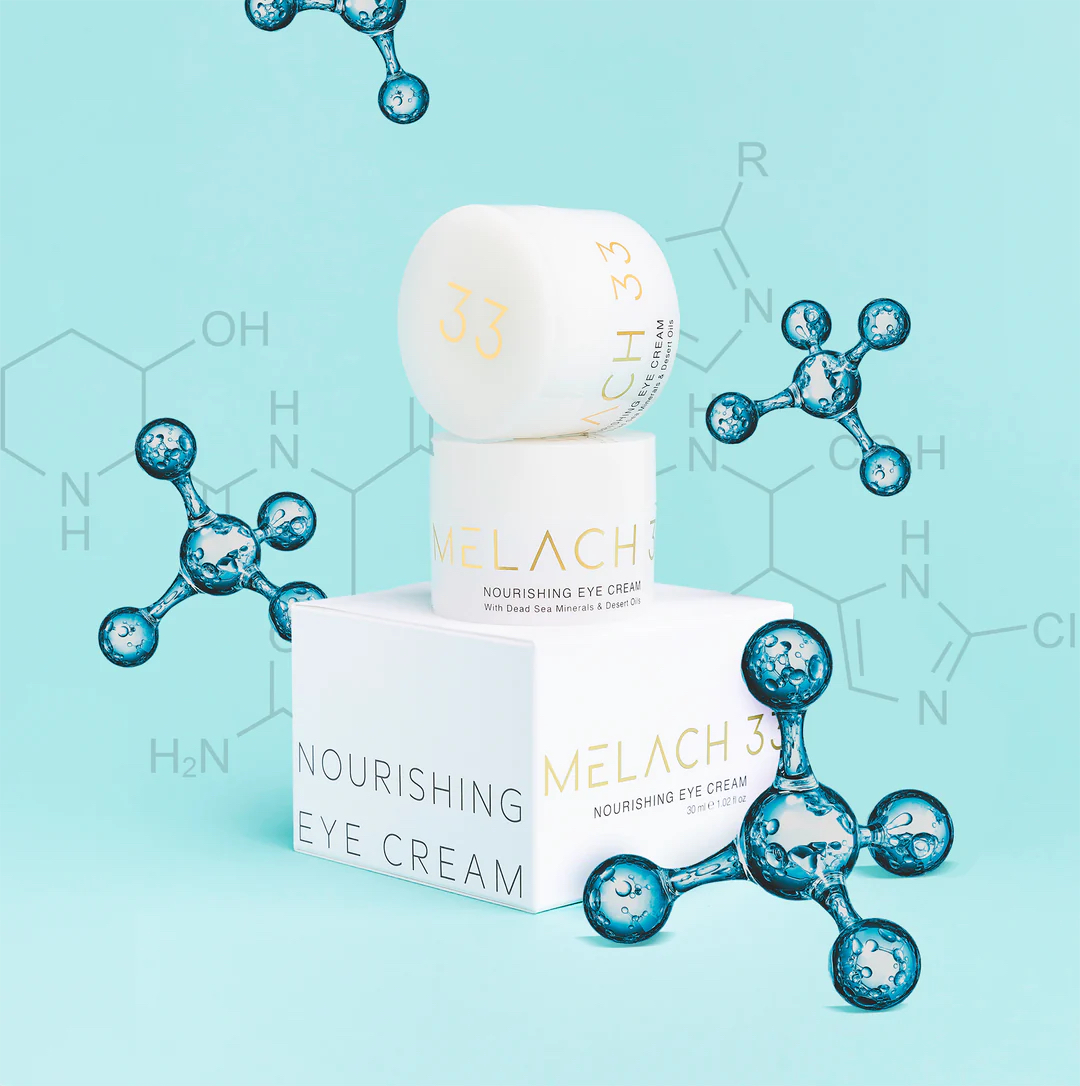
Akin to their usage of non-biomimetic ingredients, brands should pay close attention to the concentration of biomimetic ingredients. McClure shares that early samples Melach 33 had of its Nourishing Eye Cream with ChroNOline contained a low dose of the compound. “It didn’t technically qualify as an intensive anti-aging ingredient, but was considered a skin repair treatment,” she says. “After several samples, we built up to a much higher dosage, landing on a percentage proven to be a powerful, anti-aging treatment, yet still applicable to sensitive skin.”
Numerous brands use biomimetic ingredients—and Koestline and Addae forecast more will do so in the future as the concept grows. Addae says, “Instead of leaning on ingredients that we know and love, I think we will be seeing biomimicry in a wider variety of ‘biomimetic’ ingredients geared towards various vital skin metabolic pathways that we might not be embracing yet.”
Mahar predicts biomimicry will stay in the beauty lexicon like bioavailable and clean beauty have. “At the end of the day, I don’t know that it is very different from anything else that’s already been going on,” she says. “It’s just the next word that represents healthy, clean, and it works.”
The players
5 mentionedUnder Your Skin

Formulate
Momentous
AS Beauty
Deeper