Inside The Minds Of Beauty's Dupe Culturistas And Emerging Counterculturists
Studying social media and store shelves, in-the-know gen Z and gen alpha beauty aficionados have turned hunting for dupes almost into a sport, where the sharpest purchaser wins. Sure, without years of earning under their belts, many don’t have the extra cash for pricy products and a good dupe score saves coins. According to market research firm NIQ, 47% of consumers buy dupes because they can’t afford higher end products. However, 23% simply don’t believe higher end products justify their price.
“I don’t find spending more on the same beauty product worth it,” says Alexis Brady, a 19-year-old teen model with Click Models Philadelphia. Her go-to brands for dupes are SheGlam, MCoBeauty, Embellish Beauty, NYX and E.l.f. Cosmetics, but she stops short of buying complexion product dupes because she thinks the expense of complexion products equates to effort in the development process.
To Brady, the instigator of dupe culture is clear, and it’s social media. “Social media influences and creates all these trends, and a lot of teenagers feel the need to fit into that, all of which gives dupes a stable place in the market today,” she says, adding, “Many of these products are popular on their own yet appeal to teenagers who can’t afford something more expensive or don’t want to spend all their allowance money on a more expensive brand, especially if the cheaper version is all over TikTok and influencers are using it.”

Anna Mayo, VP of the beauty vertical at market research firm NIQ, which has determined dupes keep consumers in the beauty category as their pocketbooks get squeezed and drive product experimentation, concurs that social media is a catalyst for dupe sales. Dupe-related hashtags are attracting eyes on TikTok. Last year, the hashtag #makeupdupes surpassed 1.1 billion views on the platform.
“Consumers can easily find recommendations for specific dupes [on social media], which leads to spikes in sales and online searches,” says Mayo. “These platforms idolize hard-to-get makeup and skincare items, and then push everyone to go on a wild goose chase looking for them. Dupe manufacturers get wind of what’s trending and quickly churn out a cheap version, sparking a frenzy of ‘I need that.'”
Mayo notes 98% of shoppers report they’ve expended their beauty routines due to dupes. She says, “While the presence of beauty dupes may be controversial, they provide quality, affordable alternatives that meet consumer needs without detracting from the growth of higher-priced brands.”
Thirteen-year-old Alli Wills has purchased products similar to trending Drunk Elephant products from Bubble and E.l.f. after initially purchasing from Drunk Elephant. She’s happy with the dupes, but she’s discovered not every tween or teen is. Wills figures, “They want to have the cool products like all the Instagrammers.”
Most pervasive cultures give rise to countercultures, and dupe culture isn’t an exception. It’s spurring a bubbling backlash as some young consumers lionize what they perceive as the authenticity and quality of luxury beauty goods. Survey data from investment bank Piper Sandler shows teen boys increasingly picking up colognes from brands like Valentino and Jean Paul Gaultier. Thirteen-year-old Hank Frisch is among them. He doesn’t use cologne dupes.
“If someone noticed that I was wearing a dupe, I would be embarrassed. I think they would make fun of me, too,” he admits. “Also, I am unaware of any dupes that smell identical to the colognes I wear. Although, if I found one similar that I liked, and if it was cheaper, I would consider using it.”
Perfumes were early targets for dupes. Kristin Bibb, president and chief commercial officer at beauty brand incubator AX Beauty Brands, explains fragrance brands’ lofty markups meant rival brands could churn out cheaper imitations and still take home a decent amount. As a result, copycat fragrances proliferated at discount stores. Bibb says, “As consumer awareness and demand for transparency increased, the broader beauty industry saw an opportunity.”
Recently, skincare and makeup have been dupe culture’s biggest targets. Data from consumer insights firm Spate for the year ended August 2023 revealed 123.5% and 31% spikes in online searches for dupe-related searches connected to skincare and makeup, respectively. In makeup, E.l.f., Aldi, Makeup Revolution and Essence are sought-after dupe brands.
“A lot of it is fueled by scarcity marketing as well as hype,” says Fiona Glen, head of projects at British beauty consultancy firm The Red Tree. “Yet, brands with enough speed to market a dupe at the right time and go all in with volume are fascinating. They also take more risks than other companies in fast-tracking product development, whether that’s ordering multiples of packaging, sorting out the labels at the last minute or ordering packaging before it’s finished with testing.”
Although young consumers steeped in social media are at the heart of dupe culture, older consumers aren’t immune to its allure. Kerry Sullivan, CEO of skincare brand Versed, detects older consumers are chasing more than a bargain with their dupe purchases. “It’s a matter of what works best for them, what performs, what delivers what it says it will, and what they can conveniently find and replenish when needed,” she says. “Consumers are savvy and seek solutions that work for them and their wallet, and there’s no shame in that.”

Wills agrees with Sullivan’s view of different age demographic’s approach to dupes. “Older generations look for good-quality product dupes, while my generation just wants to buy what’s popular,” she says. “Everyone wants to have whatever is trending.”
Not being a direct replica of a product, dupes aren’t considered counterfeits, and catering to dupe fanatics, brands have been open about their dupe prowess. Dossier, for example, highlights the perfumes its products are emulating. The fragrance brand’s Ambery Saffron is inspired by Baccarat Rouge, and its Ambery Jasmine is inspired by Valentino’s Donna Born In Roma.
Bibb predicts prestige beauty brands will continue to feel the impact of dupe culture, which she indicates presents challenges and opportunities. “Dupes can place competitive pressure on brands by offering similar products at lower prices, potentially diluting market share and prompting questions about the value of pricier items,” she says. “However, this pressure also drives innovation within luxury brands, pushing them to develop unique formulations and enhance the luxury experience they offer.”
Despite a subgroup of counterculturists, Sullivan doesn’t foresee dupe culture slowing down. “Call it a dupe, call it an alternative, call it a more affordable find, it’s a matter of semantics,” she says. “So long as the product performs and delivers, consumers will seek it out.”
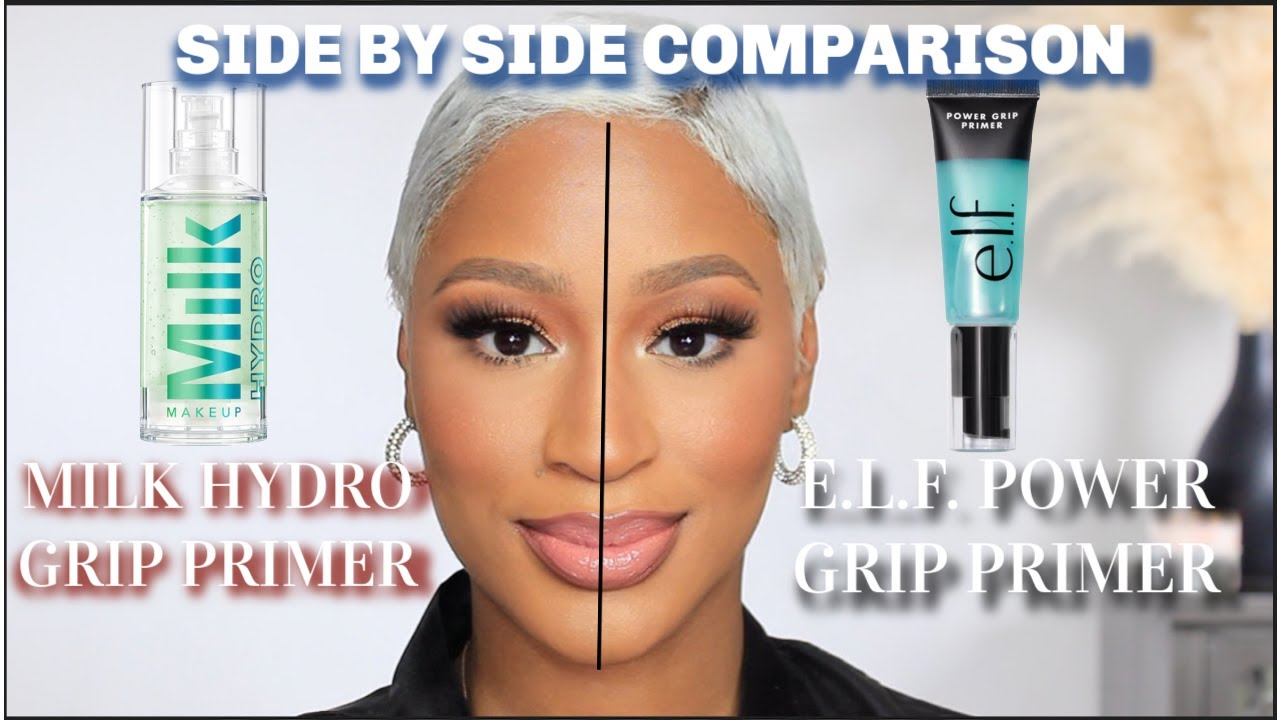
The feature image is from a YouTube video by content creator Ariell Ash.
The players
5 mentionedBubble

Versed
Essence
Formulate
Dossier