Indie Brands Are Making Sexual Wellness More Inclusive For LGBTQIA+ Consumers
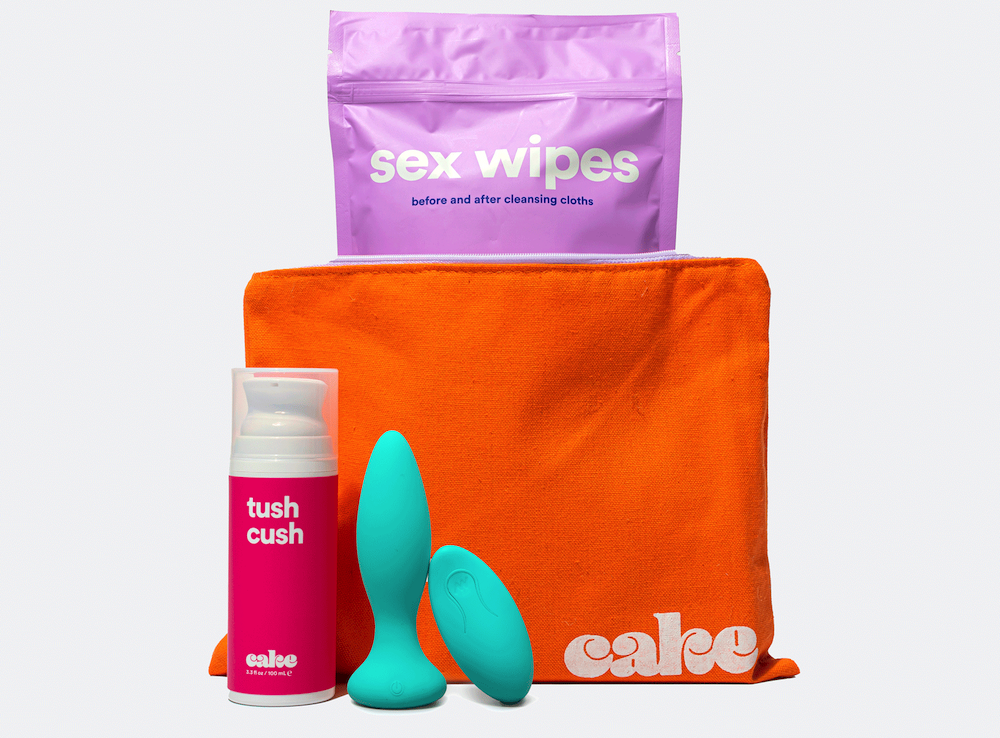
The deficit of products geared toward people with his needs led Okris to create Cake’s product Tush Cush, a lube formulated to make anal sex more pleasurable and comfortable. Cake is among a growing group of brands from members of the LGBTQIA+ community with products and marketed geared to LGBTQIA+ consumers. From brands of all sorts, LGBTQIA+ consumers are being recognized in a sexual wellness segment that’s responding to their rising numbers.
“Products designed for the LGBTQ+ community are so important because, for too long, the sexuality of this population was seen as immoral, wrong or disgusting. In certain parts of the world, and even in the United States, homosexual intercourse is still illegal,” says Shane Allen, vice chair of communications and public relations for Design Industries Foundation Fighting AIDS. “Having your needs and desires reflected in products that are available to buy is important for anyone, not just the marginalized. Companies involved in diversifying products by listening to those often unheard voices are sure to gain immediate loyalists in the process.”
A gay woman, Lauren Johnson founded her sex toy brand BerryLemon to combat the shame she felt around her sexuality. Many of its toys appeal to people of all sexualities, but she’s currently working on products such as strapless dildos and mutual-use toys for lesbians. In addition, BerryLemon’s blog contains sex education content for LGBTQIA+ people. “I want to help all people liberate themselves from limiting beliefs about their sexuality,” says Johnson.
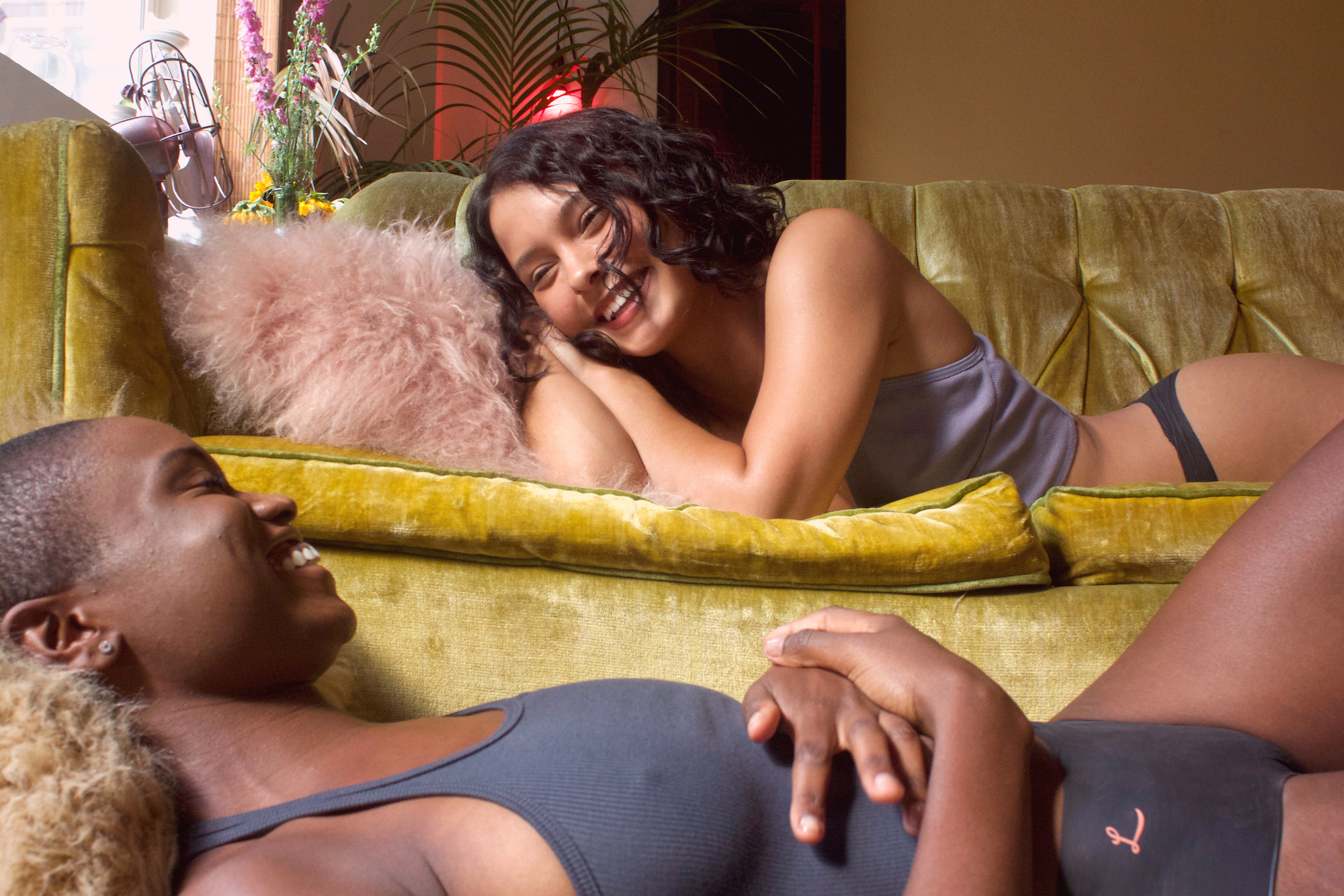
Melanie Cristol developed Lorals, underwear intended to be worn during oral sex for protection from sexually transmitted infections (STIs), based on her personal needs as a bisexual woman. “Women and people with vulvas have been overlooked when it comes to protection, and this has a disproportionate impact on queer women since oral is often a large part of our sex lives,” she says. “The dental dam was an afterthought for condom company owners. It is manufactured in the easiest possible way, nearly identically to dams for dentistry, and very little thought was given to the actual users of the product. Can you imagine if condoms were bowl-shaped and had to be held in place with two hands throughout intercourse?”
Cristol mentions that Lorals are also marketed to trans people who experience gender dysphoria and feel uncomfortable with someone having direct contact with their genitals as well as people interested in rimming.
Future Method, a sexual wellness brand selling anal douche powder packs, rectal washes, a probiotic, and “butt and body” scrub and cream, was founded by two LGBTQIA+ people. Although LGBTQIA+ people have been a core audience for its products related to anal sex, Future Method co-founder and anal surgeon Evan Goldstein notes that anybody can enjoy anal pleasure, and his work encompasses destigmatizing it for straight, cis people. “For too long, anal sex was too taboo to discuss, and therefore too taboo to address in product development or education,” he says.
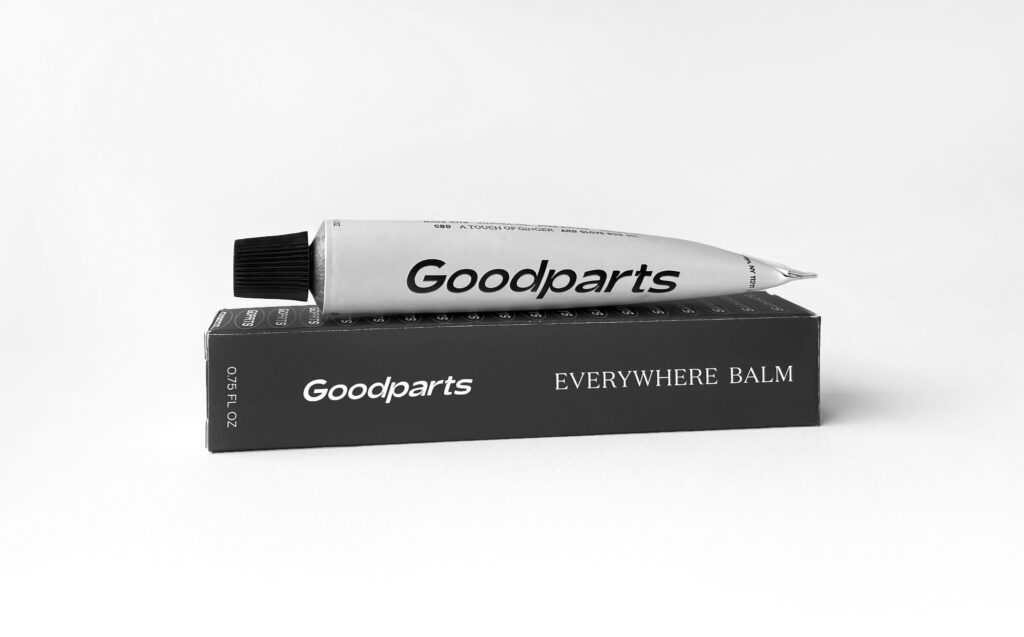
For brands, LGBTQIA+ inclusion often goes beyond tailoring products toward LGBTQIA+ consumers. Dave Shanfield, founder of lube and multi-use body balm maker Goodparts, speaks to LGBTQIA+ people through his brand’s sex-positive marketing. Its Instagram feed is full of frank sex talk and representations of same-sex relationships.
“When you look at how hetero-leaning brands talk about sex, a lot of them resort to using awkward clinical language or positioning sexual wellness squarely within the realm of personal care,” he says. “Goodparts speaks about sex in the same way the queer community talks about it. We don’t need to sanitize it.”
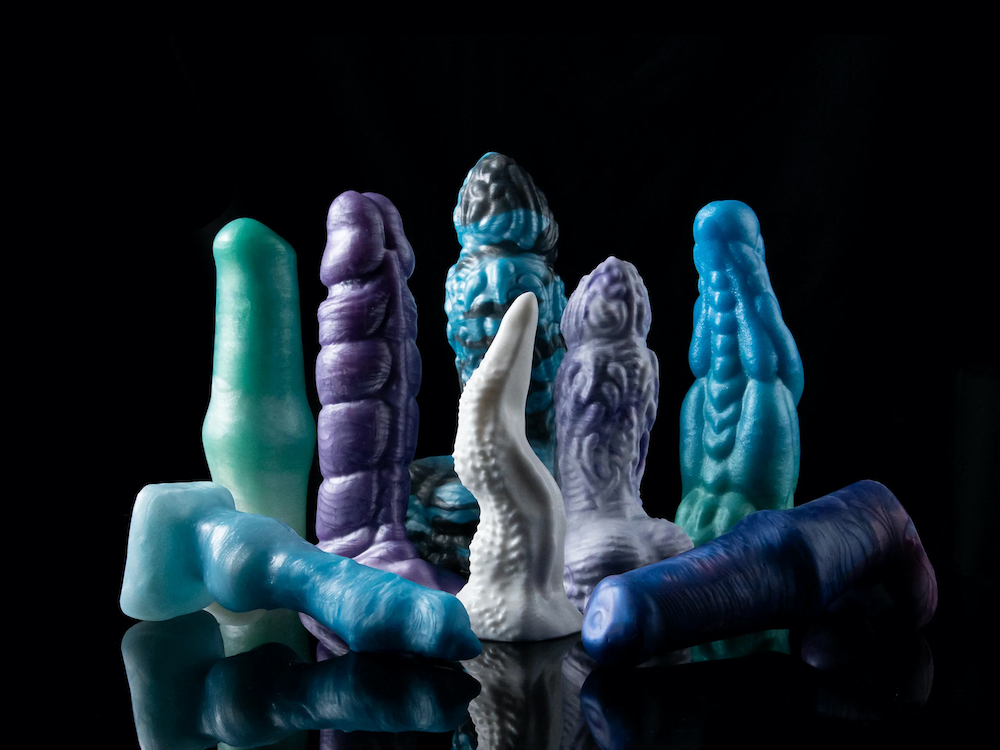
Ryan Myers, the queer owner of Kreature Adult Toys, emphasizes that his brand’s products are for everyone. “We avoid advertising our products as being for men or for women,” he says. “Sexual wellness products can and should be used by everyone, and we show this by eliminating needless gendering of gender-neutral products.”
Inclusive marketing, in fact, is crucial because most products can be for anyone, yet they’re frequently marketed as if they’re only for people of a certain gender or sexual orientation. “The needless gendering of products in an effort to appeal to cis women or cis men only furthers the marginalization and othering of non-cisgender individuals,” says Myers.
Cake strives for LGBTQIA+ inclusion with the naming of its products. Two of its products’ names are Penis Play Duo Kit and Pretty Big Dil Vagina Kit. The references to body parts rather than genders is purposeful to include trans and non-binary people, says Orkis. “We make our products based on individuals’ anatomy instead of gender norms,” he says.
Foria, maker of CBD arousal oil and other intimate products, takes a similar approach. “We make products that are for use on your genitals, and we know that gender and sex don’t always line up,” says chief brand educator Kiana Reeves. “For that reason, we’ve been very committed to inclusive messaging around how our products work and who they are for. If they are crafted for the vulva, the anus or some other body part, we refer to that part, knowing that people of all genders might be using our products.”
For this reason, Foria chose not to market its anal suppositories particularly to gay men. The brand supports nonprofits like the Audre Lorde Project, an LGBTQIA+ organizing center. Last week, it launched sexual wellness products in stores and online at beauty specialty retailer Ulta Beauty.
Created by Cindy Gallop, MakeLoveNotPorn is a website where people upload videos of themselves having sex. Gallop says it celebrates “the full glorious spectrum of human sexuality.” MakeLoveNotPorn has a number of queer and trans employees.
“Our MakeLoveNotPornstars are gay, straight, queer, non-binary, asexual and trans,” says Gallop. “In a world where too many people only learn about sex from porn—and all too often from porn filmed through the straight male lens that, for example, [includes] performative inauthentic ‘lesbian’ sex, fetishizes trans people, etc.—real-world representation is important. If you are in any way homophobic, you think of LGBTQIA+ sex as evil, twisted, and/or perverted. When you have the opportunity to see, on MakeLoveNotPorn, other human beings loving their partners and themselves in a real-world context in the same way you do, I believe that has the power to transform perspectives on people whose sexuality is different from yours.”
Since school-based sex education, where it exists, is typically centered on heterosexual sex, Shanfield says inclusive sexual wellness brands can fill knowledge gaps by educating people about issues related to LGBTQIA+ people’s sexual health. “The LGBTQIA+ community, especially those who are just coming into their sexuality, deserve not only acknowledgment, but resources and information about what sexual well-being means for them,” he says.
Ultimately, the LGBTQIA+ community and sexual wellness brands are fighting for the same thing: destigmatization of pleasure and exploration. “People are understanding their bodies and have more permission to explore, and folks have more access to information than they ever did before,” says Reeves.
It’s sound business for brands to cater to this population as more and more people are openly identifying as LGBTQIA+ and engaging in sexual encounters that aren’t heterosexual. A 2022 Gallup poll found that one in five gen Z adults identify as LGBTQ. “There’s definitely an increasing number of people exploring, accepting and expressing their sexuality,” says Shanfield. “As the community grows, so will our business, which in turn drives general awareness and acceptance of the queer community, making it easier for more people to explore and express their sexuality. It’s a virtuous cycle.”
In addition, the growth of brands inclusive of LGBTQIA+ people stems from a larger concern for diversity. “Consumers are demanding more inclusion from the companies they support, and some legacy brands are freer now to admit they’ve been narrow minded,” says Goldstein. “We’re finally at a place culturally where both people and brands are speaking out, questioning old practices to move the needle in the right direction.”
Brands with products and services for LGBTQIA+ people have to be cognizant of “queerwashing.” Gallop defines queerwashing as being “superficially inclusive while not doing so at the most fundamental level, which is welcoming, valuing, and championing LGBTQIA+ employees and eradicating homophobia in the workplace.” As an example, Johnson says, “I saw some companies who slapped a rainbow up during June, not many that prioritized LGBT voices or demographics year round.”
Orkis points out hiring LGBTQIA+ models for advertisements and marketing materials is a crucial step toward inclusion. “The current trend is to stand out by leaning into non-gender conforming talent in campaigns,” he explains. “Companies believe this signals, ‘We get it,’ even if their brand or products do not specifically cater to that audience’s needs. I don’t mind it because I think representation is a good thing in the long run.”
In order to make products and marketing materials truly LGBTQIA+ inclusive, Cristol emphasizes it’s essential to conduct market research and learn about LGBTQIA+ consumer demands. “For product developers specifically, while I believe market research is crucial when it comes to emerging categories and new markets especially, I also believe in the importance of going beyond that,” she says. “Speak with as many people in the market and category experts and key opinion leaders as possible, who can call out potential problems, opportunities and solutions that you might have missed on your own.”
The players
5 mentionedThe Center

AS Beauty
iS Clinical
Foria
Formulate