Indie Brands Break Into Conglomerate-Dominated Professional Beauty Channel
The professional beauty channel made up of dermatologist offices, aesthetics clinics, spas and salons has particular allure. It’s commanded by experts whose recommendations carry tremendous weight, especially when they’re spread on social media, serves beauty enthusiasts, another engine of powerful recommendations, and is growing faster than the beauty industry overall.
According to Kline, the global professional skincare market has registered a compound annual growth rate of over 8% from 2019 to 2024, reaching $8.4 billion. The United States is the second-largest market behind China. In the first nine months of this year, Circana estimates prestige and mass beauty sales increased 4% and 5%, respectively. As Allure recently pointed out, there are now almost as many med-spas in the U.S. as there are McDonald’s.
But building authority requires discernment, and not just any brand can crack the professional channel. It takes formulas worthy of expert adoption, capital to support distributors or phalanxes of salespeople, and product formats and protocols geared to services. Conglomerate-owned brands like EltaMD, Skinbetter Science and SkinCeuticals and professional beauty-focused brands like GiGi have long dominated the pro channel and established infrastructure for it.
“The barrier to entry to create a skincare brand is incredibly low…but the caveat is the barrier to entry [for the professional channel] is quite high because of all the clinical rigor that you have to bring to the table,” says Eda Levent, co-founder of adult acne brand Cool as a Cucumber. “You’re competing with the SkinCeuticals of the world.”
Despite the barriers, emerging brands like Cool as a Cucumber, Fur, Hydrinity, Bushbalm, Phyla and Tracee Ellis Ross’s Pattern Beauty are carving out spaces in professional beauty distribution with unique products, personal relationships with small business owners and desirable market segments.
Drawing consumer demand, science-forward brands are a solid fit for beauty professionals eager for results-oriented products. Acne-focused skincare brand Phyla landed at Sephora early this year, and while the brand is still stocked at the beauty specialty retailer, its scaling strategy is concentrated on the pro channel, specifically dermatologist offices. The brand has raised roughly $9 million in funding from investors including Shiseido’s LIFT Ventures and Joyance Partners.
At retail, Neil Guigno, CEO of Phyla, says, “There’s just way too much noise out there. We’re competing with what, 2,600 other brands and all their SKUs? No one’s really paying attention to what’s behind the products. So, I never thought that that was the right business model for us.”
Dermatologists are able to explain the science behind Phyla’s ingredients—the brand uses phages or viruses that infect and kill bacteria to fight acne—in a way that’s nearly impossible to convey on Sephora shelves. Phyla has been attending medical conferences to create awareness and seed products to dermatologists and physician assistants, leading to product placement with about 1,800 professionals in the U.S.
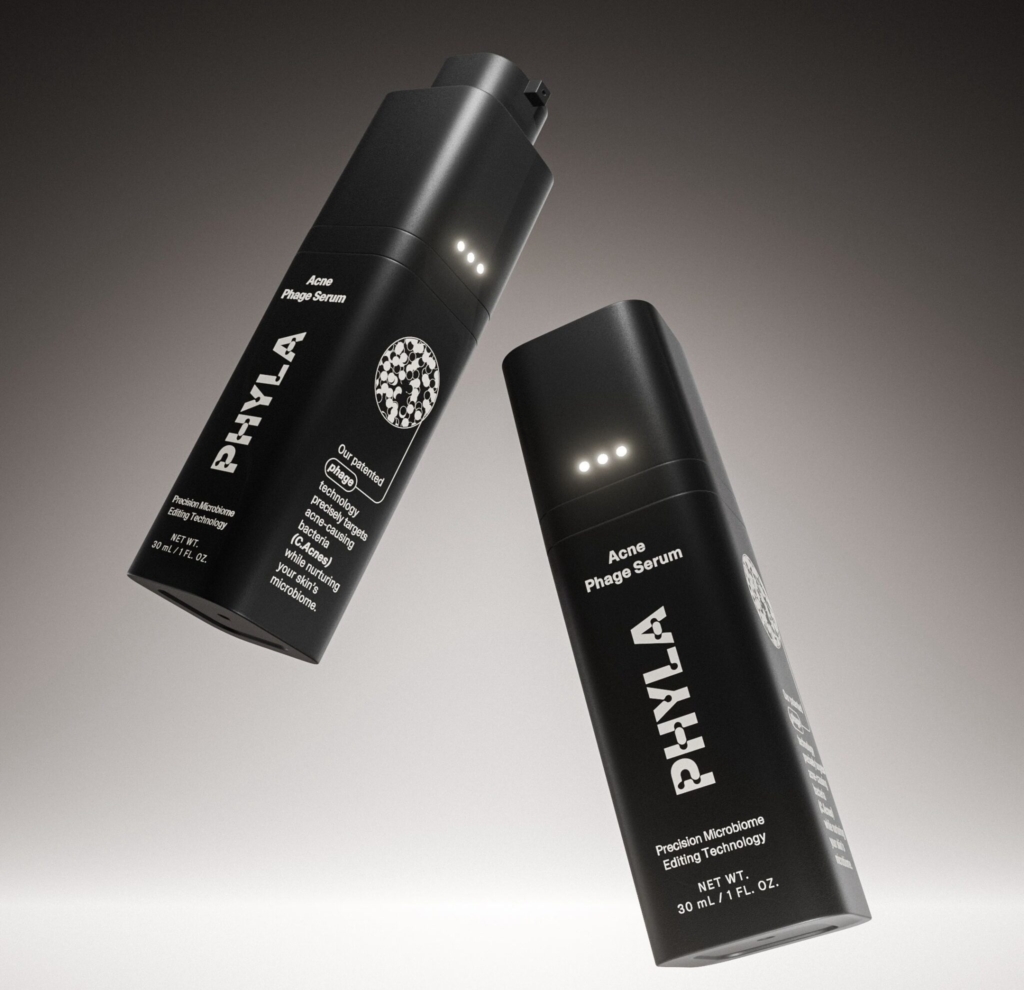
Although the professional channel remains highly fragmented, consolidation is happening, allowing brands to negotiate with centralized organizations. Phlya has partnered with Advanced Dermatology and Cosmetic Surgery to access approximately 160 dermatology offices nationwide.
The brand supports dermatologists with collateral such as lookbooks of before-and-after photos and quotes as well as staff training. For those that don’t want to carry inventory, it creates affiliate codes for its website. The brand’s repurchase rate has hit about 52%, a percentage Giugno predicts could exceed 60% as clinician recommendations mount.
Phyla is exploring larger backbar sizes, developing in-office treatments with supercharged professional-only products for standalone services or add-ons to other in-office procedures. Guigno says they can boost revenue per customer and draw people to service providers.
The professional channel was an early goal for two-year-old direct-to-consumer Cool as a Cucumber, which has three products—moisturizer, cleanser and serum—in its assortment, even before traditional retail. Having dealt with perennial acne, Levent and her sister and co-founder, Serra Levent, understand that acne sufferers seek information, advice and treatments from aestheticians and dermatologists. Today, Cool as a Cucumber manages its professional distribution in-house and meets with customers at trade shows at conferences, although it’s considered a distributor, a full-time sales representative and freelance salespeople.
“At this point, it’s a lot of one-on-one relationship building, and it pays off when we have the right partner,” says Eda. “The approach of slow and steady is our current strategy.”
She declined to share the number of professional channel accounts, but Serra notes Cool as a Cucumber has pitched 250 people while attending trade shows and conferences. Exhibiting at trade shows has cost it $3,000 to $15,000. “It’s the fastest way of getting feedback and learning, and that’s been such a great use of our resources, time and money because you learn so quickly,” says Serra.
Known for its oil for pubic hair, Fur has been erecting professional beauty distribution since 2016 and initiated a backbar program in 2019. The brand has 20,000 salon accounts, and they contribute roughly a quarter of its revenue. This year, Fur projected its professional business would be up 10%. In 2023, the brand told The Business of Fashion it would reach $20 million in sales. In July, it hosted its first-ever Fur Professionals Summit in July at its New York City headquarters. Nearly 200 invite-only aestheticians and hair removal professionals attended the two-day educational event in person and virtually.
“A key when you’re working in the professional channel is real help to these professionals to level up their business. Where we can be a value?” says Laura Schubert, co-founder of Fur. “We think it’s in bringing these educational resources to bear. When you’re a brand in the professional channel, it’s not just about getting [professionals] to buy products; the hurdle is they have to sell through.”
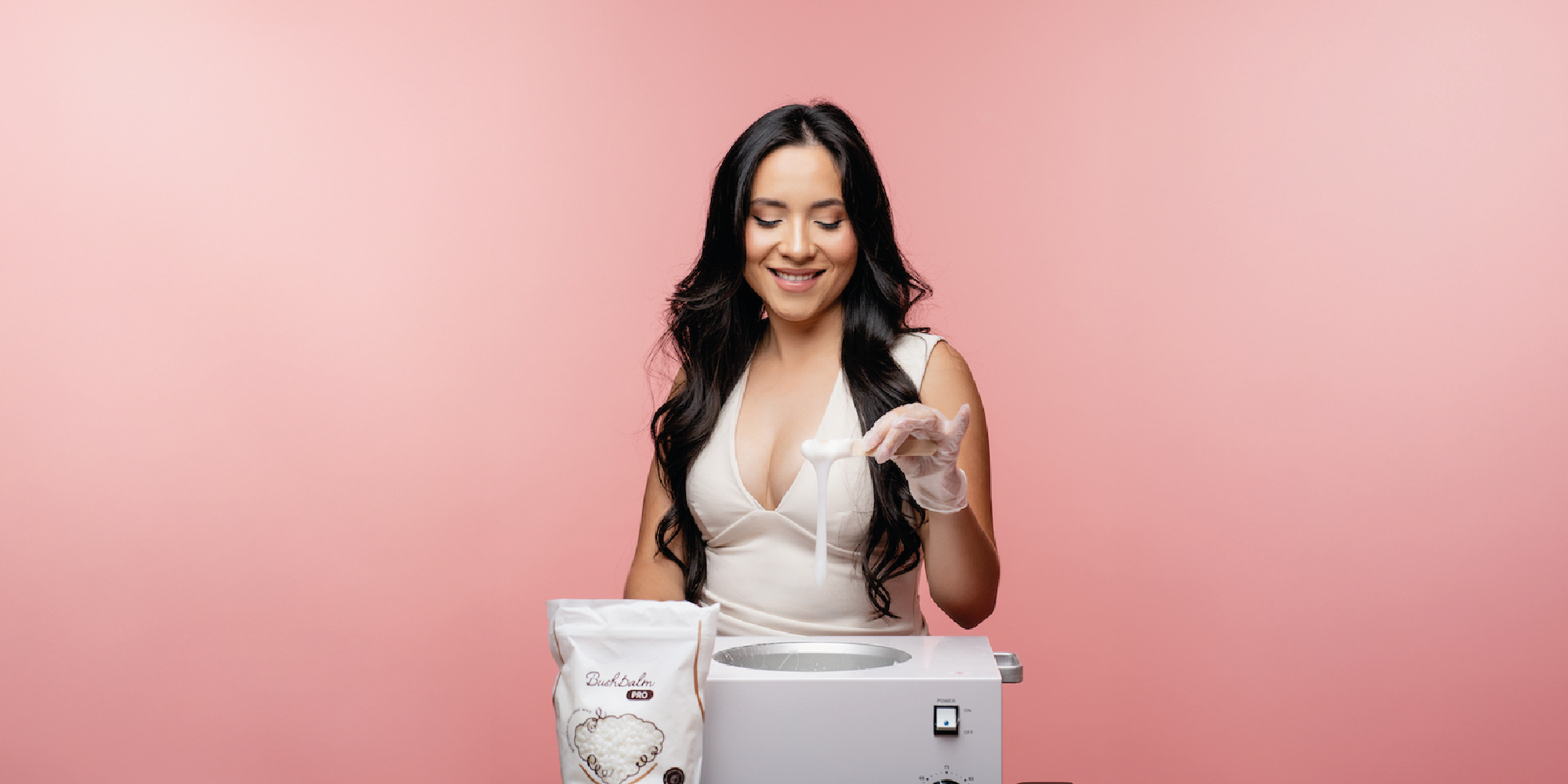
Fur developed hypochlorous acid product Flash Repair Jelly in tandem with select professional partners and released it in June to its professional distribution prior to broadening its availability on its site in July, on Ulta Beauty’s site in September and in Ulta stores in October. Schubert says the three-month retention among professional consumers was nearly 2X Fur’s benchmark. Bushbalm, a hair removal brand sold at Ulta and on Amazon, has created a post-treatment hypochlorous acid spray exclusively for the pro channel.
Bushbalm held its first pro summit in October, gathering 125 professionals in Ottawa. The event was inspired by Apple’s famous product launch conferences, featuring sleek video product reveals combined with live demonstrations, networking and expert panels. Bushbalm launched in 2016 and expanded to the pro channel in 2020, when it was ready to handle the capital expenditures of supporting the channel.
According to Bushbalm co-founder and CEO David Gaylord, custom technology like a dedicated customer relationship management platform and Shopify applications can cost $50,000 to $100,000. Bushbalm also invested about $50,000 to develop professional-only stockkeeping units such as backbar and treatment products. Bushbalm offers over $1 million in pro-exclusive inventory. Gaylord says, “To play in the pro channel, your product assortment needs to be tailored to it.”
Bushbalm is in 15,000-plus independent locations in the pro channel across Canada and the U.S. The brand expects the channel to contribute 40% of its revenue in 2025 and anticipates it will climb to 65% to 70% of revenue in 2026. Notably, BushBalm handles distribution and professional management in-house, and the brand is adding between 300 and 400 salon accounts per week.
Within the next three years, Gaylord says Bushbalm’s objective is to expand to over 50,000 waxing salons and for professional customers to request it by name. This year and last, the Bushbalm team attended six trade shows and plans to attend eight in 2026. Furthermore, it plans to host four to five regional trainings in 2026 similar to its October summit, but with a greater emphasis on education rather than products.
Gaylord says, “When people think of waxing, they don’t think of any brand, so our goal is that if you’re going to get a wax, the first thing you will think of is [Bushbalm], the less painful wax.”
The players
5 mentionedAS Beauty

Davids
iS Clinical
Ulta Beauty
Amazon