Indie Beauty Snapshot: A Dozen Trends Bubbling Up In The Third Quarter Of 2021
It may seem like people quitting their jobs en masse has little to do with beauty industry, but the reevaluation of life priorities happening has effects beyond resumes. Things believed to make people happy (e.g., career accomplishments or flashy purchases) haven’t been making them happy. Reducing people to positions on an org chart or the dollars they can earn and spend doesn’t offer fulfillment. That reductionism has crept into beauty. As the digital universe increasingly subsumed beauty and shopping, data points (AOV, LTV, CAC, etc.) came to dominate interactions between companies and people. Even the notion of community has been commoditized for e-commerce purposes.
As we thought about the movements influencing indie beauty now, several of them such as a reappraisal of single-ingredient skincare, a reimagining of merch and a yearning for permanence from packaging pull back from the most remunerative elements of the beauty business. Can brands make money without what they do being all about money? Can beauty be empathetic? Can it provide meaning and not simply stuff? Those are the questions we’re pondering as 2021 draws to a close. Here are a dozen indie beauty trends that touch upon them and other questions about the state of beauty consumption and society.
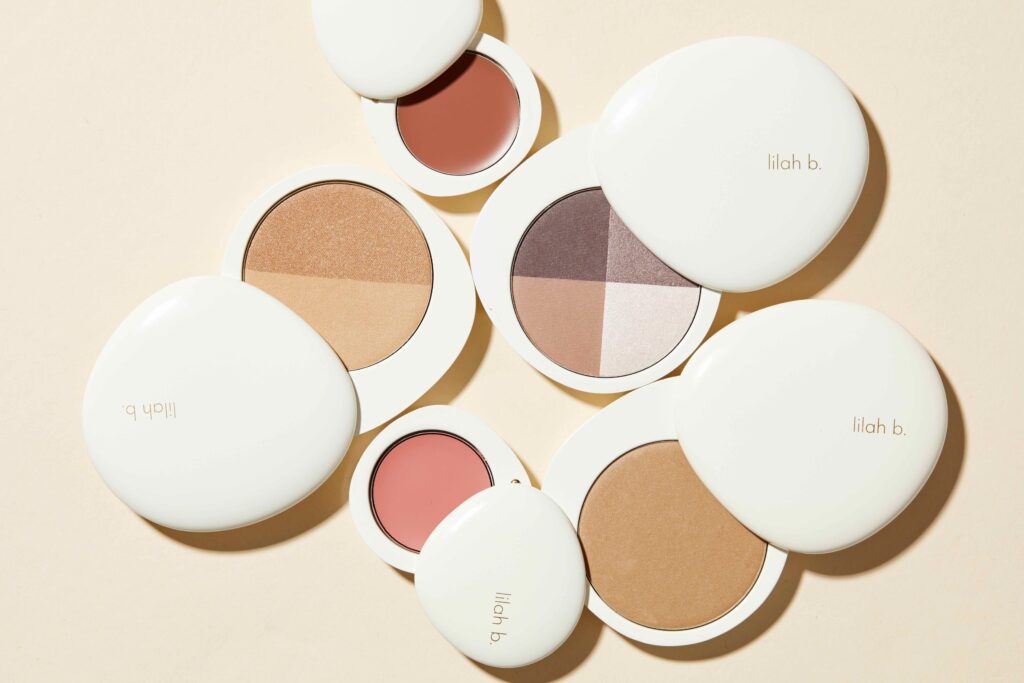
As many brands churn out disposable products to chase the latest TikTok trend, a growing group of brands is crafting beauty packaging with elegance and a sense of permanence. The packaging doesn’t generally scream on social media. It’s designed to be minimal and not overly logoed. The audience for it is often in-the-know people who want investment pieces, not something that makes them cool for a second to social media followers.
“Beauty products have not had a permanence to them in a very long time, but that’s changing,” says Jamie Rosen, wellbeing editor at retailer The Conservatory, where she is interested in “considered luxury.” “There is an innate draw our customers have for vessels and jars that do not have obvious labels, but rather look visually harmonious with what’s already in their home, not just their medicine cabinet. There is a calmness to looking at these and using them as well.”
Rosen spotlights Anastasio Home’s gorgeous scalloped marble 810, Bud and Box trays, which lend themselves to perfume, Less’s Ceramic Container, Nuori’s Getaway Travel Case Set, Nature of Things’ Nourishing Body Crème and Costa Brazil’s Resin de Breu as examples of product construction that stand out. Other brands that have packaging with both substance and style are Oquist Cosmetics, Fluff, Nakie Coquette, Lilah B., Kjaer Weis and Uma, which houses its new Pure Love Organic Perfume Oil in an ornate, almost throwback bottle with a hand-blown and hand-painted glass applicator and receptacle encased in a brass molding and topped by a crystal ball.
Lilah B.’s pebble-like Zamac compacts were inspired by iconic jewelry designer Elsa Peretti’s pieces. Lilah B. founder and CEO Cheryl Yannotti Foland says, “They are objects to be kept, collected and cherished, not utilitarian, but an art piece at a time where we embrace what has a permanence in our lives, not just things that are quickly and easily discarded as soon as we are done with them.” Lilah B. will have refills to slide into its compacts next year.
Fluff’s Zamac Lip Oil compact is based on Art Deco vanity and cigarette cases. “Women would covet these pieces and keep them on display or as a show of social status when out with friends. Today, wearing Fluff or placing your Lip Oil pocket cloud on the table says, ‘This is what I care about, this is how I feel about beauty and my identity,’” explains Fluff founder Erika Geraerts, adding, “We’re definitely seeing the industry catch up to beauty products as an art form or extension of an individual’s values or identity just as a piece of clothing, jewelry or an accessory would be.”
From bathrobes to beanies, beauty brands have been flooding the market with merch. It gives them another way to immerse their fans in their businesses and galvanizes them to spread the word to friends. But the vast production of merch isn’t without consequences.
A recent article in The New York Times headlined “The Cotton Tote Crisis” cites a 2018 study by the Ministry of Environment and Food of Denmark finding that “an organic cotton tote needs to be used 20,000 times to offset its overall impact of production.” The article says, “That equates to daily use for 54 years—for just one bag.” Cotton cultivation is water intensive and, if the cotton isn’t organic, pesticide intensive, too.
Jessica DeFino, the skincare writer and beauty culture critic behind The Unpublishable, suggests beauty brands should ask themselves a series of questions as they contemplate whether to release merch. “Is this merch absolutely necessary to my business model? If you aren’t a business that sells clothing/accessories, the answer is no,” she says. “What is the environmental impact of this merch, from production to disposal? Is there some sort of important message emblazoned on this merch, and if so, will its social impact make up for the environmental impact? Does this merch better the world or just my own business?”
It’s not just brands that should be thinking about the environmental impact of merch. DeFino says, “Consumers should realize that branded merch is brand marketing that you foot the bill for. Merch essentially acts as a billboard, for the brand specifically and for consumer culture in general. When you wear the merch, you are transformed into a walking advertisement.”
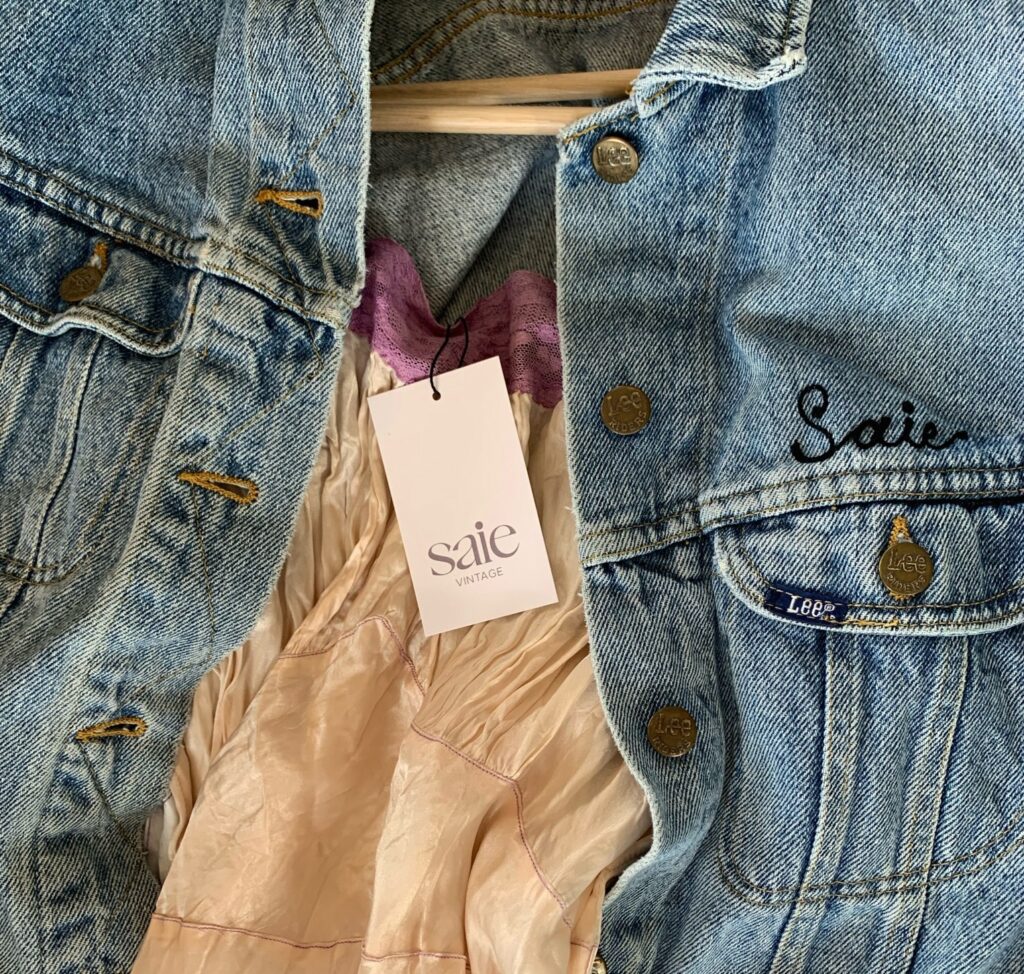
There are signs that a new attitude toward merch is emerging. Not only is there more coverage of environmental fallout from the cotton that goes into totes, towels and more, but beauty brands are starting to reimagine how they can stretch outside their core product competency. Saie’s vintage program is case in point. Starting with Large Lemonade, Evelina Vintage and Kikos Kloset, the clean cosmetics brand is collaborating with three vintage specialists monthly on collections of previously owned apparel. A Byrdie story on the program heralds it “anti-merch.” Byrdie senior news editor Madeline Hirsh enthuses Saie “reinvents the merch paradigm.”
The Ordinary, The Inkey List, Naturium and countless Amazon native beauty brands driven by ingredient search terms have centered skincare conservations and commerce on key hero ingredients such as niacinamide, retinol and vitamin C. The strategy has been powerful. Products focused on specific ingredients tend to be easier to develop and less costly to produce than balanced blends, make a splash in social media posts and the traditional press, and encourage multistep routines cobbled together from an assemblage of items.
With the beauty market awash in single-ingredient skincare, its star may be fading a bit. Speaking with Beauty Independent about this month’s CVS launch of LilyAna Naturals, an Amazon-born brand with Vitamin C Serum and Retinol Cream among its bestsellers, Retta Abraham, CEO and managing partner of LilyAna owner RDM Partners, says, “I don’t know that it’s going to be as strong as it has been in the past. Obviously, there will be trends of new products and ingredients that catch the consumers’ attention, but I think that brands are quick to pick that up and experiment with new products with their existing consumer base.”
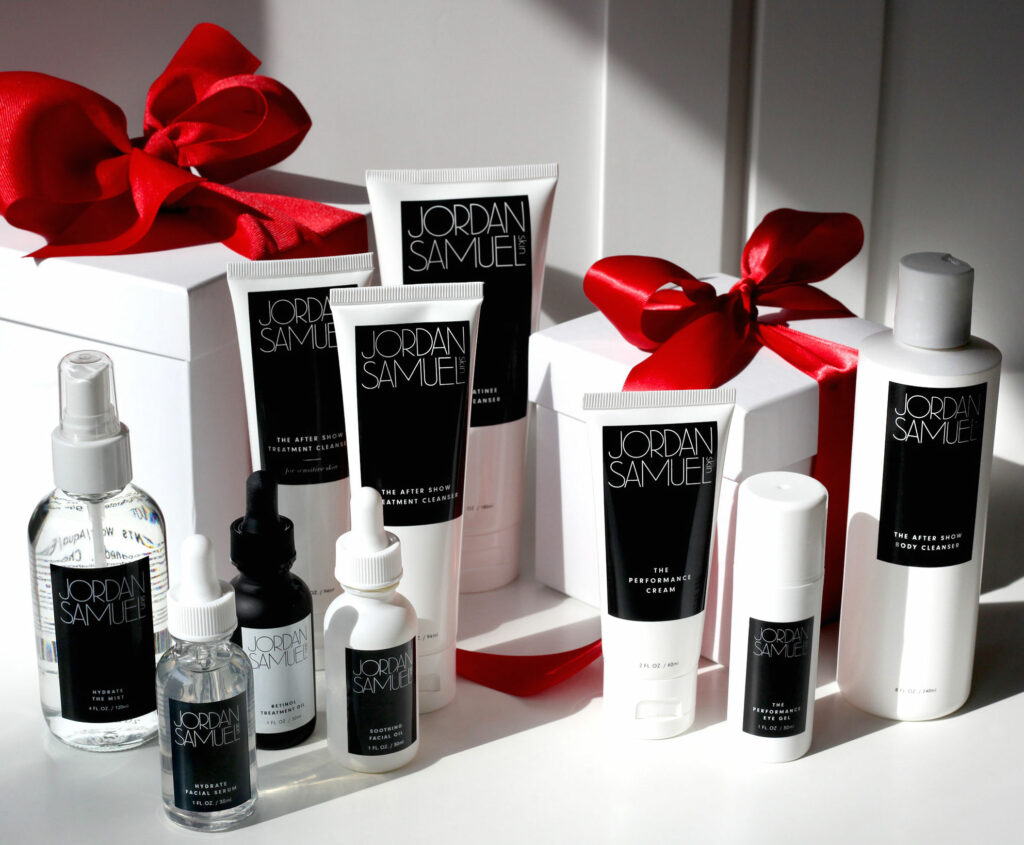
In a candid interview with InStyle published in August, Jordan Samuel Pacitti, an aesthetician and founder of a namesake skincare brand, identifies the trend of single-ingredient skincare products as one he’d like to see die. He expounds, “People get hell-bent on them, and instead of using a single product, they end up using six. It’s created a buying frenzy, and more often than not, creates further skin issues and concerns.”
Elaborating about his views on single-ingredient skincare, Pacitti predicts the skincare market will eventually tilt toward well-rounded products, but the shift will require extensive consumer education on the part of brands. He says well-rounded products “are here already. They just aren’t the flash in the pan, trendy single ingredient-focused products that are taking over the airways. I think having smarter distribution channels and not overextending can help brands keep pricing tighter to create well-formulated products that are more accessible for consumers.”
Pacitti continues, “This will be a slow build, though. Just as we are now sucked into headlines, clickbait stories, etc., we are also reeled in by the marketing tactics behind trendy beauty and trendy ingredients. This is precisely why consistency in education is going to be so crucial in moving the industry in this direction.”
An early wave of products tackling the circumstances of the work-from-home existence of millions of pandemic-era employees zeroed in on people’s persistent exposure to blue light emanating from screens and the skincare impacts, however miniscule, of it. But blue light is among a host of issues stemming from work environments at home. There’s indoor air and the manners in which people have contorted themselves for hours upon hours sitting in their home office chairs or beds.
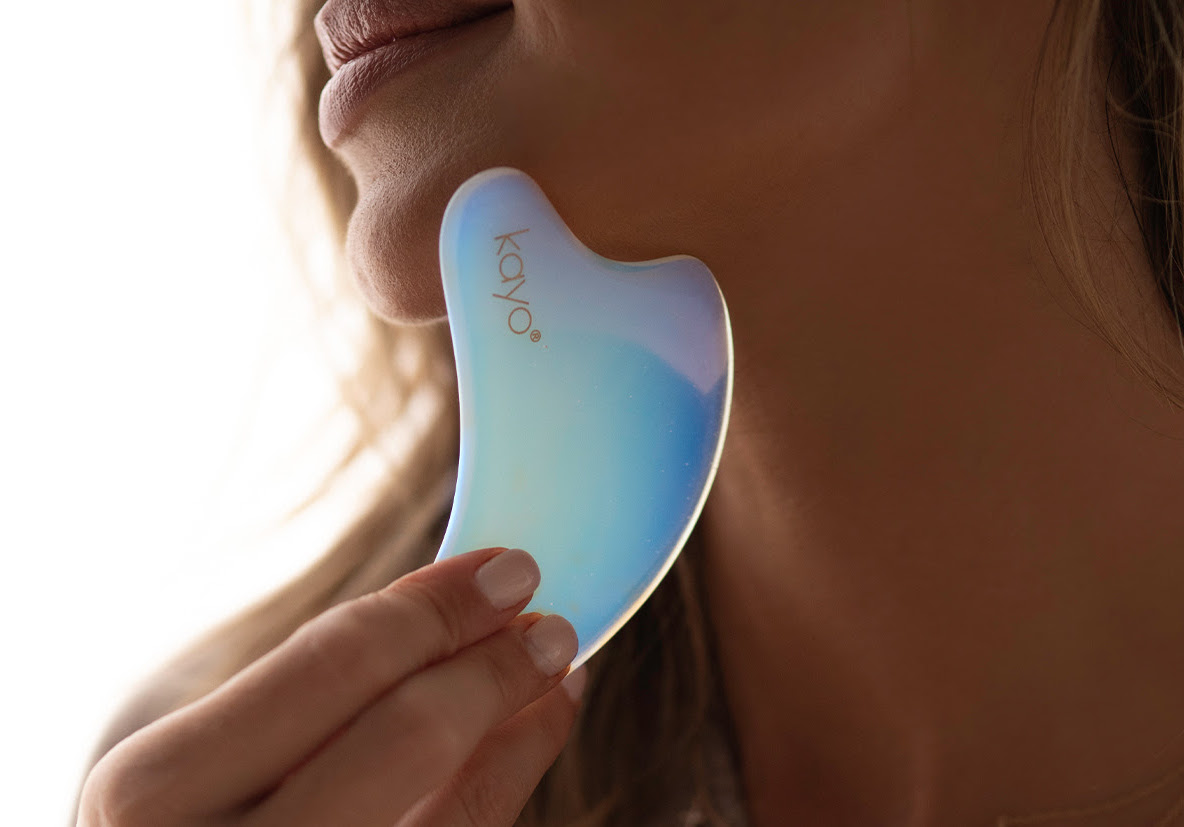
New products are being developed to tackle the bodily harm being done from makeshift work setups that have become mainstays. In addition, brands are highlighting that their existing products can be good for bodies ravaged by work-from-home arrangements. Kayo is paying attention to the neck, an annoying appendage in the work-from-home age since it’s perpetually angled and frequently aching, with its Age Defense Neck Cream and Neck Sculpting Gua Sha. Pursoma has bath soaks to soothe bodies sore from Zoom-ready postures.
Shannon Vaughn, founder and CEO of Pursoma, notes talking about the help her brand’s bath soaks provide for work-weary bodies widens its audience. “This is where our male customer comes in and where bathing becomes genderless,” she says. “Women [traditionally] took baths. They took care of themselves and gave their children baths. Now, we see a lot of male activity in our business where men are taking a lot of baths because they’re on the computer all day.”
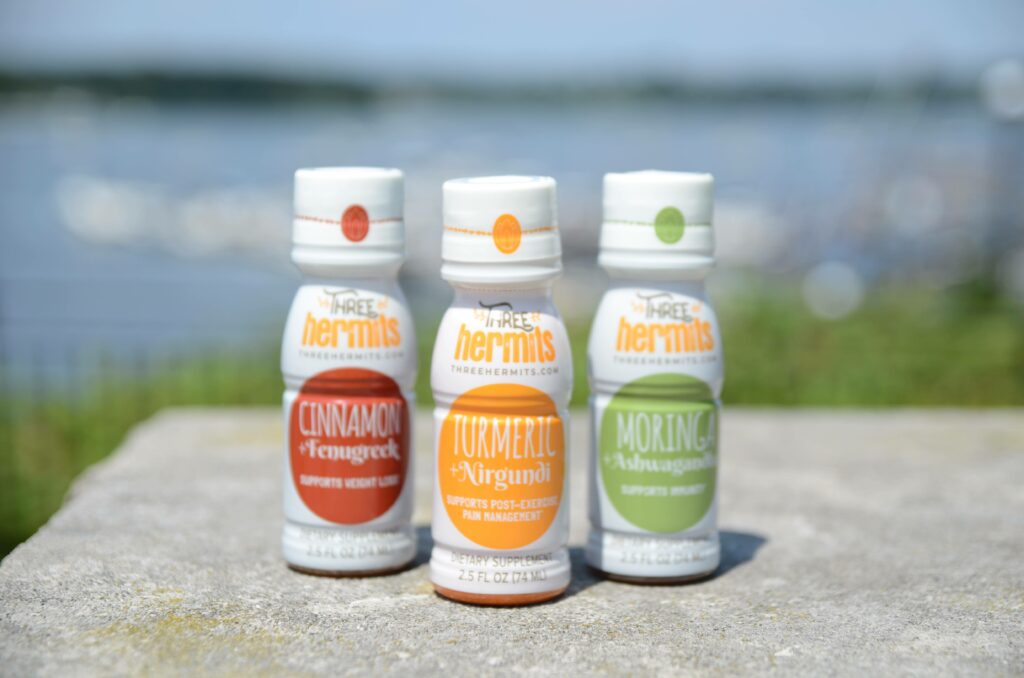
As consumers embrace the healing properties of food, brands are bringing health benefit-packed bite-sized supplements to market in the form of “shots”or mini wellness drinks formulated with plant-based ingredients to provide targeted remedies. After supplying natural and organic ingredients to the U.S. market for over ten years, Divya Singh and her husband launched Three Hermits in 2019 with a trio of Ayurvedic wellness products. The brand’s 2.5-oz. elixirs—Cinnamon + Fenugreek, Moringa + Ashwagandha and bestselling Turmeric + Nirgundi—are available on its website. Three Hermits is currently finalizing retail relationships and expects to have products in stores by the end of the year.
“Consumers are looking for convenient nutrition in such a fast-paced world,” says Singh. “The idea of being able to drink a small, nutrient-dense shot is appealing. We believe that eating healthy should be easy, tasty and enriching. With each Three Hermits shot, you’re getting your daily vitamins and full servings of the key ingredients in a shelf-stable 2.5-oz. bottle. They are perfect for nutrition on-the-go.”
Founded in 2010, Shire City Herbals has gained a loyal following for its Fire Cider varieties and Elderberry Tonic, which consumers can imbibe in shot-sized doses once or twice a day. The brand’s original Wildflower Honey Fire Cider is its bestselling variety and features a spicy mix of superfoods, including ginger, horseradish, onion, black pepper and garlic. To pump up the flavor and nutrients, Shire City Herbals adds habañero peppers for heat, turmeric for zing, and lemons and oranges for a citrusy tang.
“We believe in the healing and restorative power of food,” says Shire City Herbals CEO Kimberly Allardyce, adding, “The shot format is an easy way to incorporate our product into a daily wellness routine.” Shire City Herbals is stocked at over 4,000 doors nationwide, including H-E-B, Sprouts, Fresh Thyme, Wegmans and Erewhon as well as Amazon and its own site.
Another wellness shot specialist is Reset Bioscience. The brand has taken the maximum bioavailability approach it uses for its CBD products to create a range of five Wellness Shots offerings: Immunity, Energy, Brain Health, Hydration and Beauty. The Wellness Shots are available for preorder on Reset Bioscience’s site. The brand promises their formulas are superior to the sea of similar liquid supplements thanks to an iposome-based Santé delivery system developed in partnership with research organization Santé Laboratories.
In the past year, sexual pleasure and play products have debuted at an array of retailers, from mass to prestige. Investors have also poured millions into the sexual wellness category’s most exciting emerging brands, including Maude, Dame, Lora DiCarlo and Cake. And the category is getting even more exciting as imaginative brands are introducing lubricants that make K-Y look completely dry.
Pastry chef-turned-brand founder Kate McLeod didn’t intend to round out her assortment of solid face and body care beauty products with a lube, but a test drive let her know Sex Stone, her latest release, had to become a reality. “I kept everything simple, natural and food-grade. I used to joke with friends that you could eat a Body Stone or that it could literally go anywhere,” says McLeod. “One evening my husband pointed out that we had never actually tried what I was insulating, so that night we did—and wow.” She adds, “There is nothing awkward about using a Stone, no pumping, squeezing or squirting. Rather than take you out of the moment, the Stone’s application enhances intimacy.”
Suggestive name aside, Original Boner Gel isn’t just a sex product. It’s below-the-belt skincare for men—with benefits. Manuel Deran, founder of OBG maker Sonato, spent a year and a half perfecting the rejuvenating and erection-assisting oil-based formula. It contains butea superba, an herb native to Thailand that’s long been used topically as an aphrodisiac. “Original Boner Gel provides men with a skincare product that gives lasting health benefits and Viagra-like erections, while also doubling as a lubricant,” says Deran. “With continued use, men will see their goods thicken and grow, blood flow enhanced and stabilized, regulated penis function, and wrinkles removed to keep your package looking young.”
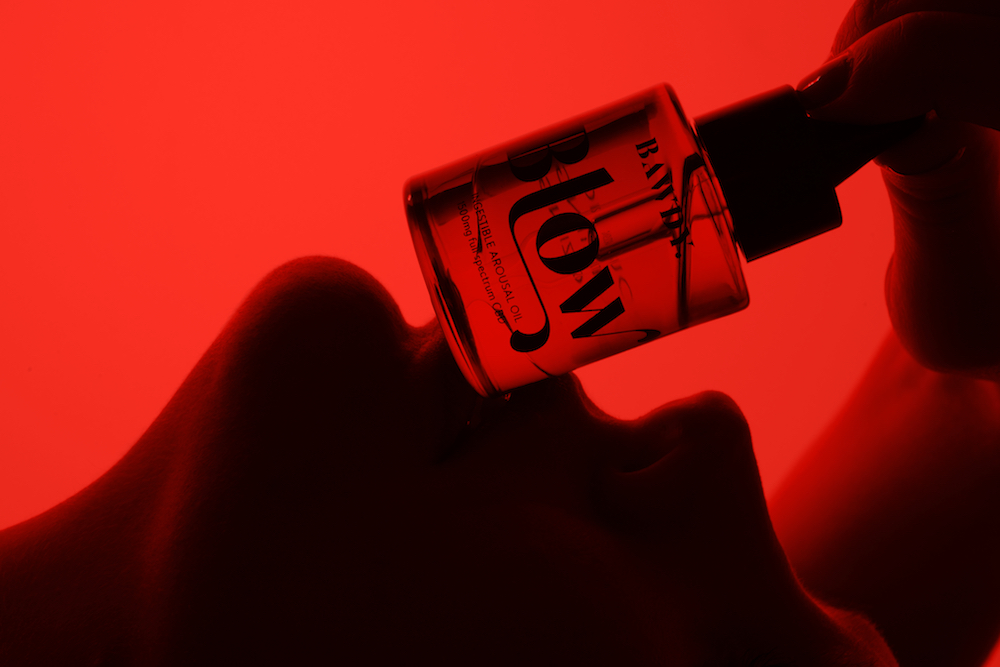
Bawdy, known for its butt mask, is getting intimate with Blow, an edible, vegan, cruelty-free, fragrance-free, paraben-free and PEG-free USDA-certified organic lube enriched with full-spectrum CBD and CBG. “I am on a mission to give blowjobs a fresh and powerful light, not a dark-alley stigma,” says Bawdy founder Sylwia Wiesenberg, continuing, “The original butt masks were, for some, an uncomfortable beauty routine. It’s the same with Blow, it’s an uncomfortable discussion that I want to de-stigmatize and open.” Expect more pleasure products to join Bawdy’s intimate lineup soon. Wiesenberg says, “I want the category to be powerful and integrate body skincare with your bedroom.”
Supplement brands have their sights set on optimizing functions of the liver, the body’s detoxifying powerhouse. Recent launches from Collective Laboratories, The Beauty Chef and Aila tout liver-boosting benefits through the inclusion of ingredients like milk thistle, bee pollen and hibiscus. The rebranded wellness range Remrise, which launched on Goop this month, has glycine in its revamped Sleep Powder to protect the liver from alcohol damage.
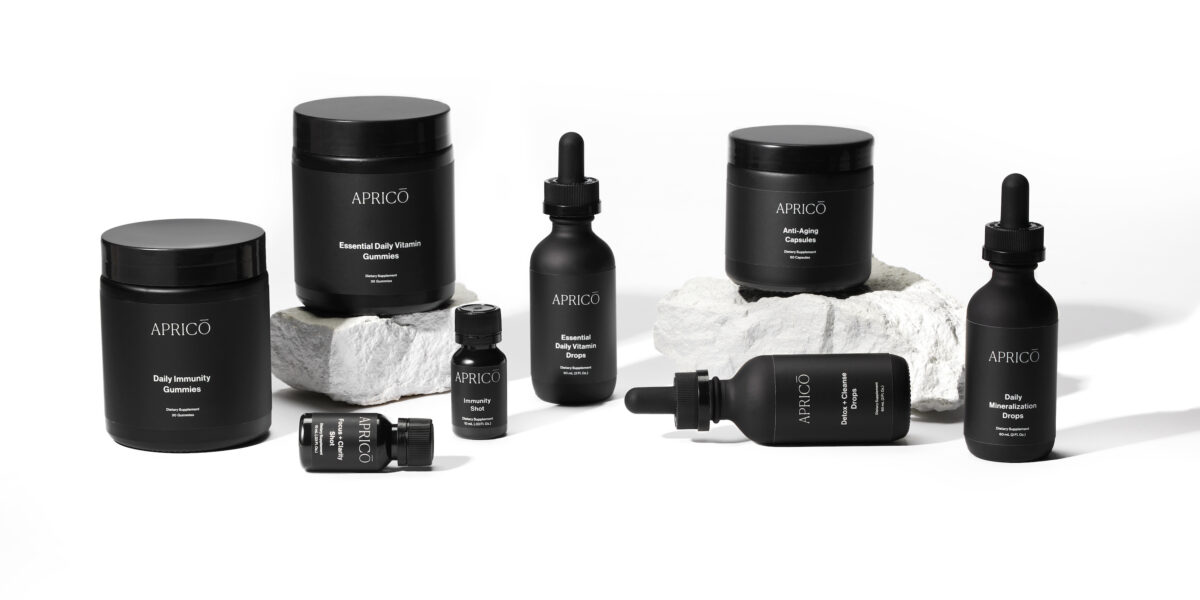
“We are inundated with toxins on a daily basis, from the food and water we consume to the air we breathe, and this can overwhelm our body’s natural detoxification system,” says Christopher Shade, CEO of premium supplement range Apricō. “Because of this, it’s important to regularly cleanse the body of these toxins and support liver health. [Our] Detox + Cleanse drops contain plant compounds that have been scientifically shown to support natural detoxification.” Apricō launched earlier this month with 14 wellness drops, gummies and capsules designed to enhance liver function, and hydration, immunity, sleep, energy and more.
Clean beauty brand Mara partnered with natural grocer Erewhon on The Mara Skin Detox tonic, a smoothie-like drink made with subtly vanilla-flavored Algae Mineral Skin Detox powder. The tonic builds upon the success Mara has had with its supplement Sea Vitamin C Glow. Founder Allison McNamara says, “I’m not a doctor, but it’s common knowledge that everything we consume as well as everything absorbed through the skin or breathed in, is processed by the liver.”
Shade agrees. “Your body’s detoxification system is complex and needs far more support to cleanse itself than what a juice cleanse or dietary change can offer alone,” he instructs. “We see a growing demand among consumers for clean, science-driven and trustworthy products that improve the body’s everyday health functions without being a lifestyle burden.”
When sex-forward lifestyle retailer Goop premiered its libido-boosting DTF supplement this month, people didn’t bat an eye. DTF was just the splashiest product in a stream of products that promises to put consumers in the mood. Prior to DTF, Sex and good debuted with The ‘OMG’ Formula, a daily supplement it affectionately likens to herbal viagra. In the months since the brand’s launch, the product has become a bestseller.
Solutions have materialized for pill-averse people, too. Traditional Chinese medicine doctor-cum-brand founder Janine Mahon says she formulated her brand’s anointing oil Libido Vita to “awaken the heart, activate the libido and encourage a powerful sense of well-being.” It’s supposed to be applied behind the ears and down the sides of the neck to interact with acupuncture points believed to be gateways for healing the physical and emotional body.
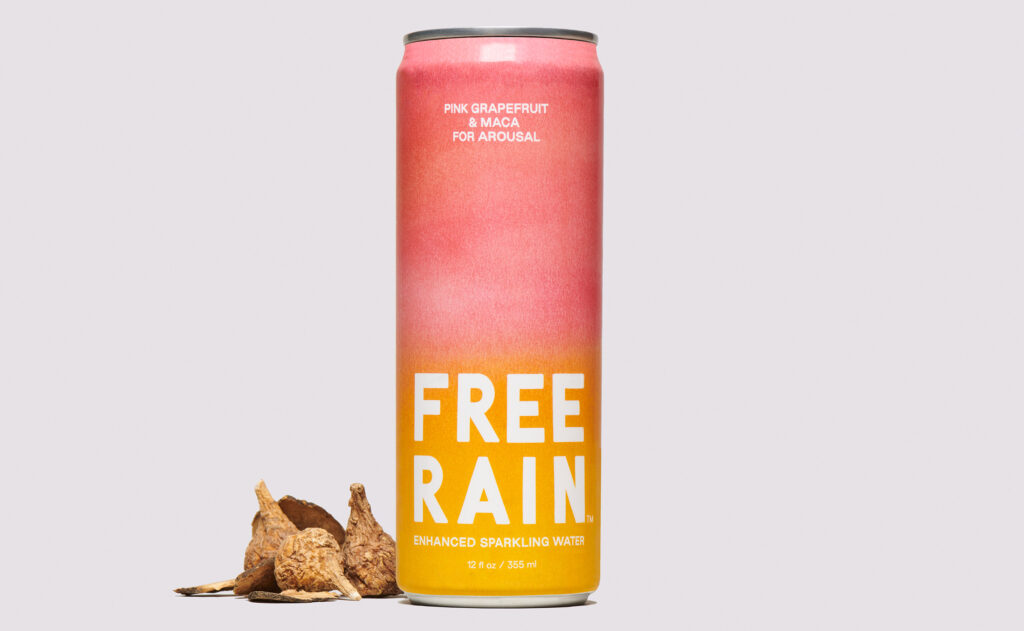
In the spring, Free Rain‘s in-house herbalist Rachelle Robinett worked with the functional beverage company to create Arousal, a sparkling drink containing pink grapefruit, basil and maca, an herb used for generations to instigate sexual energy and support hormonal balance. The brand I’m Outside’s second product is Mating Season, an aromatic aphrodisiac for the bedroom and beyond. It has tree oil phytoncides, vegan pheromones and botanical musks.
“I have a fascination with how nature influences our health, well-being and primal instincts,” says I’m Outside co-founder Claire Owen Adams. “I became curious of the signals from nature that cue humans to attraction. From reducing stress levels, to heightening our focus, with a little intentionality, aromatics can really aid in getting us in the zone naturally.”
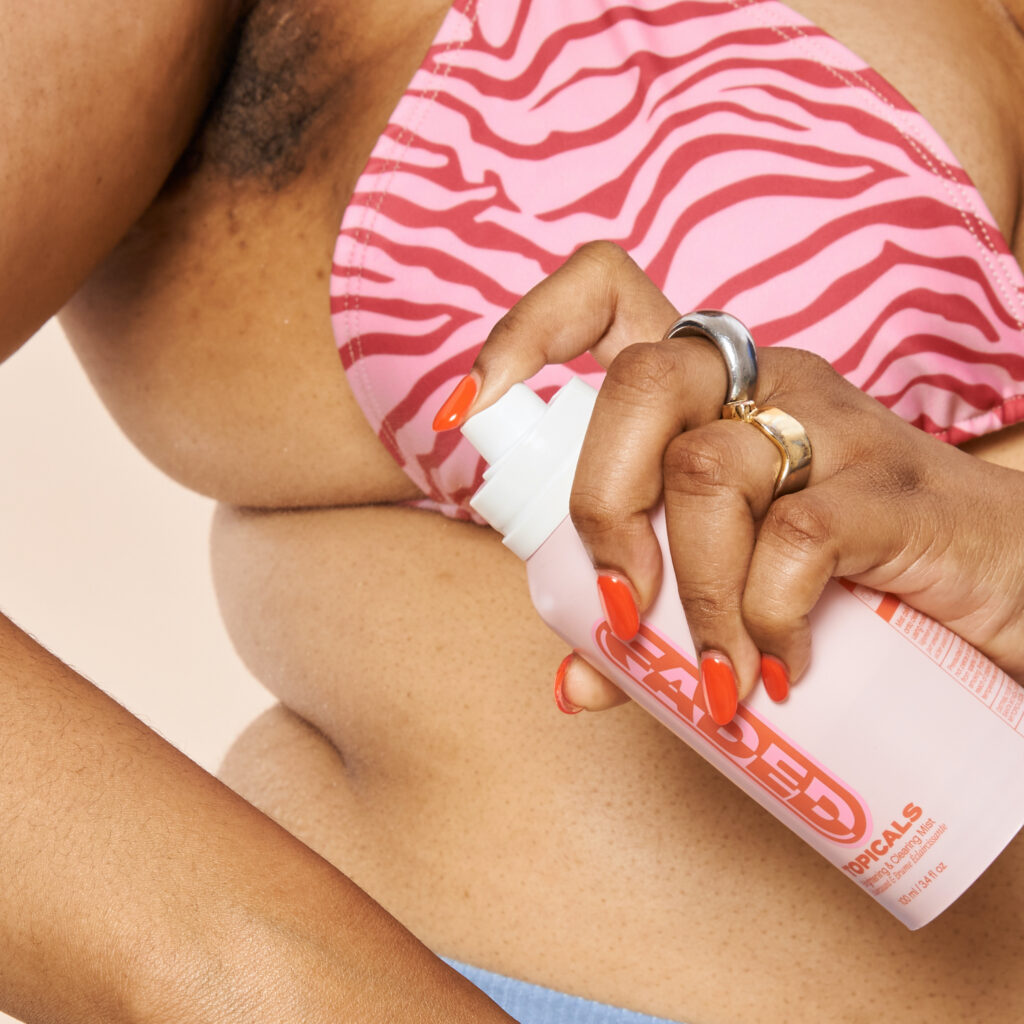
Brands like Eadem, Hyper Skin and AbsoluteJOI have popped up to tackle the ever persistent (and ever lucrative) issue of hyperpigmentation on the face. Now, there’s a slew of products addressing the issue on the body. In the summer, Topicals released Faded Brightening & Clearing Mist to reduce the appearance of dark spots from back, chest and butt acne. “Chronic skin conditions don’t just flare up on the face,” says CEO and co-founder Olamide Olowe. “We also know that body care is a sleepy category that is frequently focused on moisturization.” The product complements Topicals’ popular Faded Serum for Dark Spots & Discoloration that launched last year.
Oui The People is launching overnight body facial Cheat Sheet later this month. It’s being described as Sunday Riley’s Good Genes for the body. Soft Services unveiled Clearing Clay Treatment in August to handle bodily breakouts and the scarring left behind. And brands like Clean Beauty Collective and Forgotten Skincare are addressing discoloration under the arms via a Brightening Deodorant and Brightening Cream, respectively.
Most products treat discoloration with a version of vitamin C or a combination of acids. The brand Clean, though, uses kakadu plum in its deodorant designed for underarm concerns. Topicals’ ingredient cocktail for its Faded Brightening & Clearing Mist includes tranexamic acid and glycolic acid. Olowe says, “When we were formulating the Mists, we took into account that the body—for most people, barring any chronic skin conditions that cause sensitivity—is able to tolerate higher percentage of active ingredients.” Topicals has a hydrating mist called Like Butter along with Faded Brightening & Clearing Mist.
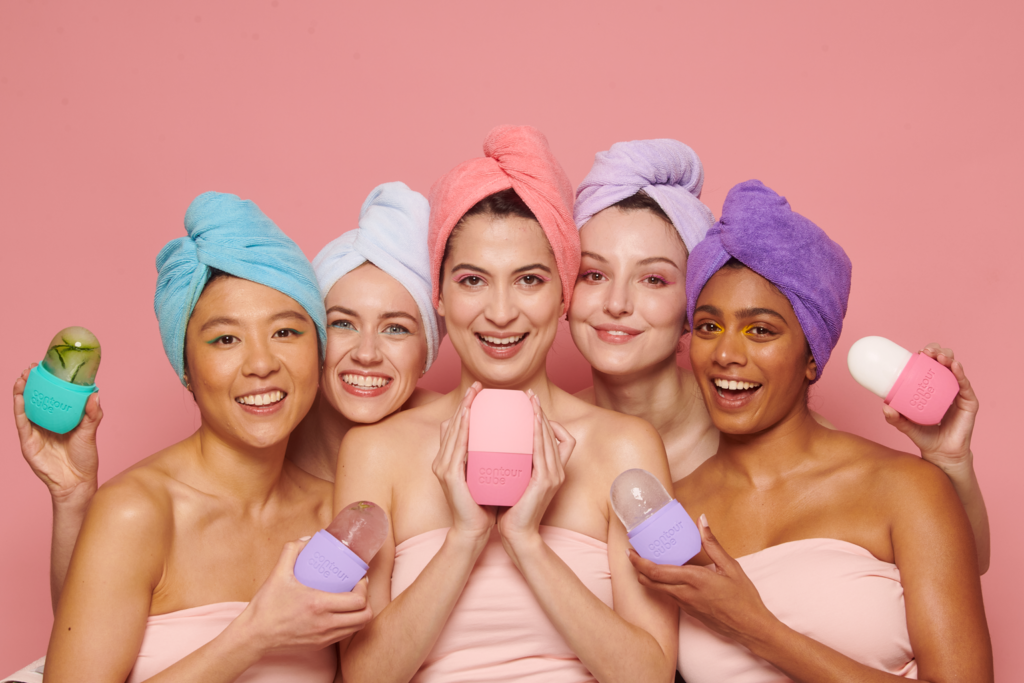
Facial icing has been around for ages. It’s been a staple in the toolbox of makeup artists and models to calm puffiness and inflammation. The technique was passed down to Contour Cube founder Sarah Forrai by her mother. “My mom swears by ice facials, which is her best-kept secret for her youthful complexion,” she says. As Forrai incorporated the act into her everyday skincare routine, she realized there weren’t tools available specifically designed to fit the contours of the face. So, she created a prototype with a 3D printer. Her first customer? Her mother. “She loved it,” says Forrai.
The Contour Cube launched this year on Valentine’s Day in Australia via its international e-commerce site. Forrai premiered the product on TikTok with a video communicating about the concept. “I posted it before bed and, the next morning, I woke up to my first batch of products completely sold out, and the video hitting 100,000 views which continued to gain momentum until it hit 1 million views,” she tells Beauty Independent. Forrai’s second video featuring her mother hit 6 million views.
Now at Uncommon Goods and Urban Outfitters in the U.S., Contour Cube has some cool competition Down Under from Synth Labs Intl., which has a combination jelly serum and mask treatment called Chill currently sold out on its site. The product is placed in the freezer for four hours prior to use. Forrai is undeterred by the mounting cold crowds. She says, “This is just the beginning for our small business journey, and we’re keen to grow the business to new heights.”
Similar to Counter Cube, Skin Proud founder Charlotte Knight saw a viral reaction to Frozen Over, her gen Z brand’s latest product. The gel-to-ice hydrator launched in the United Kingdom in April and at Walmart stores in the U.S. in August. A video posted by TikTok influencer Natasha Jane Wood using the product has racked up 1.9 million views. Knight says, “With Frozen Over, when developing it in 2020, we could see the beginning of the cryotherapy trend creeping in and knew it was something big and that we wanted to be a part of [it]. We wanted to play with the textures and temperatures of skin to create something exciting and something truly unique to the market.”
Whether because of the nostalgia sweeping the TikTok generation, a hunger for authenticity that appears to be missing in today’s celebrity-riddled beauty brand landscape or other reasons, companies have decided it’s the right time to bring back brands that have gone dark. Fashion Fair Cosmetics, Afrosheen and Make Beauty have been revived this year after hiatuses. Some hiatuses were longer than others. Make’s only lasted two years. The Center, which purchased the brand last year, resuscitated it. It was originally launched in 2013 initially by Ariana Mouyiaris, daughter of Nikos Mouyiaris, founder of contract beauty manufacturer Mana Products, and put up for sale by Mana Products in 2019 after Nikos passed away.
Natural hair brand Afrosheen relaunched earlier this year after a two-decade break. Former Johnson Publishing executives Cheryl Mayberry McKissack and Desirée Rogers ushered Fashion Fair Cosmetics into a new age last month. The iconic cosmetics brand first came on the scene in 1973 and filed for bankruptcy in 2016.
Restoring an old brand is no easy feat. “There might be a storyline that worked 30 years ago that is no longer relevant now or at least not in the same way,” says Charlene Valledor, president of beauty brand development agency SOS Beauty. “You have to find a way to pull the most salient elements of the brand’s past—i.e., the founders, when and why the brand was founded, what were the hero products, etc.—and story-tell in a way that creates this sort of larger-than-life legend about the brand that justifies the need for it to be revived.” Next, she says, a long-term strategy has to be determined. Beauty brands don’t run on memories alone. Valledor says, “You have to have a very strong reason to exist today.”
Fashion Fair updated hero products with “cleaner” ingredients and contemporary packaging while Afrosheen unleashed newly formulated and packaged styling products. “It was both humbling and exciting to create the reimagined Fashion Fair collection,” says Rogers. “It was important that we pay homage to the origins of this 56-year old brand since Fashion Fair has always addressed the beauty needs of people of color. That is very important to us.”
As the publication Glossy reported last month, beauty brands are embracing zines or what it describes as “mini, self-published magazines” to engage customers, influencers and editors outside of the usual social channels. Selena Gomez’s brand Rare Beauty partnered with preexisting zine All My Friends in March, and Rosie Huntington-Whiteley’s website-turned-brand Rose Inc. put out a large-scale zine to coincide with the launch of its cosmetics in August. Bread Beauty Supply founder Maeva Heim has published the fifth edition of her brand’s zine, Daily Bread. Tapping into old-school references like vintage Dolly magazines and Claire’s catalogues, the publication features recipes, crossword puzzles and product how-tos.
Daily Bread was initially only sent out to editors and influencers. The latest edition is available with purchases on Bread’s e-commerce website. “We wanted something that was less wasteful and more interactive than a standard mailer card or excessive collateral,” says Heim. “The paper allows us to tell the Bread new product story in a really fun but utilitarian way, which is the core of the brand.”
Redoux founder Asia Grant devised a digital concept book to pair with Bathouse, the brand’s latest soap. “It’s incredibly difficult to sell a scent to someone who has never smelled it before, and people are understandably averse to purchasing since they are unsure if they will like it,” she says. “We needed a way to inform our wholesale accounts of the upcoming release, and we didn’t have samples yet, so I saw the book as a way to create a world around the scent to tell the story of how it looks, tastes, sounds, feels and, ultimately, smells.”
The project ended up being helpful in understanding the brand’s creative process “since we have never documented it in a linear way,” says Grant. Its structure is inspired by 1990s Japanese book designs and minimalist Tumblr themes. The content covers how Grant, who has synesthesia, approaches scent development. She says, “Our community has expressed that they are curious to see more of our nuanced creative processes, so our team is exploring different avenues to deliver that on an ongoing basis.”

The players
5 mentionedAS Beauty

The Inkey List
Rare Beauty
Bread Beauty Supply
Better Being