Indie Beauty Snapshot: 14 Trends From The First Half Of 2021
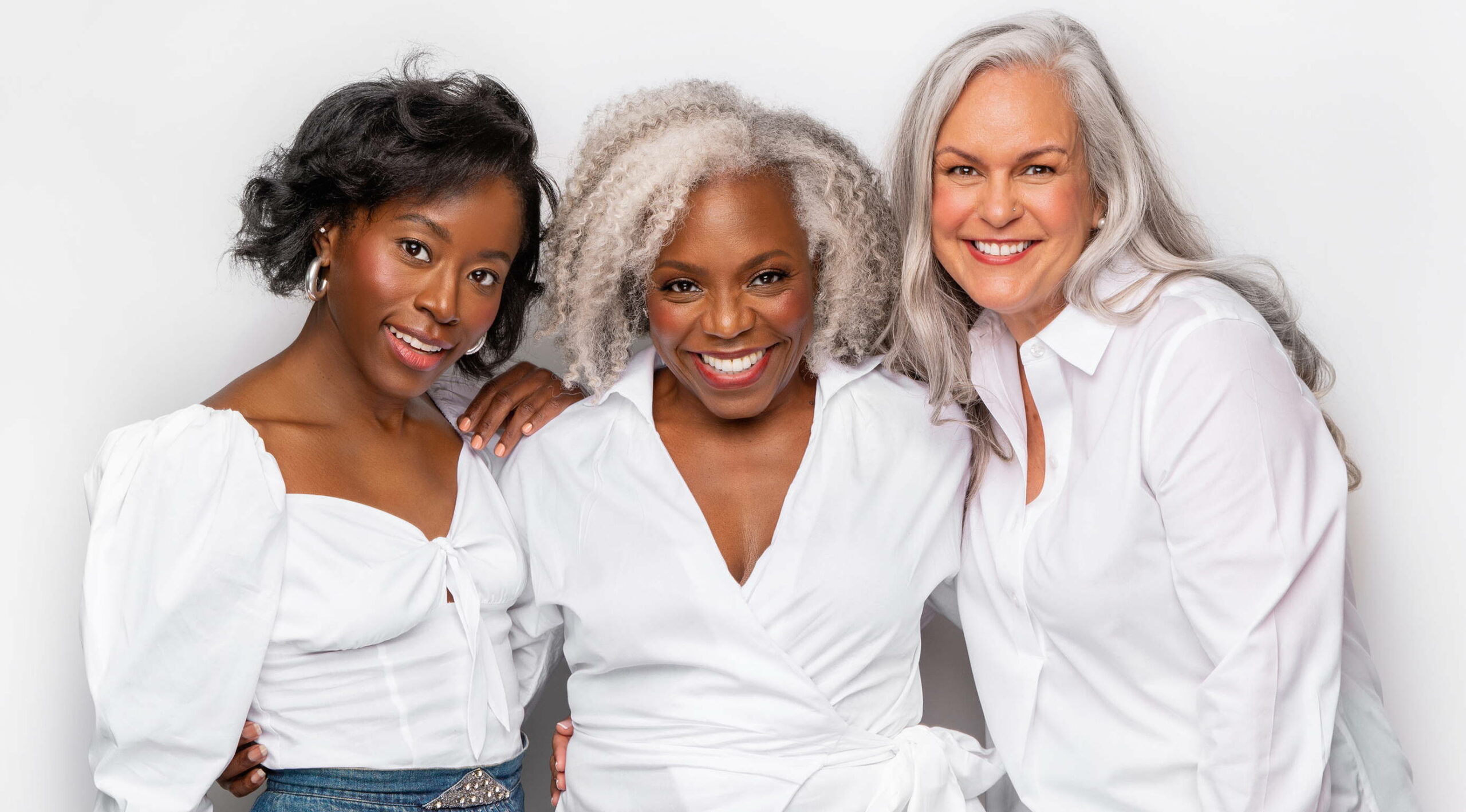
As most societal prejudices diminish, ageism is stubbornly enduring. According to a recent report from the World Health Organization, one in two people globally are ageist against older people. In the beauty industry, the lack of acknowledgement and comprehension of older consumers is evident in new brand after new brand that purports to celebrate diversity while mostly ignoring anyone over 35. They’re launching as life expectancy around the world has risen, and fertility rates are falling. If the trends persist, populations in many countries will continue to get older and people will have fewer kids, leaving them with more money to spend on themselves as they enter the twilights of their careers and retirement.
Companies speaking honestly to older consumers and not merely glomming on to them as soon gen Z isn’t the brand darling it is now stand to gain from the dynamics by trading in the ageist tropes their predecessors might have perpetuated. In a BeautyMatter piece earlier this month, Avon research underscored that anti-aging messages are no longer relevant. Talking to the publication, Hannah Roberts, global brand director for Avon, said, “Getting older is not something to be afraid of or a battle ‘to win,’ it’s something to strive for.” She emphasized creating effective products addressing specific needs is superior to scaring older consumers about their wrinkles.
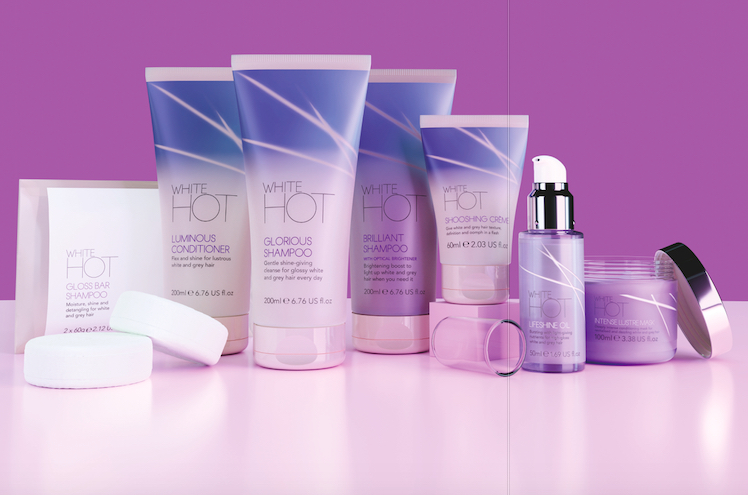
Among the brands today valuing older consumers are Laura Geller, Better Not Younger, Fièra, Maison 276, Boom! By Cindy Joseph, Pause Well-Aging, Womaness and White Hot. White Hot debuted in 2013 after founder Jayne Mayled stopped dying her hair in her fifties and couldn’t locate a brand that she says “captured the spirit of how I felt about my undyed hair: fresh, liberated and quite the reverse of all the stereotypes about the relentless pursuit of holding back any signs of ageing.” The haircare brand doesn’t use the term “anti-aging” and is sure to champion older consumers in its marketing.
“Right from the start our customers have told us that they love that we talk to them as grown-ups,” says Mayled, adding, “I’ve worked in and around the beauty industry for over 40 years, and there is no doubt there is a huge opportunity in authentically understanding and, then, serving the needs of consumers as they age—and ageing isn’t what is used to be!”
Last year, the pandemic slowed their spread, but, this year, refill shops inviting consumers to repeatedly use personal care packaging are spreading all over. Puracy founder Sean Busch figures there are easily hundreds of them. In his household cleaning and personal brand’s backyard in Austin, Tex., there’s Luxe Refill and Slow North. The explosion of refill stores got Busch thinking about Puracy pushing into bulk merchandise. He believes refill shops can introduce the brand to a new, engaged audience, and the financial metrics could work out, too.
“We are able to price the product at a really attractive rate because we are selling in bulk, and it’s a great markup for the store and still a great savings for the customer,” says Busch. He continues, “How many people go to Starbucks now and bring their own mug? They are already having that mindset. It’s something that we are going to stake some claim in.”
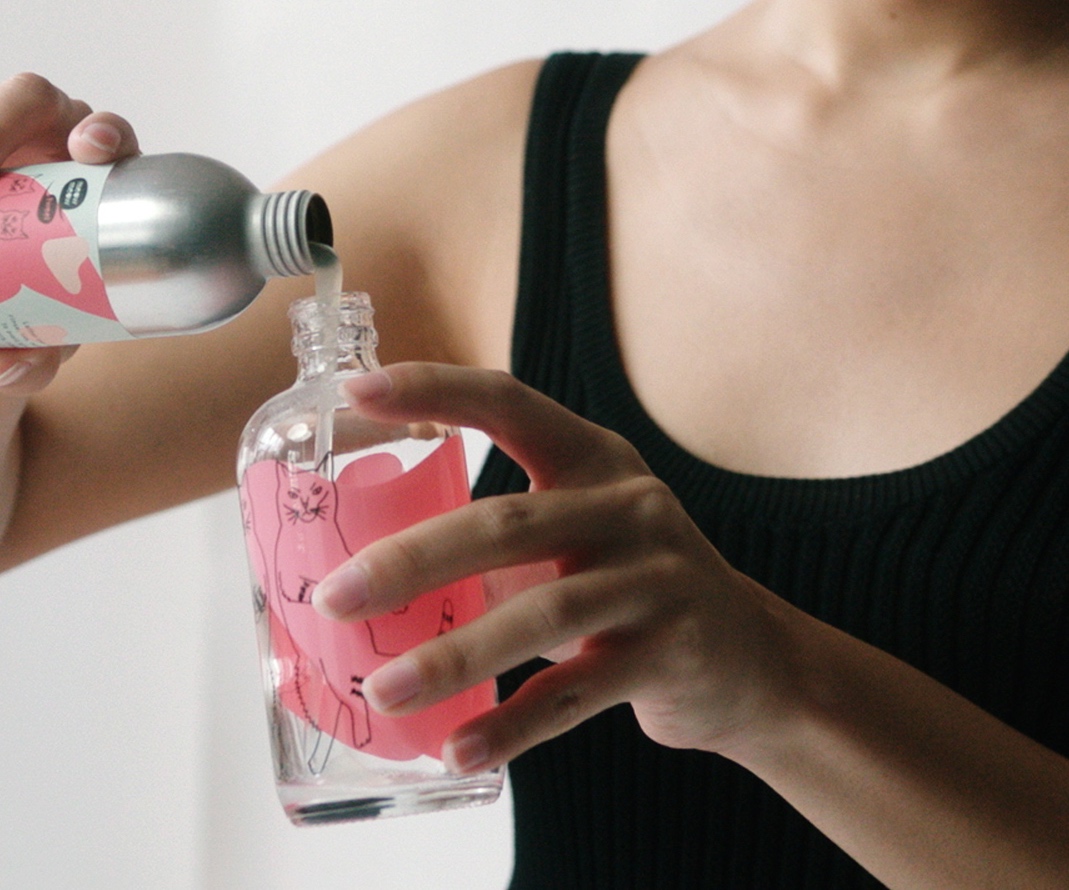
Meow Meow Tweet has been staking its claim to bulk for a while. The skincare brand has larger sizes—they’re four to six times the size of regular products—that it sells to consumers directly at a 15% discount per ounce and an in-store refill program that provides bulk products on a wholesale basis. Meow Meow Tweet’s bulk products are available at roughly two dozen stores.
For customers ordering directly, the brand ships its bulk products for free, and sterilizes and reuses the packaging. “The idea is that we aren’t sending any further packaging to the waste stream,” says Meow Meow Tweet founder Tara Pelletier. “It also cuts down on the amount of plastic consumption because people can reuse their pumps from their regular-size packaging.”
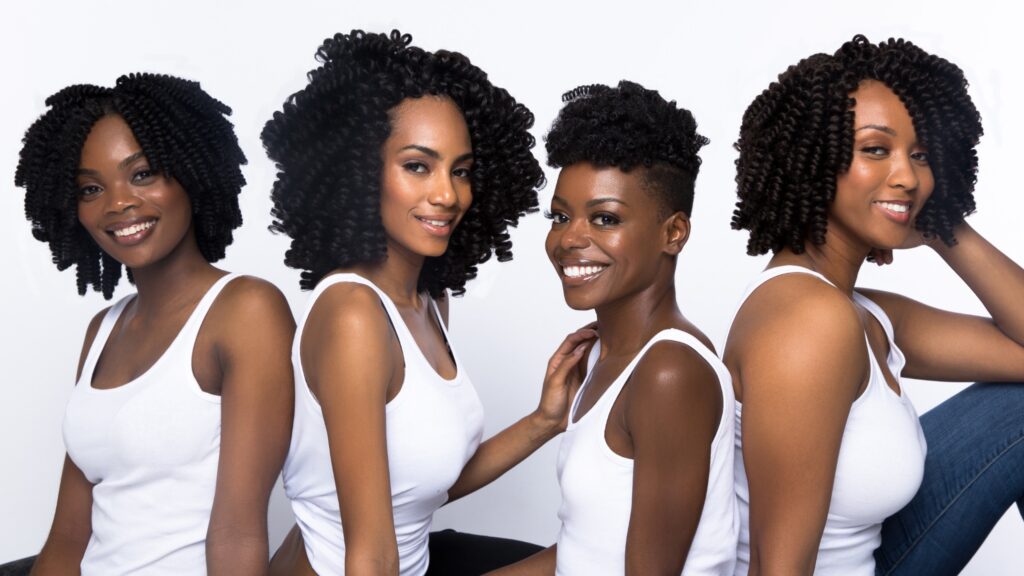
Like for lot of Black women, box braids have been Jannice Newsom’s go-to hairstyle since she was 5 years old. “I always looked forward to the beautiful hairstyles that my mom would create, but I dreaded all the itching and burning that came soon after,” she says. Long hours in the salon and subsequent hair braiding-stoked irritation are something of a right of passage for Black women, but Newsom, who is creating the brand Lillian Augusta with her University of Michigan classmate Nana Britwum, doesn’t think they have to be. “As we sat and thought about all issues that come with braiding hair—the ongoing discomfort, the carcinogenic material in use, and the plastic pollution that comes from throwing it away—we knew we had to do something,” she says.
Plant-based biodegradable braiding hair is what Britwum and Newsom came up with. “Innovation with braiding hair has been stagnant for so long, and it is time for this hair to finally meet the needs of the customer,” says Newsom. Lillian Augusta is still in product development. Britwum and Newsom hope to launch it in fall 2022. They plan on bypassing local beauty supply stores, places where synthetic hair is typically purchased, to focus on direct-to-consumer distribution. They also plan to partner with Black hair salons and recruit stylists to be Lillian Augusta brand ambassadors.
Rebundle founder Ciara Imani May is on a similar mission to render plastic braiding hair obsolete and provide Black women with safe alternatives. The brand offers extensions made out of banana fiber that are free of “animal meat fat, polyvinyl chloride, phthalates, emulsifiers or toxic dye,” May told Beauty Independent earlier this year. The PETA-approved vegan extensions are available for pre-order and cost $20 for 3.5 oz. bundles of black, brown, blonde or blue hair. The hair is biodegradable, and the brand recycles plastic synthetic hair consumers mail in. According to Rebundle’s website, it’s collected 216 pounds so far.
Data intelligence firm Arizton projects sales in the wigs and extensions segment will reach $10.42 billion by 2024. Other recent launches within the category include Waeve and RadSwan. Back in 2015, Tiffini Gatlin became a pioneer in the space by turning her hairstyling side hustle into a full-fledged business by launching Curlkalon Hair Collection, a line of pre-curled and looped crochet hair crafted “to prevent Black women from hot water burns while protective hairstyling.” In 2016, she built upon her vision to provide Black women with safe hair options with the launch of her second brand, Latched and Hooked Beauty.
Gatlin was inspired to venture into a line of safe synthetic hair when her oldest daughter developed a red, irritated scalp two days after getting her hair braided. “I immediately removed the braids and massaged her scalp daily and, after a week, her scalp healed,” she recalls. “It was then that I knew I wanted to not only find a way to produce nontoxic synthetic hair, but use the one beauty product Black women love to use to style their hair, to educate them on scalp health.”
Gatlin spent three years researching and testing different brands of synthetic hair before developing her alternative. “Although we do not make any claims that our hair will not irritate when in use, I can say that we are using a proprietary formula that contains chemicals that are nontoxic, and we routinely have material safety data reports to ensure that our chemicals are safer than what we have known to be used in the past,” she says. While she received pushback early on from wary stylists unsure of how the hair would perform, the brand now services over 16,000 customers.
As if gen Z wasn’t already giving previous generations a run for their progressive money, there’s been a number of young people starting beauty businesses and landing major deals, perhaps not surprisingly based on their penchant for entrepreneurship. According to a survey by EY Ripples and JA Worldwide, more than half of teens and early twentysomethings desire to run their own businesses within the next decade. Even Stormi Webster, the 3-year-old daughter of Kylie Jenner and Travis Scott, is said to be working on a brand.
Ten-year-old Peyton Brown could show Webster and other fellow gen Z’ers how it’s done. She’s tapped into her cohort’s love of vibrant colors with Peystix, a collection of $12 liquid color sticks meant to be used on the eyes and lips. Nine-year-old Taylor Thomas was born with spina bifida and, after dealing with mental health issues brought on by bullying, she turned to nail polish as an escape. She was inspired by her hobby to create Lola Marie Polish, a brand of nail polishes established in 2020 with confidence-boosting names like Born for Greatness and Adjust Your Crown. Lola Marie Polish has been picked up by Walmart and proceeds from its sales go toward purchasing a wheelchair accessible van for Thomas.
Lily Adeleye is following in her mother and The Mane Choice founder Courtney Adeleye’s successful multimillion-dollar footsteps. In April, the 6-year-old became the youngest CEO of a Black-owned brand to be stocked at Walmart. Lily Frilly, her line of colorful hair bows, clips, scrunchies and headbands, is also available at Target and, according to an estimate in Women’s Wear Daily, is projected to hit $2 million in sales by the end of the year.
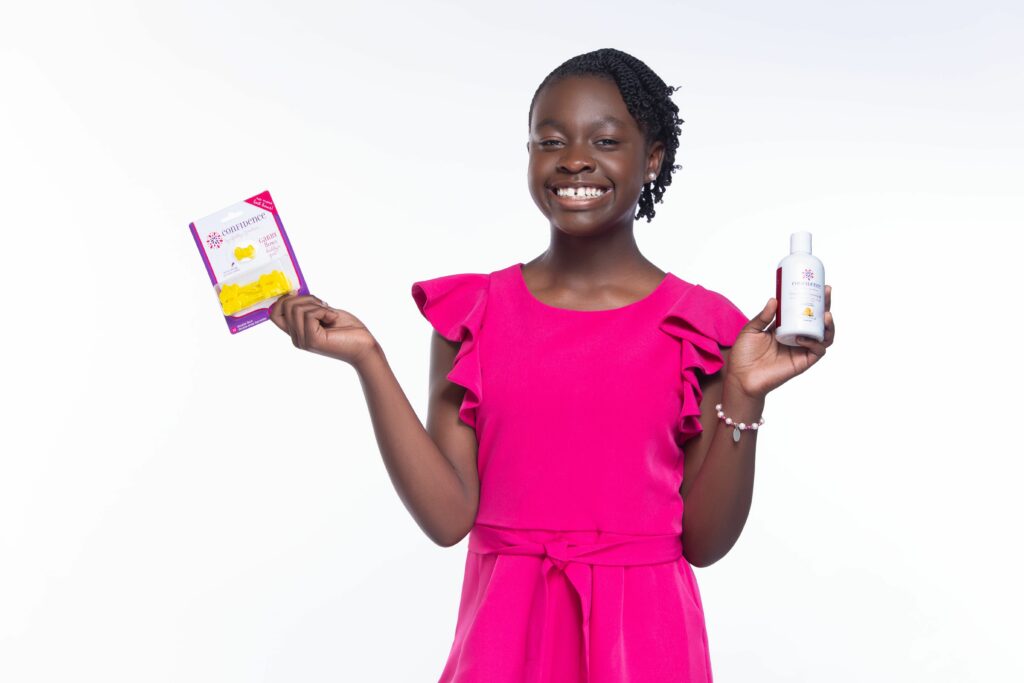
Fourteen-year-old Gabrielle Goodwin has similarly ambitious dreams. She launched her line of barrettes when she was 7 years old after the ones her mom spent money on and time putting in her hair kept falling out and getting lost. GaBBY Bows started with one design in three colors and, currently, offers three patented designs in 15 shades along with a line of plant-based natural haircare products for little girls. “I hope that our products provide confidence to the girls who use them,” says Goodwin. “I also hope that our products relieve the stress of wash day and the styling process—not just for the girls, but their guardians as well.”
The company received a $200,000 investment from television personalities Marcus Lemonis and Gayle King earlier this year. The money is being put toward expanding the brand’s team, developing products and purchasing inventory. Select GaBBY Bows products are available on Amazon, in 74 Target stores and on the chain’s website, and at beauty stores around the country as well as Canada and South Africa. As if GaBBY Bows’ accomplishments so far aren’t enough, Goodwin says, “Some goals I have for the brand is to become a seven-figure business, help 100 girls start their own business through our Mommy And Me Entrepreneurship Academy, open a girls salon, and inspire as many girls around the world as I can.”
By now, we’ve all seen the memes imploring us to hydrate, some tweely equating humans to complex houseplants. For the most forward-thinking brands, though, simply downing eight glasses of H2O isn’t enough. Wellness specialists are coming to market with drops, tabs and powders designed to infuse water with performance-enhancing, beauty-boosting and body-detoxifying properties.
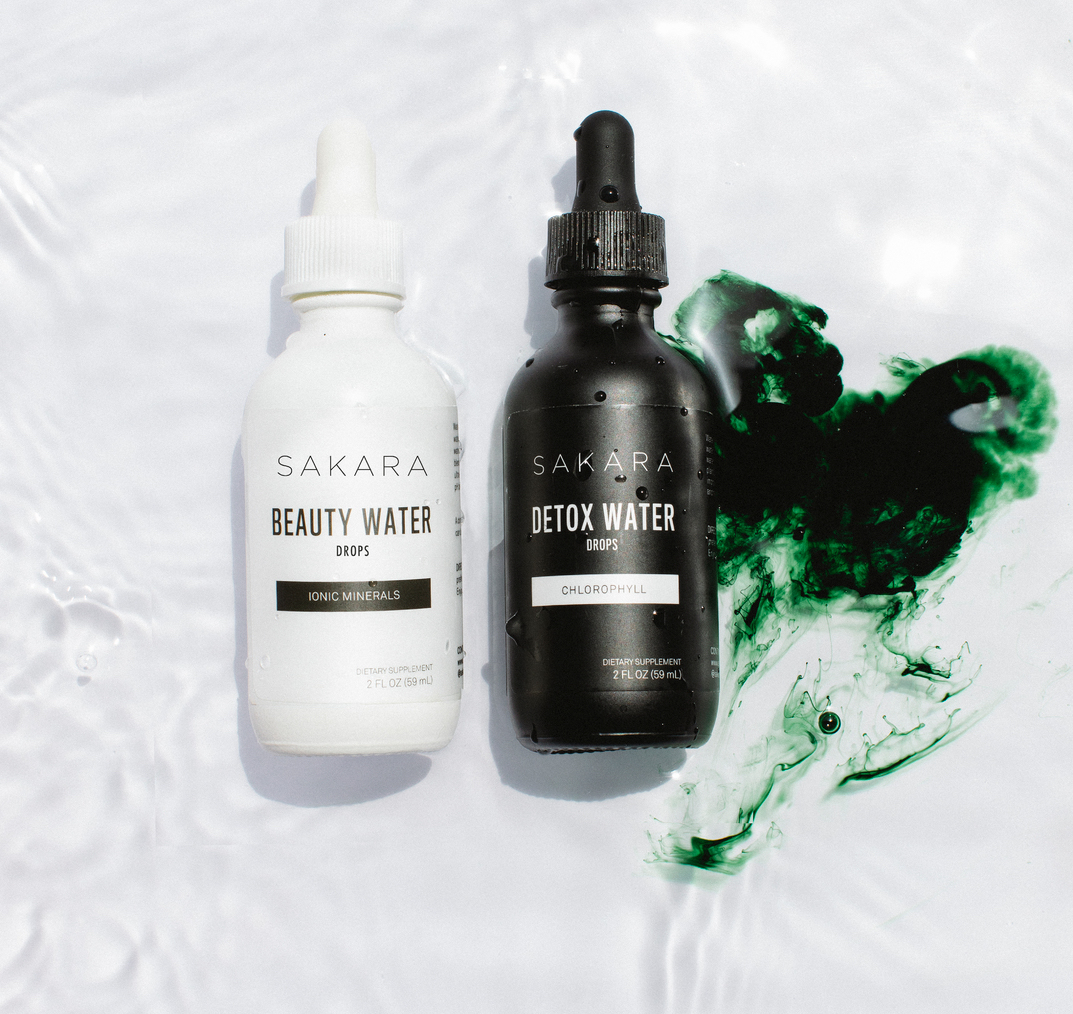
Organic meal delivery service Sakara Life went viral on TikTok after posting a video of its chlorophyll-filled Detox Water Drops, a vibrant green liquid intended to be added to a glass of ice water. The video has garnered over 203,000 likes and kicked off a huge #chlorophyll trend. Today, the hashtags chlorophyll, chlorophyll water and liquid chlorophyll boast over 360 million, 152 million and 53 million views, respectively.
“We were thrilled to see this trend catch on and help more people experience the power of plants,” says a Sakara Life representative who declined to be named. “Our drops are a signature product that have been offered since 2017, but, after our TikTok went viral, our sales doubled in just 24 hours.” Sakara chose the liquid drop format for its efficacy. “We believe beauty starts from within and skin is a direct reflection of what is happening on the inside,” says the representative. “We love our topical skincare routines, but created our Detox Water Drops with the Sakara method of harnessing the power of plants to heal from the inside out.”
The brand details that the most common benefits people report after using Detox Water Drops are heightened energy, clearer and brighter skin, improved digestion and less bloating. Sakara Life also offers $39 Beauty Water Drops designed to be added to water to counteract the depleting effects of stress. Beauty Water Drops is formulated with 72 naturally harvested ionic trace minerals primed for absorption. More water-boosting products are in the works.
Cannabinoid specialist Lifted Made launched its Nano CBD Water Enhancers to provide an easy way to get a 10-mg. dose of water-soluble CBD on the go. Packets retail for $71.76 for a 24-count box, and are available in mango, watermelon, lemon and blue razz flavors. Four-year-old Waterdrop has seen incredible growth offering flavored and vitamin-enriched cubes that dissolve in water coupled with color-coordinated graphic water bottles, all designed to entice consumers to drink more water. The star fruit- and thyme-flavored Zen features vitamins B1 and C, and biotin. A dozen cubes, which the brand calls “microdrinks,” retail for $11. Born in Vienna, Waterdrop opened its first U.S, retail location last month, a pop-up on Lincoln Road in Miami’s South Beach.
There’s been a proliferation of menopause brands and products. Womaness, Tabu, La Maria, Sex and good, Kindra and others have come to market with supplements, serums, massagers and information to make the unavoidable, but often uncomfortable stage of life better understood and enjoyed. Since the late 1990s, men have had pharmaceutical options to deal with a common effect of aging, erectile dysfunction. But, just as menopause is multi-symptomatic, so is “manopause,” also known as andropause, the decrease in the hormone testosterone as men age, and its myriad of physical and psychological effects that go beyond whether your soldier can stand at attention.
Wellness brands are starting to talk about the touchy subject and release remedies for men going through changes. Supplement specialist Upful Blends released Upful Lion, a blend of wild crafted African and Amazonian herbs that the brand says is a “natural alkaline male nourisher” created to regulate male hormone levels as men age.
“As men grow older, many of the things that women feel men feel as well and a lot of that is tied to hormonal changes,” explains William Li, co-founder of wellness brand The Hao Life. Li founded The Hao Life—Hao means “good” in Chinese and its character represents harmony—with Danielle Chang this year. The brand sells six herbal supplements. The pair started conceptualizing The Hao Life two years ago when Li was 50 and going through andropause. He says, “For me, it was getting really tired in the afternoon, having chronic lower back pain, finding it difficult to sleep, having crazy night sweats.”
One of The Hao Life’s products, Got Game, is based on centuries-old formulas used by Chinese aristocracy, the male members of which Li says had a lot of money and a lot of women. “They lived large, drank a lot, ate a lot, fought a lot. This formula was given to them to help them maintain their vitality,” he says. The Hao Life has updated the formula, which includes ingredients like cinnamon bark to get the blood to flowing to the lower part of the body, with adaptogens like cordyceps mushrooms. “We hope that, by talking about andropause and demystifying it a little bit, men will feel more comfortable addressing it and being open about it,” says Li. “I talk to my guy friends now. They had no idea what it was called, but now we talk about these kinds of these changes. We call it ‘manopause.’”
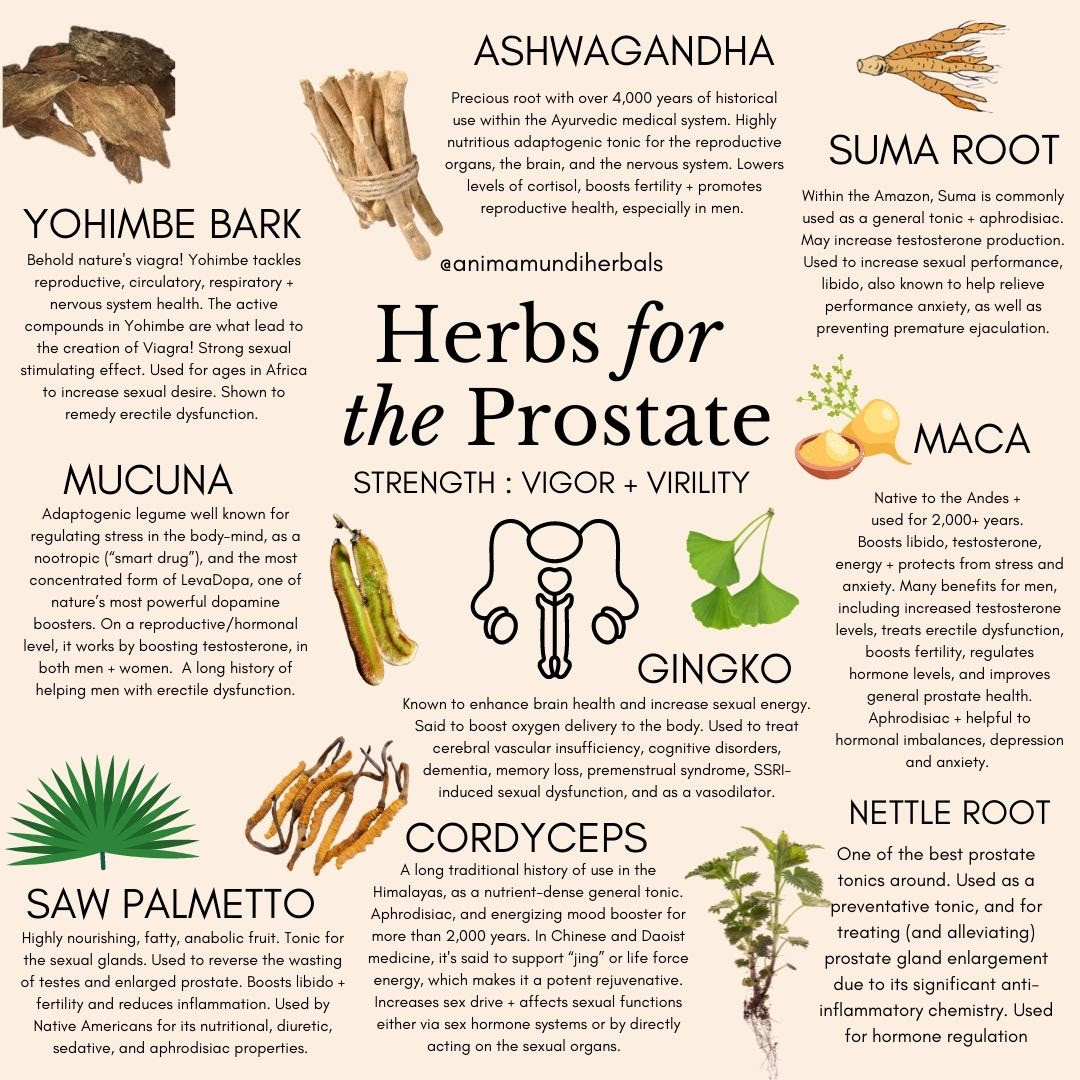
For Father’s Day, herbal remedy brand Anima Mundi wrote about herbs that can be used to support the “sacred masculine,” including maca, nettle root and saw palmetto. Founder and herbalist Adriana Ayales writes, “Science is showing that men’s health is also cyclical (like women!), and andropause, although a slower process than menopause, can strike similar challenges in men. Interestingly enough, it’s not common knowledge or even acknowledged within your classic science class or average textbooks.”
Digital advertising isn’t going anywhere, but the cost of magnifying a brand via social media or online search is rising rapidly. Emerging indie beauty brands have taken advantage of the combination of warmer weather and relaxed pandemic restrictions driving consumers outside to go back to analog advertising modes. Often, the campaigns executed were duly copacetic given that many brands put off launching new products they’d been developing because of the pandemic. Now, founders felt ready to release new products and spread the word IRL.
Clean outdoor care brand Kinfield conducted a multi-city summer tour, hosting fitness classes and dog jogs along with pop-ups at Madewell locations where founder Nichole Powell met customers. When acne specialist Hero debuted its sun care product, Superlight SPF, founder Ju Rhyu wanted to think outside the screen to trumpet the launch. The result was a bicoastal ice cream truck tour. A bright seafoam green Hero-branded truck drove around key New York City and Los Angeles neighborhoods giving out free ice cream and Superlight SPF samples.
“We knew we wanted to invest big behind Superlight SPF and were brainstorming ideas,” says Rhyu. “Our bet was that this summer people would be out and about and more optimistic compared to the hard year last summer so we wanted to do something big and IRL.” She adds, “We wanted to spread optimism and do something that helped people feel good this summer, so it was the perfect idea.”
Customers scoring free ice cream and SPF from Hero in New York may have passed large posters with images of a Little Tree car air freshener on it. The scent listed on the red tree wasn’t cherry blast or cinnamon apple, though. It was vagina. The witty campaign was the work of vaginal wellness brand Momotaro Apotheca. A first for the brand, it’s designed to end the narrative pushed by many legacy feminine hygiene brands that, if a vagina doesn’t smell like roses, something must be wrong, or worse, dirty.
“This topic alone out performs almost all our other messaging, well above sex and pleasure literacy conversations and basic vaginal health information that is seen as more approachable,” says Momotaro Apotheca co-founder Lindsay Wynn. “This proves that vaginal scent is one of the most mystified, stigmatized and important topics we can address.” She continues, “After over a year of many of us working digitally, scrolling, reading, learning and communicating online, we know there is a crucial part of our bias that needs to be addressed in the physical world. The impact of this campaign is so much more effective when you are forced to confront this idea beyond the screen.”
One of the assets of digital advertising is the ability it gives brands to draw links between sales and ads. To help track the impact of its IRL campaign, Momotaro Apotheca has included a call to action for customers to snap and share a picture of the posters, tagging @lovemomotaro, for a 10% discount code. Wynn says, “We have an incredibly engaged NYC community. Our fans, consumers and brand advocates are using this campaign not only for their own value-add discount, but also to help amplify messages they are passionate about. We have seen people share and submit with their own personal twist to why this is important.”

Never has the power of science been more apparent to people living today. Consumer goods brands faced with skepticism about their marketing are harnessing that power to validate their products and positioning. They’re including scientists and other experts early on in their development, placing them front and center in brand communications, and revealing skilled people that played roles in their businesses other than the founders who might have been kept hush-hush in the past.
When the skincare brand Ustawi launched this year, one of the ways it presented itself to the public was via a video on social media from dermatologist Elyse Love. Dermatologist Eva Simmons O’Brien has been connected to men’s skincare brand Disco since it started and has gone on media deskside roadshows with the brand. “It’s my fiduciary responsibility as a founder to involve subject matter experts in our business,” says Disco founder Ben Smith. “Consumable products businesses need to lean on SMEs to ensure they are putting out safe and efficacious products. With skincare in particular, the science-backed angle is especially important.”
Bennett Amaechi, a professor of dentistry at University of Texas San Antonio and Donna Hackley, a pediatric dentist with the Harvard School of Dental Medicine, are on the medical team advising the toothpaste brand Huppy. “There are new products that are popping up every single day, and it is hard for the consumer to distinguish which ones actually work. Having expertise helps consumers cut through a lot of the noise and marketing,” says Huppy founder David Phan. “Plus, it almost always leads to a better product when brands are working together with medical experts.
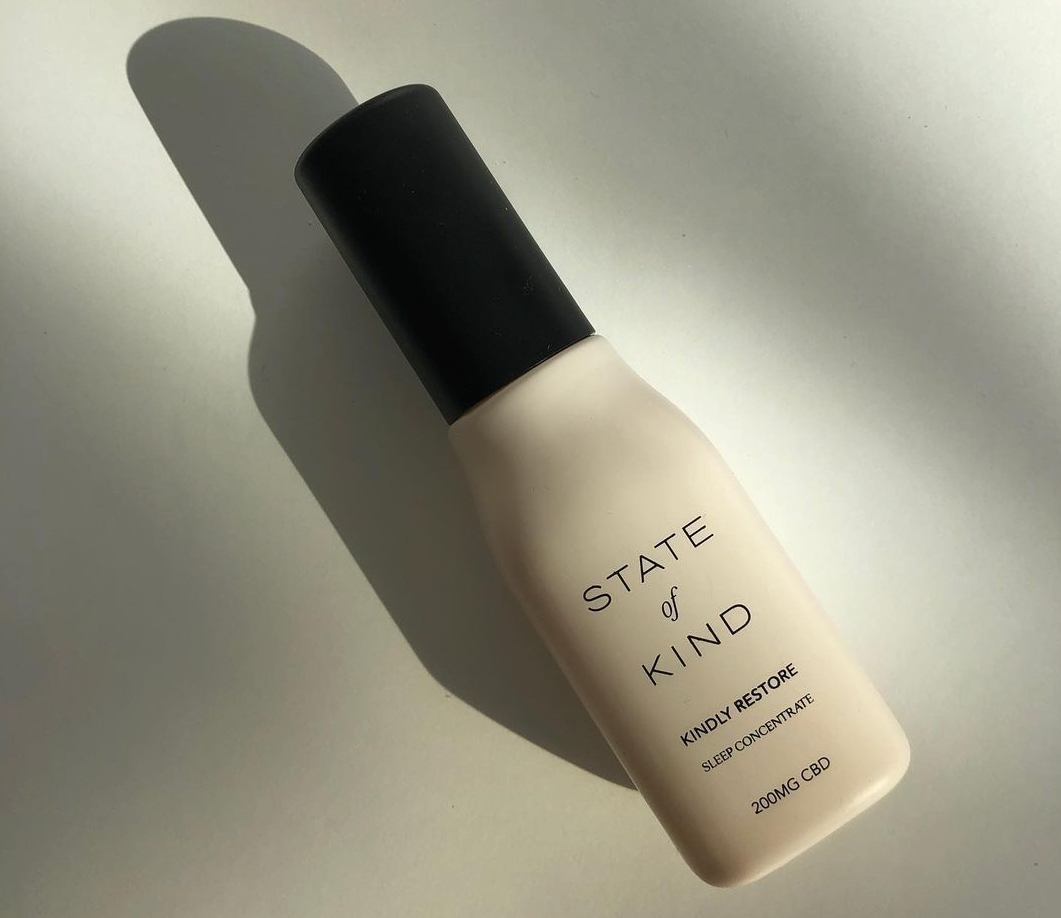
Sarah Dobbin-Battersby, founder of State of Kind, has been open about the impacts Krupa Koestline, a cosmetic chemist and founder of KKT Consultants, and Stacie Brockman, founder of brand incubator and venture capital fund PLZ&THX, had on strengthening her new skincare brand in the lead-up to it arriving on the market. “I do think it’s important to let consumers in on the behind-the-scenes experts. It helps to build trust and deepens the consumers’ relationship with the brand,” she says. “It also gives a fresh perspective into how it takes a village to grow a business.”
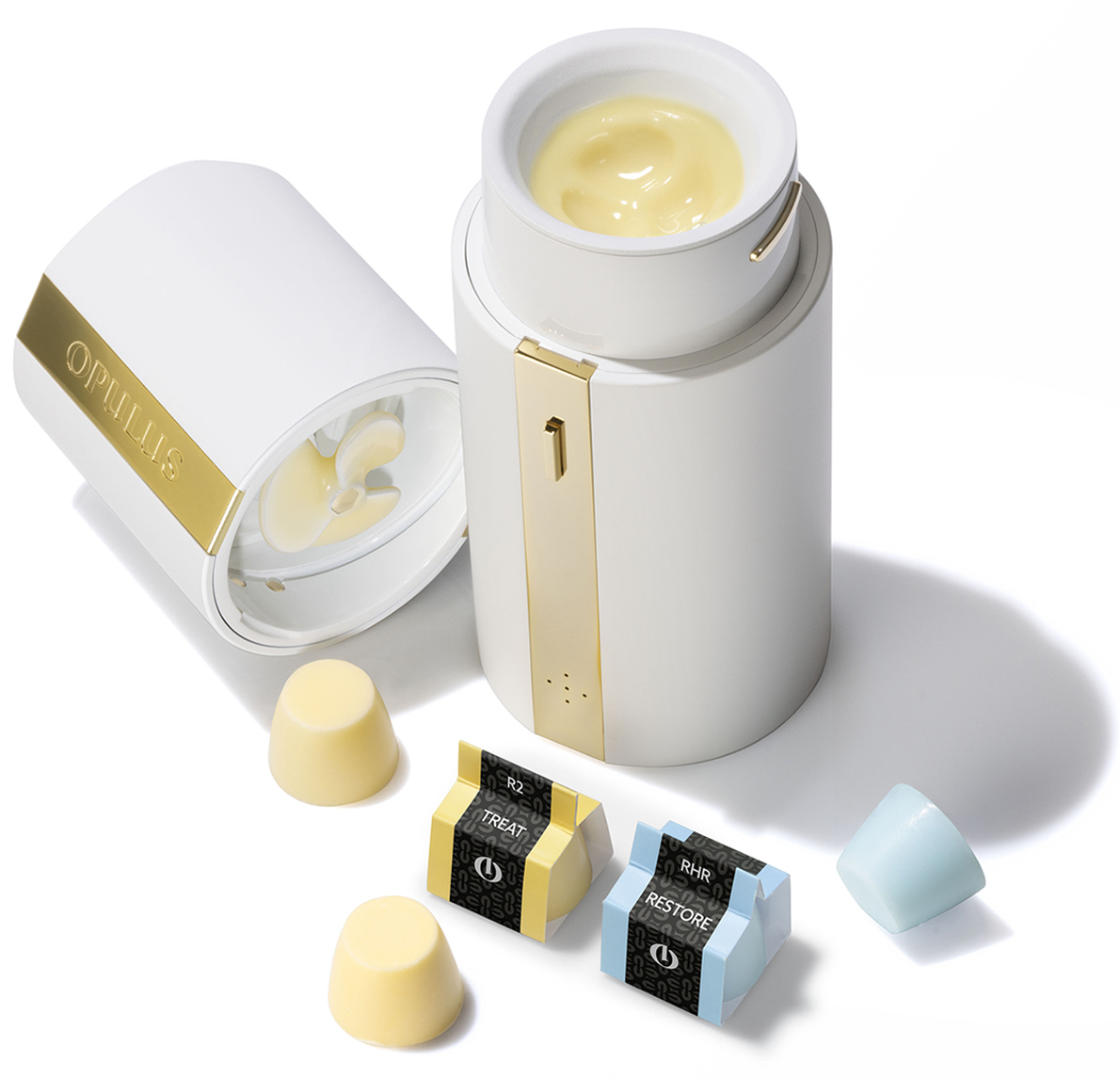
The retinol in your product may not be as effective as you think it is. That’s because retinol degrades with time, at least according to a Journal of Cosmetic Dermatology study that discovered as much as an 80% decline in retinoids in commercial cosmetic products after six months. A growing understanding of the degradation of skincare ingredients has caused entrepreneurs to prioritize freshness. Opulus Beauty Labs, which has a single-serving appliance that’s like a Keurig for skincare, allows people to whip up their own skincare in the comfort of their bathrooms in 90 seconds rather than have to rely on skincare that’s been sitting on a shelf for who knows how long.
“Products in traditional cosmetics are often made in advance of distribution [and] consumer use, which allows the ingredients in the entire formula to be in close contact with each other,” says Robb Akridge, founder of Opulus Beauty Labs and co-founder of Clarisonic. “This approach, depending on ingredients, can result in oxidation of active ingredients or incompatibility of desired actives, resulting in a lesser than ideal product.” He adds that the advantage of Opulus’s beauty appliance is that it “delivers active ingredients in new ways and combinations that don’t sit pre-mixed for long periods of time degrading.”
Pre-dating Opulus, the skincare brands May Lindstrom and Nuori have placed freshness at the heart of their promises to consumers. May Lindstrom, which has pulled out of retailers in part to maintain product freshness, takes pains to communicate its “freshness promise” on its website. The brand says, “There is a marked difference between ‘shelf life,’ ‘expiration,’ and our brand concept of freshness. We think of each of our products as gourmet food for the skin. Just as with most food, the closer our treats are enjoyed to the time they are made, the higher the levels of nutrients and potency.”
The importance of recycling was drilled into our heads years before the concerns surrounding climate change and plastic pollution stirred the beauty industry to action. But the act of recycling beauty products is complicated due to the different packaging components and materials used, and the recycling infrastructure that handles them. Just because an item is deemed recyclable doesn’t mean it’s getting recycled, and companies are acknowledging how daunting the process can be by delivering education along with solutions.
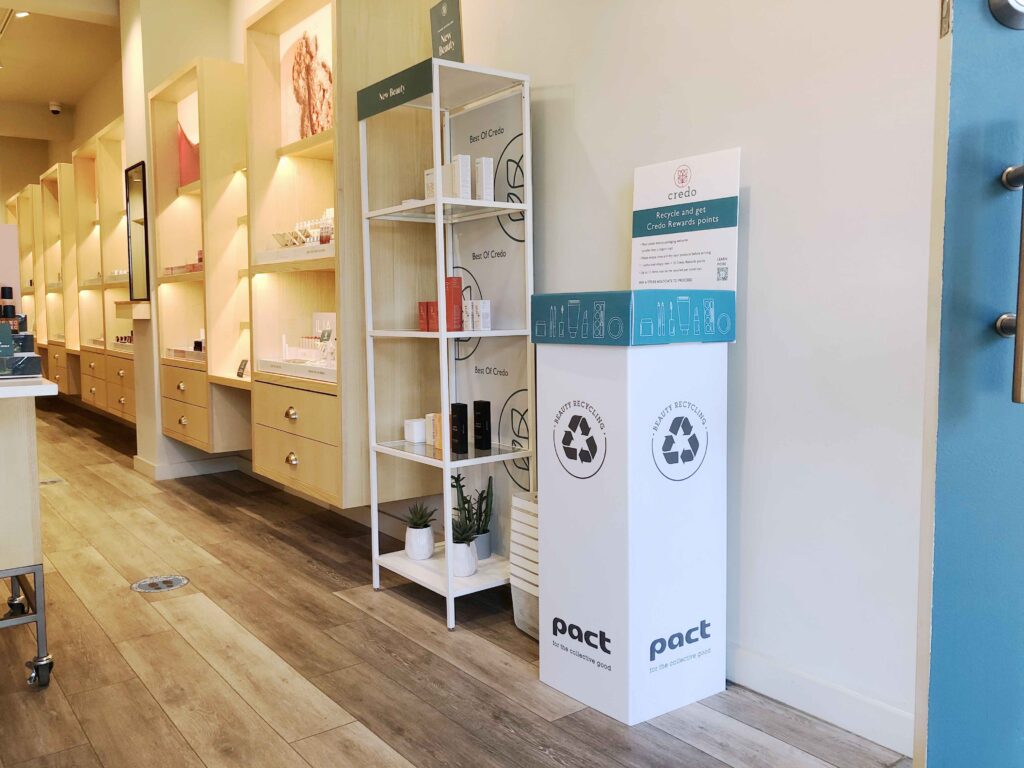
Started in April by MOB Beauty founder Victor Casale and Mia Davis, VP of sustainability and impact at Credo, nonprofit recycling program Pact disposes of hard-to-recycle beauty products such as items smaller than a yogurt cup, those with mixed-material packaging, pumps and certain tubes. Take-back bins are placed at Credo’s 10 locations in the U.S. as well as 20 Hudson’s Bay stores in Canada. Consumers can consult recycling resources on Credo’s website, and experts are available in-store to answer questions. “With education comes a change in behavior, with change in behavior comes the change in the systemic problem,” Casale said in April. Items that can’t be recycled are upcycled.
Nordstrom and TerraCycle started a similar initiative intended to tackle the beauty industry’s recycling problem in October. Through BeautyCycle, customers are invited to bring in empty beauty product packaging to any of Nordstrom’s national full-line stores or local service hubs. The items are sent to TerraCycle to be cleaned and separated into metals, glass and plastics, and transformed into things like park benches or base materials for nuts and bolts. The initiative’s goal is to properly recycle 100 tons of hard-to-recycle beauty packaging by 2025.
Brands are also taking it upon themselves to educate consumers about recycling. Body care brand Soft Services provides instructions for how to properly recycle of each component of its product packaging. Its Carea Cream and Smoothing Solution, for example, require their aluminum tubes be cleaned before being tossed into normal curbside metal recycling, and the brand displays how to do so via short step-by-step videos. Soft Services’ website says, “We’ve created this page as a tool for customers to have all the information needed to responsibly disassemble, clean, and break down physical packaging so it can be accepted by your local recycling plant.”
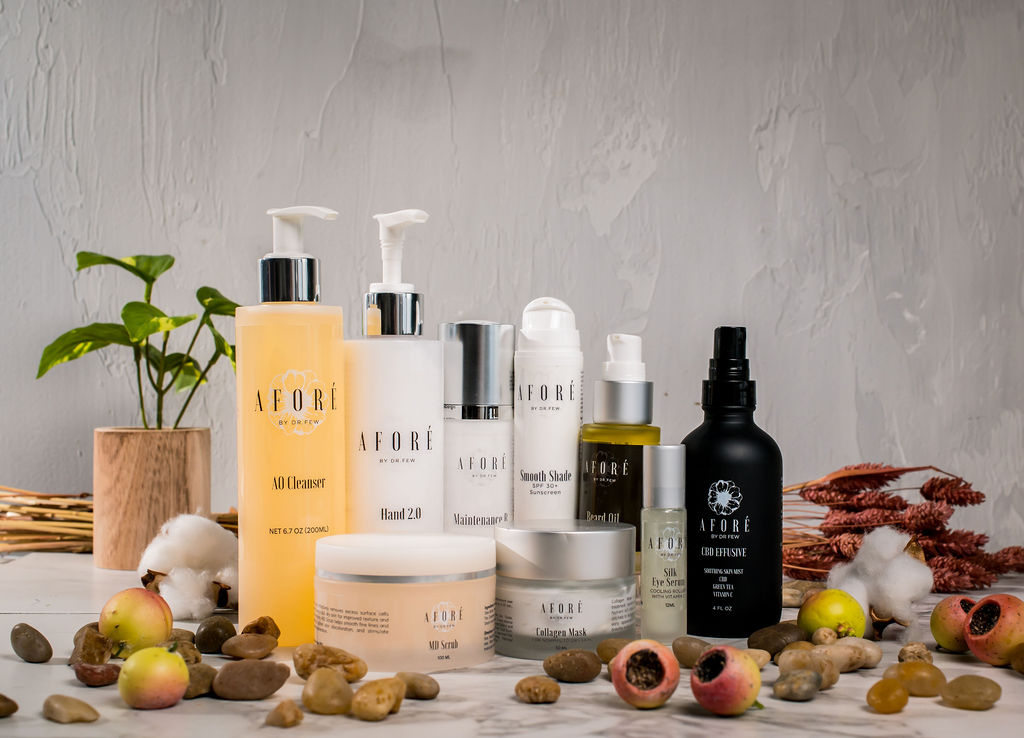
The success of Augustinus Bader and Dr. Barbara Sturm suggests that, when it comes to skincare products, consumers often believe doctors know best. But Bader and Sturm better hold on to their lab coats because there are plenty of emerging doctor-driven brands looking to compete with them in the skincare space. Aforé by Julius Few, Park Perfection, Dr. Lara Devgan, Rose Ingleton MD, Decree by Dr. AJ Sturnham, Virginskin and Dr. Anna Gold, which was created by a doctor of East Asian medicine, are merely a few that are giving consumers the skincare prescriptions they’re seeking, no appointments necessary.
Few, a plastic surgeon, says the know-how behind doctor-led skincare brands makes them appealing. However, he indicates the new class of doctor-led skincare brands isn’t the same as the one before it. He says, “I believe today’s doctor-led products tend to be more user friendly, while feeling good to use, and less about feeling it is a ‘medical’ treatment, but rather an experience that is backed by MD clinical investigation and research that allows for a spa-like experience that is relatively quick and easy yet as or more effective than past skincare designs.”
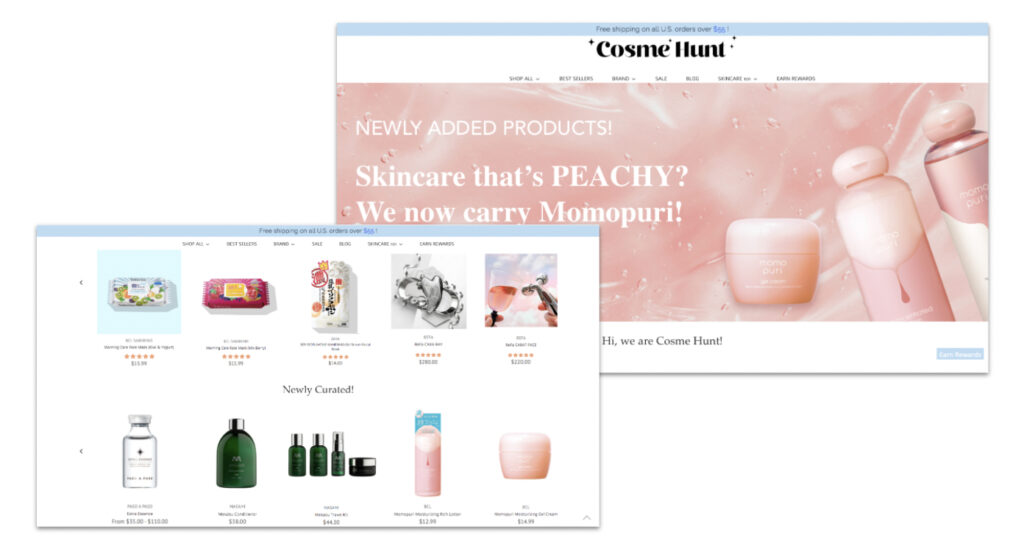
There’s nothing new about Japanese beauty. After all, the nearly 150-year-old beauty powerhouse Shiseido is one of the oldest and biggest beauty companies in the world. However, J-Beauty isn’t a movement that has made much of a loud splash in the U.S. In its relatively quiet way, though, J-Beauty could be due for an upsurge in the country. One reason is that there are several emerging companies bringing brands indie and otherwise from Japan to the States. They include The JBeauty Collection, Shikō Beauty and Cosme Hunt, which has launched a J-Beauty discovery box. Another reason is that the meticulous approach many J-Beauty brands take to products could find a willing audience today.
Hinako Sugioka, beauty advisor for Shikō Beauty, describes J-Beauty as focused on nourishing the skin. She says, “In contrast to Western ideals, Japanese skincare is focused on prevention and maintenance rather than ‘fixing’ imperfections or damage—and Japanese people take their skincare rituals very seriously.” Chloe Takahashi, CEO and founder of Cosme Hunt, mentions J-Beauty is characterized by minimalism. She says, “By using multifunctional Japanese products, you can shift your daily beauty routine to a way that does not involve wasting large amounts of products.”
Sephora has jumped on J-Beauty by launching the clean Japanese beauty brand Damdam. Takahashi highlights the Japanese brands Spa Treatment and Fermenstation. Spa Treatment is known for its microneedle products, and Fermenstation produces bioethanol from a fermentation process as a base ingredient for its beauty products.
As nostalgia for all things pre-Y2K hits a fever pitch across the consumer landscape, and merch from beloved brands becomes as coveted as the actual products those brands make, cannabis brands are harnessing the combined power of those trends to raise awareness, build community, and drive revenue.
Flower by Edie Parker’s highly stylized accessories, which range from branded lighters and T-shirts to technicolor acrylic rolling trays, ornate pipes and grinder cases, look like they were pulled from a 1970s sunken living room conversation pit. “We thought we’d make some beautiful cannabis accessories for people in the way that we make our regular accessories,” says Parker. “That started the journey. Then, we made our Madison Avenue shop into a head shop and really just leaned into cannabis.” The branded weed-focused merchandise is a profitable venture for the brand. Like Parker’s whimsical handbags, her Flower by Edie Parker cannabis accessories are collectible items at luxury price points. Rolling trays start at $295, and a handmade glass bong Parker created with NYC artist Paul Arnhold retails for $795.
When Offfield founders Todd Hunter and Tony Fur were creating their CBD- and mineral-enhanced sports drink, they drew inspiration from remembering the active days of their youth, prior to joining the corporate world, that were filled with fun, recreational sports. Now, nearly a year in market, Hunter and Fur are excited to see a groundswell of people returning to sports like tennis and rock climbing for fun. “They’re gravitating towards nostalgia as a part of it because it reminds them of when they did something for the love of it,” says Fur. “That’s what we try to make sure is expressed in the clothing and apparel that we sell, as well as the imagery and packaging, so that people will re-embrace something they used to, and realize they don’t have to be the best at it, they just have to have some fun, and the benefits are magnified.”
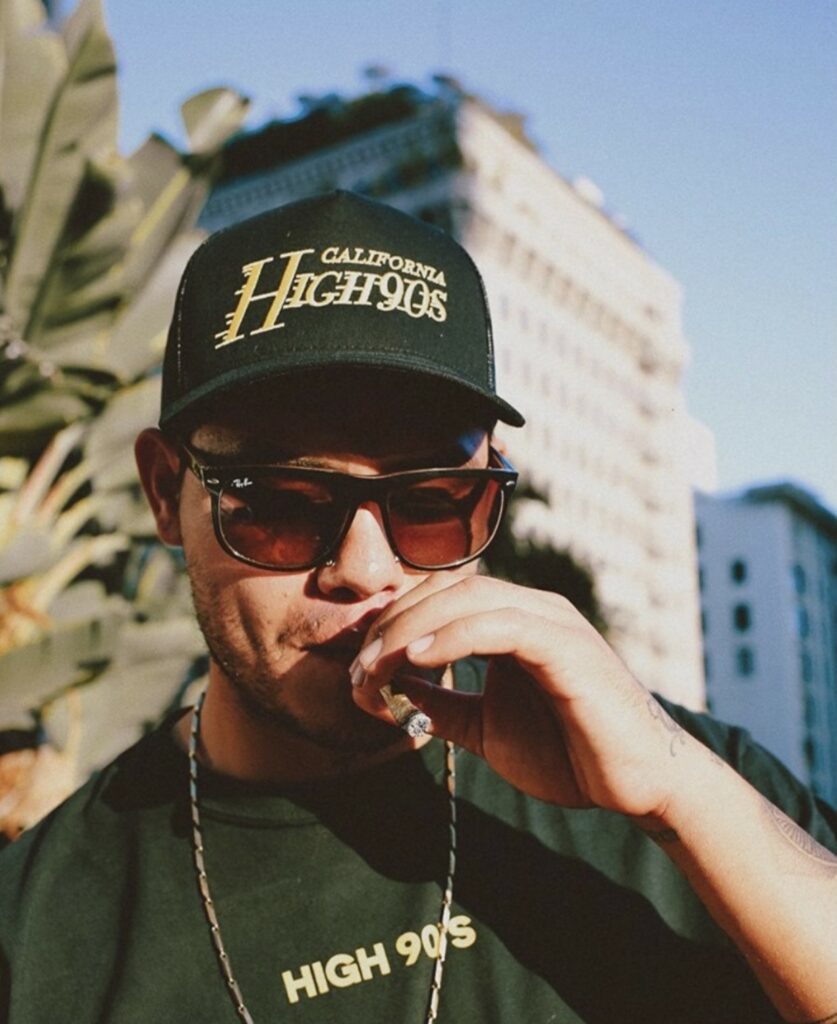
Offfield’s Instagram is peppered with vintage photos of celebrities engaging in all manner of sport. The brand’s logo is an old school smily face donning a headband and a single bead of sweat, which features prominently on the back of its long-sleeve tee shirts. Offfield has also created retro-looking sweatshirts and tie-dye shirts and shorts with “run high” printed boldly in black, akin to sleepaway camp gear popular in the 80s and 90s. For the tiny team, creating the merch was a test, and the apparel passed. “The initial intention was to give it out to people, have some fun with it,” says Hunter. “The benefit of being a DTC brand these days is you’re able to test things, ask questions, and see what people like. We were very lucky with some of our initial lines. They sold out really quickly. People said, ‘We love it. We want more.’” Cannabis brand High 90’s draws upon the history and beachy vibes of Los Angeles, where it and Offfield are based, as well as 1990s nostalgia in its products and apparel. “To share the 90s feeling with the widest possible consumer base, designing beautiful and timeless fashion pieces was a must,” says High 90’s creative director Kelly Tran of the brand’s carefree aesthetic. “Our apparel is made to be worn by anyone, anytime, anywhere. Versatility is key, and our subtle yet bright branding colors allow us to have more exposure and make people curious. We like design pieces that are eye-catching and express our love for fashion, California sunsets, the 90s and cannabis, of course.” The brand’s prerolls, popular on TikTok where they’re lauded for their potency, are powered with 30-40% THC and come in a variety of fun flavors, including its best selling gelato, strawberry and pink lemonade, further leaning into the brand’s laidback ethos.
The beauty industry has taken to sustainability with the ferocity of a lion spotting easy prey. Brands big and small are rolling out updated packaging, partnering with organizations to put carbon footprints on labels, reconsidering petrochemicals in formulas, and supporting nonprofits doing hard environmental work. But not every brand has awakened to the climate crisis genuinely or properly. More and more, they’re going to get called out for environmental missteps as they market sustainable initiatives without truly doing better for the planet.
Beyond consumers and influencers condemning brands for greenwashing, Lisa Leigh, founder of sustainability consultancy Amplify The Drop, points out the U.S. Federal Trade Commission and the National Advertising Division of the nonprofit organization BBB or Better Business Bureau will hold them accountable for misleading claims. The former director of global of regulatory affairs at Paula’s Choice and Rodan + Fields says, “In just the last couple of years, [there’s been] a substantial increase in the number of greenwashing claims, including biodegradability, questionable third-party certifications and nontoxic ingredients/products have been challenged in and out of courts.”
In particular, Leigh highlights that brands should be careful about their packaging assertions. She says, “A company may claim its product is ‘made of recycled’ material when in fact only a certain percentage of the packaging material is made from recycled materials…The entire product package should be made from recycled components or materials to be a valid ‘made of recycled’ claim, not just a small percentage.” Leigh recommends brands check out Green Guides that the FTC has published to outline general guidelines for environmental marketing claims. She explains the agency warns against “making broad, unqualified general environmental benefit claims such as calling a product ‘eco-friendly’ or ‘sustainable’ without saying why it is eco-friendly or sustainable.”
Feature photo credit: Maison 276
The players
5 mentionedTopicals

The Center
iS Clinical
Better Being
Under Your Skin