The Humble Deodorant Goes Bougie And Bankable
Now, the deodorant category is undergoing another transformation, with consumers reevaluating the role deodorants play in their routines. Rather than simply covering up undesired odors, they’ve become vehicles for desired odors at a moment when the fragrance category is on fire, signifiers of sustainable and healthy choices, and covetable premium goods rather than bargain commodities. Conglomerates, retailers and brands are trying to cash in on the category’s new cool.
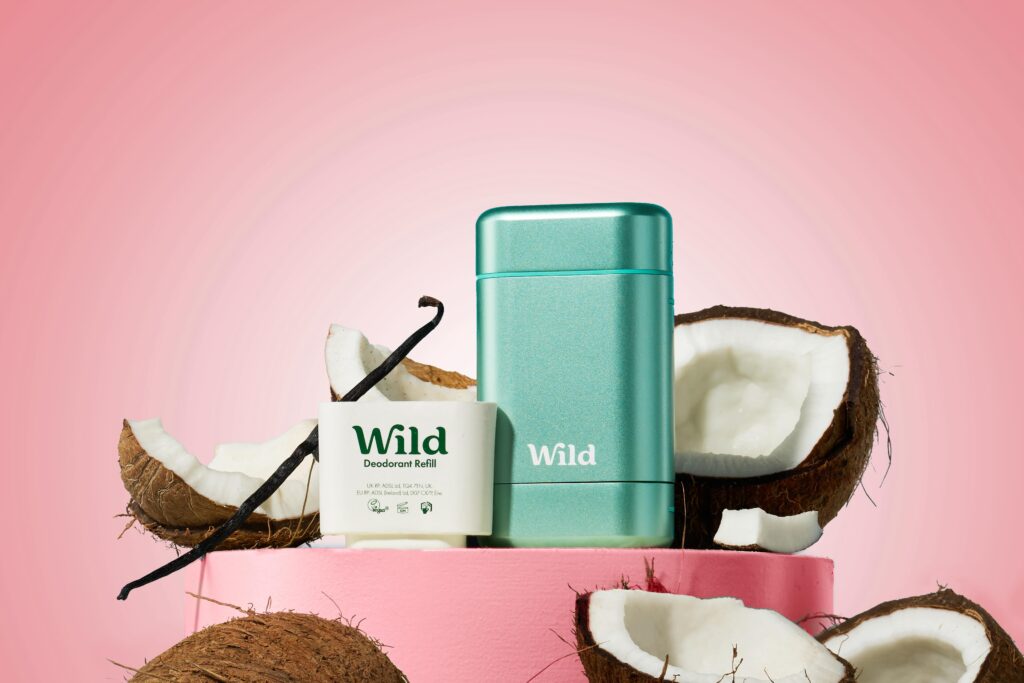
Unilever is reportedly closing in on a roughly $290 million deal for Wild, the No. 1 refillable deodorant brand in the United Kingdom, with sales up 77% to roughly $60 million in 2023. Available in nearly 60 retailers worldwide such as Tesco, Boots and Holland & Barrett, Wild added 1,928 Target doors to its retail roster on Sunday with $16.98 to $18.98 refillable deodorant starter packs containing a refill case and deodorant and $7.98 refills in the scents Coconut and Vanilla, Cherry Blossom and Fresh Cotton & Sea Salt.
Sunday was Target launch day for Curie, too. The brand that’s created scents with Ann Gottlieb, a fragrance developer with Calvin Klein, Dior and Dove on her client roster, landed in 1,001 doors with $12.99 clean deodorants in the scents White Tea, Coconut Nectar, Warm Vanilla, Santal Sage and Peach Soleil. Last year, the brand premiered in mass-market retail at Walmart, where it’s in 4,300 doors with 13 stockkeeping units.
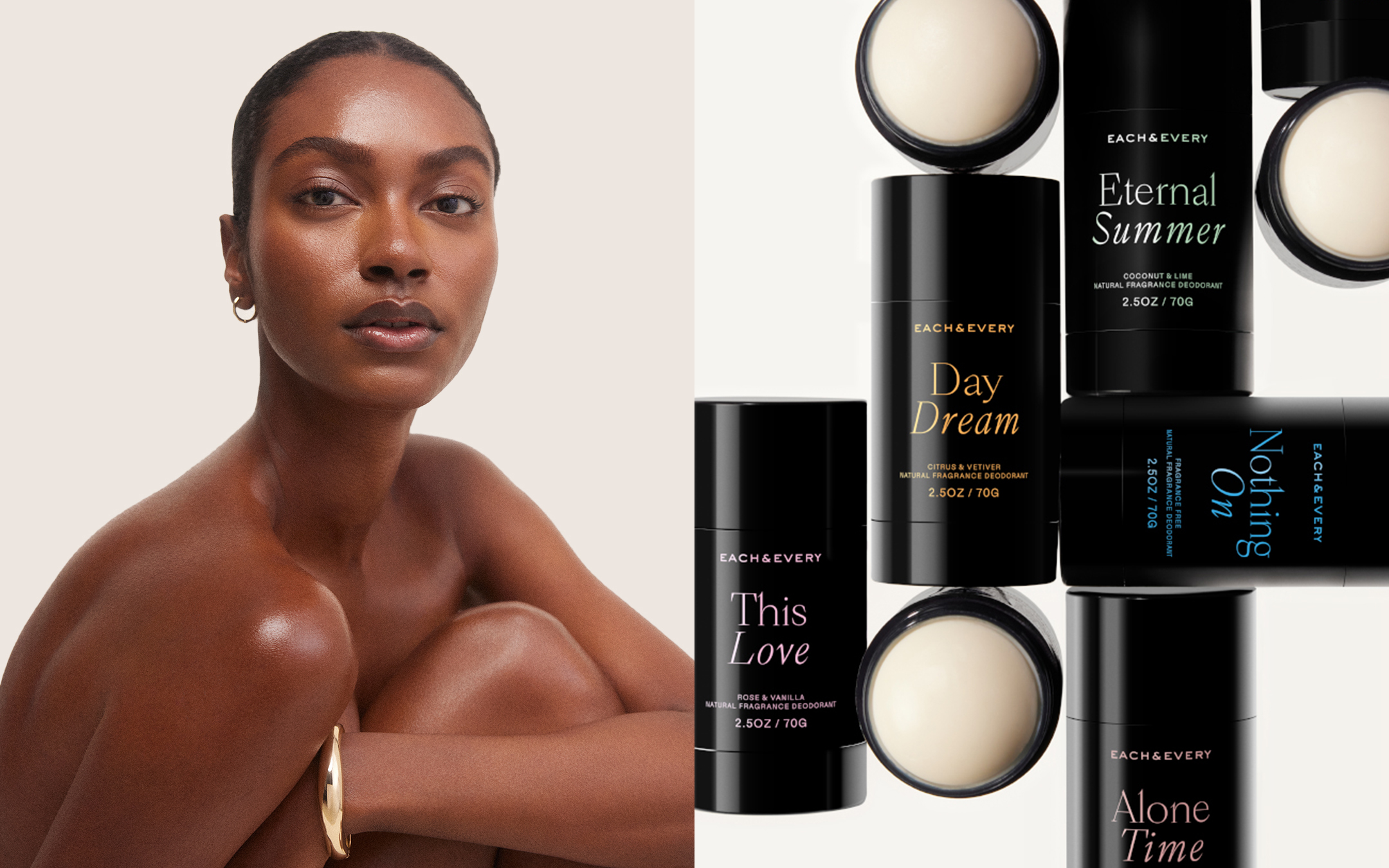
Ulta Beauty is rolling out Each & Every to 1,255 stores in March with $22 deodorants in seven scents, including lavender and lemon Sunday Morning, raspberry and mandarin After Glow, and coconut and lime Eternal Summer. The brand has undergone a sleek glow-up ditching its crunchy ingredient-forward packaging (think images of ginger and cardamom) in favor of shiny black. Its sales have been progressing at a double-digit pace this year, and it anticipates them accelerating to a triple-digit pace over the next year.
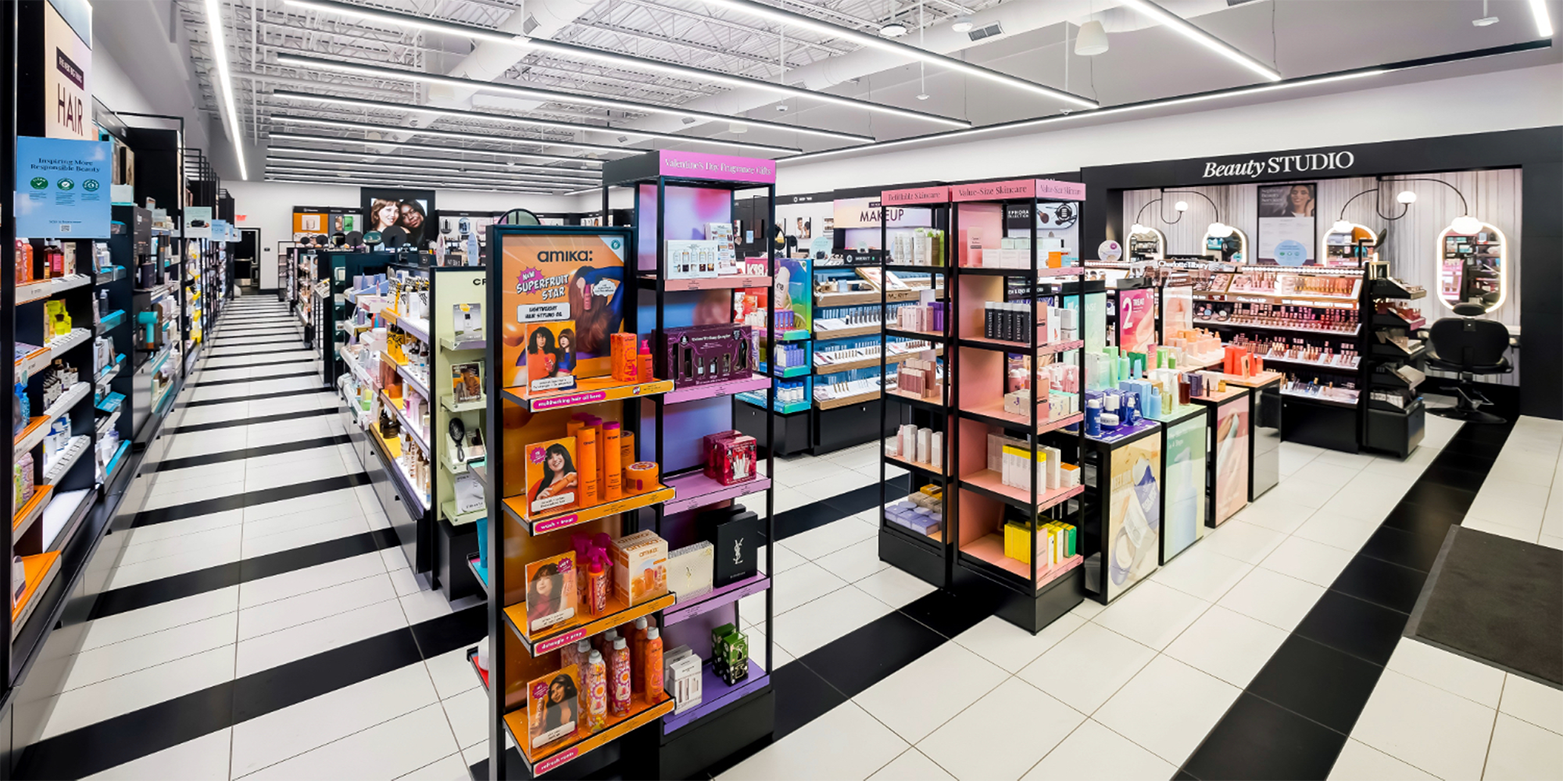
At Sephora, Credo and Erewhon, deodorant sticks and tubes are taking space amid the serums and eyeshadows. In the fall, Credo picked up AKT London, a natural deodorant brand that recently nabbed $7 million in funding from Felix Capital to bring its total funding to $10 million. Sephora stocks deodorants starting at $16 from Glossier, Kosas, Nécessaire, Maison Louis Marie, Dior and Salt & Stone, a brand that bagged investment from Humble Growth last year. Erewhon, the temple of bougie consumer packaged goods with Salt & Stone, Corpus and Monks in its deodorant brand crew, sells nary a one under $20. An estimate in The Wall Street Journal pegs the average price of deodorant at $6.54 per unit.
The retailers and backers of deodorant’s nouveau riche are betting the deodorant category is replicating the wider premiumization and momentum of body care, where products have leveled up their ingredients, benefits, scents and prices. According to market research firm Circana, body care has jumped to 7% of beauty sales versus 1% before 2020. Body care sales were up 7% last year, with growth driven by luxury and masstige price tiers. However, in mass, its sales advanced 6% compared to an overall 3% bump for beauty.
Referring to deodorant, Anna Mayo, VP of the beauty vertical at consumer intelligence company NIQ, says, “Consumers are willing to pay a premium for this personal care staple. What we are seeing now is a rise in the super premium price segment, with both household penetration and dollar sales growth outpacing other price tiers in the category. Looking at the growth in penetration by channel, Sephora and Ulta are benefiting from this trend the most as they add more super premium brands to their assortments. While super premium deodorants may be a smaller portion of the market, trends indicate that there are growth opportunities for the category within this segment.”
Salt & Stone founder and CEO Nima Jalali has seen consumer expectations for deodorants lift firsthand. “Our customers tell us they are drawn in by design, they get hooked on the intoxicating scents, and they stay because it outperforms the antiperspirants they are often switching over from,” he says. “Deodorant used to be something you hid in your bathroom drawer, while ours is living on the top shelf or even in our customers’ perfume collection. We hear a lot that, ‘This deodorant replaced my perfume,’ which is a testament to how intentional we are in our development process. It can take years and years to develop a scent.”
Fine fragrance, historically reserved for eau formats in perfume aisles, has crept into the deodorant territory, and Cynthia Sakai, founder of Evolvetogether, argues it makes deodorant more akin to a beauty than personal care product. The skincare and deodorant brand’s sales have been climbing 50% month-over-month. In 2023, Evolvetogether raised seed funding from True Beauty Ventures and G9.
“I see deodorants being fully integrated into the world of fine fragrance and beauty,” says Sakai. “No longer will they be seen as just a basic drugstore product. They’ll be considered an essential part of your beauty routine, with an emphasis on high-quality ingredients, sophisticated scents and an enhanced user experience.”
J.P. Mastey, founder of Corpus, agrees and highlights that his brand’s deodorants have multi-layered fine fragrances rather than single-note essential oil scents to enhance the user experience. He says, “It’s no longer just about controlling odor. It’s about creating a product that feels good, works well and offers a bit of luxury in everyday routines.”
Mastey contends upmarket deodorants are part of a larger movement regularizing luxury and offering, as has historically been the case with perfumes, an entry point into the luxury market for consumers. “Today, luxury is being redefined as something integral to daily life rather than reserved for special moments,” he says. “Modern consumers, especially younger generations, are seeking products that deliver more, whether it’s superior ingredients, exceptional quality, or intentional design. This shift is more than just a trend…People are increasingly willing to invest in items that align with their values and enhance their routines.”
Aligning with values means consumers are gravitating to deodorants that pay attention to their health and the environment. Although survey data and purchasing behavior don’t always line up, consumers have repeatedly told survey takers that they prioritize sustainable products and will pay premiums for them, even as they confront inflationary and cost-of-living pressures.
Evolvetogether’s deodorant packaging with 100% biodegradable paper and No. 5 plastic is made with 65% less plastic than similar all-plastic containers. Wild’s refillable deodorant case is made from aluminum and post-consumer recycled plastic, and its compostable refills are housed in 100% bamboo pulp. Wild has sold over 20 million refillable deodorants and calculates that it’s diverted 638,000 kilograms of single-use plastic from landfills.
“While people were starting to recycle in the kitchen, the bathroom was far behind,” says Eli Miansarow, head of brand at Wild. “Everyday items like deodorant, shower gel and shampoo were piling up as single-use plastic waste. Wild set out to change that: With just one reusable case, you have a lasting solution.”
Along consciousness about the health of the planet, consciousness about people’s health has them reconsidering the deodorant’s they’re spending on and willing to trade up as they avoid certain ingredients like the aluminum in antiperspirant. However, as physician Nabeeha Siddiqui notes in a post from the hospital Cedars-Sinai’s magazine, there’s no evidence supporting the claim that natural deodorants are healthier.
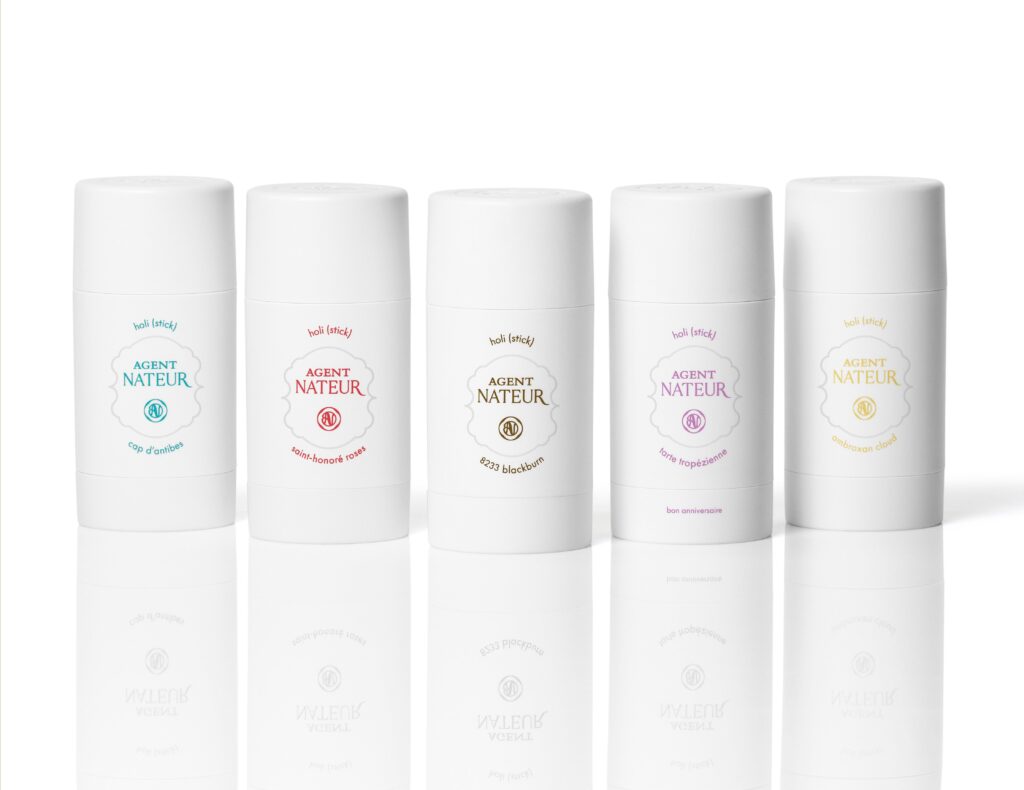
Jena Covello, founder of Agent Nateur, an early entrant in the luxury deodorant market with a $24 natural deodorant sold at Nordstrom, Violet Grey, The Detox Market and Bluemercury, says, “People are more health-conscious and want a gorgeous product that sits beautifully on their shelf versus the hippie-esque packaging that once defined organic beauty.”
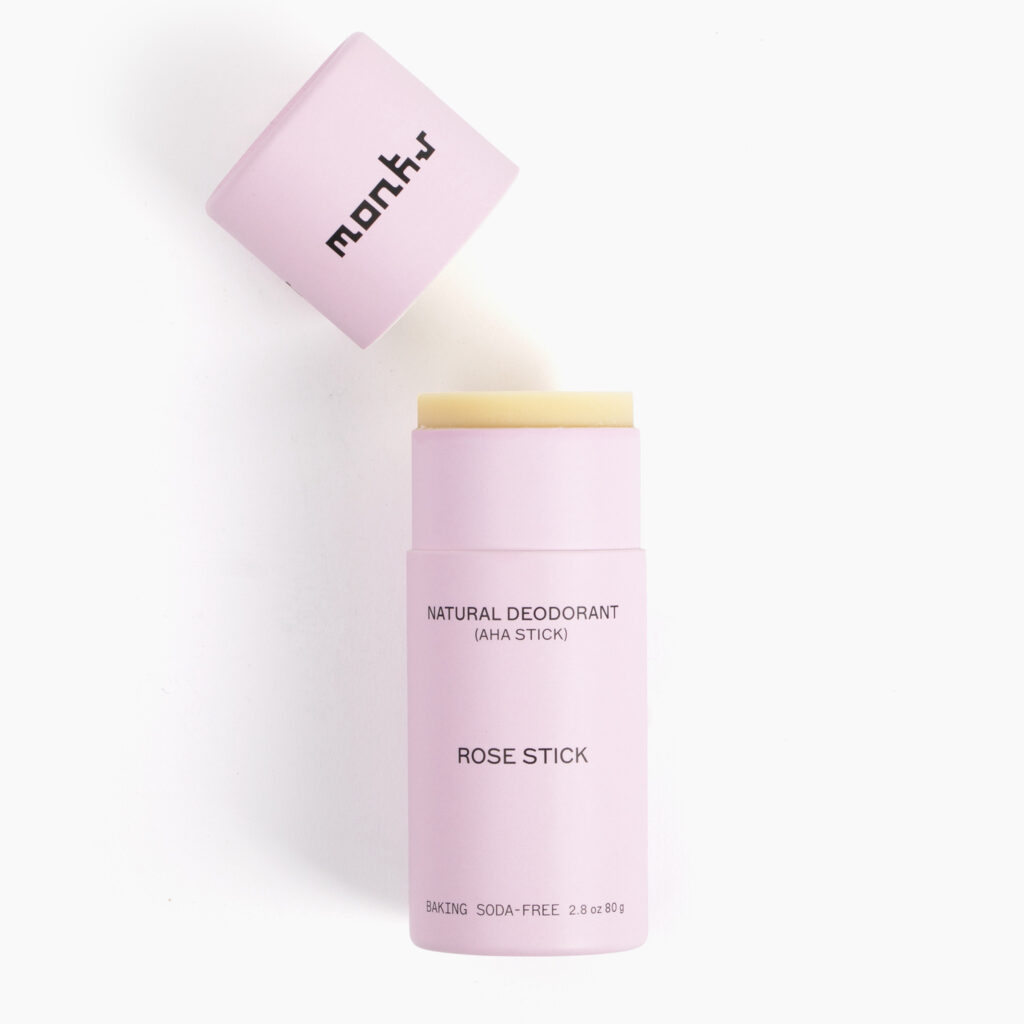
Concurring, Monks founder David Moshé Bakshi says, “The move toward higher-quality deodorants is also part of a trend toward general health-consciousness. Just as consumers are choosing to filter their shower heads or opt for grass-fed milk, I believe the same care should go into selecting personal care products. The quality of what you put on your body matters just as much as what you put in it.”
For a consumer that’s shelling out a pretty penny on supplements, smoothies, saunas and the latest fitness crazes to stay healthy, it makes sense to have an on-par deodorant. Sakai says, “Deodorant is no longer just a functional product, it’s becoming part of a daily ritual that people look forward to, much like making your morning matcha or dedicating time to your skincare routine. We want customers to look forward to using them, not just for their functionality, but for the ritual they become a part of.”
Going forward, Sakai envisions prestige deodorants having a greater presence at stores outside of pharmacies and big-box retailers, where price-sensitive customers are feeling strained and could limit the potential of masstige players. Covello and Rosie Jane Johnston, founder of By Rosie Jane, a clean fragrance brand with a $15 deodorant spray, forecast the deodorant category will see an upsurge in tie-ins with fragrances houses and collaborations, including ones with celebrities.
Mastey predicts deodorant’s posh push will continue, but presages it will come with “a shedding of brands that can’t deliver on quality or consumer expectations. Entering a hot market doesn’t guarantee success. Only those with truly better products will capture lasting consumer loyalty and retail support.”
The players
5 mentionedMomentous

Unilever
Ritual
Salt & Stone
AS Beauty