How To Sell A Small Beauty Brand, According To Founders Who've Done It
In the relative dark, entrepreneurs pursuing much smaller deals are entering sales processes that aren’t well understood. At Beauty Independent, particularly during a period in which institutional funding is especially difficult to secure and digital customer acquisition costs are high, we’ve been fielding questions from them about how to go about finding buyers for their brands.
To answer the questions they have, we talked to founders who’ve bought and sold brands and facilitators of small brand deals. Ahead, read about the steps they’ve taken to successfully execute a transaction and their tips for what to avoid in the sale process.
Being shy about the intent to sell isn’t a great tactic for getting a brand sold. Founders who’ve bought or sold brands counsel fellow founders looking to follow in their footsteps to spread the word, whether via social media or in-person networking.
For example, Joy Yap, who’s currently trying to find a buyer for her profitable brand Wyld Skincare, turned to a private clean beauty Facebook Group as the first stop for scouting for potential buyers. Of course, venue matters. Trying to sell a beauty brand on a message board for tractor supplies probably doesn’t make sense. Ideally, Yap wants an entrepreneur in the indie clean beauty community to take over her brand, so shared that Wyld Skincare is on the market in an arena where such an entrepreneur would be.
Her post in the clean beauty Facebook Group reads, “After seven years, I have decided to step out of my green beauty business Wyld Skincare to pursue new opportunities. I am looking for someone with green beauty experience (or similar) to acquire the business, to take over and to continue serving the green beauty community!”
In the fall of 2022, Katie Moloney, founder of Aila, a pre-workout supplement brand she sold to former Olympians Andrew Steele and Greg Rutherford in April last year, scoured her Slack channels to tap contacts with founders and others possibly interested in scooping up Aila. She says, “It was very similar to raising investor money in that you start with a few people, and they connect you to other people.”
Kim Lewis, co-founder and CEO of CurlMix, a textured haircare brand not for sale, has had friends offer their businesses to her because she’s often posting digital content about money and her role as CEO. Outside of social media, she advises founders seeking to sell their brands to think about members of accelerator programs or related initiatives with groups of entrepreneurs. She says, “It gets you closer to these deals that are happening, and you’ll be on the top of people’s mind when they’re ready to sell.”

Moloney recommends founders who’ve previously secured investment to inform their investors in advance of putting out feelers. Aila had investors preceding its sale, and they understood Moloney’s drive to sell the brand. “The industry is small, and if you start shopping around and your investors find out, which there’s always a high likelihood that they will, it’s not a good situation,” she says, adding, “The investors would rather see an acquisition in their portfolio than a shutdown, so it’s in their best interest to help and be supportive.”
The majority of brands holding company The Hedgehog Company has acquired, including beauty and wellness brand Prima, had investors in advance of a sale. Fan Bi, an angel investor and co-founder of the company, emphasizes the key to making the sale process smooth is for buyers to clearly communicate their vision.
“It’s just aligning expectations with founders, investors, lenders, critical vendors and saying, ‘Hey, from everything that we’ve learned about this business, this is the opportunity that we think exists going forward,’” he says. “Do you believe in this plan and agree that this is the right one for this business?”
Brokers are sometimes another party at the table. Moloney opted out of hiring one and doesn’t think a broker is necessary. Megan Cox, the founder of beauty lab Genie Supply who sold her brand Amalie Beauty in 2018, did. “I chose to work with a broker because, although I knew the ins and outs of my beauty business, I didn’t fully understand the ins and outs of selling it,” she says. “This allowed me to mostly focus on running my business while the broker met with and vetted potential buyers.”
The broker assisted Cox with organizing financial information and understanding the adjusted earnings before interest, taxes, depreciation and amortization (EBITDA) and appropriate multiplier for a sale price. The broker also gave her the lowdown on the required paperwork and negotiated the non-compete details and training of the new owner.
Cox points out that the size and scale of the sale will determine the best broker for it. “If your business is primarily e-commerce, an e-commerce broker (website broker) might be sufficient,” she says. “If your business is multifaceted, work with a brokerage that specifically has handled your type of business and transaction before.”
Brokerage firm Synergy Business Brokers’ typical brand clients are profitably generating yearly reviews of $700,000 to $100 million. Joseph Coculo, a senior M&A advisor at Synergy Business Brokers, discloses he receives a commission based on the value of the company he has a hand in selling once the transaction is done. The commission is generally 10% up to a sale price of $1 million and drops if the sale price is higher than $1 million.
Coculo mentions broker charges can vary, and brokers may levy upfront retainer, marketing or valuation fees. Synergy doesn’t levy those fees. Coculo says, “Some brokers will want you in a year contract, and the reason why they do that is because, if you break that contract, they want to hit you with marketing fees.”
To negotiate a sale contract, Cox and Melodie Reynolds, founder of Eluma Beauty Inc., the parent company of makeup brand Elate that bought Miiiko Skincare from founder Kimoko Foster-West in 2021, suggest it’s essential to engage lawyers. Cox brought in a lawyer to comb over the fine details in the sale contract and nail down the tax implications of the sale.
Reynolds says, “We negotiated in terms of what everything was worth, what the company had in terms of its balance sheet, how much we were willing to pay, how much we were willing to pay in good will. [Foster-West] herself as a founder had a payout that we negotiated. Even though it was two friends having coffee where the idea came from, it was exactly the same as if a large company is taking over a smaller company.”
There are differences, though, between a small company deal and a large company transaction. Steele remarks a small company deal doesn’t have as much red tape as a large company deal. “People assume it is a huge task to acquire an existing business, but it doesn’t have to be overly expensive or require expensive legal support in every case,” he says. “In CPG, there’s often not too many complexities as long as you can assess the reality of supply chain, brand, web traffic, retail relationships etc. There is very little room for skeletons in the closet.”
For Reynolds and Moloney, the transaction process lasted seven to nine months. In the diligence stage following the potential seller and potential buyer concluding they could be a fit for each other, the latter scours the former’s financial, legal and operational documents. Speaking to brand seller hopefuls, Moloney says, “Begin the process as buttoned-up as possible and have all your financials updated. Having all of that ready to go, it definitely makes things go faster, and then it’ll also put you in a good position in terms of looking prepared.”
Moloney stresses potential sellers should be ready to answer any and all questions. “There’s a bit of fear of looking, not desperate, but just too available sometimes when you’re going through this process because you don’t want to oversell, but I found when it comes to really direct questions about financials or supplier’s info, being prompt and direct is the way to go,” she says. “I think it’ll earn you a lot of respect and, again, it’ll help the process move along faster.”
Reviewing Aila’s documents took about two months. Moloney instructs potential sellers to, if able, complete due diligence before entering the next phase, letter of intent (LOI). An LOI is a document legally formalizing the transaction. Not uncommon, Aila’s LOI mandated the brand stop shopping itself around. “It basically held us to that buyer, which can be really difficult if they haven’t done any diligence yet or you don’t know if they’re serious,” says Moloney. “It’s really at a disadvantage to the founder.”
For brands that aren’t profitable or founders simply finished with the grind of being an entrepreneur, Melody Bockelman, founder of beauty brand development company Private Label Insider, underscores there are ways to sell off parts of their businesses. On the website BizBuySell, she highlights founders can input their brands’ revenues along with the assets available, and it will estimate a sale price. Bockelman lists branding, products, newsletter subscribers and social media followers among sellable assets.
“As founders, we feel like we failed, and we kind of walk away in shame, whereas we don’t quite realize, no, we have built something amazing,” she says. “And even though you may not have hit your sales goal or your revenue goals, you still built a whole business that has assets to it.”
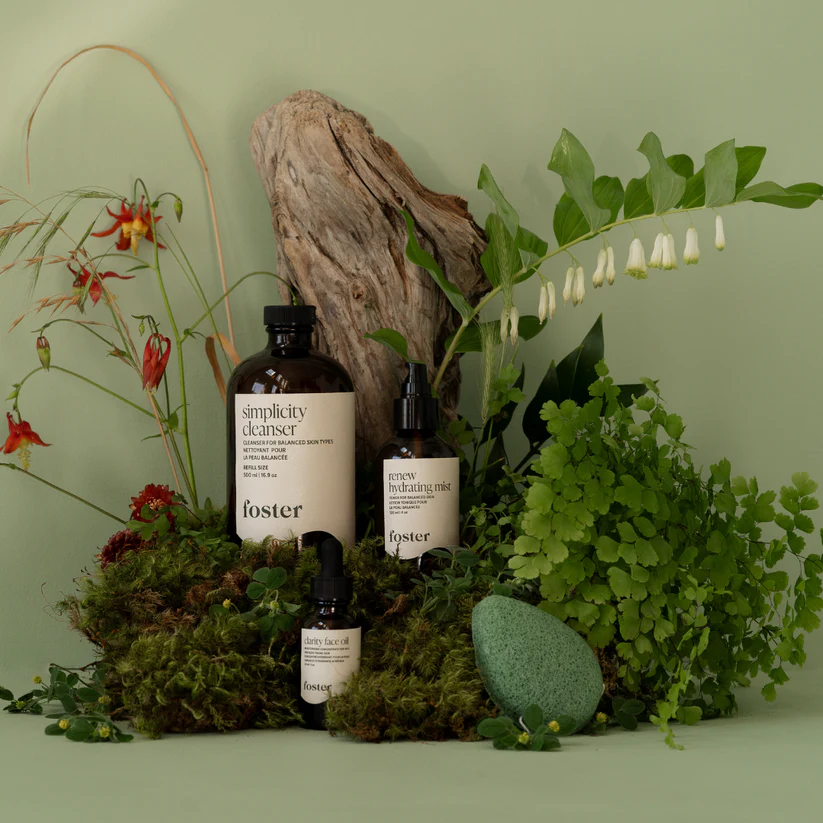
Bockelman continues that, for entrepreneurs just beginning their journeys in the beauty industry, buying the social media account of a brand that’s interested in selling can provide a head start. Bockelman says, “It’s so much easier to start above zero.” Lewis bought the Instagram account, Facebook Group and mailing list of a large account dedicated to 4C hair. She connected with the account through word of mouth and discovered the process of taking it over wasn’t as complicated as she imagined, but the price wasn’t as defined as the price of an entire brand.
Lewis recommends negotiating the price and paying in installments. “Let’s say, for example, they’re asking for $30,000. You can spread that out over 12 months, so you’re paying $2,500 a month rather than everything upfront, or you can barter,” she says. “You can sell someone something else that you have in exchange for these other assets.” She adds, “It’s not so black and white, and the valuations aren’t so clear.”
Founders play various roles post-acquisition. Some completely sever business ties to their former brand, and some prefer to step out of the founder position and into an executive position. In either situation, Steele notes it can be beneficial for buyers to maintain a personal relationship with sellers.
“There will undoubtedly be questions and insights you need, even if very informal, post-acquisition and having a clear and transparent relationship with someone who has been there from day one is very useful,” he says. “No matter their motivation for selling their business, or your perception of how good or bad a job they had done, they have knowledge which is of incredible use to the newly acquiring party.”
Customers frequently have a bond with a brand founder. Aware of that bond, Eluma had it in its contract with Miiko Skincare that Foster-West would participate in marketing videos and social media content leading up to the transaction and six months after. Reynolds explains, “It was basically her introducing me as the new owner of the company, also referencing that her two employees were coming with us so the customers would still see familiar faces and really just paving the way for us to capture the hearts and minds of those customers again.”
Even with Foster-West’s content, Eluma received a bit of pushback from customers when it acquired Miiko. Reynolds describes pushback as inevitable. “Regardless of how well you handle your media, there are still going to be people that have opinions about the takeover or about an acquisition in any case,” she says. “So, it’s just trying to speak to those loyal customers and speak to them in a way that makes them feel like they’re part of the journey and recognize that there potentially will be naysayers as well.”
The players
5 mentionedEluma Beauty

Kering Beauté
AS Beauty
Too Faced
Aesop