Gen Z Brand Playface Looks To Rebuild Trust In Sun Care With “SPF Receipts”
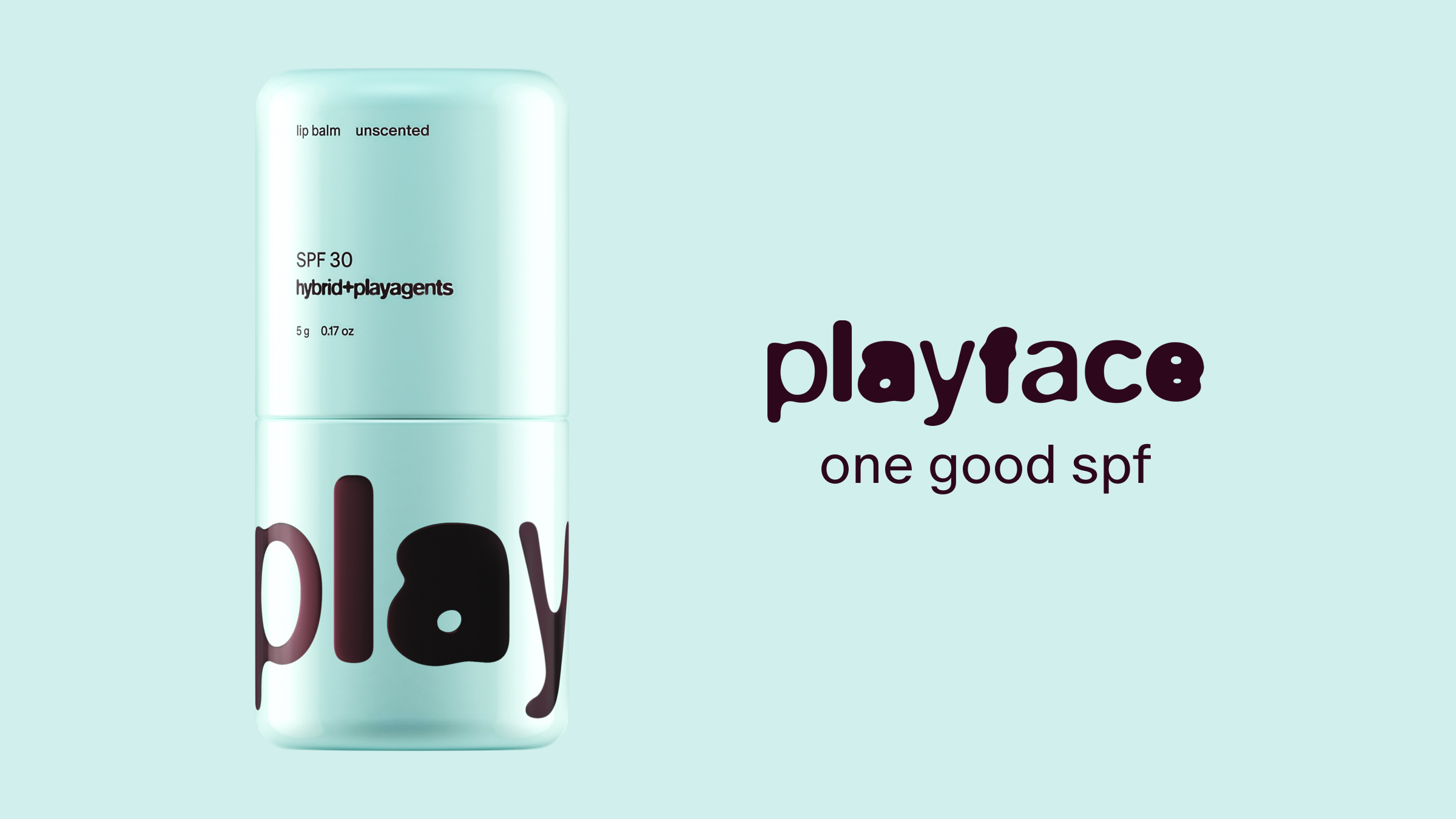
Founded by Sydney-based Benjamin Price, who previously started Snüx, a now-closed ski apparel brand carried by REI, Christy Sports and Intersport, Playface is preparing to enter the market in June with a lip balm as part of a broader sun care play spanning face and body products. The balm blends chemical and mineral ultraviolet filters with skincare ingredients and comes in an eye-catching teal tube meant to marry formulation performance with distinctive branding.
“The biggest challenge will be, how do we get someone to switch from Naked Sundays or Ultra Violette to Playface?” says Price. “For us, that’s going to be about delivering on the sensorial feel of the product, but also how it can connect to the customer better than the incumbent and reflect how they live their life.”
Ahead of Playface’s launch, Price created SPF Observatory, a website that compiles publicly reported sunscreen recalls and SPF testing controversies from sources including Australia’s Therapeutic Goods Administration, nonprofit consumer watchdog Choice and media reports. The project is a direct response to Australia’s 2025 sunscreen scandal, in which 16 of 20 sunscreens failed to meet their marketed SPF levels in Choice-commissioned testing.
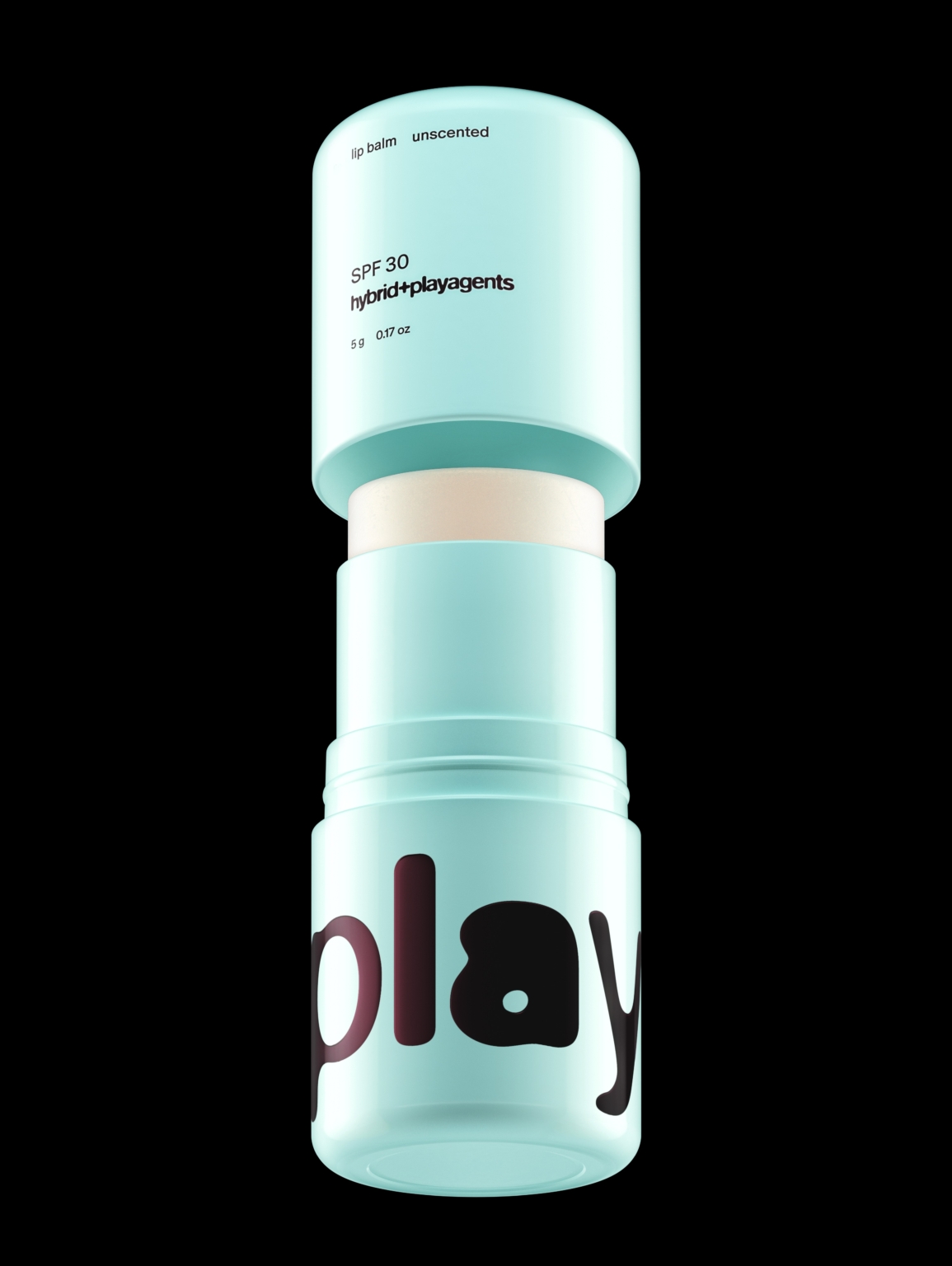
The scandal informed Price’s decision to partner with a South Korean manufacturer rather than an Australian manufacturer for Playface’s lip balm. The brand has named the ingredient complex at the heart of its formula Hybrid+Playagents. The formula contains the ultraviolet filters bemotrizinol (Tinosorb S), ethylhexyl triazone, diethylamino hydroxybenzoyl hexyl benzoate (Uvinul A Plus) and zinc oxide. Once Playface launches, it will disclose its manufacturer and SPF testing provider on an “SPF receipts” section of its site.
Playface has tapped Ollie Monks as a new product development advisor. Monks formerly served as head of new product development at telehealth company Eucalyptus, which was acquired by Hims & Hers Health in a $1.6 billion deal. He is currently COO of liquid fashion tape brand Clutch Glue.
The manufacturer and testing facility disclosures are part of a trust-rebuilding exercise in the sun care space. Price says, “Trust has completely collapsed, where people are very skeptical about the brands. Especially for the core group that we’re going after, skincare-literate aficionados, trust for them is broken.”
In another trust-building tactic, Playface is turning to expert content creators and content creators steeped in gen Z culture to spread the word. It plans to produce a Vice TV-style docuseries to convey its customers’ daily realities and how Playface is a part of them. “A lot of brands will look to do all the photoshoots they can and use UGC as an amplification strategy, but our core strategy is to hero the audience,” says Price.
With limited resources, Price elected for Playface’s entrance into the market to be lip balm due to the product’s current popularity, thanks in no small part to Summer Fridays, its high usage rate—he estimates consumers apply it four to six times a day—and its ability to serve as a functional billboard for the brand. He explains the brand chose SPF 30 for the lip balm because that’s been the sales fulcrum for lip balm with sun protection, although it was rated up to SPF 60 in testing.
Lip balm has the advantage of being a relatively easy product for trial. Price says Playface’s is the step prior to lip gloss or lipstick application. Unlike makeup-adjacent lip balms that imbue shine, Playface designed it to have a natural shine that dissipates rather than imparting a glossy finish. He characterizes it as not sticky or leaving a white cast. The balm comes in two varieties, unscented and Coolmint. Playface expects to extend into facial sun protection products at the end of this year or early next.
The lip balm’s pricing isn’t yet finalized, but it’s expected to land around 15 to 22 Australian dollars or about $10.50 to $15.50 at the current exchange rate. Playface positions itself as crossing genders and squarely in masstige, enabling it to be grounded in scientific verification while tapping into a broader market of cash-strapped gen Z consumers than prestige brands.
“It’s intentionally gen Z playful. We wrap it around lab and science cues. The brief to our branding person was: How can we bring this emotional feel of a modern gen Z brand with pops of color and then center it with being lab-driven, formula-driven?”
Masstige positioning will allow the brand to sell at retailers up and down the retail value chain. “We want to be where our customers are,” says Price. “They shop everywhere from Sephora to Priceline. Initially, we think we need to be in specialty retail, so Mecca and Adore Beauty are targets, and then we would look at Priceline and Chemist Warehouse. In the U.S., the retail landscape is quite different, so when we go there, we will look at Ulta as well as CVS and Walgreens.”
In spring 2023, Price participated in the Boulder cohort of the venture capital firm Antler’s startup residency program. Self-funding Playface, he estimates it will take 60,000 Australian dollars or roughly $42,000 to bring the brand to market. Within weeks, he’s embarking on an angel round with the goal of securing around 300,000 Australian dollars or $212,000. He doesn’t anticipate pursuing institutional funding for at least eight months. The aim is to sell 5,000 to 10,000 lip balm units in Playface’s first year. The brand forecasts first-year revenues of around 450,000 Australian dollars or nearly $319,000.
The brand is concentrating at the outset on Australia. In 12 to 18 months, it could expand to the United States and United Kingdom. Price says, “With Snüx, we wound up in France, Japan, Europe and the U.S. I think geographic focus is critical.”