Exploring The Benefits And Opportunities Of Solid Beauty Products
“While liquid body washes and other competing products have entered the market and offered consumers a wide array of alternative cleansers, consumer interest in solid beauty products has returned alongside the growing interest in sustainable product claims and waste/energy reduction,” says Anna Keller, senior global analyst of beauty and personal care for market research firm Mintel.
According to market research firm The NPD Group, sales of prestige skincare in bar, solid and stick formats were valued at around $3 million in the 12 months ending March 2022, with sales of prestige solid facial cleansers increasing 15% in the period.
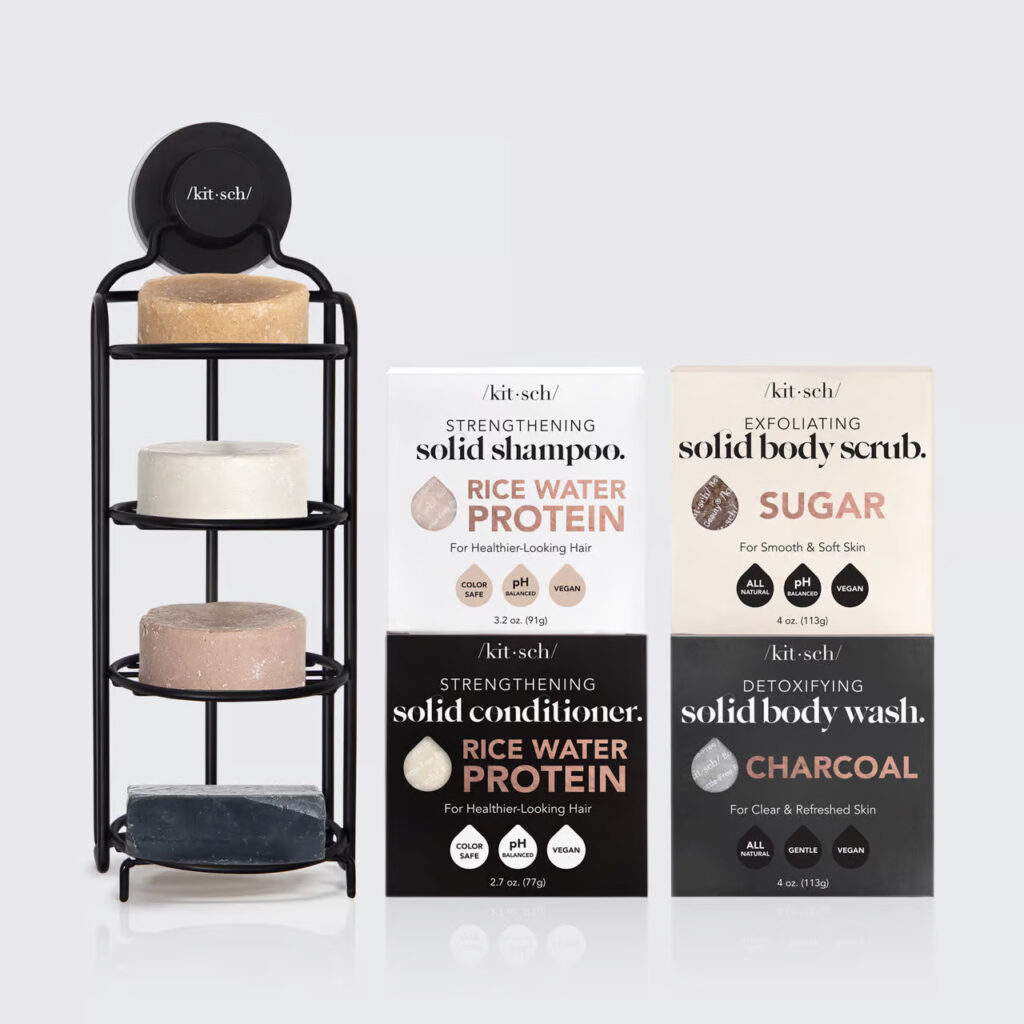
Cleansers are just the tip of the iceberg in the solid beauty space. Moisturizing bars, serums, shampoos, conditioners and perfumes have broken into the solid market over the years, showcasing the expanse and potential of the category.
In this white paper, we will go over the benefits of solid beauty products, areas of opportunity in the category, marketing and formulation challenges brands may face as they venture into the solid arena, and where it’s heading next.
Solid Beauty Benefits
Mintel recently released a global outlook consumer study on sustainability that revealed the majority of consumers believe in climate change. “It’s becoming increasingly important for companies and businesses to address people’s anxieties and take the lead in creating a sustainable future,” notes the study. “Consumers still feel like they can make a difference, but they expect businesses to take responsibility for preventing further environmental damage.”
Solid beauty has advantages from an environmental standpoint. Solid beauty products come in nontraditional compact, solid formats. Their formulas contain little to no water. Water scarcity in many regions of the world—around 1.8 billion people will face water scarcity by 2025, according to United Nations agency UNICEF—is prompting the demand for more conscious use of the resource by companies. Cosmetics often have high concentrations of water, with the ingredient regularly popping up first on INCI lists. The reduction or elimination of water is part of the equation of reducing cosmetics’ water footprint.
Given their solid form and minimal packaging, bar products are highly portable and travel-friendly. The products are a fraction of the size of their liquid counterparts, making them lighter and easier to transport, generating lower emissions. Mintel identifies emissions as another area of concern for consumers. More than 60% of global consumers agree that they “would prefer for companies to reduce their own carbon emissions rather than use ‘Carbon Offsetting’ programs outside of their own area of business.”
Packaging plays a role in carbon emissions, and solid beauty products tend to have less packaging. According to a 2008 report by market research firm Euromonitor International, the beauty industry churns out 120 billion packaging units annually and only a fraction of them will get recycled. Most are landfilled, incinerated or littered, eventually ending up in the ocean. In a lot of cases, solid bars are enclosed in recyclable packaging options like cardboard or tin containers, cutting down or removing plastic altogether.
The Evolution Of Solid Beauty Products
Sara Turchetta, VP of private label at beauty manufacturer Europelab, highlights that new technology, formulation and manufacturing methods have injected innovation into the solid beauty space. She says, “The difficulty of creating a solid facial serum as an example is that, when you apply it, you don’t want it to just sit on the skin epidermal layer, you want to make sure the actives get delivered within the skin for visible long-term results.”
Micro encapsulation is among several technologies that Europelab utilizes for solid beauty products. Other advancements include solid dispersion technology and extraction technology. Turchetta describes micro encapsulation as “a protective shell to shield the ingredients from degradation, so they enhance not only their stability, but it also allows a gradual release of the active ingredients in a controlled way within the skin.” Micro encapsulation can help bring ingredients like vitamins, antioxidants and peptides to the skin.
She adds that the sensorial characteristics of solid beauty products have improved. Turchetta says, “With this evolution came the opportunity to provide products that went beyond haircare and bar soap and include facial serums, more efficacy-driven products using natural and organic-certified ingredients.”
The technologies employed will differ depending on the product’s purpose, ingredient selection and formulation method. Not every manufacturer has the same solid beauty product capabilities. The manufacturer vetting process is important for founders looking to launch or expand into niche categories like solid beauty. Turchetta says, “It’s not only what you use and how you formulate, but what are the methods of manufacturing that could be unique to a lab that will improve efficacy and elevate overall the formulations?”
How Brands Can Branch Into The Solid Beauty Space
Keller points out that versatility in the solid beauty space has grown greatly. She lists water-free exfoliating bars, solid shampoo and conditioner bars, “hydration delivery systems” and treatment products as examples. She says, “Fun features like massaging nubs in the bar can be incorporated into product development to make a solid beauty product that performs and will encourage repurchasing.”
Looking at consumer interest in the soap, bath and shower category, Mintel reports that products with a long-lasting fragrance rank high on the list. Keller says, “Fragrance application is a major opportunity in solid beauty and requires innovation in rinse-off fragrance deposition.”
The skinification of body care is an area of opportunity, too, she says, calling out ingredients like niacinamide. “This will propel the need for more ingredient callouts as well as claim substantiation to build trust and enhance education,” says Keller. Turchetta elaborates that multifunctional products like all-in-one balms and facial cleansing bars with exfoliating properties could be sources of growth in the solid beauty category.
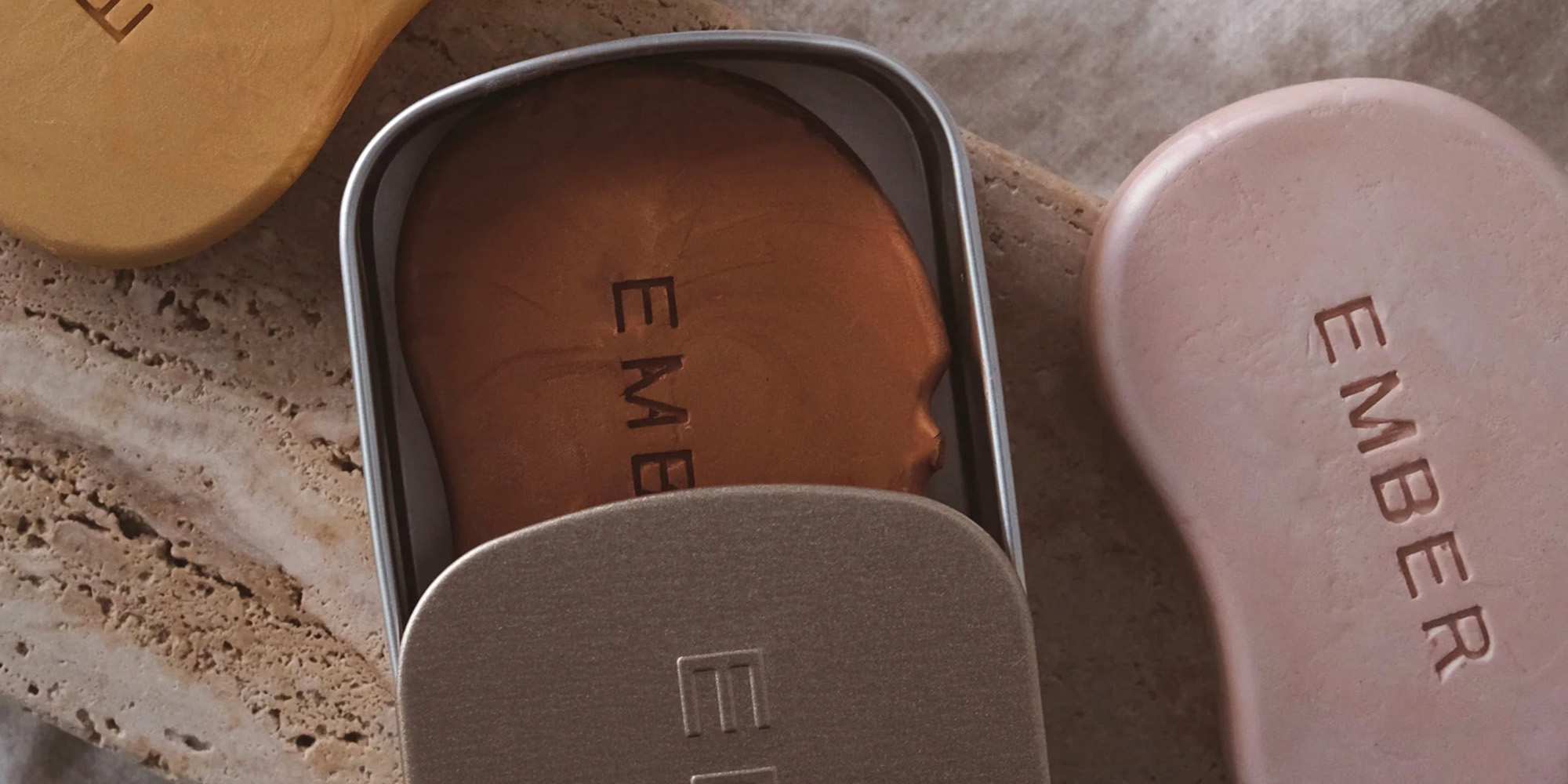
Last year, indie beauty brand Ember Wellness launched Sculpt & Glow Bar, a three-in-one bar shaped like a gua sha and intended for the face. Of the product, Turchetta says, “A lot of people were already using highlighting sticks and tools like gua shas, and this provided a quick one-step, all-in-one comprehensive skincare routine, incorporating key skincare actives, shaped and used as a gua sha for benefits including circulation, lymphatic drainage, relaxation and tension, contouring and firming along with enhancing product absorption.” She continues, “There’s going to be some expansion in terms of how to create these new ways of taking care of yourself and making it feel luxurious in a solid format.”
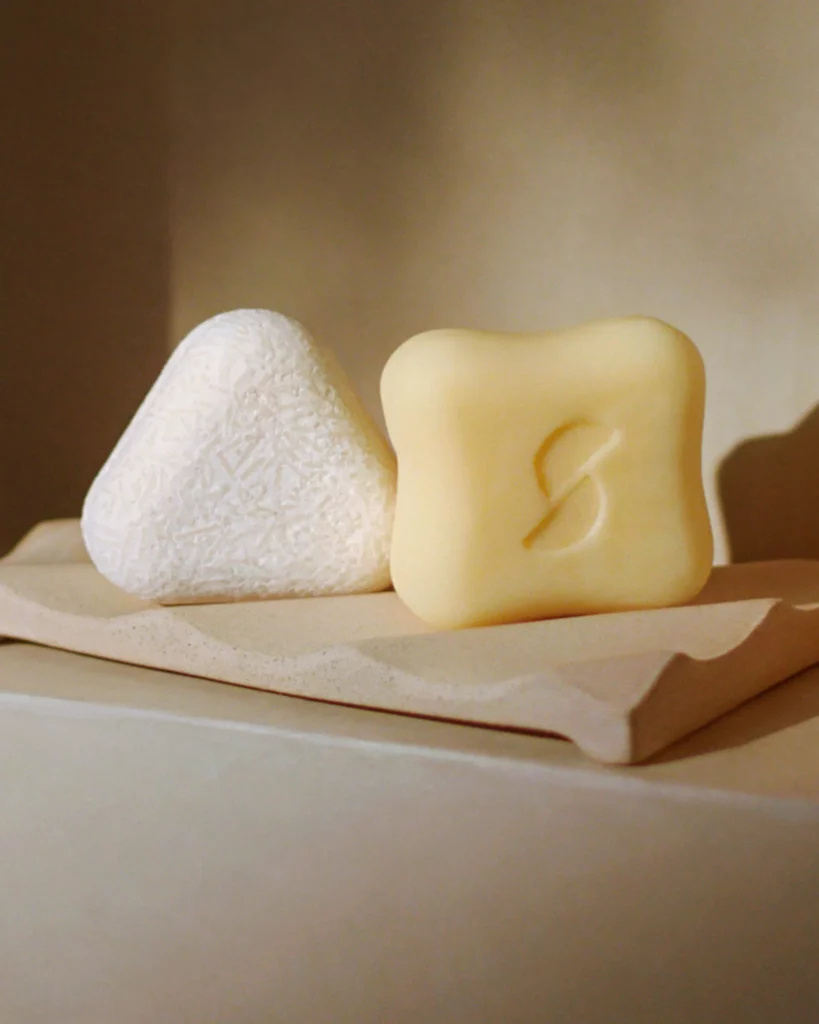
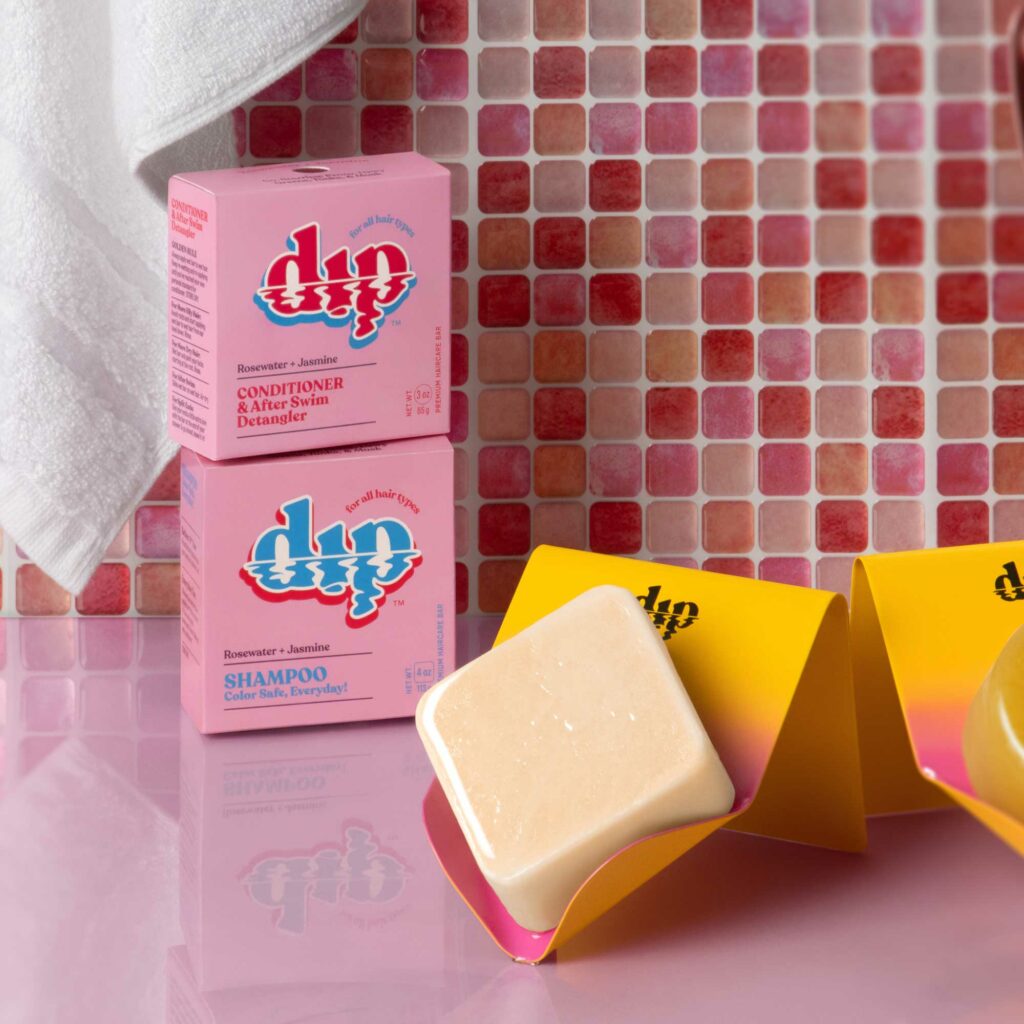
Reimagining products already on the market into unique solid formats is a core strategy for breaking into the solid beauty category. Plastic-free haircare brand Superzero’s solid shampoo and conditioners feature a proprietary 360 triflex complex bond building technology similar to the bond building technology made popular by Olaplex. The brand has newly introduced a frizz-fighting serum treatment bar. Turchetta says, “It is easier to get people to adopt something that they’ve already seen before, but now it is being redesigned and repackaged to be more multifunctional or more sustainable.”
Getting Customers On Board With Solid Beauty
Consumer adoption has been slower than the advancements in the solid beauty category. Mintel figures that, in 2022, 38% of adults in the United States had tried body care products in bar form, 30% were interested in trying them, and 32% weren’t interested in trying them. In 2022, 26% of adult haircare users were interested in shampoo and conditioner bars. In 2023, 30% are interested in the solid haircare category.
Convincing the modern skincare consumer that solid formulations are an attractive and effective alternative to liquid formulations is crucial for the success of solid skincare, but it can be hard to change consumer habits. Turchetta says, “There is a learning curve for people to get accustomed to going from traditional beauty products to solid formats.”
There are limitations from a formulation standpoint as well. “There are still some restrictions as far as certain actives that can be used,” says Turchetta. “Solid beauty products are more sensitive to high temperatures, and they can soften or they can even melt in warm environments. There are packaging challenges and hygiene concerns because there’s direct contact with the skin.”
Turchetta advises brands to lean into the sustainability angle of the solid beauty products and stress they have minimal packaging, lower emissions and are travel friendly, particularly when marketing toward gen Z and gen alpha consumers. According to a Global Voices survey conducted by e-commerce company ESW of more than 16,000 international participants, 70% of younger consumers in the U.S. and United Kingdom are shopping with concern for the environment and 60% of consumers report spending more on a product because it is sustainable.
Partially thrust by environmental concern, Turchetta believes that a less-is-more approach to beauty will persist as a common beauty industry theme. She says, “The market is going towards and will continue to go towards simplicity when it comes to lifestyle in general and that includes skincare routines.”
For solid beauty products, to get people further down the learning curve, it’s crucial to ramp up consumer education via social media, brand websites and packaging. Turchetta says, “There has to be clear directions as to how they should be applied, how they should be used and proper storage of the products,”
The more solid beauty products that hit the market, the more familiar consumers will become with their benefits and usage. Turchetta notes that the more requests Europelab receives to produce solid beauty products, the more automation it can implement from the manufacturing side.
Right now, the solid beauty production process takes longer than the non-solid beauty production process. In turn, solid beauty products can be more expensive depending on the request. “There’s beauty in that, though, because it adds a more curated touch to the final product,” says Turchetta. “It’s an artisanal approach, and in that way, a more intentional process.”
The players
5 mentionedAS Beauty

Formulate
Olaplex
Under Your Skin
Too Faced