A Dozen Indie Beauty Trends Coming To The Fore In The Second Quarter Of 2022
But there are encouraging signs. After pendulum swings from one extreme to the other in areas like sustainable packaging and “clean beauty,” beauty decision makers tired of taking sides are acknowledging the nuances implicit in complex beauty industry conversations. And perhaps that’s just what indie beauty entrepreneurs do best: forge ahead despite challenges to get people to understand their views of the world. Below, read through the 12 trends we sussed out, and draw your own conclusions about whether indie beauty should be hopeful or mired in despair.
The United States Federal Reserve recently took its strongest defense measure yet against record inflation by raising federal interest rates by .75%, the largest increase since the 1990s. The measure is designed to cool off the economy, and many economists forecast a recession could occur this year or next as the government struggles to get inflation under control, although, to be clear, a recession isn’t inevitable.
To brace for the possible economic slump, beauty brands are shoring up their businesses. Melody Bockelman, founder and CEO of beauty brand creation consultancy Private Label Insider, has noticed brand clients exploring outside funding in lieu of business loans with escalating borrowing costs. She says, “Oftentimes, beauty entrepreneurs are bootstrapping or using very limited funds to grow their business, but in times like this that’s not a good idea.”
Procurement has been a significant pain point for brands amid the pandemic. Bockelman believes it will only get worse if a recession sets in. She’s advising brands to establish standing purchase orders with their manufacturers that they can draw from throughout the year. The strategy can lower ordering costs and maximize inventory efficiency. Bockelman says, “A standing PO allows a brand to get a 10,000-unit price, for example, but only hold inventory for 1,000 to 2,000 units at a time.”
According to David Schneidman, director at consultancy Alvarez & Marsal Consumer Retail Group, brands have to pay extremely close attention to their bottom lines as a recession looms. He counsels them to sharpen forecasts to maximize cash and sales, rationalize third-party spending and deftly manage essential supplier relationships. Schneidman says, “The majority of brands are pulling one of these levers, but there needs to be parallel work streams to tackle all at the same time.”
Optimizing cost efficiencies is another key area that brands should focus on. “Controlled fees like slotting fees and joint business plans should inherently continue, but should be looked at with a keener eye,” says Schneidman. Variable spend like discounting and promotions needs to be tightened up and should have a clear return on investment by way of incremental sales. Velocity uptick alone is not sufficiently valid.”
For the first time since the pandemic grounded jet-setters, leisure travel has returned to 2019 levels despite a spike in coronavirus cases and flight prices. To capture the attention of on-the-go consumers, some beauty brands are setting up shop in airports to meet them where they are—or at least meet them where they’ll be traveling through.
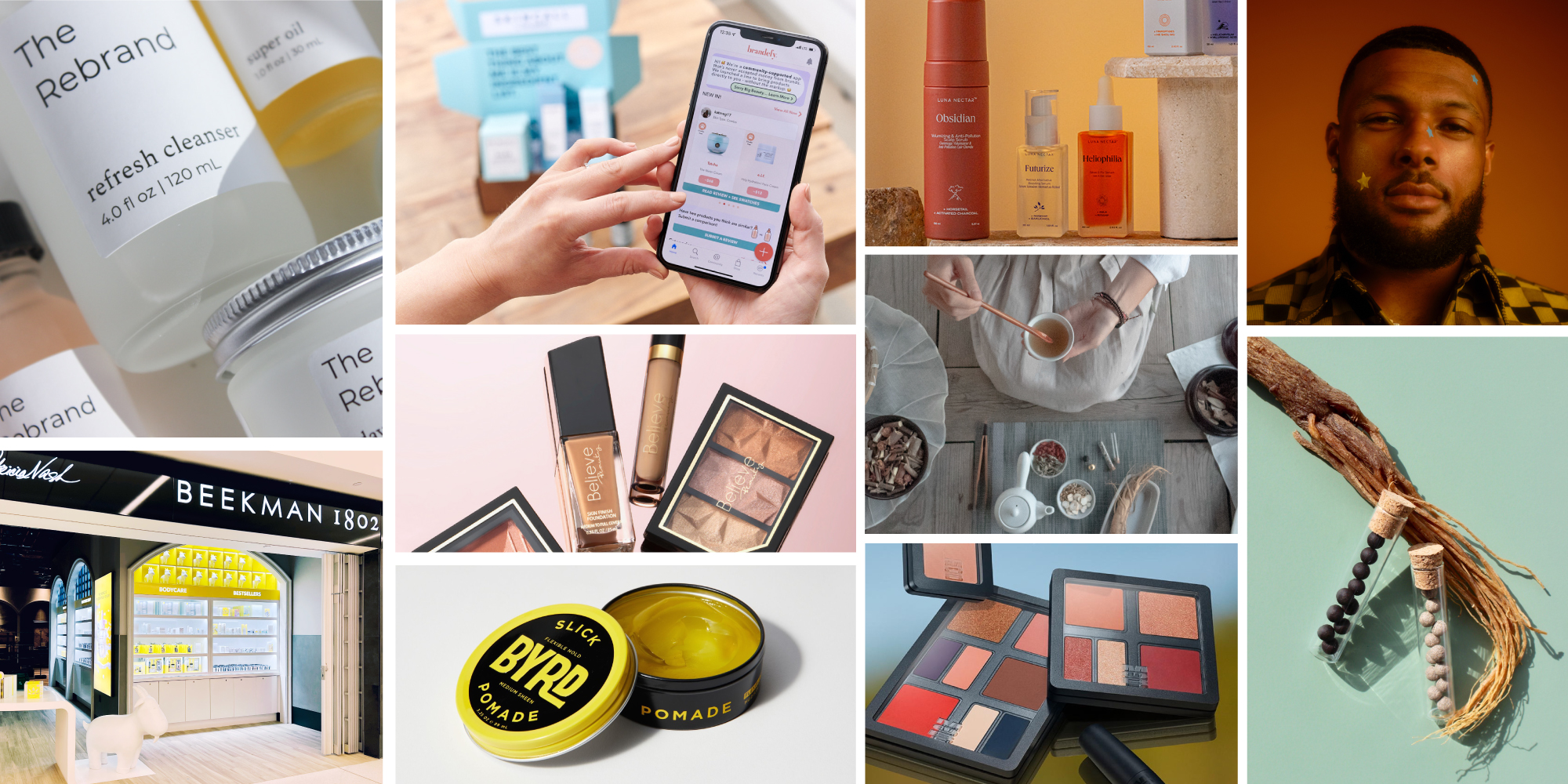
The brands aren’t necessarily standard fare as airports and concession companies seek distinct merchandise. LaGuardia Airport approached skincare brand Beekman 1802 to launch a Kindness shop-in-shop concept that opened this month. Alongside Beekman 1802 in the 600-square-foot space are the brands Le Labo, Patricia Nash and Briggs & Riley.
Suiting shoppers at the LaGuardia outpost, Beekman 1802 COO Tomei Thomas says the brand focused on TSA-friendly travel sizes. He says, “We know traveling can cause extra dryness on sensitive skin, so we wanted to offer a selection of goat milk products that are moisturizing and hydrating like our Bloom Cream Daily Moisturizer, Milk Shake, Whipped Body Cream and our travel skincare set.”
The skincare brand Non Gender Specific has been a major beneficiary of travel retail growth of late. The brand exhibits at the trade show TFWA World Exhibition & Conference to get in front of travel retail companies and taps the agency Harper Dennis Hobbs to assist it with participating in airplane shopping. Founder Andrew Glass told Beauty Independent, “In travel retail, they do want established brands with a sales history, but, if you have some good retailers and press under your belt, you have a good chance.”
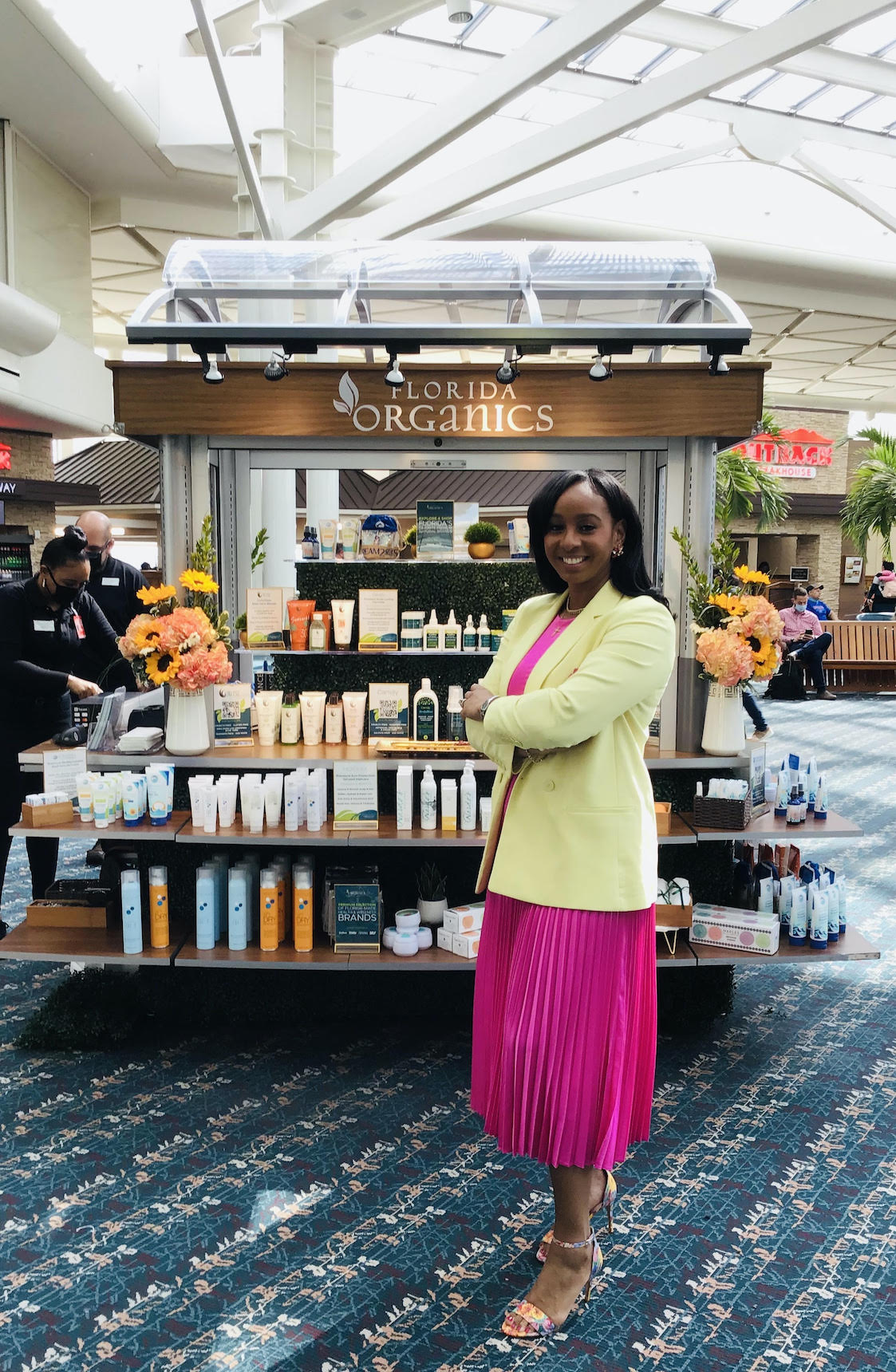
Sherrel Sampson, founder of Canviiy, partnered with the Greater Orlando Aviation Authority to put together a kiosk for the Orlando International Airport. The scalp care brand’s previous success with retail concessionaires prompted the idea. Along with Canviiy, travelers can pick up “stress-melting” products from Naples Soap Company, Key West Aloe, Stream2Sea, Nardo’s Natural, Healium Hair and Beloved Box.
Sampson says the concept “represents a new way of travel retail that connects and serves the personal needs of travelers as many are transitioning to healthier lifestyles and seeking to integrate natural and organic health and beauty aids to improve their quality of life.”
Travel retail is expected to account for 15% of Canviiy’s sales. The brand is also available at major chains like Sally Beauty and CVS. In the future, Sampson anticipates that on-the-go beauty and wellness will “morph in dynamic ways.” She says, “In years to come, we will walk into airports and see live yoga sessions for travelers to join, fresh gardens for travelers to pick vegetables and fruits of choice and have chefs prepare entrees/drinks on the spot. Exciting times ahead!”
Historically, professional skincare hasn’t been the province of pretty packaging. Michel Brousset, CEO of Waldencast, a beauty and wellness company that acquired professional skincare brand Obagi last year, suggests pretty packaging hasn’t been the point. “The reason we bought Obagi is because it is the crown jewel of the dermo-cosmetic market,” he told Beauty Independent earlier this year. “The reality is that it’s not intended to be a beautiful brand. The packaging doesn’t have to attract the consumer to a product. Who’s doing the job is the product’s quality by convincing physicians to recommend it.”
But as newer doctor-led brands and snazzy aesthetics destinations enter the market, many are trying to have it all: powerful actives and pretty packaging to entice younger consumers and hold their own on the shelves of beauty specialty retailers. For example, skincare brand Facile, an outgrowth of a Los Angeles dermatology clinic by the same name, shunned the clinical and colorless design of most brands originating from professional settings in favor of yellow and green bottles adorned with a stylish serif font logo. The brand has broken into the retailer Anthropolgie.
Consumer attitudes have evolved, and a product no longer needs to look bland to be taken seriously. Diane Goosetree, president and CEO of Alastin Skincare, a professional brand pondering a makeover, says, “If we did make the brand and appearance a bit more consumer-focused, our physicians and our core base who recommends us still understand that we are the brand with the science behind it.” Even telehealth brands are trying to keep things fresh and modem. Prescription skincare newcomers Facet and Nava MD have more flair and color than their pharmaceutical forebears.
After months of giving beauty brands slack for out-of-stocks, consumers’ patience is wearing thin. About a week ago, beauty-focused Instagram account Makeupcrayz posed the following questions to its audience about brands with persistent out-of-stocks: “Does it turn you off to the brand? Does it frustrate you enough to when the product does come back, do you still buy it?” In response, several commenters expressed frustration with having to wait prolonged periods for products they adore and resort to buying from other brands.
A beauty content creator called Not Fit for Print Beauty commented, “I think a lot of these younger, smaller brands have BLOWN UP … good for them! BUT we then SEE their growing pains. They aren’t working through things while building their brand. They just EXPLODE and have to fake it while they make it. Might not be true for every case but many of them.”
Kim Wileman, founder of beauty product and business development consultancy Galla Beauty, presumes consumers will become less open to brands working through things and abandon those not restocking in a relatively timely fashion. “They can expect to lose customers when they need replenishment,” she says. “I’m seeing arise in drugstore dupes on TikTok. I’m expecting to see people move into affordable ‘dupe’ options.” She recommends brands plan their product calendars carefully far in advance to avoid out-of-stocks and get to know their raw material suppliers to obtain foresight into any potential hiccups.
Andrea Rodriguez, an account executive at clean makeup manufacturer Indigo Private Label Cosmetics, doesn’t anticipate widespread out-of-stock issues will be resolved soon. She says the supply chain conditions that sparked them aren’t abating. As brands deal with them, Rodriguez underscores they have to be real with their customers in order to retain them.
“Brands just need to be as transparent as possible. Be clear about what’s going on. The upside of the past couple of years is that consumers have because much more understanding. It’s not fair to the consumer to be misleading,” she says. “It’s when brands try to cover up the delays that a customer gets frustrated. I’ve seen that being honest and open builds loyalty and trust.”
Popular in the last period of robust makeup sales, when contouring and baking were all the rage, makeup product dupes are starting to experience a resurgence. In a recent YouTube video titled “Even Cheaper Drugstore Makeup” that racked up over 40,000 views, influencer Emily Noel identified dupes of drugstore products from makeup mainstays like Physician’s Formula, L’Oréal, Cover Girl, Milani Cosmetics and E.l.f. by brands such as Hardy Candy, Wet ‘n’ Wild and Believe Beauty for under $10.00 each. Noel said, “Gas is high, groceries are high. If you really want to save money, just a simple random drugstore dupe may not be low enough.”
The video elicited almost 1,000 comments from viewers. “I felt too embarrassed to ask someone to do it but man, drugstore prices have gotten way up there!” commiserated one viewer. Another wrote, “It’s hard to justify spending almost $20 on something even at the drugstore!! Especially if there are even lower cost things that will work just the same! Thank you for all these recs!!”
Believe Beauty products, mentioned by Noel in reference to dupes for products from Milani Cosmetics and L’Oréal, sells products priced at $5 and below at Dollar General. “In today’s current environment of high inflation, it’s become increasingly important to be able to provide consumers with a strong value,” says Dan Woldar, senior brand manager at Maesa, the beauty brand incubator that developed Believe Beauty with Dollar General.
Interest in dupes is happening as price increases have become the norm. In an analysis of 200,000 beauty stockkeeping units by retail data analytics firm DataWeave, more than a third had price bumps between April 2021 and April 2022. As a whole, makeup product prices rose 1%, while fragrance and haircare prices rose 3.4% and 2.1%, respectively.
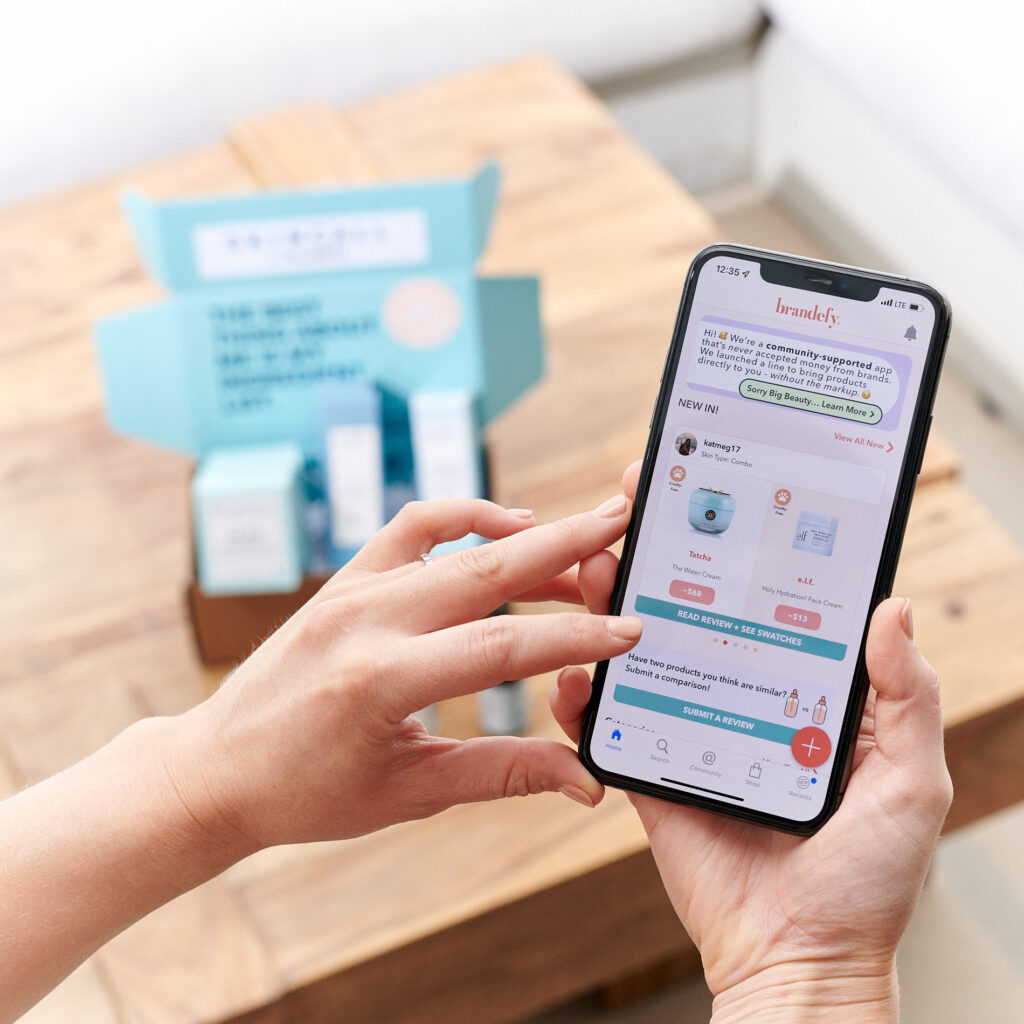
In the last month, L’Oréal entered the top 10 list for most-searched brands on Brandefy, an app that compares over 1,000 beauty brands to find affordable alternatives, in a sign that consumers are hungry for uber-affordable makeup dupes. Prestige beauty brands like Charlotte Tilbury, Tatcha, and Drunk Elephant generally dominate its most-searched list, according to CEO Meg Pryde, but tides are changing. In a survey of 127 Brandefy community members, 62% reported they’re swapping out prestige products for affordable alternatives. There are an average of 90,000 searches a month on Brandefy.
Makeup isn’t the only category in which consumers are watching their dollars. SkinSkool, the skincare product comparison tool, saw a 300% leap in the number of searches for products under $40 in the past three months. SkinSkool’s proprietary algorithm scans 37,000 product SKUs from 2,700 brands. It averages about 300,000 searches a month, according to co-founder Terry Chan.
“Clean beauty” burst onto the beauty scene about seven years ago, when Credo opened its first store in San Francisco and Juice Beauty filed an application to trademark the term, and was closely tied to ridding formulas of suspect ingredients. Banned ingredient lists proliferated at retailers and brands, and consumers became familiar with sulfates, parabens and phthalates to the extent that they hunted for products without them.
In recent years, a backlash to “clean beauty” has taken root, particularly among cosmetic chemists vocal on social media and a new generation of beauty entrepreneurs. They condemn “clean beauty” for being amorphous and vilifying ingredients they conclude shouldn’t be vilified. Many clean beauty brand founders agree with much of the criticism levied at “clean beauty” and have redefined “clean beauty,” a concept that remains relevant with consumers (market research firm The NPD Group finds the growth of prestige clean skincare sales is 2.5X overall prestige skincare), in reaction to it, frequently divorcing it from ties to specific no-no ingredients and linking it with science.
At Luna Nectar, a brand known for its Moon Boost Lash & Brow Enhancing Serum that extends to haircare and skincare, founder Mia Kit decided to put “clean beauty” under the microscope as she pursued a reboot. As a result, she came to have a broad understanding of the descriptor that she says accounts for “creating a beauty product from cradle to cradle, from ingredient sourcing to manufacturing to all the transportation of materials in between, getting the goods to the customer and the end life of the product.”
She elaborates, “’Clean beauty’ is not quite standardized in the industry at the moment so it is an undefined term, but it’s up to brands to create a new barometer. ‘Clean beauty’ is clean for humans and the environment. ‘Clean beauty’ is circular beauty.”
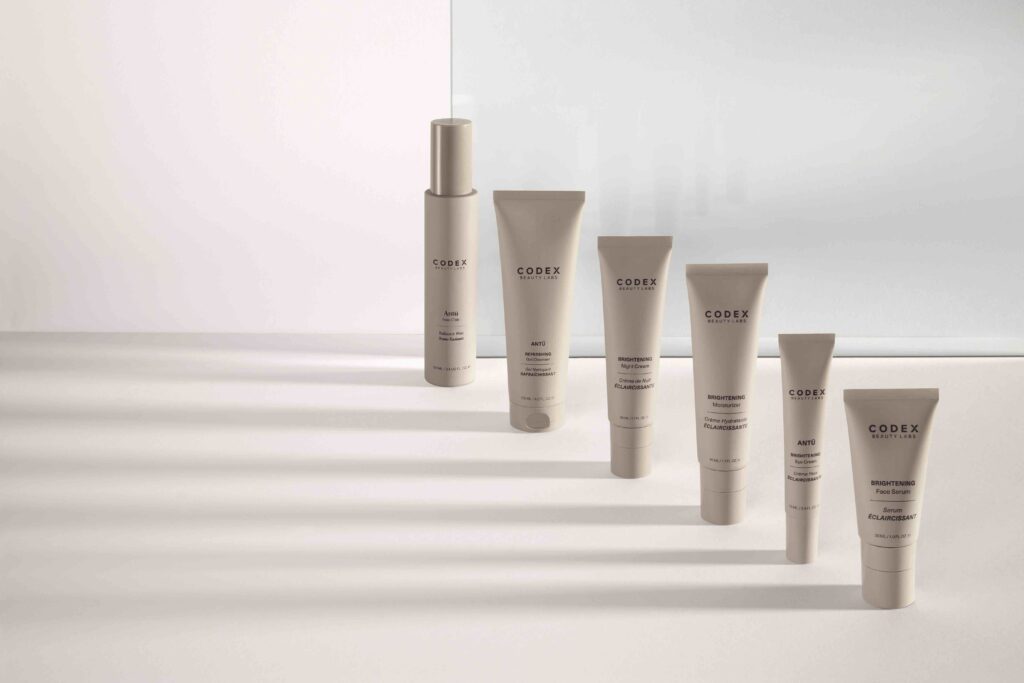
Skincare brand Codex Beauty Labs has been refining its characterization of “clean beauty” since it arrived on the market in 2019. Today, founder and scientist Barbara Paldus defines “clean beauty” in three parts. She says it means “free from dirt, uncontaminated” or manufactured in a sterile facility with good manufacturing practices; “morally uncontaminated” or being transparent to consumers about ingredients, sustainable to preserve clean air and water, efficient to minimize waste and fair pertaining to product and labor prices; and “less is more” or developing effective products that require less to yield desired outcomes.
“The clean beauty movement lost touch with science such as cosmetic chemistry without which beauty products don’t exist,” says Paldus. “It needs to go back to the dictionary definition of the word ‘clean.’ That definition is much harder to support, but the effort is worthwhile for skin health and planet health.”
Of course, the risk of brands redefining “clean beauty” is that it will exacerbate the problem of the term being amorphous and amplify consumer confusion. “Clean beauty” proponents are wishful that clarification will arise to help consumers navigate the “clean beauty” terrain. Kit says, “I believe there will be an evolution towards a standard in the industry for products to be considered ‘clean beauty.’”
As clean beauty brands distanced themselves from the natural product brands before them perceived as ineffective and not aesthetically pleasing, they upped their packaging game to ditch the “crunchy” stigma and adopt the luxury cues of their conventional prestige beauty counterparts, including heavy, shiny, hard packaging. Well, from the annals of everything is cyclical, nascent clean and sustainable brands are turning against souped-up packaging and toward stripped-down packaging that has a lighter environmental footprint.
MOB Beauty CEO and co-founder Victor Casale, former chief chemist and managing director of MAC Cosmetics, argues that consumers and retailers should rethink their ideas about luxury beauty. Instead of it being connected to resource-intensive packaging, it should be connected to eco-minded packaging and formula quality. Makeup specialist MOB Beauty started last year with components crafted out of mono-material PET (polyethylene terephthalate) or PP (polypropylene), the most recyclable readily accessible plastics, and outer packaging formed completely from PCR contents. Next year, it’s introducing molded fiber compostable packaging.
“Over-packaged products must be phased out. Sustainable packaging should be the new luxury. The stakes are high, so new entrants need to come with great products and smart, future-focused packaging,” says Casale. He adds, “Retailers curate for their consumers and have a megaphone reach, so giving space to brands who are offering more sustainable packaging and using their platforms to spread awareness and education is integral.”
The Rebrand goes back to basics with its skincare products by using simple and highly recyclable glass, aluminum and paper for its refillable packaging. However, Aubri Thompson, a cosmetic chemist and founder of the brand, is under no illusion that unfussy packaging will be met with widespread acclaim from beauty consumers exalting the opposite.
“It is going to be an uphill battle to signify product quality without fancy packaging,” she says. “There are ways around this, but I think one of the most important is to have an open dialogue with customers. Ask them what packaging they prefer—we just did this with a pump versus dropper for our new cleanser launch—and give them the reasons why one option might be more sustainable. Then, they understand the tradeoffs.” FYI, The Rebrand’s customers preferred the dropper, which has a glass element that’s recyclable and allows them to control dosage.
While gen Z primarily dictates TikTok, there’s a set of women over 50 exercising their burgeoning influence as beauty influencers on the platform. The success of Jones Road Beauty founder Bobbi Brown, 65, on TikTok has been extensively chronicled. She began posting consistently on TikTok in January. Within a week, according to reporting by the publication Glossy, traffic to Jones Road Beauty’s website increased 196%, and TikTok went from generating 2% of the brand’s revenue to generating more than 30%.
Clé de Peau tapped Martha Stewart, 80, to star in a series of TikTok advertisements that have racked up millions of views. The most popular, which has been viewed 48 million times, features tips on how to attain hydrated skin. “The Real Housewives of New York City” star Bethenny Frankel is producing beauty content that makes the most of her unfiltered, no-BS personality with takes on beauty products that are and aren’t worth shelling out money for. She’s drawn 10.7 million likes on TikTok.
Alex Rawitz, head of content marketing for influencer marketing platform Tribe Dynamics, names Angie Schmitt, aka Hot and Flashy, and Beth Snyder, aka FiftyPlusBeauty, as two of the biggest non-celebrity influencers over 50. Beauty tutorials garner high engagement for them. “It’s very human, authentic content, and I believe that contributes to the general rise of this type of content,” says Rawitz. “They bring a kind of authority and gravitas to the table that millennial or gen z users don’t necessarily have.”
Additionally, Rawitz notes there’s a degree of novelty to seeing older people master a youth-oriented platform like TikTok. She says, “It’s impressive and provides a natural hook compared to yet another dance video or beauty routine from a 20-something.”
When the NCAA’s policy allowing college athletes to commercialize their names, images and likenesses went into effect last July, a handful of beauty brands such as LatinUS Beauty, Swair and Starface inked endorsements with them. Now, even more emerging beauty brands are rushing into the athletic field, both with college and professional athletes.
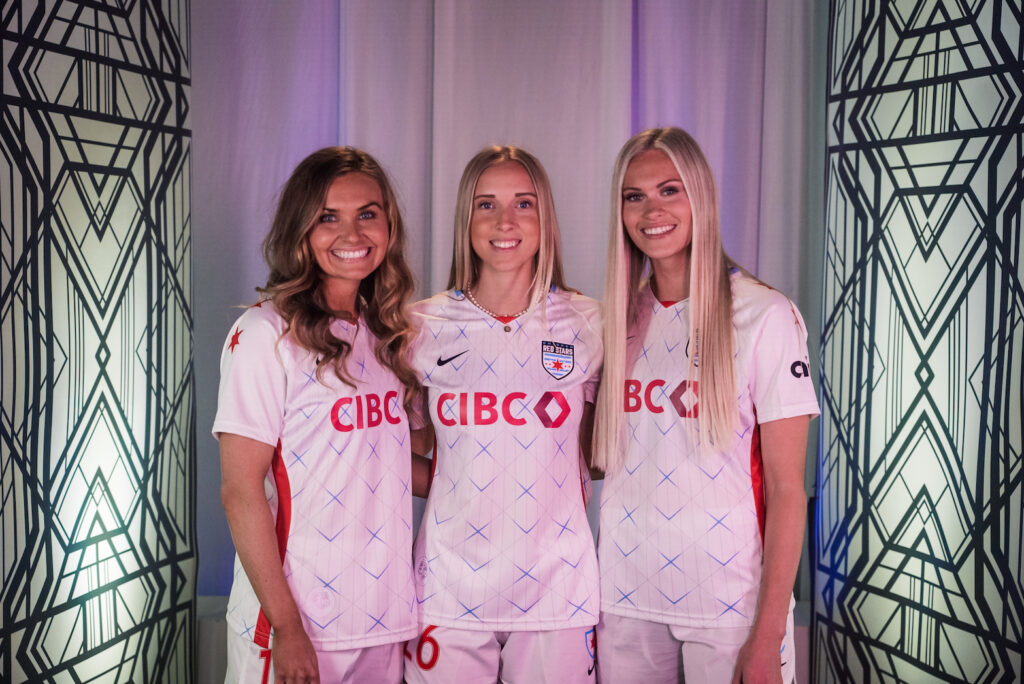
Undone Beauty has partnered with players from women’s soccer team Chicago Red Stars, and the makeup brand’s post revealing the partnership quickly became its most-liked piece of content in April. Undone will provide makeup and skincare products for the team’s entire 2022 season, and select rookies from it will create video campaigns spotlighting the brand.
“Our goal is to play a part in the athlete’s lives by helping them look and feel their best on and off the field, and based on their busy lifestyles and approach to beauty, we know there’s a very natural extension for them to share what Undone has to offer with their community of fans,” says Ann Somma, chief creative officer of Undone owner Tru Fragrance. “The rookies are also ideal educators for us and authentically showing how they use the brand in their lives makes for amazing content for our audience, aligning with our multitasking simplicity.”
Black Girl Sunscreen has partnered with USC women’s track and field athletes. The sun care brand provides scholarships to women on the team and educates the athletes about avoiding sun damage. It will have an on-site presence at track meets and USC football games, and digital ad billboards will be going up across Los Angeles. Of the partnership, Black Girl Sunscreen founder Shontay Lundy says, “Any chance to make a difference within our community and support the next generation, we jump on it. It’s not just about sunscreen, it’s also about paving the path for the future.”
Beauty and personal care are good fits for athlete sponsorships because they act as extensions of health and wellness, explains Somma. And brands are enticed by the potential of the partnerships becoming long-term relationships rather than one-and-done deals. Somma says, “Growing your personal brand starts earlier in your career than ever, giving brands a ton of opportunity to help support the evolution of an athlete’s career and showcase their authentic, evolving personal growth, which is so engaging and endearing to today’s audiences.”
The future of the online shopping will be shaped by personalization. A whopping 80% of shoppers want to be individually recognized during retail experiences, according to management consulting firm McKinsey & Co. Big retailers are answering the call by revamping what’s often the first touchpoint in the digital shopping journey, the search function, which is morphing into a recommendation tool.
Target launched the Target Zero sustainability program in the spring, and its online shoppers can now search across sustainability attributes like “refillable” and “reduced plastic.” Ulta Beauty is reportedly set to launch an enhanced ingredient search function that complements its Conscious Beauty program, and CVS will debut a revamped search bar this year as part of the chain’s $3 billion investment in digital improvements.
Nik Sharma, founder of and CEO of growth strategy agency Sharma Brands, says individualized search results will stretch well beyond retail as platforms of all sorts get better at leveraging machine learning. “SEO will be a practice across every channel—a merchant’s own website, TikTok, Twitter, etc.,” he predicts. “It’s a combination of better tagging and AI on the back end to understand what people want to see based on what they search.” In another prediction, he adds, “We’ll see a few companies come in, on the software side, to power a better search function.”
Newer Asian beauty and wellness brands look very different from the original imports from Japan and South Korea like Dr. Jart and SK-II. Often founded in the United States by first- or second-generation immigrants, they are steeped in Asian cultures. Traditional ingredients are front and center in formulations that don’t resemble Western fare. Just as the gua sha tool has become a staple of beauty enthusiasts’ skincare routines, founders of these budding brands hope consumers will relax regularly in mugwort baths.
A brand rooted in Korean herbalism, Qi Alchemy, for instance, is intent on bringing K-Wellness, a term it’s trademarked, to the American market. Founder Grace Yoon skipped capsules, a familiar format to Americans, in favor of chewable balls coated with edible gold and filled with ingredients like cardamom seed, red ginseng, poria mushroom and Japanese catnip.
“I believe that when you ‘water down’ the roots of a brand, it drowns the authenticity of the brand,” says Yoon. “Consumers want trust and authenticity more than ever. They want to know where ingredients and wellness practices have originated from as well as understand other cultures. We live in a global high-tech society, so consumers are open to new information and embracing brands that highlight cultural heritage.
The brand Cool Wellness grew out of founder Bo Kim‘s Korean meridian massage and facial studio and cafe in New Jersey. The small-batch face, bath, and body care line employs ingredients used for thousands of years like black sesame and houttuynia cordata, a medicinal herb long relied upon for healing and detoxification.
But don’t expect sparse and stoic designs from Cool Wellness. Like its parallels in food the food space Fly by Jing and Omsom, Cool Wellness houses formulas with traditional ingredients in colorful, funky packaging. “I’ve been having a lot of fun introducing the already heavily concentrated K-Beauty market with different kinds of herbal ingredients no one has really touched seriously,” says Kim. “I decided to hand make [as much of] my packaging materials as I could because I thought that will be ideal for a truly sustainable business.” Other brands to check out in the space are Riley House and Wellness East.
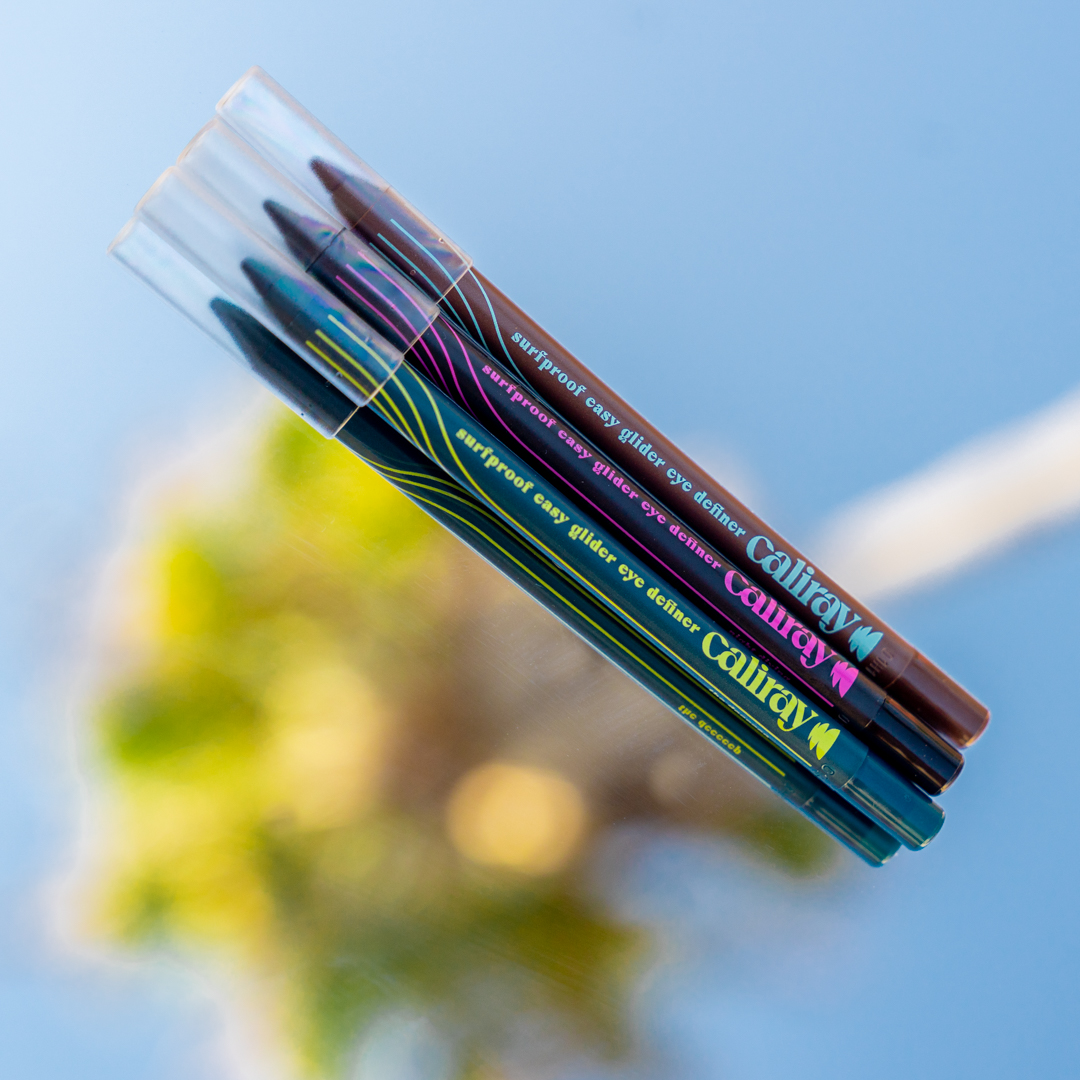
The rich culture of surfing is captivating beauty entrepreneurs. When Urban Decay founder Wende Zomnir introduced her latest venture, color cosmetics brand Caliray, to editors in the thick of the pandemic via Zoom, the call kicked off with a vignette of Zomnir returning to a kitschy California bungalow after a day of surfing. Its popular waterproof eyeliner is dubbed “Surfproof Easy Glider Eye Definer.”
“When I traveled the world launching Urban Decay, it didn’t matter where I was, the customers, journalists and retailers all wanted to ask about the surf culture of Southern California, which influenced the look and feel of the brand,” says Zomnir. “As a surfer, albeit just on my longboard and not that good, the amount of plastic trash I see in the ocean and on the beach inspired me to use sustainable materials like upcycled ocean plastic for the packaging. Surf trips, beach walks and getting out in the ocean are a huge part of my family life…I get excited to hear about a nice wave one of my boys caught, and I get excited about mascara, too.”
Quentin Smith, founder of Topi, mapped out the launch strategy for the skincare brand to include a key partnership with upscale surf shop-cum-art gallery Album as a niche retail partner. This summer, beauty e-tailer Dermstore has hosted a pop-up in partnership with Montauk Hotel The Surf Lodge. Not to be outdone, the new brand Pursuit has a professional surfer at the helm, and Byrd, a grooming brand that recently launched at Walmart, has products that look like they were plucked straight out of a 1960s surf-centric film like “Beach Party.”
Rebecca Bartlett, principal and creative director of creative agency Bartlett Brands, says tying brands to alluring locations like beloved beaches can establish a lasting emotional connection with consumers. “Beach and surf culture evokes a unique range of emotions that are both aspirational and truly timeless: carefree freedom, vacation nostalgia, rebellious counter culture, romantic escapism, the list goes on,” she says. “It is an easy opportunity for memorable storytelling and compelling visuals that pay off the emotional hook.”
The players
5 mentionedTatcha

Crunchi
Maesa
Formulate
Starface