Don't Make These Costly Rebrand Mistakes: Lessons From A Founder Closing Her Brand
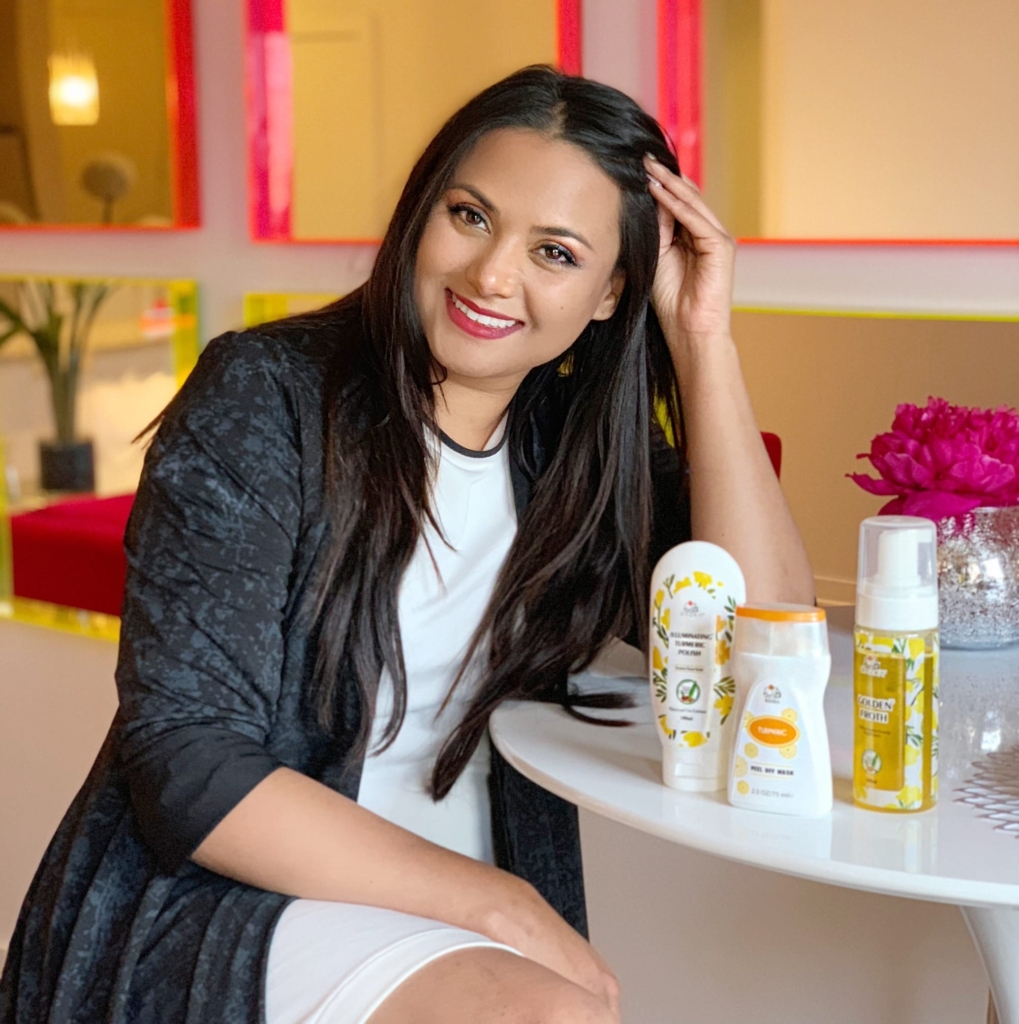
Morar’s foray into beauty entrepreneurship started with selling products containing South Asian ingredients at farmer’s markets, where she garnered a welcome reception. After Raeka officially launched, it secured placement in about 20 retailers, including Urban Outfitters, and developed a following by partnering with subscription boxes like FabFitFun and Ipsy.
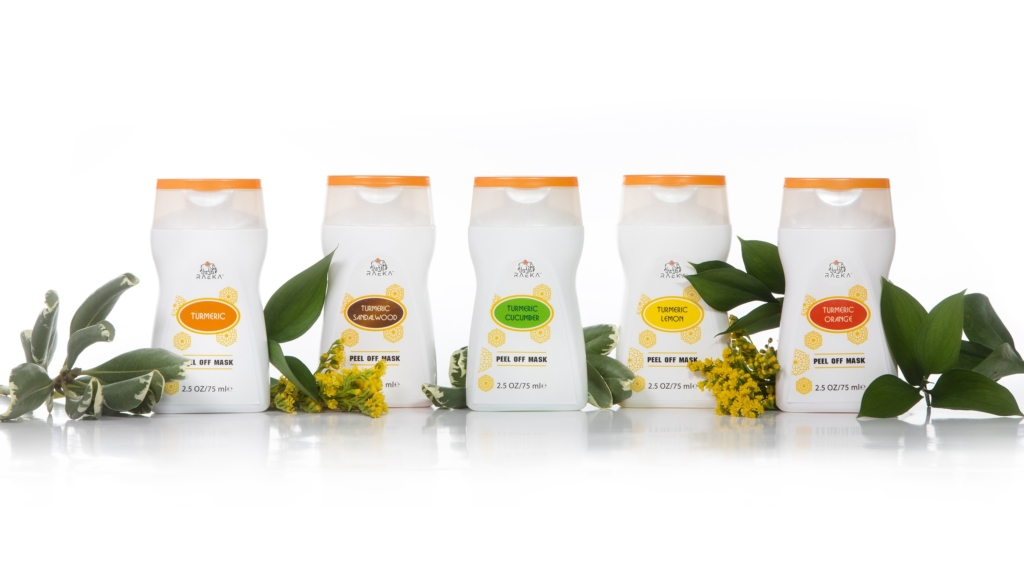
To make it in a cutthroat beauty specialty environment like Sephora, however, where most brands have substantial financial backing, Morar was instructed that Raeka needed to change. She was told its basic white packaging with floral motifs and an elephant logo wouldn’t fly, and she had to overhaul the brand’s design to speak to a demographic aligned with a retailer’s strategy.
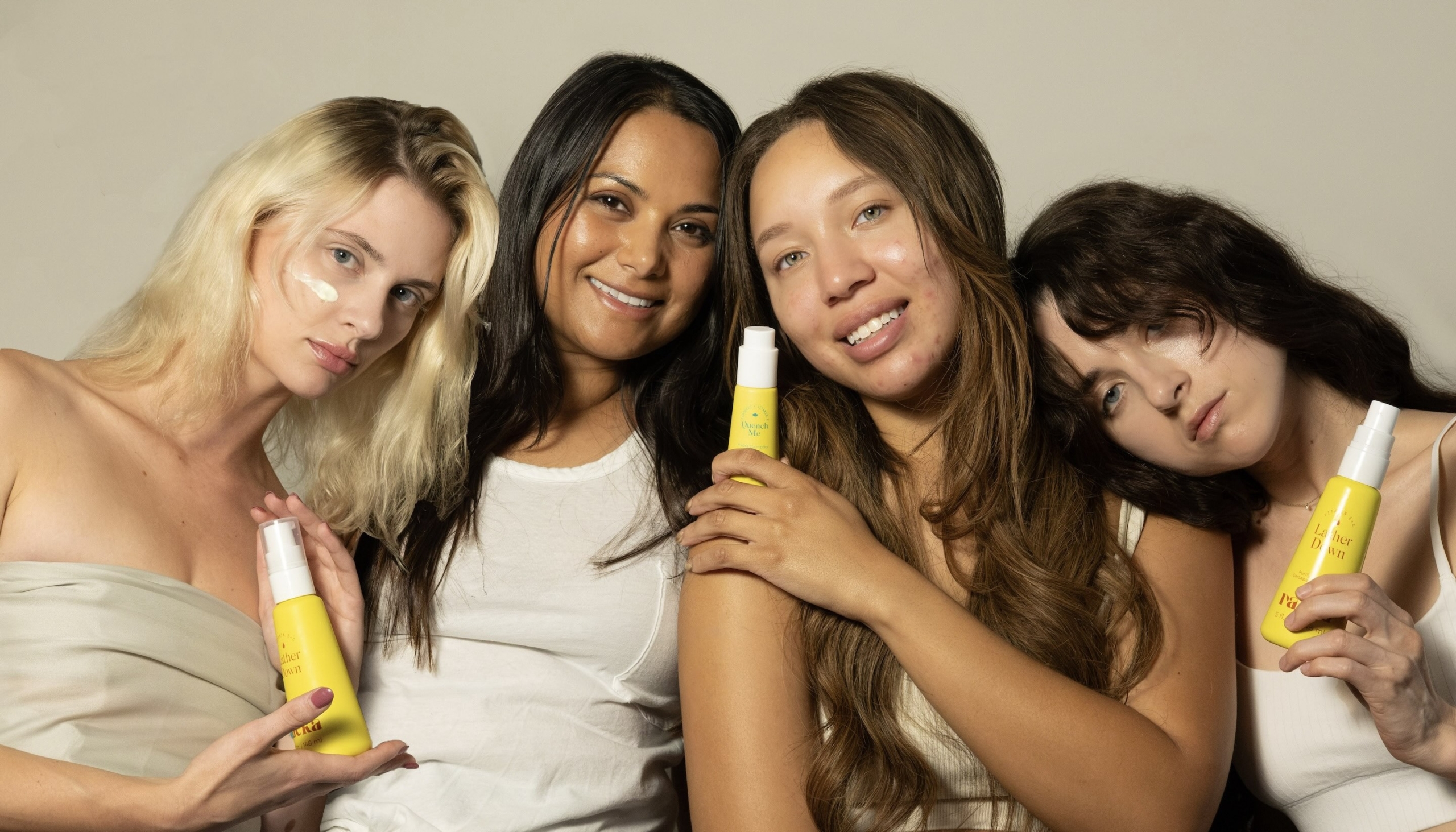
In 2023, Morar dedicated around $150,000 to rebrand Raeka, 30X the amount she launched it with, to emphasize its South Asian heritage (graphical female figures and ingredients were put on the boxes) and saturate its color palette with yellow, orange, blue and purple for a playful presentation. The rebrand was intended to reach gen Z and young millennial consumers Ulta Beauty was attempting to draw. Morar shifted her attention to Ulta over Sephora because it had a bigger white space for South Asian brands.
Instead of catalyzing growth and retail expansion, the rebrand hurt Raeka. It practically turned it into a new brand. Alienated by the transformation, its core customers, primarily white women aged 30 to 65 years old, fled, while it had to solicit an entirely new customer group without sufficient money for marketing to do so. The repackaging made it less profitable—it went from 70% profit margins to under 50%—because it maintained prices and transitioned manufacturing from India to the United States in pursuit of greater sales that never arrived.
“Our costs went up, our story got diluted, and we began reacting instead of leading,” says Morar. “We were trying to fit into a box the industry said we needed to be in when, in fact, the magic was always in what made us different.”
Morar has decided to close Raeka by the end of the year. “I became a mother during this journey. Life shifted. My priorities changed. The energy I once poured into building Raeka now goes into raising my daughter and my family and I’m OK with that,” she says. “I’m proud of what I built. I’m proud of what I walked away from. And I’m proud of where I’m going next.”
Morar’s next professional act is transitioning to a career in brand strategy and marketing. As she moves on from Raeka, Morar offers advice to fellow beauty entrepreneurs about how to avoid a rebrand that backfires.
If she’d allotted the money for the rebrand into marketing, Morar is certain Raeka would be in a better position today. She believes entrepreneurs often underestimate the costs of marketing and advertising, and they pursue objectives that can distract from marketing. Early on, she suggests brands should spend at least $10,000 to $15,000 per month on digital marketing advertising.
“I didn’t do that. I was too scared to, I was like, I don’t know what I’m doing. I don’t know how to do paid ads. So, I didn’t personally take those direct risks,” she says. “To be successful, you do have to take risks to an extent. You don’t have to go crazy, but especially when I was profiting, I should have done that. My advice to others would be to take risks, but to also stay as involved as possible in the process.”
With the rebrand, Raeka invested in boxes with matte finishes and custom tapered cylindrical post-consumer recycled plastic packaging to have uniquely shaped packaging to stand out from the crowds. The custom packaging was four to five times more expensive than its original stock packaging, but the higher price didn’t produce higher notice or sales. Customers cared less about the packaging’s uniqueness than its function.
Reflecting on Raeka’s custom packaging, Morar recalls a buyer that once told her “toothpaste doesn’t sell in a fancy pump bottle because people are used to toothpaste in a squeeze bottle. Sometimes people want what they’re used to. So, having that shape, it looks nice, but maybe it wasn’t the best thing,” she says. “I should have just kept it the same. We were in stock bottles that most companies use, and they just put a nice label over it. I could have just done that. People don’t really care that the brand looks nice. So many brands look nice.”
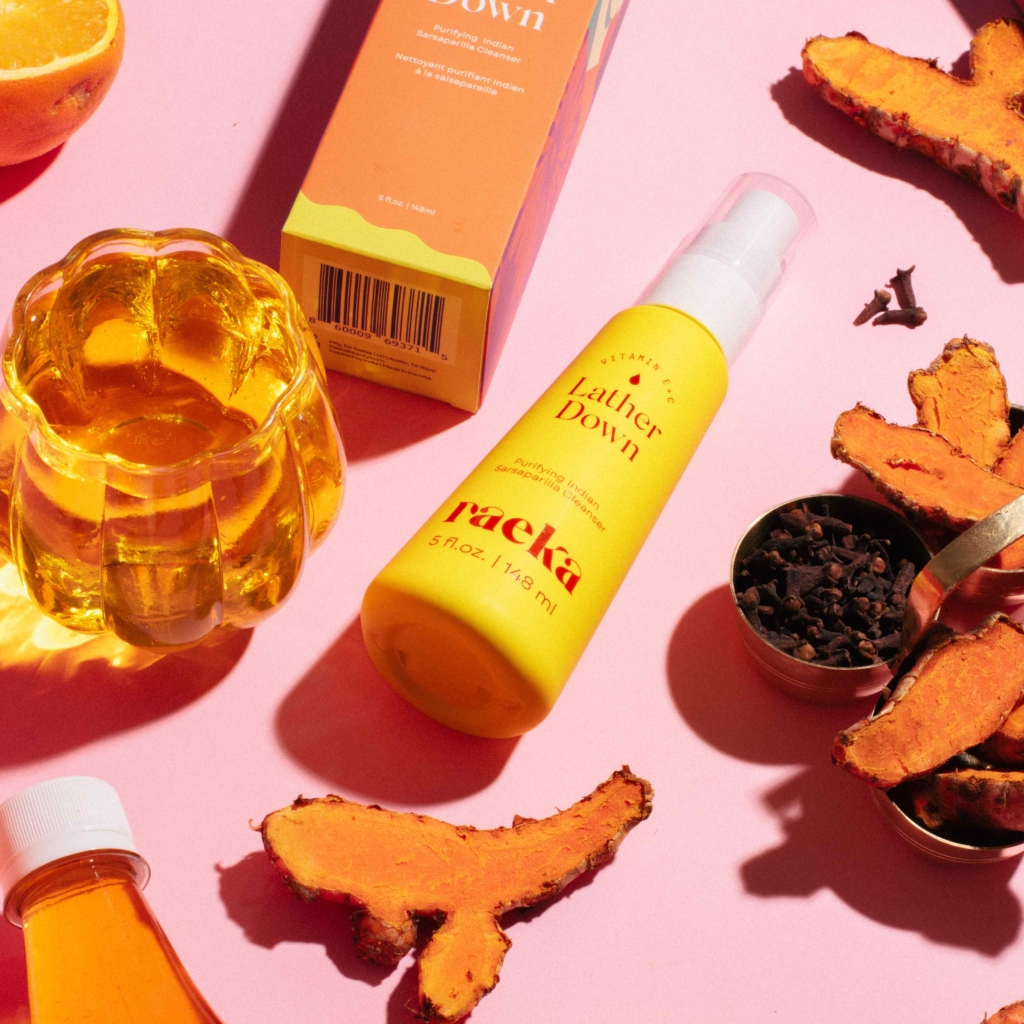
Morar chose an agency for Raeka’s rebrand that had a brand client at Sephora. The agency provided her with three redesign possibilities, and she opted for the one she preferred. In hindsight, she wishes she’d passed the designs by the brand’s customers and retail buyers.
“Go to the store and look at what they actually have,” recommends Morar. “I did that a few times after the rebrand. I was like, no one really has these crazy unique custom bottles. We were trying to do that thinking, oh maybe we’ll get in there.”
Raeka’s loyal customers from before its rebrand still message it to share their adoration for it. “In the back of my mind, I’m like, ‘Oh god, these were my loyal customers, and I failed them,” says Morar. “Sometimes you don’t need to chase after something new. You forget to see what you have in front of you.”
She adds, “If something’s already working, stick to it. You can tweak it a little bit, you don’t want to end up like Cracker Barrel. That’s what I went through. We changed the whole thing and no one liked it anymore.”
Raeka participated in the consumer packaged goods brand accelerator SKU in 2023 and raised in excess of $500,000 from friends, family and private investors. Along the way, she received reams of advice on building the brand—and she followed a lot of it. In hindsight, not every piece of advice was valuable.
“I started doubting myself and kind of forgot why I started, how I started. I was doing that instead of going with my instincts and something that was already working. You don’t need to reinvent a wheel that’s working. If it’s working, just run with it, and I didn’t do that,” she says. “The other thing I realized was a lot of the mentors, they never started their own company. It’s a whole different experience. It’s one thing to tell people what to do and advise them, but it’s another thing to really live it, experience it and do something yourself.”
While founders may focus on sustainability to adhere to their personal values, they shouldn’t depend on their customers to reward sustainability measures. On the belief that gen Z cared about eco-consciousness, along with its post-consumer recycled plastic packaging, Raeka teamed up with CleanHub to offset plastic waste and recover 5,000 pounds of plastic annually to contribute to the circular economy. The efforts didn’t favorably impact sales.
“When you go and talk to employees at Ulta, no one’s coming in there asking for that,” says Morar. “You see influencers that are gen Z, and they’re using all sorts of brands. Whatever PR they’re getting, they’re using it. Those brands aren’t necessarily sustainable.”
The players
5 mentionedAS Beauty

Not Your Mother's
FabFitFun
Better Being
Raeka Beauty