Diverse Beauty Brands Have To “Push Harder” In The Post-DEI Era. Here's How.
“Retailers aren’t in the business of charity,” says Gray Emegano. “They want products that sell, supply chains that run smoothly, and brands that can compete.”
With the ending of DEI programs at Target and Walmart that committed them to diversifying their suppliers, she says, “Now, many BIPOC founders will have to push even harder to be seen.” To push harder, she and Tomi Talabi, founder of Black Beauty Club, an online community fighting for the representation of Black-owned beauty brands, recommend they focus on their communities, gain traction in direct-to-consumer distribution, go narrow and deep with their retail aperture, and identify under-penetrated distribution channels they fit in.
“[DEI] efforts were never designed for longevity; they were reactive, not structural,” wrote Talabi on Instagram, adding, “This is a shift, but it’s also an opportunity to build business models that aren’t dependent on institutions that were never built to sustain us.” Gray Emegano says, “If you’re a person of color, chances are you’re already used to operating in spaces where you aren’t necessarily celebrated or appreciated. Many of us have had to be the first, the only, or the ones pushing through. That doesn’t change because DEI programs do.”
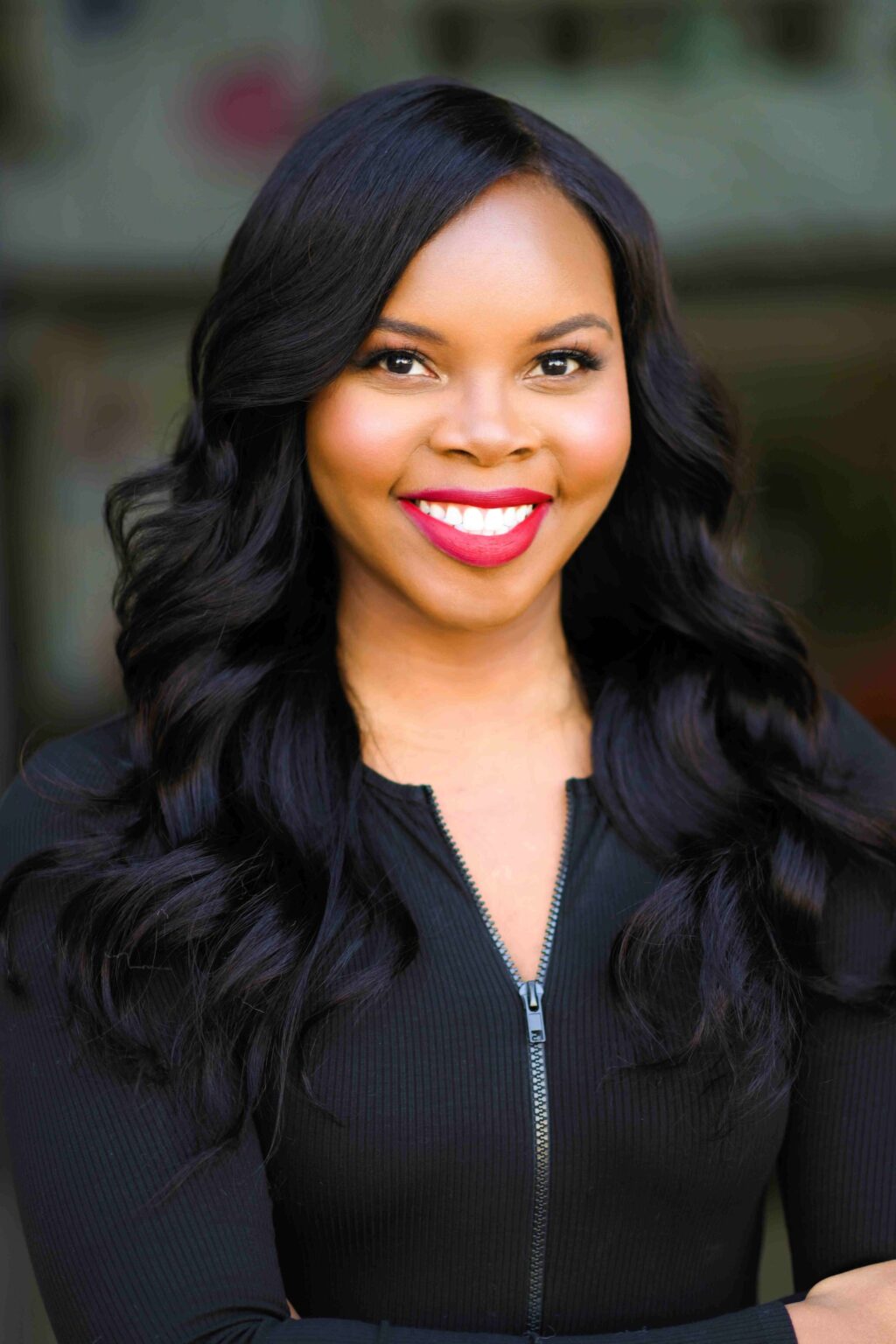
Talabi is a big believer in BIPOC brands strengthening DTC, an avenue that can fall to the wayside once they pursue omnichannel distribution. She emphasizes control over customer relationships through website sales, and control over messages through marketing via social media, text and email. Talabi says, “Retail partnerships are great, but they come with risks, especially when corporate priorities shift.”
For BIPOC brands, leaning into the communities they’ve cultivated on their own platforms is essential. When Target’s DEI pullback became known last month, BIPOC beauty brand founders went public on social media to express their disappointment and solicit support. They heard back from customers pledging to stick with them.
On Instagram, for instance, Dorian Morris, founder of Undefined, a clean skincare brand in nearly 500 Target locations, said on Feb. 5, “DEI is under attack, and that impacts small businesses like Undefined significantly. So, Target is my No. 1 channel…With all of these changes that are happening, that hits close to home for me. So, we are the last standing Black-owned, clean skincare brand in store. So, if we leave, there’s nothing left.” In response, skincare influencer Margaret Schindel commented, “I’m a Caucasian customer who loves your products and your brand values and ethos. All of us who appreciate great brands with great values need to support you!”
Gray Emegano predicts open, vulnerable communication with consumers will remain important going forward. “Appeal to the court of public opinion. Keep people abreast of your success, fill them in on why you’re moving forward with the retailer,” she says. Concurring, Talabi says, “The brands that will thrive post-DEI rollbacks are the ones that remain unapologetically visible and indispensable.”
Some brands should consider widening their community net. Dija Ayodele, founder of the Black Skin Directory, aesthetician and author of the book “Black Skin” who refers to the approach as “neo-inclusivity,” says, “We need to look bigger and outside of the Black community and look at ways in which we can ensure that products, yes, can be built on culture or can be built on the pain points that Black consumers express, but that can only be one facet. There has to be several other facets so that product lines can appeal to other people, whether they be white, Asian or whoever.”
Ayodele counsels Black brand founders to concentrate on psychographics rather than demographics. She says founders should ask themselves, “What are the things that unite and bind us? What are the pain points we have when we go into the shops?” While she appreciates the sentiment “for us by us,” commercially she says, it doesn’t make sense in this day and age, particularly for brands that want to scale. “Founders need to present a broader picture.”
Gray Emegano doesn’t deny the power of community and DTC, but asserts BIPOC brands shouldn’t forego retail. Instead, she suggests it’s ideal for DTC to constitute 40% of brand sales, with retail constituting the remainder. To break into retail, she advises brands to zero in on one major retailer and extend from there. For example, she highlights livestream commerce and salons as ancillary distribution options for a brand with retail at the heart of its distribution.
“The key is balance,” says Gray Emegano. “DTC is where you control the experience and maximize profitability, while retail expands your reach and reinforces brand legitimacy.” Still, she cautions, “Spreading out too quickly can cause chaos and put pressure on a brands’ supply chain and logistics.”
Gray Emegano continues, “Let’s not underestimate the quiet champions behind the scenes. There are POC buyers and decision-makers in these retailers who, even if the company isn’t actively supporting DEI, are still advocating for brands that look like them. At the end of the day, retail is tough no matter what. The key is finding the right partner for your brand, not just the easiest entry point.”
Sometimes the best distribution partner for a brand isn’t a major big-box retailer, at least in the beginning. Indie boutiques, department stores and wellness centers could be better choices, according to Talabi. If big-box retail persists in deprioritizing BIPOC brands, she says, “You don’t want your business to collapse with it.”
Gray Emegano notes that specialized channels provide brands chances to test product-market fit and fulfillment infrastructure and gather feedback. She stresses, “Big-box retail isn’t the only path to success, and in many cases, these alternative spaces can serve as a launchpad before scaling into national chains.”
For brands not in stores yet, a quiz on Emegano’s site Aisle Be Ready helps them evaluate retail readiness. A few of the questions in it are: How many SKUs are in your lineup? Are your products packaged and labeled professionally to compete on shelves? Do your products have GS1 barcodes? Have you developed clear wholesale pricing that factors in your margins?
If they’re uncertain about how to proceed, Gray Emegano tells brands to go back to the basics. “Be very aware of who your target customer is, your product-market fit and dig into those,” she says. “We still have to do marketing, we cannot rely on our partners to put us in a commercial, on the homepage or at the top of email banners.” She adds, “As long as you are bulletproof when it comes to your strategies and meeting the metrics, you should be safe.”
The players
5 mentionedThe Center

Better Being
The Black Beauty Club
Under Your Skin
AS Beauty