Despite Omicron, Beauty Service Providers Forecast A Major Recovery Ahead
Although rampant, the diminished severity of Omicron has meant most people aren’t retreating from physical locations in the same manner they did when the coronavirus emerged in the United States in 2020. To date, service operators have largely remained open for business.
However, the impact of Omicron coalesces with an already compressed workforce. There’s been a spike in cancellations, but operators say it isn’t fear keeping clients and staff away. They’re staying away because they’ve contracted Omicron. Once the wave subsides—and widespread reporting predicts it may have reached its peak in the United States—operators are confident business will perk up.
At Luscious & Co., a Connecticut salon company with locations in Shelton and New Canaan known for hair extensions from Great Lengths USA, Omicron has sparked a record number of cancellations from customers and stylists, according to salon owner Liz Arrindell. Specifically, around 30% of scheduled customers and 50% of scheduled styling teams called in sick from December 20 to January 10. “The cancellations are from sickness rather than precaution and COVID-safety efforts have helped reassure clients,” says Arrindell.
In a positive twist, retail sales and future bookings are up, but Arrindell isn’t completely sure what to make of the phenomenon. “Clients are stocking up on retail products in bulk. The domino effect of these new customer trends has resulted in a tremendous increase of future booking percentages,” she says. “Our wait lists are growing longer, and new guests are becoming more eager than ever. Determining if this is simply a trend or this will change consumer behavior is the big question right now.”
Cancellations have prompted Nubia Rezo, founder of Rezo Salon and Rezo Haircare, to predict her salon business won’t be back to full speed until 2023. “Some people are still afraid,” she says. “We are going back to the beginning with strict protocols of 50% capacity and daily hospital-grade disinfecting.”
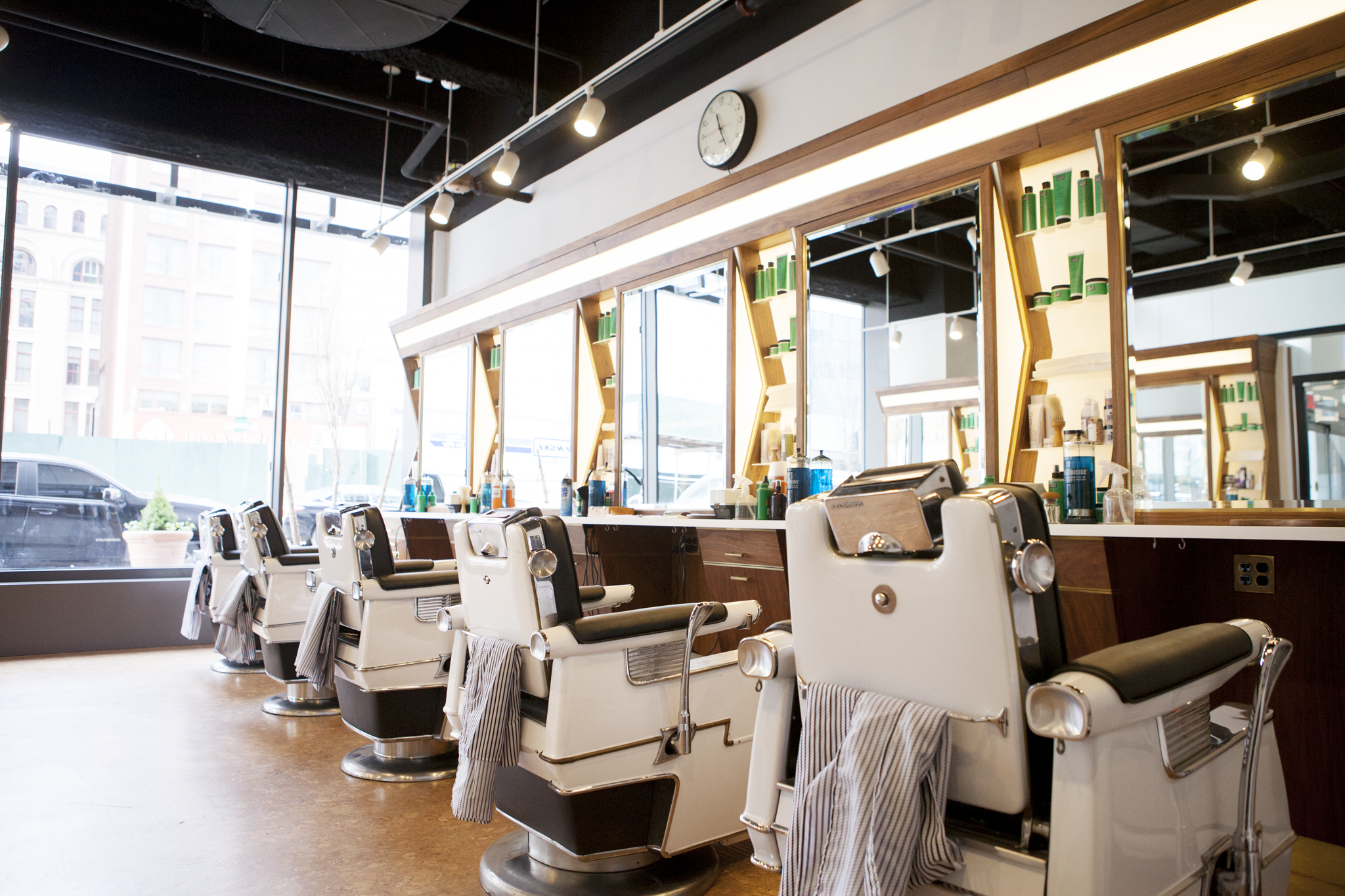
Resilience is a common theme in the beauty services business. “The fast spread of Omicron has presented new challenges, particularly making staffing more difficult than we’d previously experienced,” says Sam Buffa, founder of Fellow Barber, a concept with barber shops in New York and California. “While we saw full shutdowns with past surges, we’ve not had that experience with Omicron. Our staff and clients continue to be optimistic and are willing to carry on with the day to day.”
Joanna Vargas, celebrity facialist and founder of Joanna Vargas Salons, concurs. She says, “We are definitely feeling the Omicron on both coasts, but we are all in this together—clients and employees alike—so I feel like the camaraderie, the supportive vibe and the care is present in everything we do right now.”
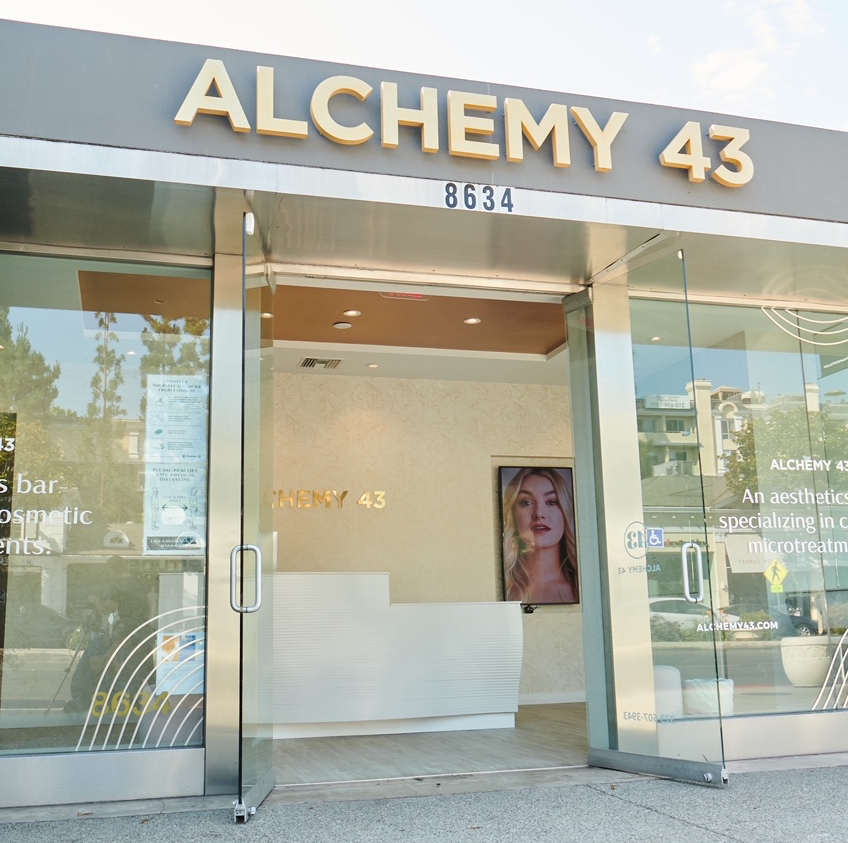
Nicci Levy, founder and CEO of cosmetic treatment provider Alchemy 43, believes the actions the industry has taken to be safe have allayed consumers’ worries. “The health and safety of our staff and clients is of the utmost importance to us,” she says. “Although we haven’t noticed a decline in the number of appointments or clients we’re actively treating, we are reinstating all of the necessary health and safety measures that we followed in 2020 at the start of the pandemic to make sure our clients can still be treated with complete peace of mind.”
Beauty service purveyors hope Omicron or any subsequent variant doesn’t erase the lift they registered in the second half of last year. The lift demonstrated that do-it-yourself beauty services served a purpose during quarantine, but consumers’ desire for the human touch of professionally trained hands doesn’t appear to have vanished.
“Some of what people did at home was because they had no other option such as hair coloring or waxing,” says beauty industry veteran Joel Palix, founder of Palix Unlimited. “I think everyone recognizes that beauty services are also a special moment where you interact with a human expert, someone you can confide in and trust.”
The advent of vaccines combined with pent-up demand has many operators in full swing even amid the Omicron wave. “We are back at pre-pandemic levels and growing,” says Levy. As a healthcare professional-staffed business, aesthetic services specialist Alchemy 43 didn’t have to close its doors for as long as others in the beauty services sector when the pandemic hit. Its two sites in New York were closed for three months and the two in California for two months. “When we opened back up, we had over 1,000 people on a waiting list,” says Levy. “People definitely started to experience a new lease on life. They want to get those designer shoes or Botox. There is a nice rebound effect.”
As consumers return, Buffa has sensed a greater appreciation for the craft of cutting and styling hair. He says, “It is a tradition we took for granted, but there is nothing like a great haircut to take physical and mental weight off.” Rodger Azadganian, owner of Salon 8 and haircare line Az Haircare, thinks 2022 may end up being a high watermark for sales at his business. Salon 8 has locations in Seattle and Charlotte. December was its best month ever, and 2021 was its busiest year ever.
“People are coming to terms with the fact that COVID is here to stay. Most have gotten vaccinated, and we are going to approach an endemic in the next year or two,” says Azadganian. “This is an opportunity, more than any other time, to give more to your customers than you ever have, then you’ll be the one who everyone will go to.”
The relationship between client and service provider is symbiotic, explains Angela Caglia, celebrity aesthetician and founder of an eponymous skincare collection. “My facial has changed. It is a more connected energy experience than before the pandemic,” she says. “It is a mutual exchange of energy in my treatment room, and I now feel more whole and rejuvenated after each facial like I never experienced in the past 26 years as a facialist. My clients need their monthly facials now more than ever for more than just looking and feeling younger.”
At Sonage, a skincare brand serving the spa segment with a skincare studio in Santa Monica, Calif., CEO and co-founder Anisha Khanna, says, “As our clients get comfortable with the post-pandemic new normal, we have seen about 70% of them have returned to regular appointments, and they see the importance of our familiar, relaxing, comfortable experience being crucial to bringing back a sense of normalcy.” She notes the post-pandemic new normal features digital resources like online tutorials, virtual classes and livestreams for clients to have access to service providers from home.
With the power of services undeterred by the pandemic, people in the sector are convinced it will come out of the pandemic stronger than the retail products sector. It’s hard to put a revenues figure on the services sector, an amorphous commercial enterprise spanning everything from corner nail salons to cutting-edge cosmetics procedure destinations. However, one example of its potential is Grand View Research’s forecast of a 9.6% compound annual growth rate for the global aesthetic medicine market through 2030. The market is expected to surpass from $124.7 billion in 2028, up from $86.2 billion in 2020. On the beauty product side, Mordor Intelligence’s projection for the beauty and personal care market surmises a 4.35% incline through 2026.
A forecast from Fortune Business Insights of the global spa services market has it exceeding $133 billion in 2027 by progressing at a CAGR of 4.1% from almost $105.2 billion in 2019. Spa service gains will follow a very rough 2020. According to the 2021 International Spa Association U.S. Spa Industry Study, the number of spa establishments declined by 3.9% in 2020. The spa industry overall lost $7 billion in revenue, with spa visits declining 35.1% and total employment falling by 20.6%.
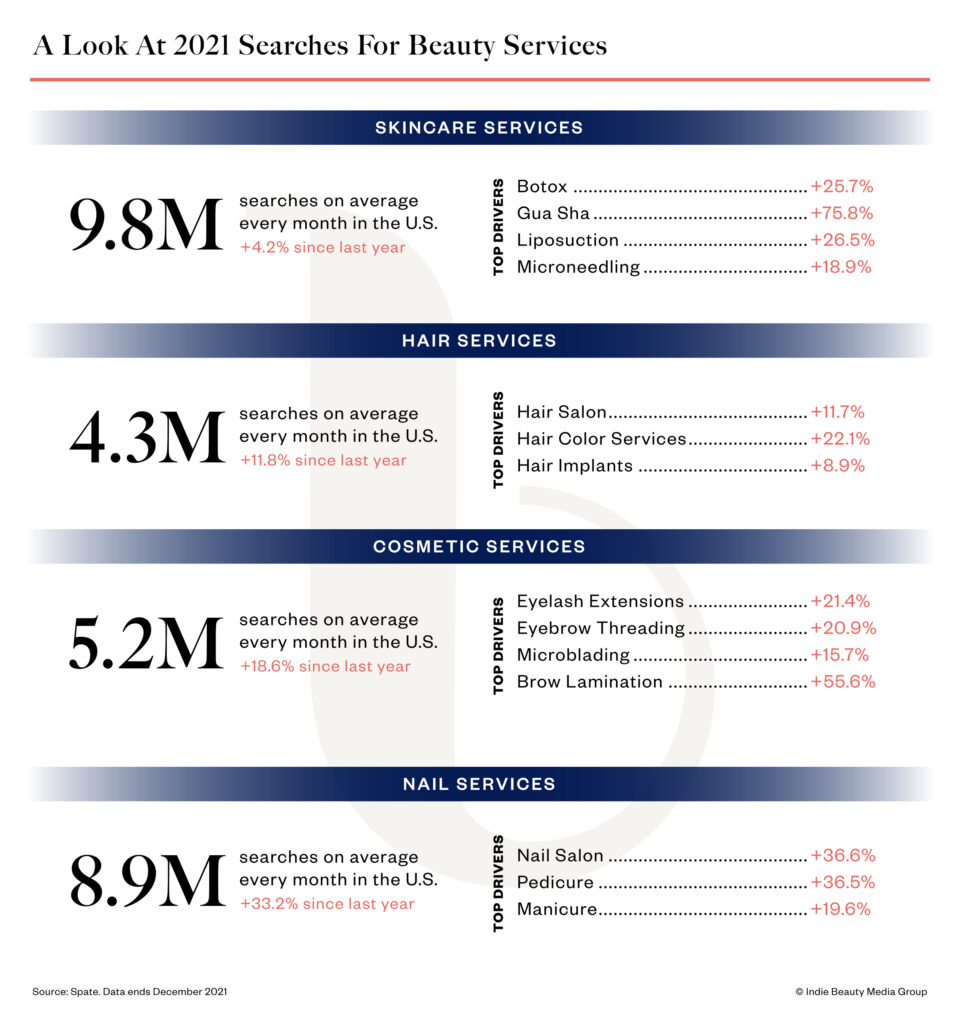
With its examination of online searches, data from Spate conveys the appeal of services. Spate co-founder Yarden Horwitz has tracked escalating searches for services. Specifically, Google searches for skincare services rose 4.2% in the year ended December 2021, with 9.8 million monthly searches in the U.S. Top drivers are Botox (up 25.7%), gua sha (up 75.8%), liposuction (up 26.5%) and microneedling (up 18.9%).
Findings from DaySmart Software’s 2021 Small Business Report reveal 48% of consumers plan on visiting hair salons more frequently, with 34% indicating they’ll venture into nail salons more often and 30% suggesting more frequent spa services. The numbers are higher for younger consumers.
At the outset of the pandemic, Danielle Nadick Levy, co-founder and CEO of Facile, a dermatology and skincare boutique format with two locations in Southern California, was scared for her company’s survival. But Facile obtained funding, and COVID was integral in pushing it to open a new and improved flagship and branch out to a product line. “I feel a bit guilty saying this, but the pandemic was like the perfect storm for our business,” says Nadick Levy. She told the publication Women’s Wear Daily in May of last year that Facile was on pace to generate $10 million in 2021 sales.
Treating maskne, a byproduct of the pandemic, has been a business opportunity for spas. “The world continues to struggle with maskne. We saw a surge of people wanting appointments immediately, and people were very eager to be back in their routine,” says Vargas. “I think, on both coasts, you would be hard pressed to get an appointment immediately. We have quite a wait list now.”
Amy Shecter, the former CEO of Glamsquad who now holds the same position Ever/Body, a millennial-oriented med spa that reeled in $38 million in series B capital last year, saw a silver lining to the past 18 months. It prodded the company to be on its toes as a medical practice, and the countless hours people have spent on social media and Zoom has them taking hard looks at their looks.
“We are seeing triple digit increases year-over-year. Social media helps demystify and destigmatize the concept of having cosmetic dermatology,” says Shecter. “It used to be in the closet, now it is a badge of honor. That exposure has opened up services to a more diverse audience.”
The Zoom boom hasn’t saved every company. There’ve been winners and losers. On the winning side, Heyday, which currently has 11 stores, secured $20 million in series B funding and is readying to open hundreds of locations in the next five years via franchising. Drybar is set to mushroom via franchising as well thanks to WellBiz Brands, which snapped up franchise rights to the blow-dry bar authority. On the losing side, the legendary Elizabeth Arden Red Door, most recently rebranded as Mynd Spa and Salon, closed.
Clean nail concepts like MiniLuxe and Freecoat Nails are flourishing as traditional nail salons struggle. In Skillman, N.J., the once bustling Montgomery Nails shuttered. The former owner attributed a revenue drop-off to people doing their nails at home and, when they do head to nail salons, choosing places committed to clean manicures and “sparkling wine.” Small businesses were especially hard hit by the pandemic, and those that lasted often point to government support as the reason.
The salon chain Hair Cuttery has attracted new clients to its 500-plus locations. “Some found their previous salons were out of business,” says Dana Kleifges, VP of salon and support operations for the company that operates the Hair Cuttery and Bubbles salons.
Summing it up, Palix explains, “The winners were providers that offer a unique service or a fast/good value one. Anything in between, anything customers learned to do at home easily and for a lesser spend has been hard hit.” The beauty service purveyors that have stuck around are detecting clients multiplying services during their visits or trading up. Beyond treatments for the face, there’s greater demand for full-body services, says Shecter. Ever/Body has fielded escalating interest in truSculpt iD, a non-surgical treatment using radiofrequency to reduce body fat. Plasma hair restoration is gaining ground, too.
At Hair Cuttery, clients have been adding on services to strengthen their strands. The company recently built out its Olaplex arsenal and is introducing technology to provide complete gray coverage in 10 minutes.
As they welcome clients, service providers are trying to address systemic obstacles. While the supply chain isn’t as nagging an issue for service companies compared to product businesses, the dearth of employees is. Hair Cuttery has updated its benefits and pay packages, including rolling out signing on bonuses of $1,500 to $3,000 and up to 75% in commission earnings.
The players
5 mentionedAlchemy 43

Bubble
AS Beauty
Too Faced
Momentous