Could The Spending Bill’s Hemp Provision Upend The U.S. CBD Industry?
The provision is intended to rescind the 2018 Farm Bill’s allowance for the sale of intoxicating hemp-derived THC products, but it could have far broader consequences for full spectrum CBD, which is not intoxicating but has trace amounts of THC. The 2018 Farm Bill removed hemp from federal prohibition and opened the door to the CBD market boom, but the new legislation threatens to roll much of that back. Some founders of CBD brands are sounding the alarm to salvage their businesses, while others are confident the provision will be amended before it officially takes effect next November.
“The impact of this ban is massive and far-reaching,” says Richard Lee, CEO of THC-infused beverage brand Woodstock Goods. “The language as it currently stands would effectively decimate the hemp industry—not just intoxicating end products, but also hemp farmers, processors, brewers, who are currently co-packing, distributors and retailers who are relying on hemp beverages to offset softness in other parts of their business, not to mention ancillary providers like can manufacturers, ingredients suppliers, 3PLs, etc.”
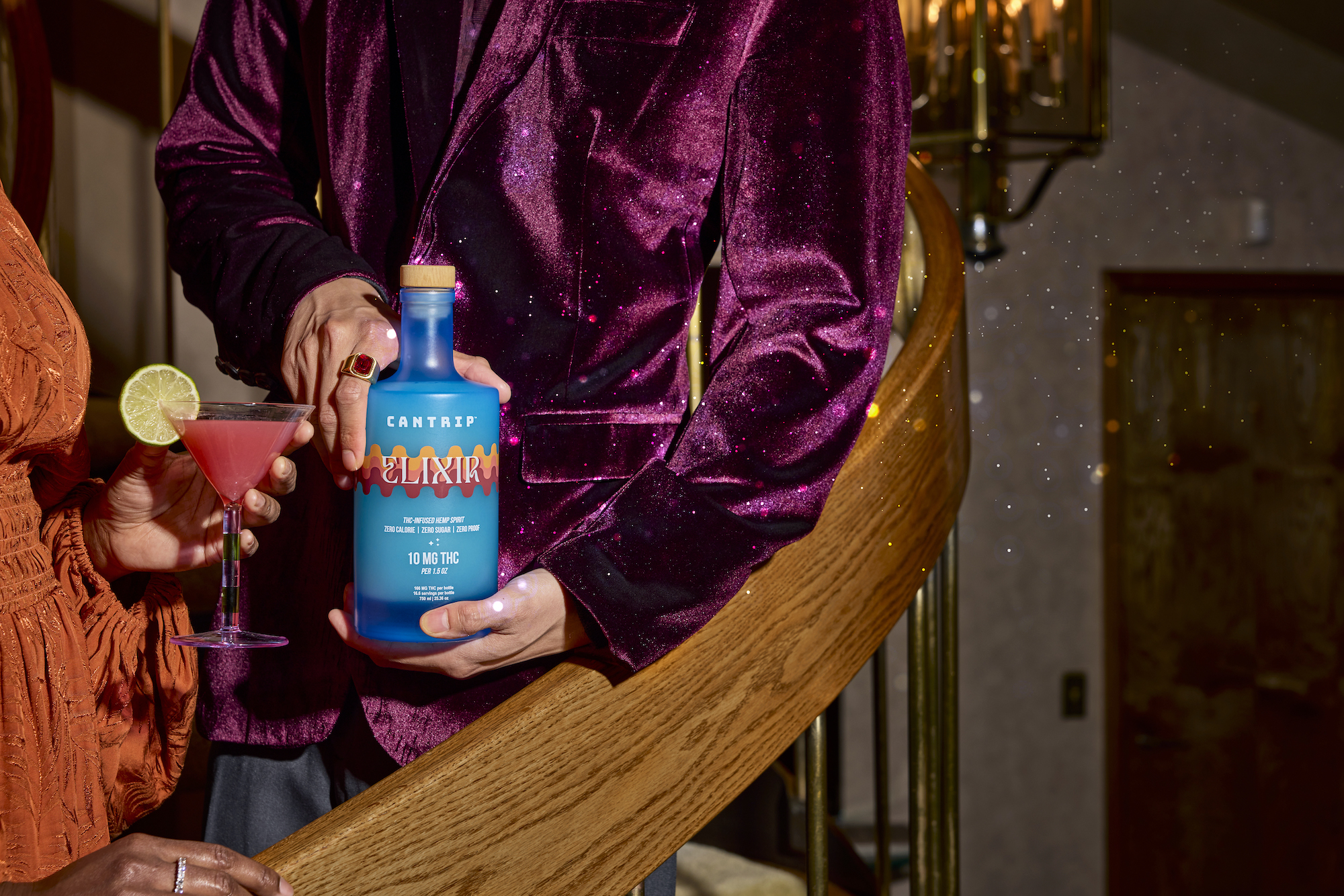
Adam Terry, CEO of THC-infused beverage maker Cantrip, adds, “It’s a pretty sweeping and not particularly well-drafted piece of legislation. I think just like the original THC consequence was unintended, there’s going to be a lot of other unintended consequences of this bill.”
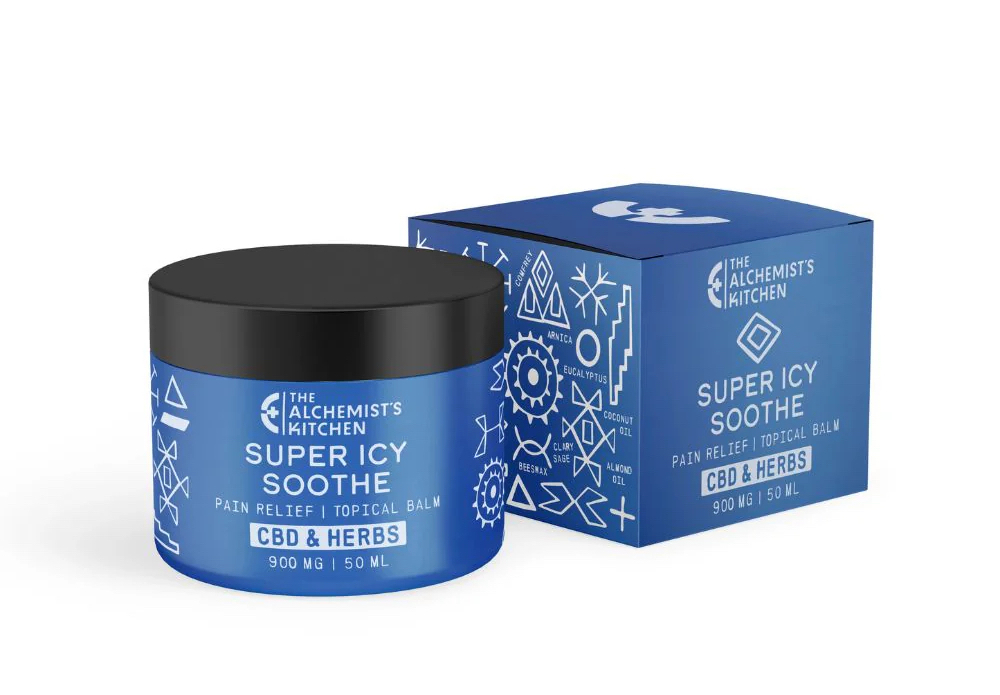
Not everyone is worried, though. Ezza Valdez, VP of education and partnerships at beauty and wellness destination The Alchemist’s Kitchen, is taking a wait-and-see approach. The Alchemist’s Kitchen sells a branded range of CBD-infused ingestible and topical products and CBD offerings from brands like 1906 and Vertly. “We haven’t heard of any active contingency planning specific to the proposed legislation,” says Valdez. “The general sentiment across our network is one of cautious observation rather than alarm.”
The ban could be especially damaging to THC and full-spectrum CBD products sold outside state-permitted dispensaries such as beverages from Woodstock Goods and Cantrip that are sold at grocers and liquor stores nationwide and wellness products, including for sleep, stress and pain, that have expanded beyond dispensaries to a variety of retail outlets like The Alchemist’s Kitchen. Distribution outside dispensaries enables consumers to avoid cannabis taxes levied by states that can total about 40%. Only about 1% of Cantrip’s sales come from dispensaries.
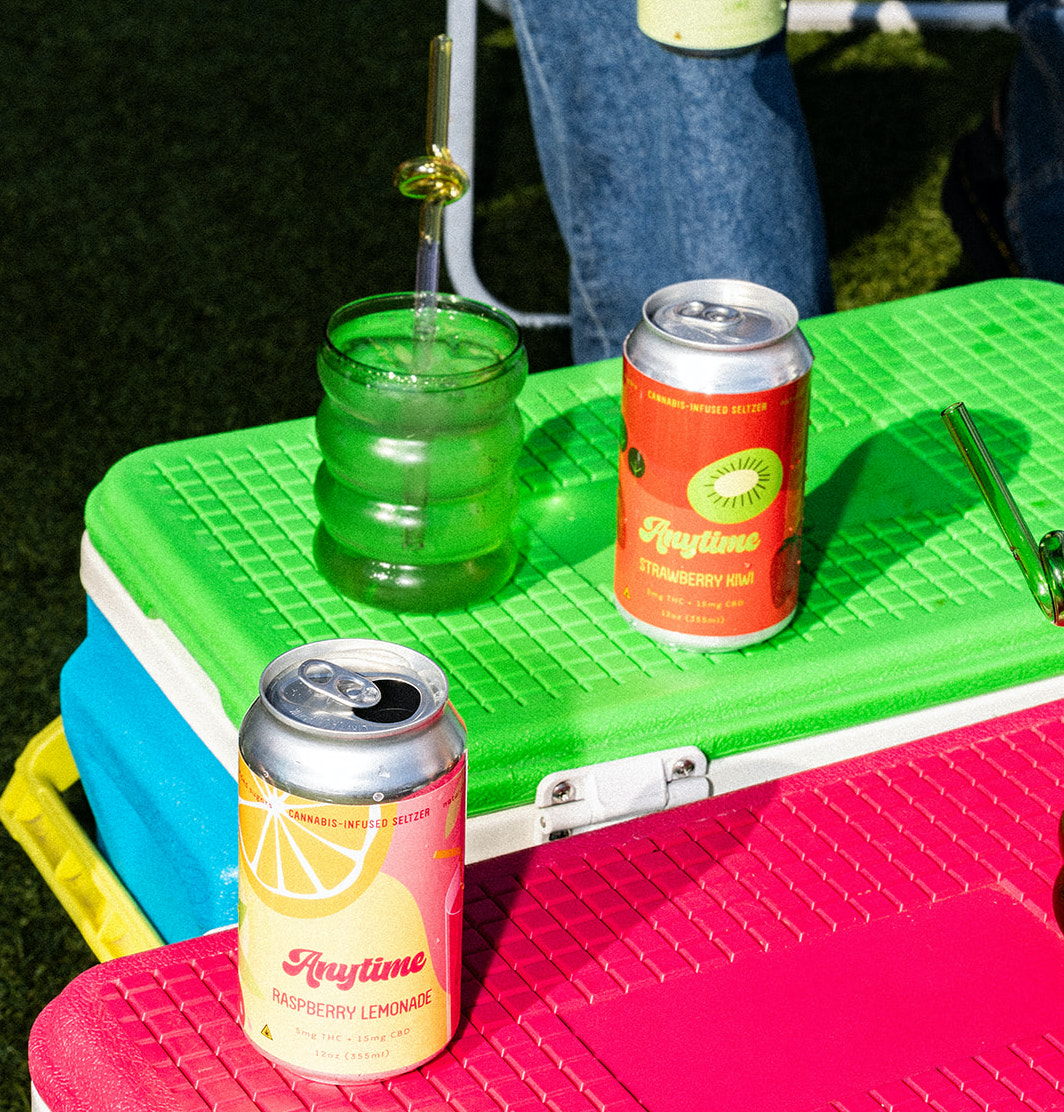
Still, most insiders in the CBD and THC consumer products trade agree the worst-case scenario—the bill going into effect as is—is improbable, predicting common-sense amendments will be made. “We will likely see some kind of milligram cap, age-gating, testing and labeling requirement amendments get passed as opposed to a full-out ban,” says Kaitlin Murphy, founder of THC-infused seltzer brand Anytime. “We support these types of regulations and believe that a regulated industry creates a safer environment for all consumers.”
Insiders argue the size of the hemp industry has become substantial enough to deter lawmakers from moving forward with legislation that could end it for all intents and purposes. Advocacy group U.S. Hemp Roundtable estimates the U.S. hemp industry’s revenues at $28.4 billion a year. That’s on par with the craft beer market. However, the CBD boom that followed the 2018 Farm Bill has cooled significantly.
“It’s very hard to put the genie back in the bottle,” says Murphy. “The hemp industry has grown tremendously since the 2018 Farm Bill. There are a lot of big, powerful players who have seen the value and who are now in the fight with us.” Concurring, Valdez says,“Cannabis, hemp and cannabinoid-based wellness products have deep integration across retail, health care and agriculture. Too many livelihoods and state economies depend on it.”
The provision’s goal is to increase consumer safety, but insiders contend it could jeopardize safety by stoking a black market of unregulated, untested and often synthetic cannabis products. “It will do the exact opposite of prioritizing consumer safety,” warns Murphy. “While we and so many others in the hemp industry have advocated for regulations for years, this type of ban will only give rise to those markets that have no legal oversight and only stand to recriminalize this plant that we now have years of data showing can be consumed safely.”
Lee notes intoxicating THC products on the black market are frequently sold to minors, and a lack of regulations and enforcement is what drove the current excessive hemp-ban language. He says, “Proper regulation, taxation and enforcement could address the majority of these situations as they have done in the alcohol industry.” Terry chimes in, “You can’t really get rid of demand. The synthetic marketplace will only increase, and people will come up with other synthetic analogs.”
CBD and hemp industry insiders speculate that lobbying from alcohol industry special interests swayed key lawmakers, including Kentucky Sen. Mitch McConnell, to slip the hemp provision into the spending bill. If the provision goes into effect, Terry speculates, “A lot of people will just go straight back to alcohol or opioids…The opioid crisis is definitely going to deepen, particularly across the South where there’s just no other access to cannabis.”
Consumers turning to other wellness products is a possibility, too. Recently, there’s been a proliferation of supplements and beverages with botanical ingredients like kava, kanna and controversial psychoactive kratom.
Stephanie Wang, founder of kanna supplement specialist KA! Empathogenics, says kanna is “legal, nonaddictive and sold through traditional retail channels, including Amazon. Kanna belongs in the wellness supplement space, not the psychedelic or intoxicant space. Unlike substances that alter consciousness and compromise mental alertness, kanna is an adaptogen that supports focus and presence, supporting nervous system regulation over time. There’s no ‘high,’ no altered state.”
The Alchemist’s Kitchen carries a number of products that could replace CBD items. Valdez points to valerian root and lavender as time-tested for sleep support; St. John’s wort, kanna and rhodiola for help with mild to moderate depression and anxiety; turmeric, willow bark and corydalis to address pain and inflammation; and skullcap, passionflower and blue lotus for nervous system tension. Valdez says, “The natural world offers an abundance of plants with comparable benefits for sleep, pain relief and emotional balance.”
Despite the panoply of options, Valdez prefers cannabis-based wellness formulas because the compound’s benefits are well-documented and its effects are predictable. “Many people have found cannabis to be the most effective and reliable option due to its broad spectrum of cannabinoids and rapid onset,” she says. “While alternatives exist, they often work more gradually and require consistent use to achieve results, but, if access were restricted, we would continue to guide our community toward safe, evidence-informed botanical options that align with their needs.”
To avoid that fate, the hemp industry is speaking up to persuade legislators to amend or end the provision. Bill Morachnick, CEO of CBD wellness company Charlotte’s Web, suggests there’s an opportunity to work with Congress to clarify the language in the next round of budgeting.
“It’s critical for people to contact their elected officials and make their voices heard. Any responsible amendment must clearly distinguish between unsafe, intoxicating products and non-intoxicating, full-spectrum CBD products that consumers rely on,” says Morachnick. “If left unchanged, this bill would undermine access to products that have been truly life-changing for countless individuals, products for which there is no substitute.”
The players
3 mentionedTopicals

AS Beauty
Amazon