Contemporary Arabian Fragrances Allow Gen Z Consumers To Smell Expensive Without Paying For Expensive Products
One thing they do have in common with your standard Sol De Janeiro oeuvre is being the talk of TikTok. On the platform, where the hashtag #arabianperfume has 243.5 million views and #arabperfume has 55 million views, often poshly decorated Arabian fragrances are praised as smelling “very expensive” and “intoxicating.”
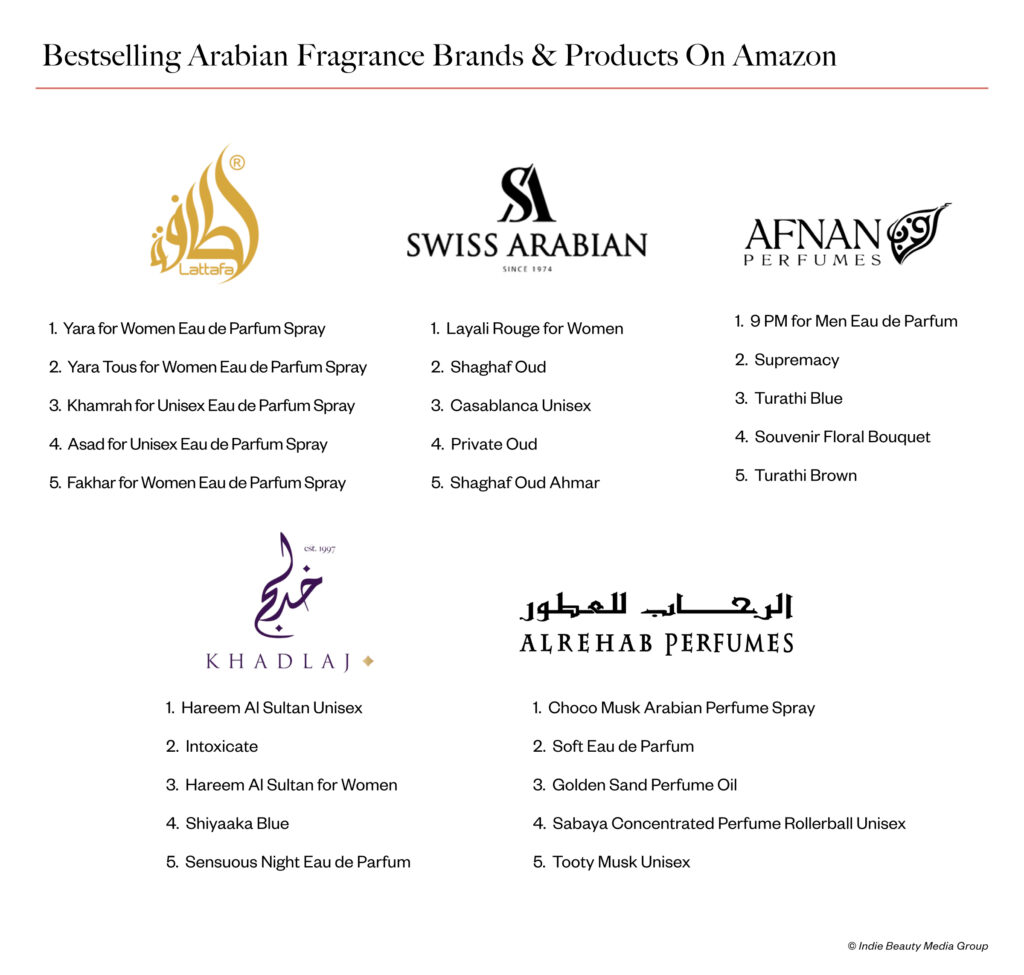
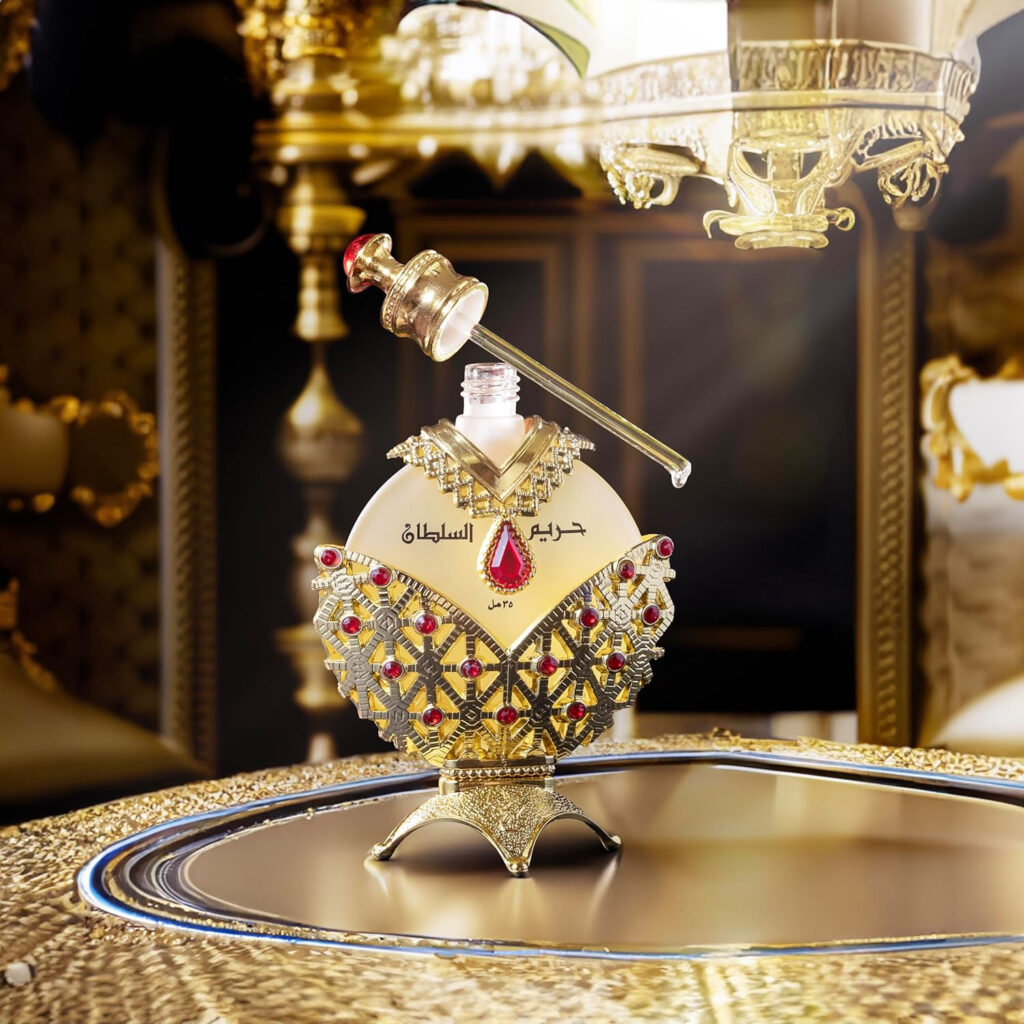
Based in the United Arab Emirates, a hotbed for the companies behind viral Arabian fragrances, Lattafa is TikTok’s Arabian scent queen. The hashtag #Lattafa has nearly 251 million views, and the hashtag for its popular Yara perfume, #LattafaYara, has 56.5 million views. The hashtag for Khadlaj’s perfume oil Hareem Al Sultan has 156.3 million views.
In its tracking of online search volume, consumer intelligence resource Spate has discovered “Arabian perfume” receives 25,000 average monthly searches, up 159% from last year, and “Arabian perfume oil” receives 7,000 monthly searches, up 292.3% from last year.
The arch of the Arabian fragrance phenomenon stretches across social media, gen Z preferences for long-lasting, decadent scents and links to a lengthy history of perfumery. According to Circana, consumers aged 13 to 26 years old, those squarely in gen Z, are fueling the fragrance business. The market research firm estimates 2023 sales of prestige fragrances climbed 12% and 2023 sales of mass-market fragrances climbed 4%.
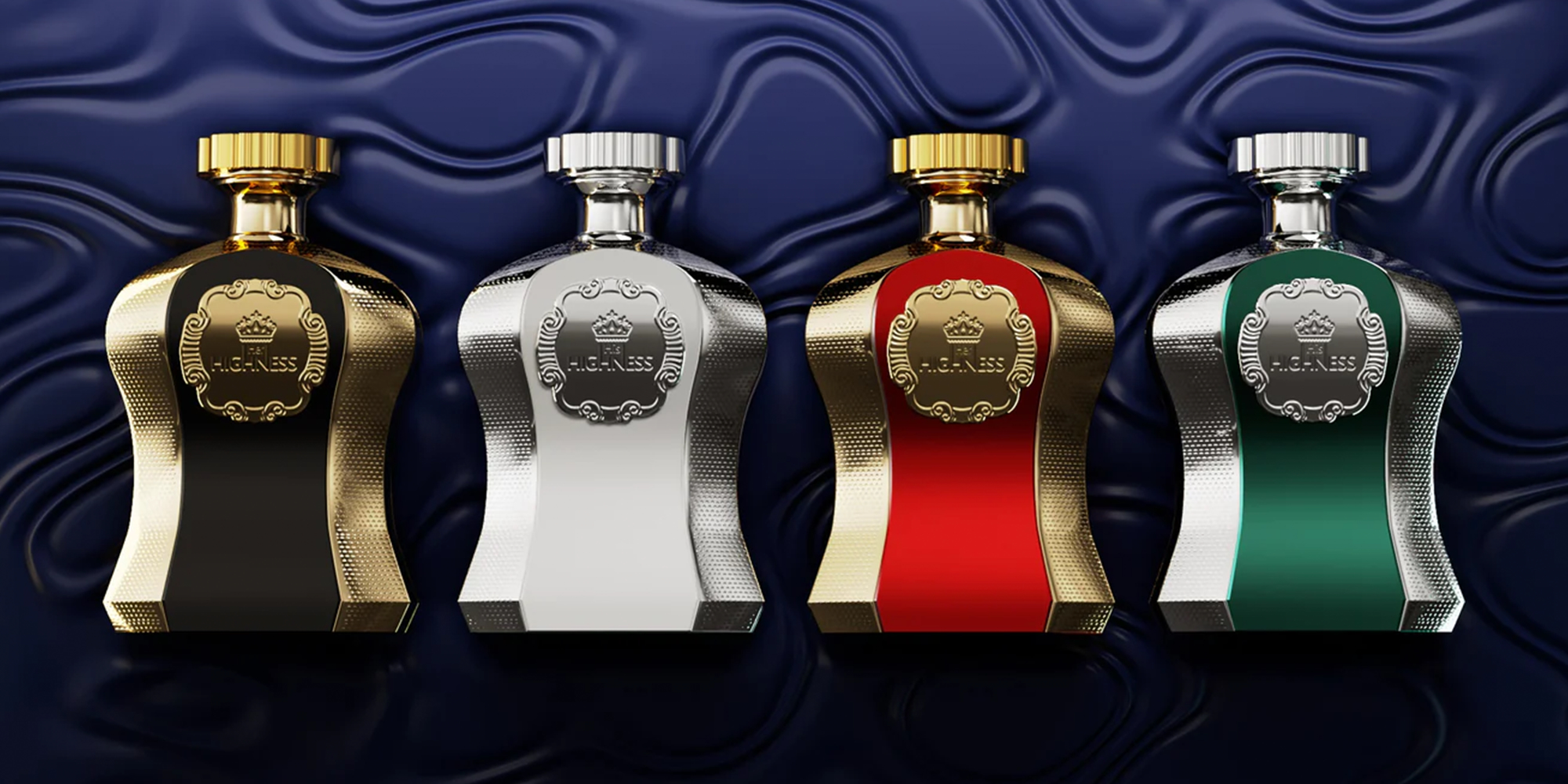
Ashlee Posner, founder of the fragrance brand State of Change and fragrance development company Lucent Laboratories, attributes the ornate packaging of Arabian fragrances as central to their recent TikTok ascent. She says the fragrances have “extremely luxurious, dramatic packaging that shows well on camera and doesn’t look like the same glass cylinder or square bottle seen everywhere else.”
On the “clean girl” to “mob wife” spectrum, they’re decidedly “mob wife.” Posner comments, “The gold gilding, emerald, ruby stones and heavier materials are in contrast with your less is more clean lines American style.” On a somber level, she adds, “Considering ongoing developments in the Middle East, it would be remiss not to draw connections between current events and consumer choices inspired by the region.”
Funmi Monet, a beauty content creator with 441,000 followers on TikTok, credits Arabian perfumes’ affordability and distinctness with their popularity. The Arabian fragrances on Amazon’s 20 bestsellers list all sell for under $40, but aren’t ubiquitous at drugstores or off-price outlets as can be the case with mass-market fragrances in their price range.
“For mainstream fragrance wearers, these perfumes are not typically found in your local department store or Sephora,” says Monet. “Those looking for scent profiles outside of the popular fragrances sold in their region are attracted to the unique scent profiles and packaging that the Arab perfumes represent.”
Arabian fragrances are hardly new. In an Allure article, writer Jennifer Hussein points out that modern-day Iraq is the birthplace of fragrance, and the art of perfumery was mastered by ancient Egyptians, who distilled and macerated flowers for scents and relied on resins for them as well. Arabian fragrances were historically concocted with musk, camphor, saffron, ambergris and agarwood, also called oud, and incorporated in religious practices.
“They’re used at prayer time,” says Walter Johnsen, VP of product development and fragrance designer at perfume manufacturer and distributor Inter Parfums Inc. “They are symbols of personal hygiene, spiritual upliftment and prosperity in the community, while Western perfumes are the novelty of self-indulgence.”
For today’s consumers, he continues, “The allure of Arabian fragrances [is their ability] to transcend trends and generations. Their profound historical importance, cultural identity and the fascination and mystery that surround the region elevate them beyond the realms of mere commodities. Arabian perfumes encapsulate artistry, opulence and a sensorial gateway to the heart of Arabian heritage.”
Drawing a line between ancient and present-day Arabian fragrances, Monet explains they’re known for “longevity in order to withstand the higher temps of the region. They often contain higher concentrations of perfume oils, allowing the scents to linger on the skin for longer periods of time. They’re also renowned for being rich and complex. The popularity of oud is derived from the agarwood tree and adds a deep, woody and sometimes smokey aspect to the fragrance, which contributes to its unique and luxurious nature.”
Modern Arabian fragrances put a twist on traditional notes—and explore beyond them. Referencing Khadlaj’s Hareem Al Sultan Gold, Posner says, “They’ve tried to take a more modern approach with a citrus-fruity twist on the classic rich spices and musks by using pineapple, peach and plum notes. The lower price point also supports the notion that these have a lower oil load and less expensive ingredients.”
Danielle Hokayem, director of fine fragrance in South Asia, Middle East and Africa for fragrance and flavor company Givaudan, describes contemporary Arabian fragrances as olfactorily diverse to offer consumers a variety of choices. She says they retain “strength, diffusion and longevity, but the olfactive notes have taken a more modern direction, using less of the traditional oud or mokhalat structures. In the past, fragrances followed more traditional signatures around key ingredients like oud, rose and saffron, but, nowadays, the use of synthetics or other naturals like vanilla, tonka bean and white flowers have increased.”
Along with the rise of Arabian fragrances, e-tailers have risen to sell them with names like Maison d’Orient, Perfume Arabia and Intense Oud. At large beauty retailers in the United States, the Arabian fragrance sensation is barely evident. An exception is Sephora, where Kayali, the fragrance brand started in 2018 by Mona Kattan, co-founder of Huda Beauty and sister of Huda Kattan, is sold. Priced at $125, warm and spicy Vanilla | 28 is its bestseller. The fragrance contains vanilla orchids, tonka absolute and amber woods notes.
Last year, Kayali introduced Oudgasm Collection to showcase oud in four intense, unisex eau de parfums priced at $140 each: Oudgasm Rose Oud | 16, Oudgasm Vanilla Oud | 36, Oudgasm Tobacco Oud | 04 and Oudgasm Café Oud. They’re designed for fragrance connoisseurs and oud newbies alike.
Dubai-based Kattan says, “To me, perfume can be used as an expression of self-love, but also a way to express your mood and individuality. Fragrance is also very deeply rooted with the culture here, and I wanted to be able to share my experience and my heritage with the world by making layering playful and luxurious, but still accessible.”
Glancing into the future, Johnsen doesn’t think interest in Arabian fragrances will flatten. Instead, consumers and perfume companies will become even more creative about reinterpreted them and plunging into less well-traveled ancient territory for product motivation.
“As the niche fragrance world looks to evolve and push the boundaries in the West, they find inspiration through a culture that has long been established, mired in mystery, intrigue and the unknown,” he says. “This now raises the curiosity to open up development using old-world fragrance ingenuity to create a new character in fragrance.”
The players
5 mentionedCommodity

AS Beauty
Under Your Skin
Kayali
Huda Beauty