Challenger Brands Advance After-Sun Care Beyond Basic Aloe
Some may be noticing their tans are accompanied by dehydration, discoloration and poor texture. Others are searching for ways to hold onto their sun-kissed glow as long as possible. They’re turning to after-sun products, a sun care subsegment that’s stretching beyond the basic aloe-based products that it’s most known for.
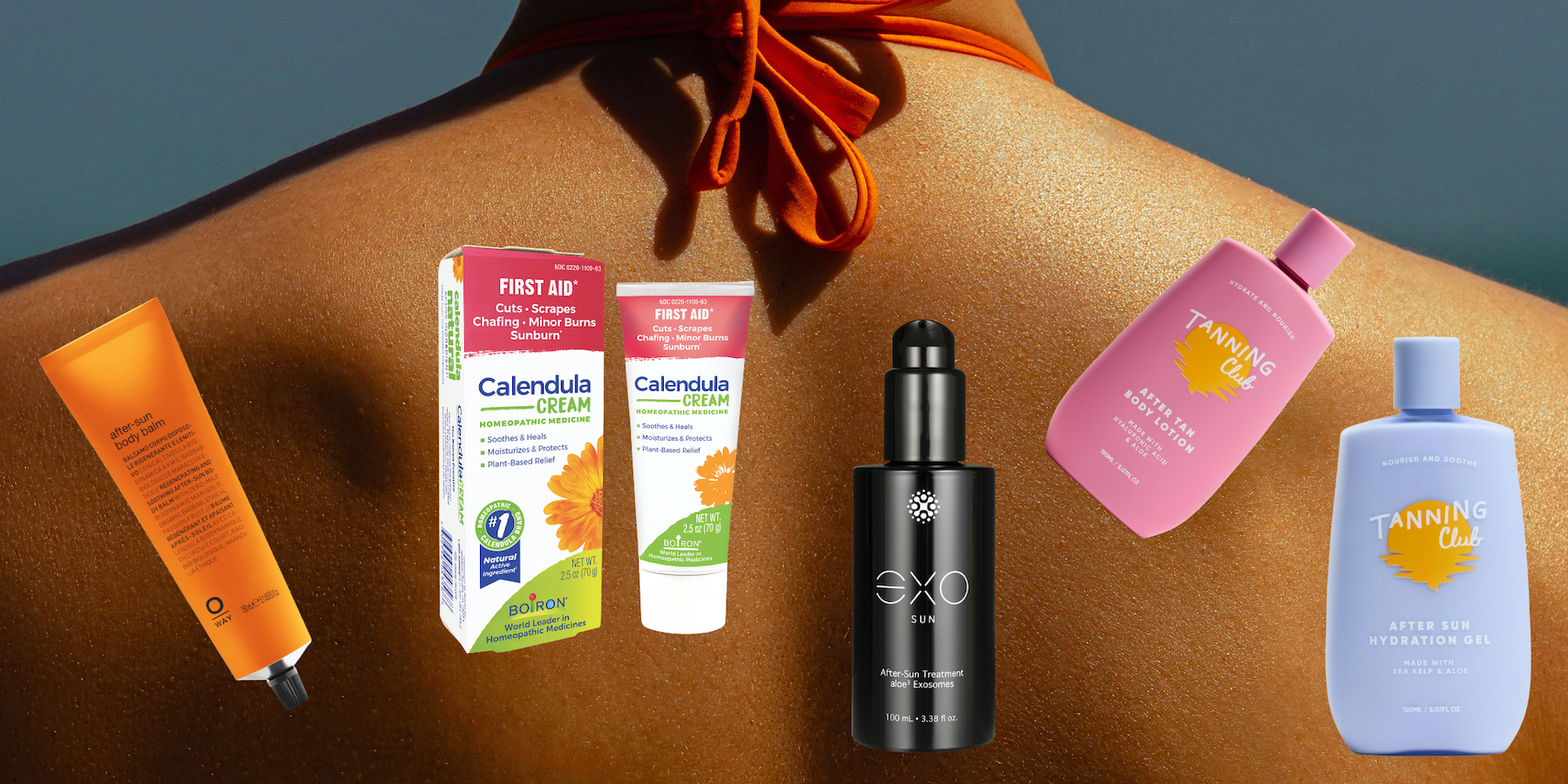
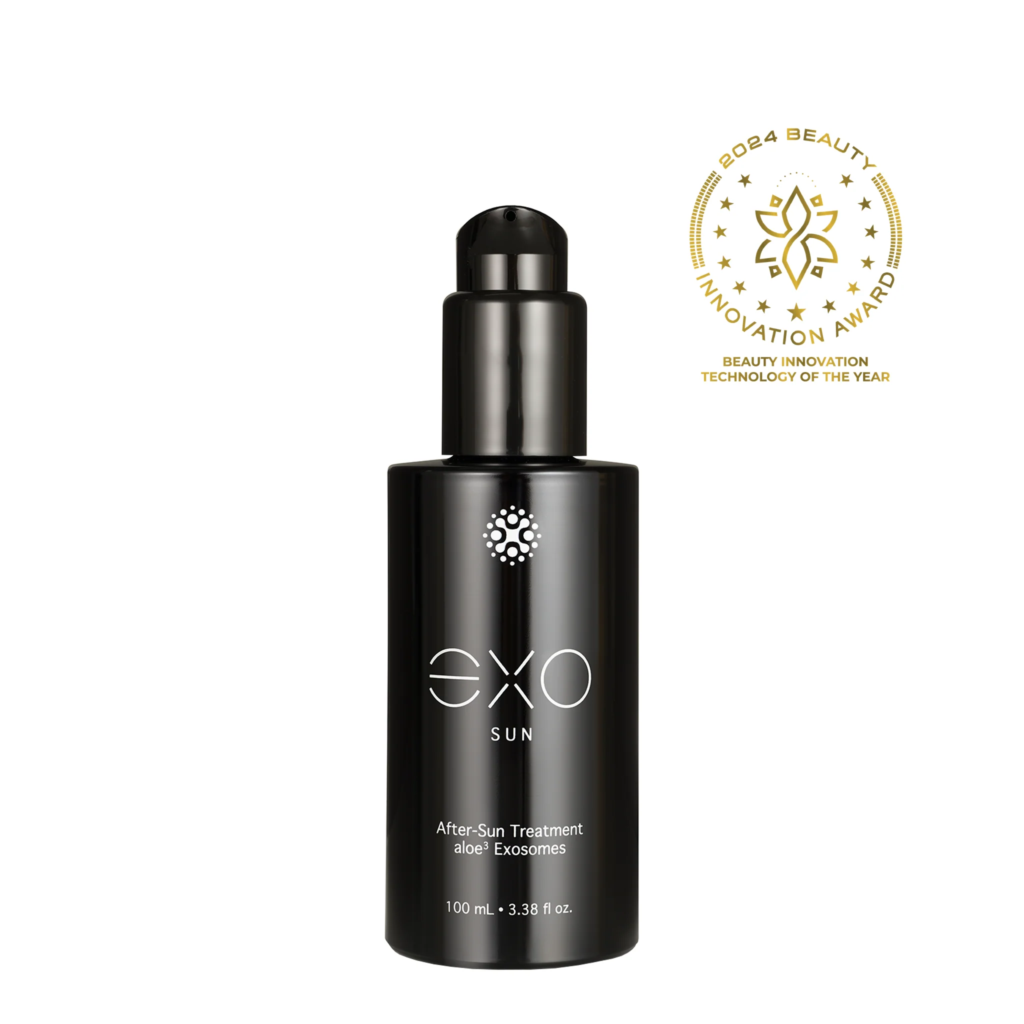
This year, sun care brand Coola introduced the $32 Radical Recovery After-Sun Lotion featuring agave and aloe vera enriched with a slew of antioxidant-rich oils such as lavender, sunflower, sweet orange, mandarin peel and cedarwood. Dune Suncare’s assortment includes $22.95 after-sun gel The Lifeguard with aloe, hibiscus fruit extract and seabuckthorn. Biotechnology-powered skincare brand Exoceuticals’ $159 After-Sun Treatment combines aloe with topical exosomes to combat sun damage.
Cali-cool sun care brand Tanning Club’s sea kelp- and algae-infused post-sun products are the $28 After Sun Hydration Gel and $30 After Tan Lotion. Hot sunscreen brand Vacation serves up a cooling $14 After Sun Gel with niacinamide, glycerin, hyaluronic acid, tremella mushroom and prickly pear paired with aloe, cucumber and bisabolol.
Growing at a compound annual growth rate of 4%, the global post-sun care market is expected to go from $2 billion in 2024 to exceed $2.5 billion by 2030, according to research by XRC Ventures. In a Substack post, the early-stage venture capital firm notes that Google search volume for “after sun care” has more than doubled in the past five years, although search volume for “aloe vera” has dropped by 25% in the same period.
Diana Melencio, general partner at XRC Brand Capital Fund, believes the data signals there are major tailwinds buttressing the after-sun category, and it’s ripe for disruption. Like many other consumer product categories that have received a glow-up from challenger brands (bug repellent, OTC products and intimate care, to name a few), discerning modern consumers are hungry for post-sun formula innovations and updated design.
XRC’s Substack post pronounces “aloe is tired” and highlights white spaces in after-sun care for “cooling ceramides, postbiotic repair blends, or even calming adaptogens. The shift in consumer search behavior supports this.”
Melencio points to climate change as another factor in after-sun’s time to shine. With it leading to greater sun exposure, consumers are prioritizing sunscreen and hunting for after-sun care remedies and viewing these products as year-round rather than seasonal necessities. “Cities are getting warmer, the earth is getting warmer,” says Melencio. “We are going to continue to see more sun exposure all around because everything’s getting warmer.”
Melencio is excited by biotechnology improving after-sun care formulas and asserts there’s ample room for science-backed products that can restore the skin immediately after sun exposure while also working to reverse long-term sun damage. She says, “What we’re ultimately after is, you damage your skin, how do you make it better?”
Rachel Harkin, director of marketing at tanning brands Australian Gold and Hemp Nation, has clocked the “skinification” of self-tanners and sun care characterized by brands bringing products to market filled with actives traditionally reserved for facial skincare. Plastic surgeon Shirley Madhere recommends calendula, aloe vera, vitamin C, hyaluronic acid, allantoin and niacinamide for post-sun care and suggests creams or lotions like Boiron’s Calendula Cream rather than a gel format post-sun. She says, “It’s best to avoid skin gels as these are typically formulated with alcohol which will further dry the skin and may exacerbate sun damage.”
Melencio has been keeping track of how retailers are handling the after-sun category as it gains traction. Amazon has dominated it, and there’s space for it to make headway in beauty specialty, direct-to-consumer distribution and clean beauty stores. Most retailers don’t have a dedicated subcategory for after-sun merchandise online. Ulta Beauty, Harrods and Revolve are exceptions.
Melencio says Harrods was one of the first retailers to break out a post-sun care category with its own landing page. It has premium skincare from brands like Dior that aren’t specifically designed for after-sun care, but its identification of them for after-sun purposes shows the resonance of after-sun merchandise to its clientele.
As Melencio digs into the after-sun care market for opportunities, she posits the most potential lies in the higher end prestige pricing tier. Currently, the majority of the market is in the mass to masstige range. Melencio adds that 80% gross margins can be achieved at retail prices under $100.
She says, “Where we’re going to see some of the breakthrough technologies and potentially brands that are solely focused on after-sun, which is what I’m after, they’re going to have to happen on the prestige side because to use any kind of language around repair is going to be more expensive.”
While the after-sun market has primarily been the province of one-off products from sun care brands, Melencio figures a dedicated after-sun care brand with a comprehensive selection encompassing various product formats for various body parts could make awareness easier. “The damage is not relegated to just your face. It’s your entire body. It’s hair,” she says. “I see multiple product extensions that can live within a brand and carve out a space for expertise.”
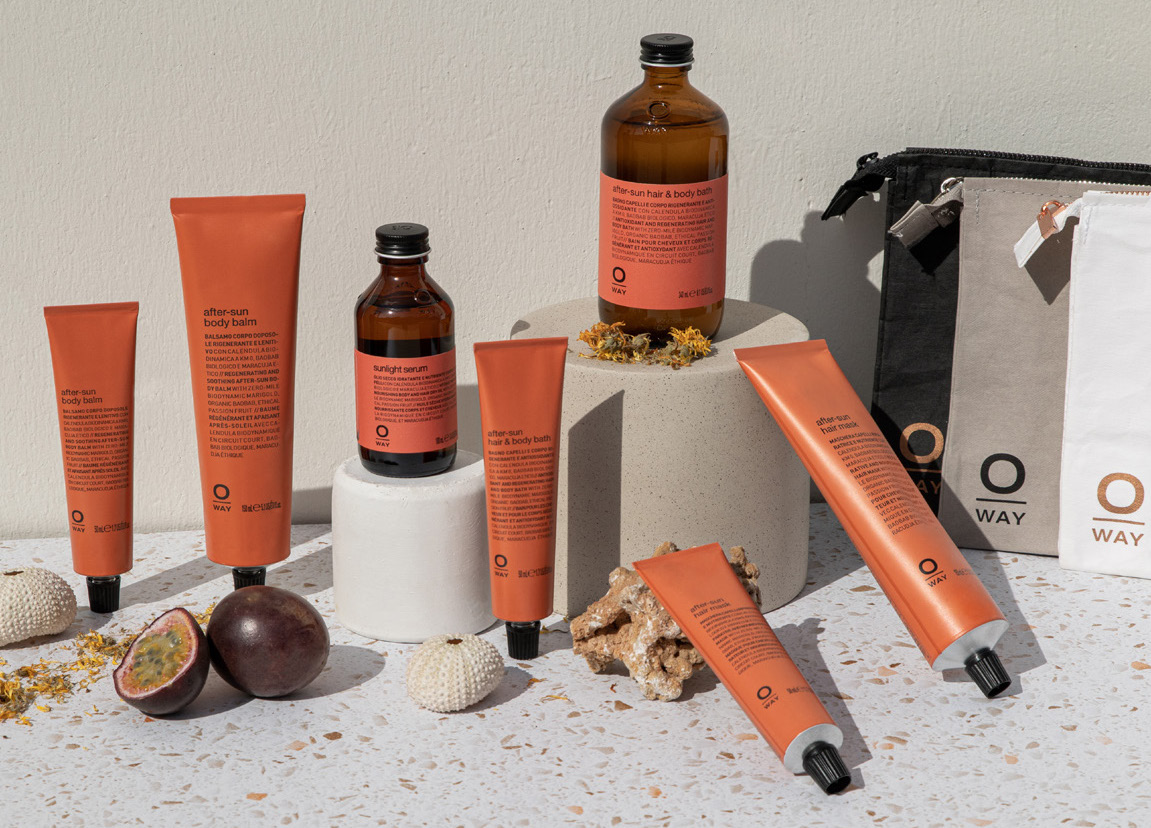
Sustainable haircare brand Oway’s Sunway collection is perhaps a happy middle ground. Launched in 2022, the four-product collection priced from $16 to $55 covers hair, face and body with formulas developed to nourish, protect and regenerate hair and skin post-sun exposure. The collection is sold online and at participating Oway salons. The $43 calendula-, baobab- and passion fruit-infused After-Sun Hair Mask is the bestseller.
Madhere emphasizes that pre-sun exposure is important, too, and that could be next in the sun exposure-related product arsenal. “Pre-sun skincare helps to reduce the chances of sunburn and sun damage,” she says, “In general, it is helpful to be well hydrated and to maintain a diet rich in foods that may serve as sunscreen from the inside-out such as tomatoes, carrots, leafy greens, watermelon, berries and salmon.”
The players
5 mentionedFormulate

Too Faced
Coola
AS Beauty
Dune Suncare