How The CEOs Of Phlur, Mane And OSEA Malibu Manage Founder Dynamics And Growth Strategies
To understand how they navigate those challenges, Beauty Independent gathered three executives across fragrance, haircare and skincare—Elizabeth Ashmun, CEO of Phlur, Rachel Jonas Gilman, CEO of Mane, and Melissa Palmer, co-founder and CEO of OSEA Malibu—for a recent In Conversation webinar discussion. They talked about everything from retail expansion and influencer strategies to the softer skills like emotional intelligence and knowing exactly when to loop founders in (and when not to).
Phlur
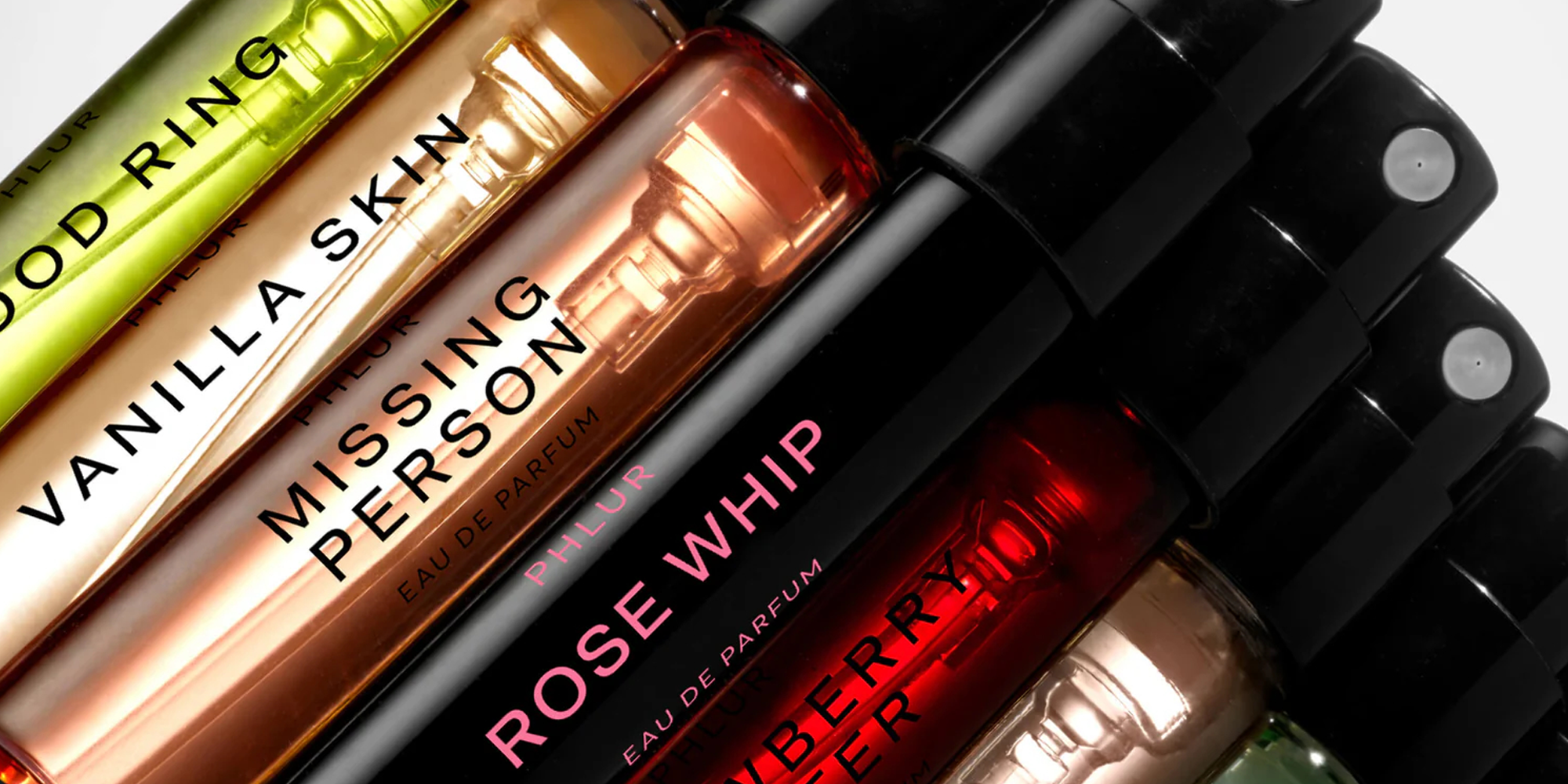
With stints at Kate Somerville, Moon Juice and Murad under her belt, Ashmun gravitates to brands in beauty categories on the precipice of major shifts in position to capitalize on them. She sensed that niche fragrance brand Phlur was one such brand before taking the reins as its CEO last year. Ashmun listed emotional intelligence as a top trait needed by operators working with founders. She said, “Be there as a resource to help them focus.”
Estimated to do $150 million in retail sales this year, Phlur was acquired by private equity firm TSG Consumer Partners this summer. Relaunched in 2022 by beauty brand incubator The Center and influencer Chriselle Lim, the brand, which is available at Sephora in the United States and Canada, has seen explosive growth of late as fragrance category growth outpaces the market. It was the third strongest selling direct-to-consumer beauty brand during the first half of the year, behind Rhode and body care brand Maëlys, according to data analytics firm Consumer Edge.
Ashmun said Phlur was the No. 1 fragrance brand when it launched at Sephora in the Middle East last month. Outside of Sephora, the brand is available at Nordstrom, Revolve, Amazon, TikTok Shop, Space NK and Mecca, with more retail expansion planned for next year. It aims to maintain an even balance between its DTC and wholesale channels.
Phlur largely manages influencer marketing in-house, except for third-party agencies for its TikTok affiliate network. It tries to strike a balance between paid and organic marketing efforts and initiates paid partnerships with fragrance influencers on a sporadic basis to immerse customers in the brand’s storytelling. Ashmun said, “Influencers are a very, very big part of our community and have built this phenomenon around blind buying that we’re seeing within fragrance. They have really changed the way people are engaging in the category.”
Phlur’s marketing, digital marketing and product development are operated as separate teams under a CMO, a head of digital marketing and SVP of product, respectively. “There’s a lot of collaboration that happens between those three areas,” said Ashmun, a former CMO. “I don’t get overly rigid on the job description in terms of what they need to check every one of these boxes. I just need them to be a winner and then I can sometimes build the roles and responsibilities around that profile.”
Mane
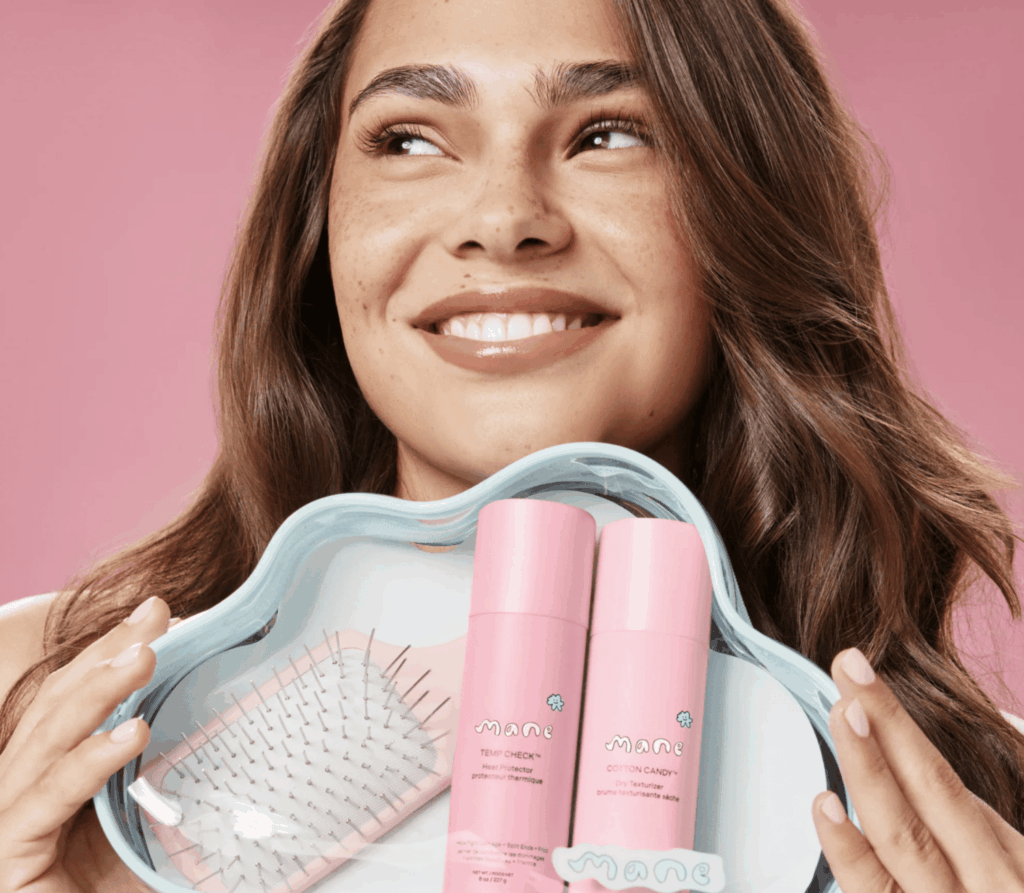
Rather than join mature beauty brands, Gilman, formerly president at Pattern Beauty, prefers to get in early with emerging brands just before they start scaling. She began at Mane about a year after celebrity hairstylist Jen Atkin launched the hair tools and accessories brand in 2023. It entered Sephora chain-wide in the U.S. and Canada in 2024.
To successfully support founders, Gilman instructed that guardrails around what and when to involve them are crucial. She said, “If it’s too early, you’re going to kind of swirl on something, but if it’s too late, you might have wasted time not showing them something early enough.”
Products in Mane’s assortment range from $12 for hair clips to $148 for an ionic hair dryer. Sephora accounts for the majority of the brand’s sales, but it’s focused on growing its DTC, Amazon and TikTok Shop businesses, too. Mane recently expanded into styling products with hair oil, texture spray and heat protectant alongside hair and body mists. According to an estimate in the publication Women’s Wear Daily, the product range’s first-year retail sales could land between $20 million and $30 million.
In a digital world, Gilman emphasized that brands must leverage community building and customer feedback loops on social media to gain and sustain momentum. Customers expect transparency from beauty brands now and are pickier about where they place their trust and their dollars than before. Gilman said, “The bar for design and offerings and storytelling is higher than ever, and sameness gets ignored.”
Marketing is Mane’s largest internal group, spanning product, retail, influencer, brand and performance teams. Similar to Phlur, product development isn’t integrated within marketing and sits within the brand’s operations vertical. With previous marketing roles at Juicy Couture and Jonathan Adler Designs on her CV, Gilman has held off on hiring a CMO at Mane for now.
With a younger consumer base, influencers have been an important piece of Mane’s marketing program. Gilman said the brand engages with micro- and nano-creators as well as college ambassadors that count themselves as haircare influencers, hair professionals and beauty enthusiasts. To broaden its awareness, Mane participates in gifting and amplifies user-generated content on its social accounts.
Osea Malibu
Launched in 1996 by Palmer’s mother Jenefer, a former spa director, OSEA Malibu’s logo, tagline and many of its formulations have remained unchanged since its start. Palmer avoids an always-on mentality to work fruitfully with family. She said, “So much of our growth and evolution has been finding ways to have a healthy work-life balance where we’re focusing on when we’re working, when we’re not.”
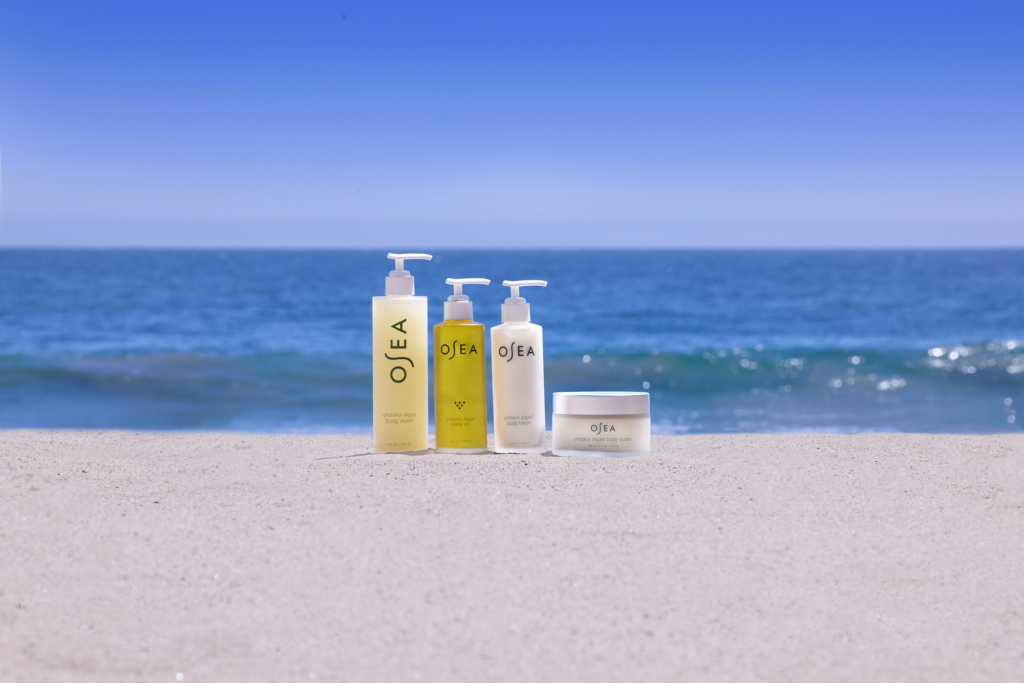
Today, the brand generates over $100 million in annual sales. Celebrating its 30th anniversary next year, last month it snagged an undisclosed investment from General Atlantic, backer of Kayali, Grove Collaborative, European Wax Center and Vegamour, after a rumored deal with Shiseido failed to move forward. The brand’s $54 Undaria Algae Body Oil became its bestseller seven years ago after an organic endorsement from Victoria Beckham.
Palmer said, “The challenge and opportunity is always, how do we continue to stay fresh and relevant while staying consistently true to who we are?”
DTC is OSEA Malibu’s leading channel by revenue, and retail, in particular Ulta Beauty, is its fastest growing one. The brand’s other stockists include Bluemercury, Nordstrom, Credo and Mecca. Exclusive to spas at the outset, professional distribution is small, but essential for the brand. Communicating directly with customers via DTC and Instagram has been a critical growth lever. Of late, influencers have become an indispensable part of OSEA Malibu’s marketing strategy, with trips a key area of investment.
The brand taps aestheticians and beauty and wellness influencers 25 years old and up through product seeding and paid partnerships. It’s also been ramping up relationships with retail store associates with engaged followings, especially at Ulta. Similar to Phlur, OSEA Malibu manages influencers entirely in-house, but turns to agencies to help with TikTok affiliates. It utilizes influencer marketing software platform CreatorIQ for tracking social media mentions.
The players
5 mentionedSpace NK

Formulate
AS Beauty
The Center
Kayali