Brands Get Involved In The Growing Movement To Implement Workplace Menstrual Leave
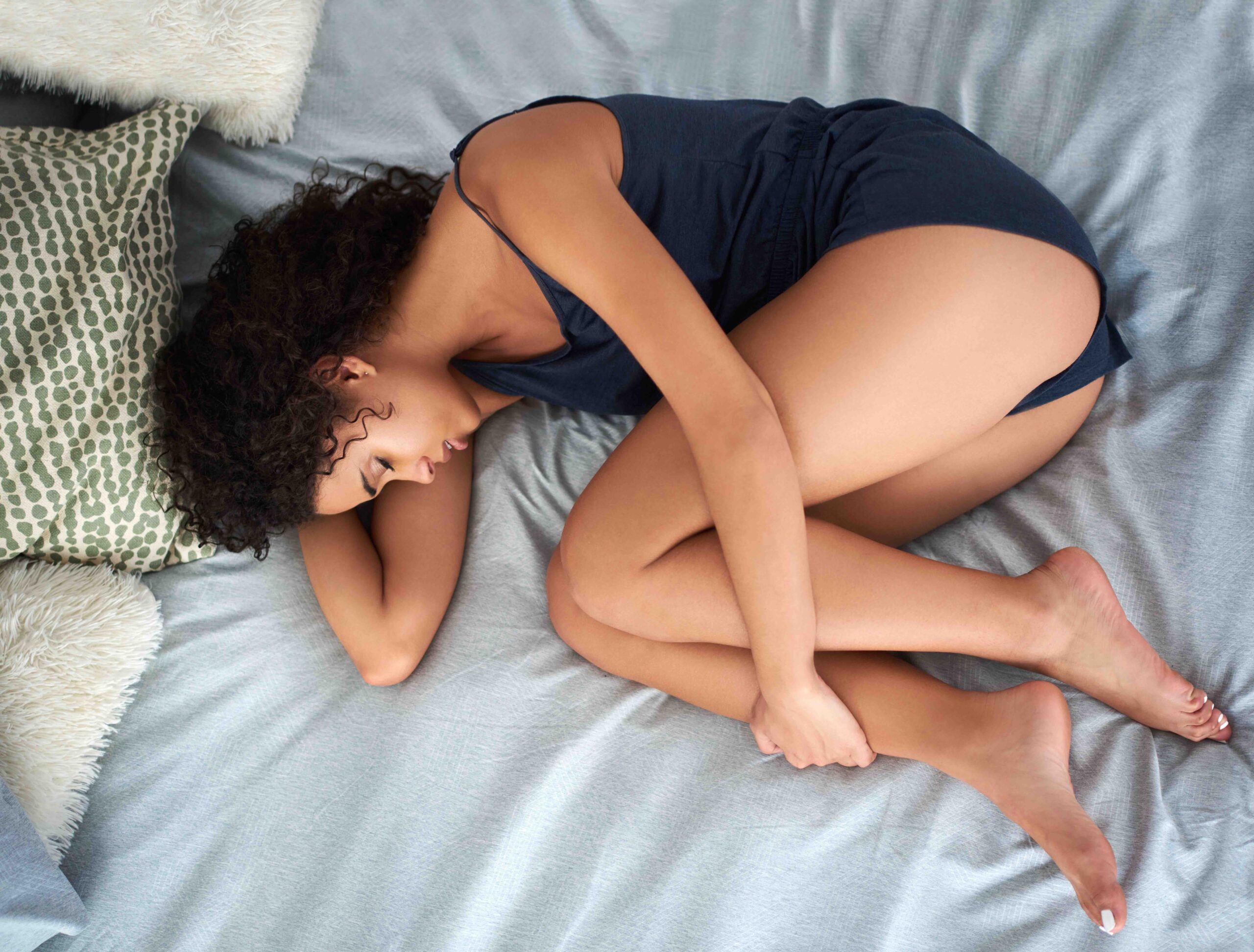
“It was very uncomfortable to change pads and sometimes clothes in a shared bathroom that didn’t have enough room for that,” she says. “I was constantly afraid of bleeding through clothes. The situation made me feel exposed and exploited because getting privacy and rest to at least go through the first two days of my period in peace was not a possibility.”
While not everyone is candid about such challenges, they’re more common than many might presume. In a survey of over 30,000 women in the Netherlands, 14% reported they’d missed work because of periods, and 81% stated they were less productive when they powered through their periods for work.
To accommodate people with difficult periods, workplaces are increasingly offering menstrual leave allowing time off during periods. Indonesia, Japan, South Korea, Taiwan and Zambia legally require companies to provide menstrual leave (occasionally paid, occasionally unpaid), and Spain is currently weighing a bill that would require employers to provide unlimited paid menstrual leave.
Menstrual leave isn’t required in most countries, including the U.S. However, a few sizable companies like Indian food delivery service Zomato and period underwear brand Modi Bodi have announced they’re offering menstrual leave, and smaller companies have followed suit, particularly those focused on women’s health, sexual health and period care.
Beyond offering menstrual leave themselves, a growing group of brands are getting involved in the menstrual leave movement by educating people about menstrual leave via social media and consulting fellow businesses on it.
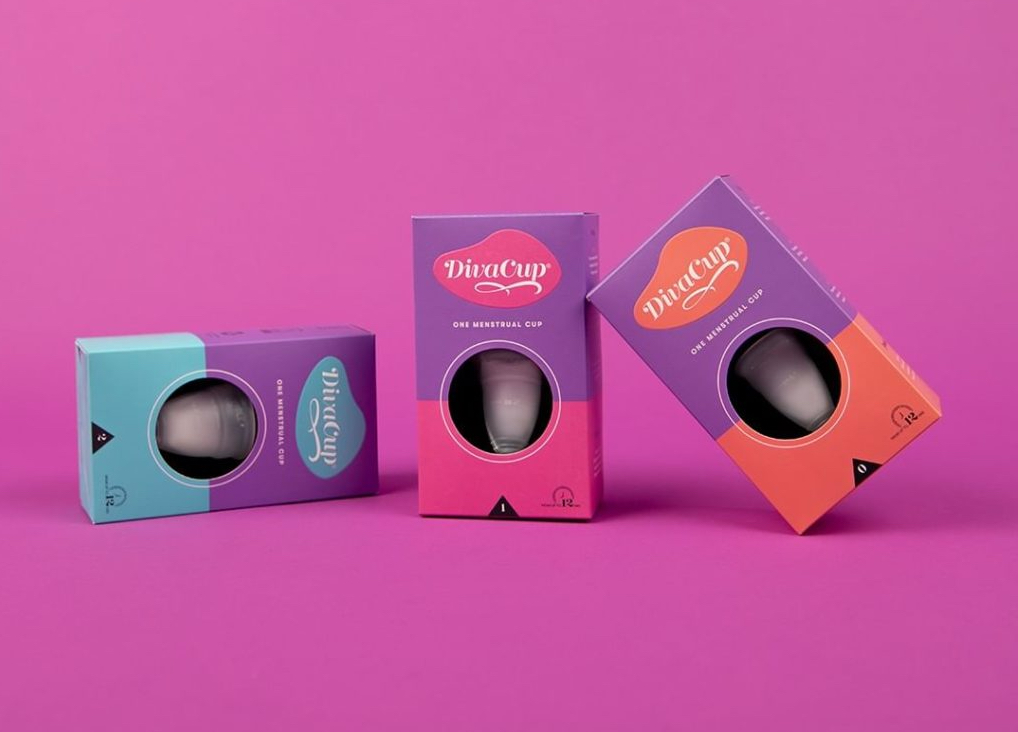
Diva, the brand behind the DivaCup menstrual cup, became among the first companies in Canada to offer menstrual leave in 2021, affording employees one paid day of menstrual leave per month. Now, Diva advises companies on the process of implementing menstrual leave. A menstrual leave policy at Diva meets with companies, conducts webinars and supplies recommended policy language for human resources departments.
“For Diva, the decision to offer menstrual leave was simple: Period wellness translates into healthy and well-rested employees who can bring their best selves to work every day,” explains CEO and founder Carinne Chambers-Saini. “Diva strongly believes that employees should not feel pressured to show up to work even when feeling sick.”
For &Sisters, maker of sustainable pads, tampons, and period underwear, the logic behind offering six paid days of menstrual leave per year along with the option to work from home or rest in a quiet area during menstruation or menopause is similar. On top of its menstrual leave initiative, the brand has written the whitepaper “5 Steps to a Period-Positive Workplace” to inform companies about menstrual leave and the benefits of offices providing period supplies. Co-founder Lucy Lettice, says, “Penalizing workers for taking time off for menstrual pain creates a culture of shame and reduces productivity.”
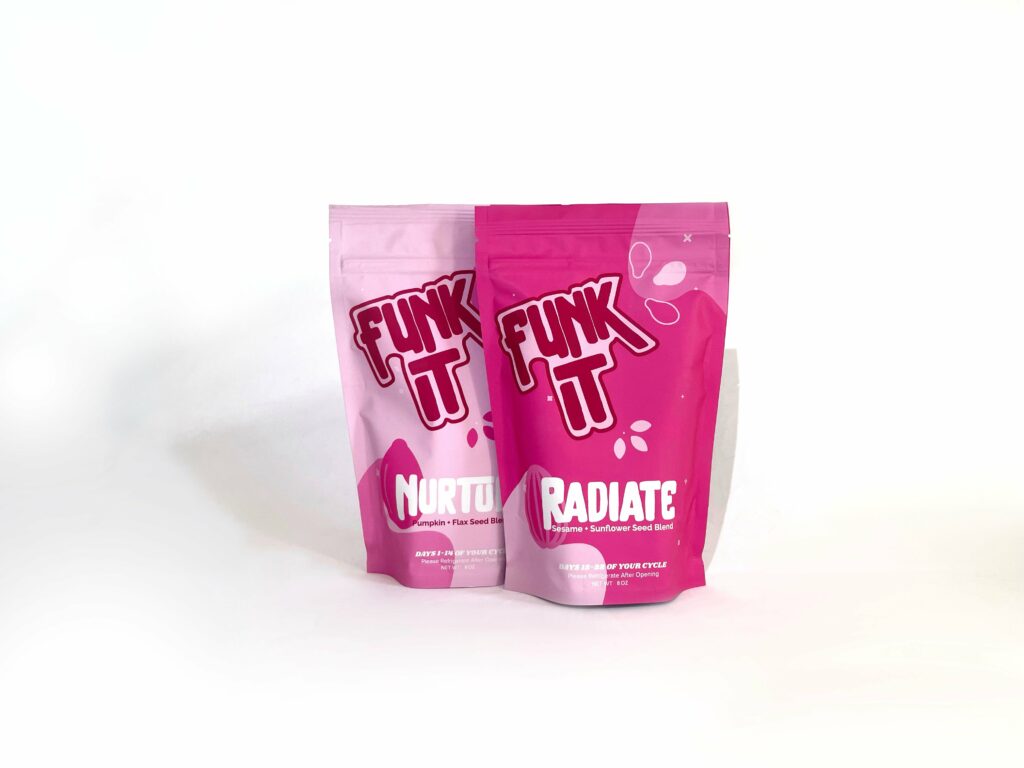
Funk It Wellness, a brand selling supplements and food to combat period pain, offers paid menstrual leave and work-from-home days, and holds discussions in which staff members talk about where they are in their menstrual cycles and what work they may or may not want to take on as a result. The discussions are rooted in an undertaking known as “cycle syncing,” where menstruating people plan activities around changing hormones.
Founder Kate Morton says, “Everyone has a different approach to each phase, but, for me, I like to do all my reflecting and data dives on my period; all my content creation, podcasts and partnership calls in my follicular phase and ovulation; and then I like to execute all the plans I have made in my luteal phase—I love a good checklist in this phase.”
Funk It Wellness posts about menstrual leave on social media, notably TikTok. Morton says, “I think another opportunity is to offer education on how to take care of your menstrual cycle all month long so that you don’t feel as bad on your actual period.” She continues that Funk It Wellness provides menstrual leave because “we didn’t choose to have periods or live in a world that does not respect our cycles, so menstrual leave is an accommodation that brings that closer to alignment.”
Not every period care brand is convinced menstrual leave is helpful or necessary. Nyssa, a brand specializing in underwear and ice/heat packs for menstrual and postpartum care, doesn’t offer it. Co-Founder Ellen Kellogg has concluded menstrual leave policies aren’t the best strategy for destigmatizing menstruation or assisting menstruating people in the workplace.
“The real and assumed pressure upon women to suffer in silence has been a major contributing factor to the lack of conversation and innovation in the women’s health space,” says Kellogg. “Therefore, a policy that encourages women/menstruating people to take their period pain home feels like a step backward, not forward.”
Kellogg elaborates that menstrual leave could reinforce “the deeply flawed concept that menstruation renders a woman incompetent or unfit for the workplace” and lead to “troublesome perceptions and unspoken standards” like the idea that “a woman who takes time off for period pain is weak, uncommitted to her job, unambitious or taking advantage of the system.”
Select entrepreneurs in the space argue that because menstrual pain often, if not always, points toward an underlying issue, the focus should be on eliminating the pain. Mixhers, the brand behind the supplement Hertime addressing period pain, supplies its product to employees for free. “If employees are having menstrual pains, we offer flexible hours and remote work,” says founder Jess Toolson. “We have only had this issue with employees during their first cycle while working at Mixhers before they started taking Hertime.”
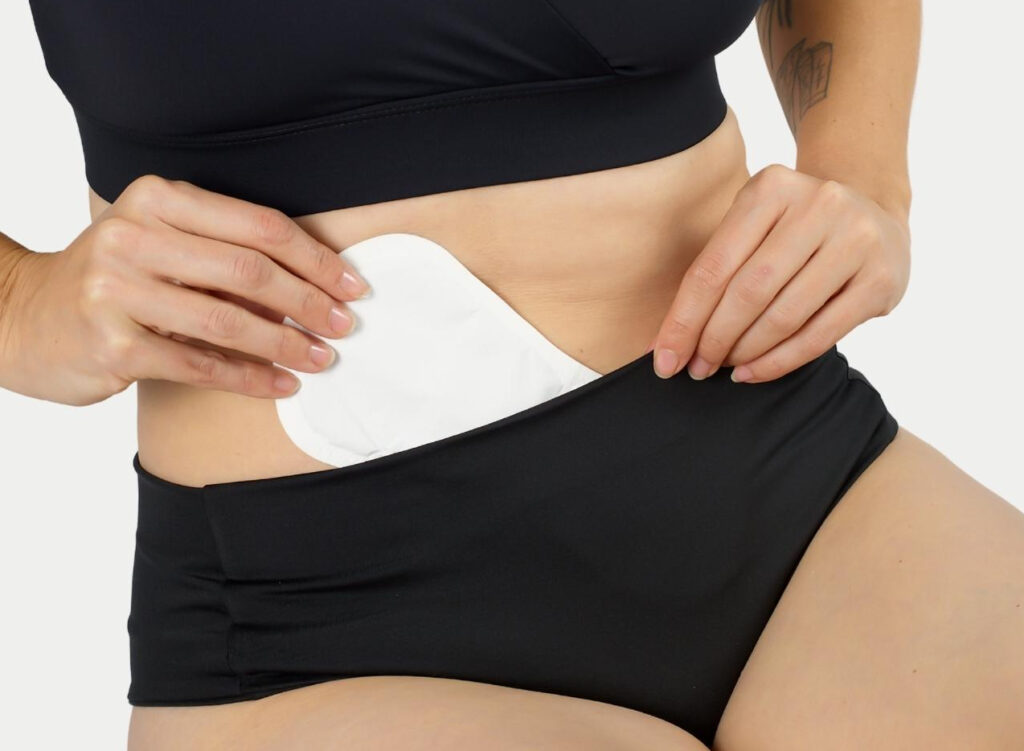
Other brands opt for a broader policy than menstrual leave. Vaginal wellness brand The Honey Pot Company has traditional sick days and encourages employees to consider uncomfortable or painful menstruation a reason to take them. Instead of menstrual leave, Nyssa offers paid “wellness days” that can be used for any purpose like mental health or menstruation. The brand’s employees receive unlimited wellness days, and they receive its products designed to relieve cramps and bloating for free. In the future, Nyssa hopes to provide a wellness stipend to employees that they can use as they please.
Orin Davis, a human capital consultant and business professor at University at Buffalo, figures broad leave programs like wellness days accommodate employees needing time off for menstruation while protecting them from discrimination. He suggests companies implement a flexible vacation policy of at least 30 days annually allowing employees to take days off without notice. Davis says, “The most important thing to avoid is a situation where some people are using the days and some people aren’t because the company will start to favor those who don’t.”
Along with generous leave or vacation policies, flexible work schedules are important. “The best solution for all of this is giving employees as much freedom as possible to structure their work and workdays as they see fit,” says Davis. “When employees are trusted to get their work done and are given reasonable opportunities to schedule their own days, it will enable people to step away whenever they need to regardless of the reason and also to take the day off when they are not feeling well.”
Rif Care, a brand with hemp fiber menstrual pads and hemp oil lubricant in its assortment, has a broad policy. It offers employees four unpaid personal days off per month. Founder Val Emanuel says, “No one should have to disclose why they need personal days unless there is serious regular disruption for the company.”
Workers, however, may not as reticent as Emanual indicates about disclosing the reasons behind leave. A recent Diva employee survey found that most of the company’s workers are comfortable taking menstrual leave, and many of them are open about it, according to Chambers-Saini. She says, “I notice when people update their Slack status to a blood droplet to indicate they’re away taking care of their menstrual health.”
Chambers-Saini believes that offering menstrual leave—and calling it by that name—is important for fighting stigma. She says, “The purpose of separating this policy from the existing paid sick leave policy is to destigmatize discussions of menstruation in the workplace and support employees’ menstrual cycle.”
Lettice agrees, “Period stigma has come from a long history of silence on the topic, where menstrual pain has been swept under the rug because of society’s belief that period blood is disgusting. Giving your colleagues specific menstrual leave has power. It is essential that employees know that you truly respect the right to menstrual leave.”
For Emanuel, though, destigmatization comes not from offering menstrual leave specifically, but from allowing and encouraging discussion around employees’ menstruation-related needs. “Being a period care company means we talk about our bodies a lot, whether it’s PMS, cramps or even needing to be camera-off for all meetings because of hormonal acne,” she says. “We understand and fully support time off or any necessary delayed deadlines to support our team. Rif Care is brand new, but it has been built into the culture of the company to put our physical and mental well-being first.”
While periods don’t generally render people incapable of working—most menstruators don’t need menstrual leave every month—it’s essential to respect that everyone’s cycle is different, underscores Emanuel. “While I might work through my period and still go to the gym, the person beside me might totally be out of commission,” she says. “What most women need during this time is to pause, self-reflect, rest and to slow down. That to me is true period positivity: acknowledging your body and all its phases.”
Morton asserts creating offices where people feel free to take time off during their periods without judgment will require a larger overhaul in workplace values. “The world and culture we live in is so concerned with the quantity of hours put in over the quality of work,” she says. “Why would someone taking time off or working from home on their period impact the quality of their work? I think the key is having a clear view of the work that needs to get done and doing it. If those things aren’t happening, then that’s a different conversation and it’s not about menstrual leave.”
The players
3 mentionedVacation

The Honey Pot Company
Topicals