Wigs, Weaves And Extensions Brands Worry About The Tough Consequences Of Trump's Tariffs
The placement marked a turning point for the brand, reflecting its work building a loyal customer base by delivering extensions tailored to textured hair. Despite the shopper boycott sparked by Target’s recent rollback of DEI initiatives, Slayyy Hair has exceeded the retailer’s sales projections for its products. Target expanded its store presence in April from around 200 to 487 locations nationwide. Slayyy Hair is also available at T.J. Maxx and Marshalls.
But Slayyy Hair’s momentum is confronting an unforeseen hurdle in President Donald Trump’s 145% tariffs on goods from China, where the brand sources all its products and packaging. Founder Diann Valentine is grappling with a difficult decision about raising Slayyy Hair’s prices, which could potentially alienate its customers. She anticipates she’ll have to increase its per pack price from $6.99 to $10.99.
“At least in our category, people are still supporting us in Target, so I’m thankful for that, but now what does that mean when the product you just discovered and have fallen in love with is now almost double?” asks Valentine. “I don’t know if they will love us through that.”
Slayyy Hair is hardly alone. China is the world’s leading exporter of fake hair, making Trump’s tariffs particularly hard on brands in the segment. According to the Observatory of Economic Complexity, the country’s $2.25 billion’s worth of fake hair exports in 2023 accounted for nearly 63% of the $3.59 billion global fake hair market.
The United States was the top importer of fake hair, at $1.41 billion, more than triple the second largest importer, Nigeria, at $429 million. Market research firm Mintel estimates that 34% of Black women wore wigs, braids and weaves in 2019 to 2022.
The wigs and extensions market is projected to enlarge by $7.38 billion from 2025 to 2029 as it accelerates at a compound annual growth rate of 9.8%, according to market research firm Technavio. It’s unclear how the market’s advancement will be disrupted by new trade policies, but, if tariffs stay high, smaller independent brands—and, in many cases, Black-owned brands—are worried they’ll have to close.
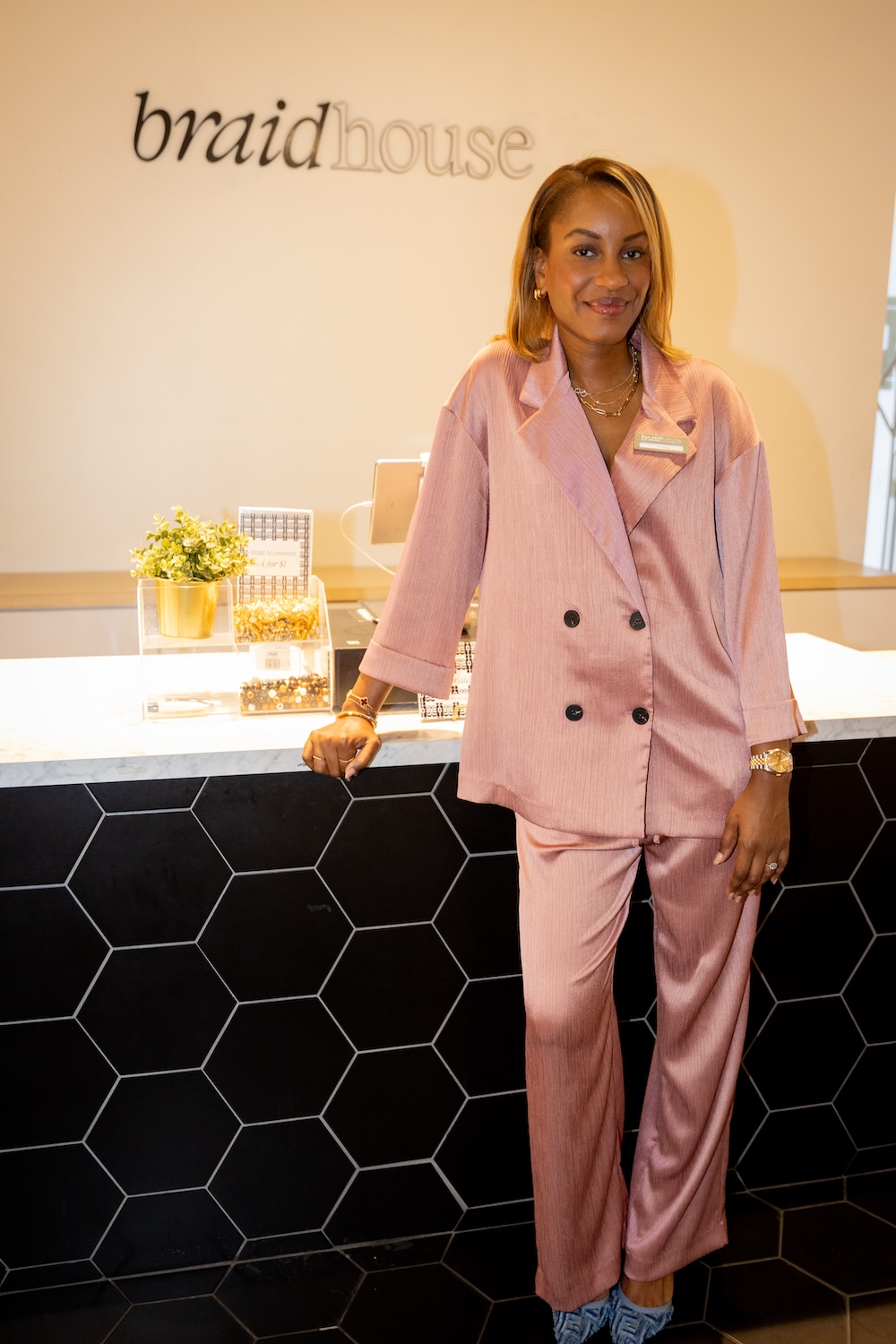
“My fear is that [the tariffs] wipe all these small businesses out, and once things calm down, these heritage brands that have been here for decades are the ones that are still standing,” says Brittney Ogike, founder of BraidHouse, a salon and retail space in North Hollywood, Calif.
Ogike has been informed by braiding hair vendors that they’re pushing up prices on May 1. In general, she’s expecting price hikes of 10% to 20% and plans to pass them along to BraidHouse’s customers. Prior to the tariffs, she notes the typical pack of extensions sold for $6 to $7.
Ogike doesn’t expect negative sales impacts from price increases, at least right away, but, if tariffs remain high and prices jump as much as 50%, she’s concerned small businesses like hers and hairstylists could be under serious threat. “During recessions and economic downturns, Black women will still buy what they need for their hair,” she says. “Their budgets might be different and might be smaller, but they’re still going to get what they need.”
To prepare for more severe pricing surges, Ogike has started buying top-selling products in bulk, though budget and storage constraints make it difficult. “Summer has our busiest months, so we’ve been forecasting, but I’m only able to do that to a certain extent because of budgeting and our capital,” she says. “I can’t do it for long, and I can’t do it with every item we have in the store.”
Other businesses are adjusting in different ways. Latched & Hooked, a hair extension brand that sources from Bangladesh and China, is looking to change the geography of its fake hair sourcing and has reduced packaging and color options and advertising. Outside of China, Trump has imposed a 10% tariff on most countries, substantially lower than the tariffs levied on China.
Founder Tiffini Gatlin says it’s possible for Latched & Hooked to source from Africa and the U.S. However, a switch to the U.S. would magnify costs and lead to elevated prices. To date, Latched & Hooked hasn’t raised prices, thanks to roomy profit margins, according to Gatlin.
“We’re trying to stabilize as best we can, which means that we have to cut back on some of the extra things that we were doing before,” she says. “So, sometimes you get a little basic, but you still get the same great product.”
Slayyy Hair is exploring similar options. The brand’s Chinese manufacturing is working to open a branch in Vietnam, and it’s also in talks with factories in Bangladesh. Valentine views the U.S. as a long-term possibility, but cost and a lack of labor are obstacles.
“America has not prepared for manufacturing,” she says. “One, you don’t have the skill level, and then two, the cost of labor is exorbitant. It’s impossible to run a factory and pay people a living wage and do a product as inexpensive as Slayyy right now.”
Gatlin envisions diversifying sourcing as ultimately beneficial to the wigs, weaves and extensions industry that she asserts has been overly dependent on China. “China does it well, we know that, but there are other countries that also do it well or at least have the equipment that you need,” she says. “And if you understand your manufacturing process, you can actually go in and get it done cheaper.”
Ciara May, founder of Rebundle, a brand using discarded banana stems sourced in Africa to create braiding hair that hasn’t been affected by the tariffs, believes the tariffs could shake up the industry. She says, “There has been a monopoly at play that will be forced to adjust its products and pricing due to outside pressure.”
The players
3 mentionedRebundle

Target
Target