24 Bold Indie Beauty Predictions For 2024
Brands at the heart of the segment like Athr Beauty, Aisling Organics, Luxe Botanics and MUN announced closures as the allure of clean beauty dulled amidst its mainstreaming. It wasn’t the omnipresence of the segment alone that battered them, however, but a compendium of difficulties that bedeviled smaller brands this year, including a lack of funding, lofty interest rates, market crowding, consumer caution, and heightened advertising and material expenses.
Despite the beauty industry’s remarkable resilience, there doesn’t appear to be much hope that the conditions that laid waste to several indie beauty and wellness brands this year will vanish next year, at least at the start of the year. Instead, it’s anticipated they could take down larger brands. A number of beauty companies previously acquired by conglomerates have been offloaded recently (think Dollar Shave Club, Caress, Tigi, VO5, The Body Shop and Wella), and underperformers that don’t find a new home or are simply too feeble to salvage could be laid to rest.
“I believe that going into 2024 we will see more of a reset in beauty,” says Sonia Summers, founder and CEO of in-store support provider Beauty Barrage. “The last few years we have seen a bombardment of brands enter the market. I think more brands will shutter as a result of not being able to sustain the business. We know DTC has become even more challenging with the cost or acquisition at an all-time high. Retailers have more choices than ever to launch a brand, and they want to ensure the ones they chose are ready and that they understand what they will need to invest in as they grow the brands at brick-and-mortar.”
Leilah Mundt, founder and CEO of beauty brand agency Crème Collective, argues that beauty has hit “peak saturation.” In the saturated environment, she counsels brands to be laser-focused on products that are absolute must-haves for retailers and shoppers. “If you launch a product, make sure it checks all the boxes and spend a lot of money on it,” says Mundt. “When you look at brands and the marketplace overall, there’s been a lot of new launches and people trying to chase buzzy trends. I believe that the pendulum is swinging in that the consumer used to be interested in discovery, but is now so overwhelmed that they want a product they know works, that they know they can afford, and that they know they will continue to use.”
The market saturation and clean beauty crunch illustrate that indie beauty and wellness brands must be defter than ever to win over the wallets of contemporary shoppers. Below, we explore strategies they’re employing for 2024 to dexterously maneuver their businesses in the face of obstacles and areas of opportunity they’ll be diving into to be top of mind with consumers today.
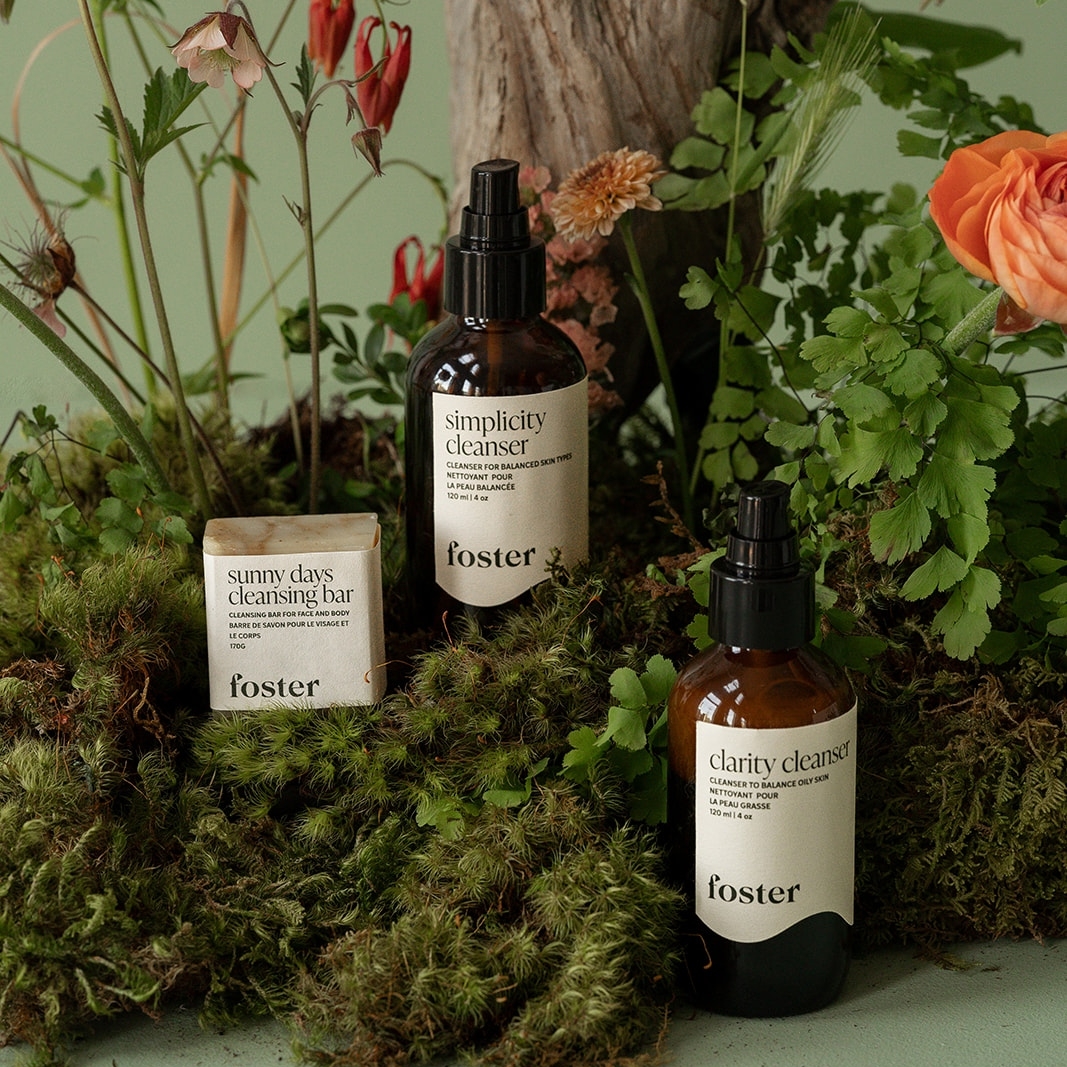
In contrast to the flurry of company closures over the past few years, a new exit opportunity has emerged: Indie beauty and wellness companies are acquiring fellow indie beauty and wellness companies. In 2021, Elate Cosmetics scooped up refillable skincare brand Miiko Skincare Co. and placed it in umbrella company Eluma Beauty Inc. It’s since rebranded Miiko as Foster. Last month, Flex acquired sex education platform Allbodies. Previously, the period care brand subsumed two other brands.
Also this year, natural period pain relief specialist Somedays nabbed Aisle, a period underwear company, and sustainable period care brand &SISTERS picked up Mooncup, maker of the world’s first silicone menstrual cup. In 2022, menopause care brand Joylux acquired postpartum skincare and body care line Mommy Matters.
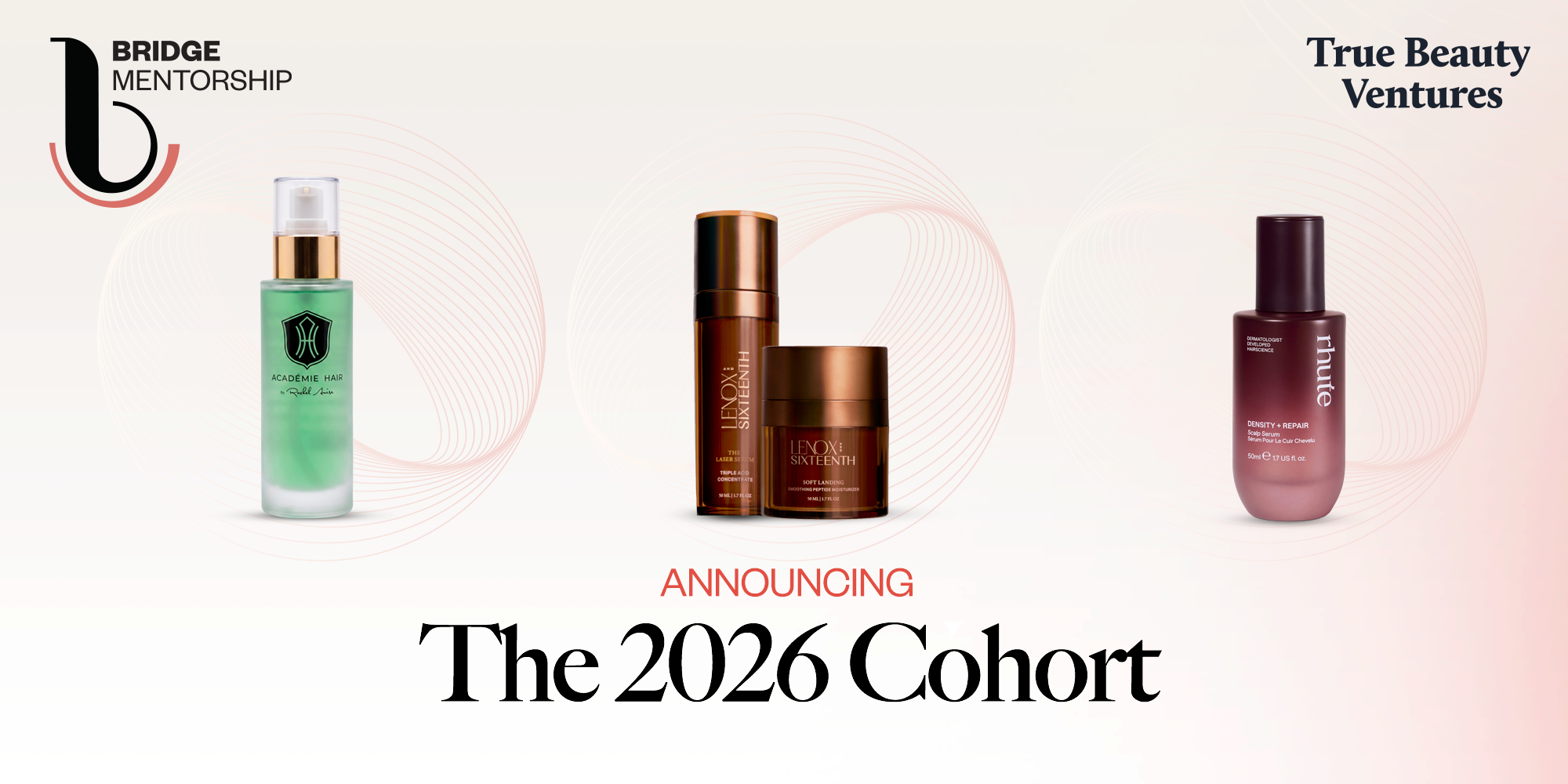
If economic uncertainty persists in 2024 and ratchets up the pressure on smaller brands, expect to see more mergers as an alternative to sunsetting a brand. There are pros and cons to this approach. If the acquirer has external investment, it could encounter investors resistant to a deal. Rich Gersten, co-founder and managing partner at beauty and wellness investment firm True Beauty Ventures, has never been a proponent of the brand aggregator strategy.
“The issue for me is one of resource allocation—human and financial capital,” he says. “Significant resources are required to scale a single beauty brand, and the resource requirements increase as you add brands. How a company allocates its limited financial and human resources across multiple brands can be challenging. I also have concerns about exiting a portfolio of brands as the strategic exit is more unlikely and exit options are thus more limited.”
Still, entrepreneurs are an optimistic bunch, and buyers in these deals are generally confident in the value that can be created by acquiring distressed brands at reduced prices and absorbing them into a platform that diminishes expenses for the individual parts. And, when the choice for brand founders is between shuttering or selling, those passionate about the category they built their business in usually choose the latter.
Forget tinkering around the edges. Brands that have gas in their tanks, but not a lucrative path ahead on the course they’re traveling may opt for sweeping changes. Already, some brands have made big pivots. Started in 2018 as a science-backed skincare brand, Codex Labs is transforming into a telehealth company. Volition, a skincare brand established in 2016 to invite people outside of it to develop products with it, has introduced a division named Creator Brands to provide influencers funding and services to launch beauty brands under Volition.
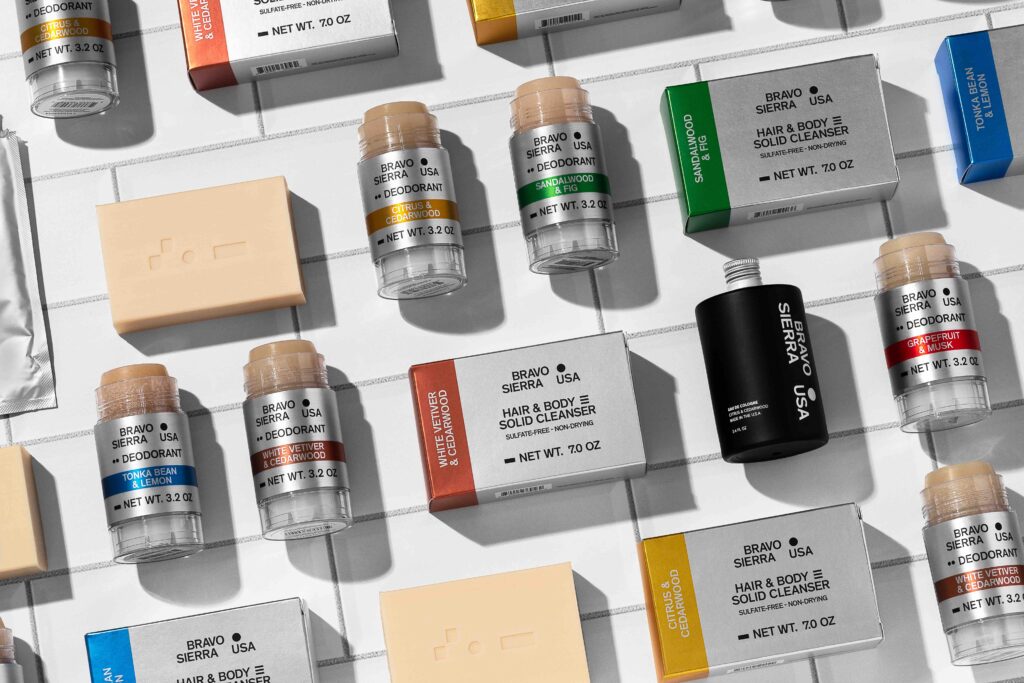
Bravo Sierra has left mass-market retail to concentrate on specialty retail, Amazon and direct-to-consumer distribution. The men’s personal care brand began in 2018 with its deodorant priced at $9.50, but lowered the hero product’s price to $9 to launch in Target in 2021 and $8 to launch in Walmart in 2022. With its departure from mass retail, Bravo Sierra pushed the deodorant price up to $10 in the first quarter this year and $14.50 in the fourth quarter. In 2024, it’s releasing premium products that close in on an average price of $20.
Explaining Bravo Sierra’s decision to leave mass retailers, founder and co-CEO Benjamin Bernet says, “With reduced gross margins, we had less cash to fund new product launches and less bandwidth to establish meaningful and deep relationships with our customers and community (both IRL and on social media). It quickly became a high-volume game centered around discounts and promotions rather than customer-centric innovation, community building, customer experience and creativity. In short, it became boring (for us and for our customers).”
Bernet underscores that Bravo Sierra, which raised $17 million in series B funding in 2022, couldn’t have pivoted its distribution without a strong community and supply chain. He mentions the brand has donated hundreds of thousands of dollars to support military families and veterans since 2019. They constitute the backbone of its community.
“Deciding to pivot a consumer brand takes a lot of effort,” says Bernet. “We are lucky to be surrounded by a team of amazing people that believe in this vision, a board of directors that has been there for us in good and bad times for the past five years and a close-knit group of long-term investors that deeply understand the industry. Without them, we wouldn’t have been able to pull it off.”
Love it or hate it (or feel somewhere in between), artificial intelligence is infiltrating all aspects of business operations. Many entrepreneurs at the helm of emerging brands are keen on AI for helping them keep their operations lean. One way they’re embracing it is to get a better grasp on digital advertising, which was thrown into a tailspin in 2021 with Apple’s iOS14 update.
As Anne Beal, founder of skincare brand AbsoluteJOI, notes in a Beauty Independent article published earlier this week on skincare trends, “AI, machine learning and data analytics will impact our businesses and our abilities to do more, create more and be more precise in our marketing and customer segmentation.”
Technology giants like Google and Meta have made big bets on AI-assisted ad buying to recapture lost advertising revenue. In 2022, Google rolled out Performance Max, a tool that uses AI to optimize ads across Google websites. Smaller startups like Preflect and Fluency have popped up to assist brands with running digital ads, too.
Ascention Parfums has tapped Preflect to aid the fragrance brand in increasing its return on ad spend. “AI is our resident team member that helps us efficiently become more agile and pivot without wasting valuable resources,” says founder Greta Fritz. “Over the years it has proven to be difficult to find the right copywriters or agencies that can match the distinct tone of voice and message of my brand, which essentially is an extension of me. Since we are carving a new territory in fragrance, AI tools for copywriting and advertising are critical to stay lean and are also akin to cloning myself, which every startup founder dreams of.”
Not dissimilar from digital advancements that preceded it, AI has racial biases that reflect the biases of its creators. People inside the AI universe are working to dismantle those biases, and beauty startups are incorporating AI to dismantle the biases in the beauty industry and enhance representation for consumer segments that have been overlooked. The startup Parfait has harnessed AI to create custom-fitted wigs, while beauty tech company Myavana uses it to help curly-haired consumers understand the porosity, elasticity and density of their strands.
Myavana founder Candace Mitchell Harris says, “We’ve identified over 972-plus hair profiles, which provide a greater range of hair type identification across our spectrum of ethnicities, which makes personalized guidance the new path forward for diversity and inclusion across all shoppers, regardless of hair texture or background. Technology provides the ability for more tailored experiences that will innovate and elevate the way we serve customers.”
Following these early adopters, more beauty companies will explore AI to address areas of inaccessibility for underrepresented consumers. AJ Addae, founder of beauty product development and formulation company Sula Labs, has been leveraging AI to examine inbound customer inquiries to analyze “what kinds of products that brands speaking primarily to consumers of color are asking us to develop. In a way, our inbound inquiries are a look into the future of specific beauty categories, so it would be helpful to use AI in the future to analyze and ultimately leverage this data to audiences within product development.”
Deep conditioners and pre-shampoos have been integrated into haircare routines. Hair glosses are the next product up to extend and enhance hair maintenance. While they’ve often been used during salon appointments and in tandem with hair color treatments, brands like dpHue, Hally Hair and Ouai have released at-home versions for consumers who want a quick shine boost.
Glossy Glaze, released in March, is dpHue’s second product in the gloss category. It comes in five shades as well as a sheer option. It’s designed to be used in the shower after shampooing and could be a means for dpHue to draw a younger audience. “Customers were requesting a feeling from us, a boost and shine that they wanted, but they weren’t necessarily looking for a dramatic color change,” says dpHUE co-founder Donna Pohlad. “It gives the pop of shine and pigment you love, but you still look like you.”
Hally Hair, which caters to a younger audience, released the gloss Fluffy G after its debut line of semi-permanent hair dye, Color Cloud. The gloss sold out in 48 hours when it launched at Ulta Beauty in 2022. One of Hally Hair’s bestsellers is Premiere Clear, a colorless gloss sold in an exclusive Color Cloud set at Ulta. Founder and CEO Kathryn Winokur mentions it’s a favorite of college sororities. She says, “For Hally, glosses are the perfect gateway product into the color category for folks not yet ready to try all over at-home color.”
Ouai released a hair gloss this month with hyaluronic acid and rice water. On top of adding shine and boosting color, it’s formulated to protect hair from heat damage up to 450 degrees. Chief brand officer Hannah Beals says, “Visible shine makes hair appear healthy to others, but our gloss also repairs damage, benefitting your hair as you use it.”
Institutional funding for startups fell dramatically in 2023, and beauty and wellness entrepreneurs aren’t relying on it to radically swing in the positive direction next year. Instead, those pursuing funding are increasingly looking to seasoned executives and fellow entrepreneurs for capital.
Top Knot Ventures founder Manica Blain, who writes checks of $10,000 to $30,000 and has invested in nine companies this year, says, “For those brands with strong fundamentals, profitability—or a very clear path to reaching profitability—funding will exist, but in many cases these brands will be championed by strategic capital such as angel investors that are either consumer founders, former operators or former VCs who are now investing their own capital and have very strong networks to actually be helpful.”
Aaron Chatterley, co-founder of Feelunique and new teenage beauty brand Indu, has been on the receiving end of angel investor interest. Indu raised $4.8 million from around 60 investors over the course of two years. In July, Chatterley, told Beauty Independent that the leading beauty and retail figures Indu got checks from understand the white space it’s filling more than venture capitalists, and they didn’t require a series of extensive meetings.
Arati Sharma, co-founder of skincare brand Ghlee and an investor via Backbone Angels and family office Good Future, reasons that the focus on individual investors with beauty and wellness backgrounds is rising because they are “slightly more patient” and “understand retail and wholesale.” She says these investors can guide beauty entrepreneurs through the tough environment and “be the right partners when they are ready to raise from a VC fund.”
Certainly, VC isn’t being pushed off the table completely. Cristina Nuñez, co-founder of True Beauty Ventures, anticipates deal activity will pick up in the second half of 2024. To prepare, she advises brands to “identify ways to fuel momentum while closely managing liquidity to give yourself the runway to hit the milestones investors are looking for in order to invest.” She stresses, “Particularly as the economic environment remains uncertain, they should continue to prioritize cash as king.”
Speaking of brand founders, Mattam says, “We need to be the salespeople, and we need to be able to share with people…I think that is our role, and I think it’s fair for investors to have that expectation of us.”
The players
5 mentionedDollar Shave Club

Joylux
Wella
Harry's
The Center