The Hormonal Birth Control Backlash: Wellness Goldmine Or Political Minefield?
“My general mood throughout the month has been better,” says King. “I didn’t notice how much my mental health had been impacted while on the pill until I finally got off it. Now, I legitimately feel happy a lot of the time, and when my mood does hit a low point, it’s still easier to regulate as opposed to the constant mood swings I had previously.”
Micah Lambeth opted to go off hormonal birth control recently, too. The 25-year-old tech worker in Durham, N.C., suspected it could be contributing to her chronic kidney stones and low libido, and she wanted to avoid the risk of blood clots. She says, “I haven’t noticed any benefits yet, but I’m hoping it will be more preventative.”
Many people are making similar decisions as awareness spreads online and off about the possible side effects of hormonal birth control, a category that encompasses the birth control pill, patch, ring, Depo-Provera shot and forms of intrauterine devices (IUDs). Google searches for “non-hormonal birth control” have more than doubled since 2006.
The awareness has spiked the demand for substitutes to hormonal birth control and sparked a public debate over whether it’s being stoked by opponents of birth control and misinformed social media influencers or reflects a true desire for different options. Regardless of the catalyst, it’s stoking product innovation as brands strive to expand the range of birth control choices and offer solutions to symptoms associated with hormonal birth control.
According to reproductive endocrinologist Aimee Eyvazzadeh, common negative side effects of hormonal birth control are weight gain, headaches, nausea and breakthrough bleeding or bleeding between periods. Users also report depression, decreased sex drive and painful sex. Symptoms can linger after hormonal birth control users cease to take it, a phenomenon known as post-birth control syndrome.
Along with common negative side effects, Eyvazzadeh says some people going off hormonal birth control can experience a resurgence of conditions such as polycystic ovary syndrome (PCOS) or endometriosis. However, she notes the most frequent symptom is heavier bleeding.
“This is because women on birth control were not ovulating and thus had light breakthrough bleeds, and when coming off it, they have true ovulation bleeds now,” explains Eyvazzadeh. “I often tell them to take ibuprofen and let their bodies get used to ovulating again. If they are still having heavy or painful periods, I recommend doing hormone testing like Proov Complete test to see if any hormone imbalances can be identified and treated.”
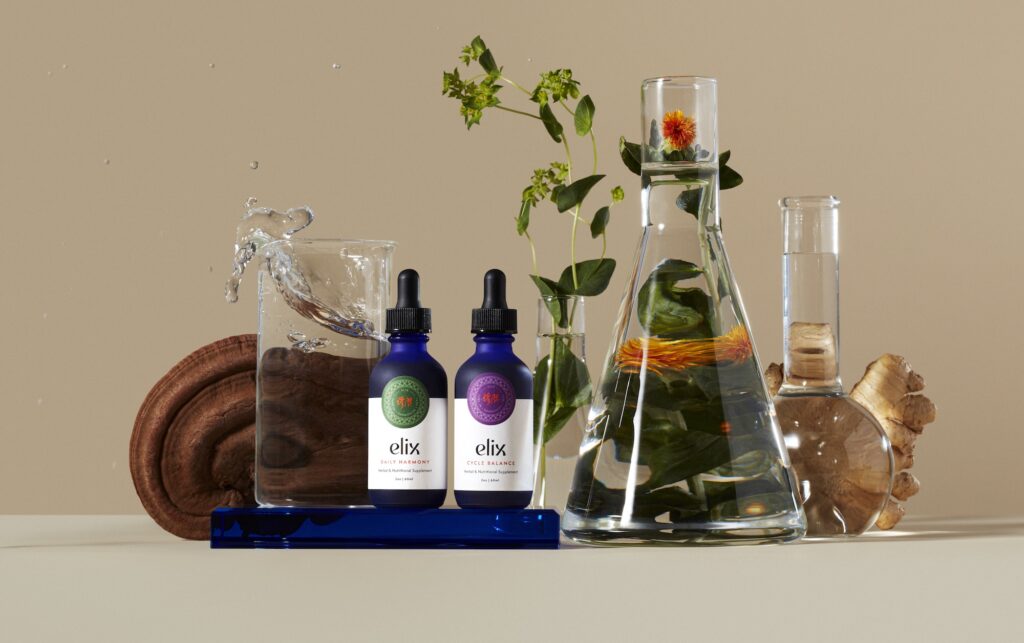
At Elix, a wellness brand rooted in traditional Chinese medicine that draws customers seeking to ease post-birth control syndrome, founder and CEO Lulu Ge shares they testify that its products lead to reduced cramps, fewer mood swings, less bloating and regular cycles. Ge points out that oral contraceptives have been shown to deplete vitamins and minerals, and Elix’s supplement Cycle Balance has herbs like angelica sinensis to boost them.
Ge personally dealt with weight gain, acne, hair loss and mood swings after going off birth control and got her symptoms under control with traditional Chinese medicine, which inspired her to launch Elix. The brand’s Cycle Balance is available on its website for $122.40 for a three-month subscription. Customers complete a comprehensive questionnaire to find a product that supports their needs.
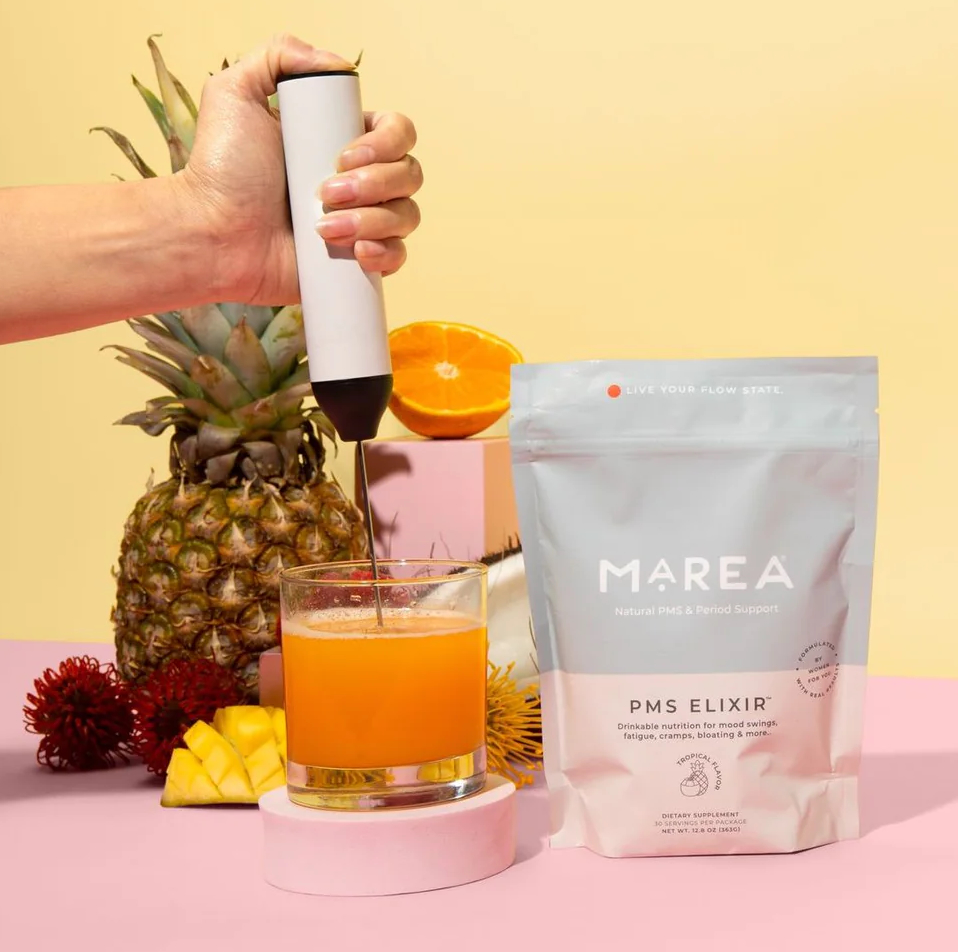
Similar to Elix, the brand Marea Wellness’s $14.99 supplement PMS Elixir is formulated in part to replenish nutrients depleted by hormonal birth control. Founder Monica Grohne says, “I see women given birth control as the solution to their menstrual symptoms only to start taking it and experience worsened symptoms.”
Danielle Sobel created Turn Health, a brand selling the supplement $60 Birth Control designed to rebalance hormones, after facing post-birth control syndrome from stopping hormonal contraception. She dedicated countless hours and thousands and thousands of dollars to doctors’ visits only to be dismissed or given ineffective remedies.
“My story is like so many others,” says Sobel. “We, as women, are given hormonal birth control in our teens with little to zero education on it. We spend years not really understanding or knowing our bodies until one day, we get off the pill only to be met with an onslaught of symptoms, possible fertility issues, anxiety, weight gain—the list goes on and on. Then, we seek medical help and are waved off or told to just go back on the pill.”
As with any supplement, holistic solutions should be scrutinized by consumers and not deemed cure-alls. They don’t have to enter the market with the testing rigor of pharmaceuticals, and there’s not a lot of research on them. Reactions to them can vary widely. For instance, Eyvazzadeh says, “There are some women that respond very well to Chinese herbal supplements, but many of them do not.”
Like other entrepreneurs in the birth control alternative arena, Elina Berglund, a physicist and founder of fertility-tracking app Natural Cycles, came up with the concept for her company after going off birth control. “I was extremely limited when it came to finding a regulated birth control option that was both non-invasive and non-hormonal,” she says. “The women’s health space has long been underserved and overlooked, but over the past decade, commercial players and investors have finally realized that there is great opportunity for innovation.”
Natural Cycles uses a method called the fertility awareness method or natural family planning. It’s an updated version of the rhythm method and involves tracking menstrual cycles as well as changes in body temperature and cervical mucus to pinpoint good times for conception and eluding pregnancy. The method can be anywhere from 77% to 98% effective. Natural Cycles discloses its combination of body temperature measures, period tracking and a smart algorithm has an effectiveness rate of 93% to 98%.
Berglund says greater numbers of women are relying on non-hormonal birth control methods because they’re “starting to be more vocal about their experiences when it comes to their own reproductive health.” She admits, though, that not all non-hormonal birth control options are equal. She says she worries that “women who are turning away from hormonal methods may be turning to other non-hormonal methods, including period trackers that are not intended to be used as birth control, that do not have the clinical evidence or proper regulatory clearances.”
Other alternatives for those with misgivings about hormonal birth control include copper IUDs and Phexxi, a prescription gel applied internally that prevents pregnancy by altering vaginal pH levels. The most effective form of non-hormonal birth control is sterilization, meaning vasectomy or tubal ligation, followed by the copper IUD, according to Kerry Krauss, an OB/GYN and medical director at Natural Cycles. She says, “Even though it may take some trial and error, we are fortunate that there are many good options out there, and we can usually find a method that works well for everyone.”
Ge asserts holistic products for addressing birth control symptoms fall within the larger clean beauty and wellness movement. “Consumers are more educated and mindful than ever before of what they consume, put on their bodies and surround themselves with,” she says. “Our medicine cabinets are cluttered with prescriptions, but we’re often not feeling better…People are now turning to a holistic point of view and seeking sustainable ways to heal at the root cause.”
Julie McClure, a consultant to female founders of wellness and beauty brands, says, “The shift away from hormonal birth control is driven by growing knowledge of its potential health impacts and women’s frustration with the vast number of side effects. I would anticipate this trend continuing as we see the rise of femtech and its focus on reproductive health, particularly fertility and pregnancy tech. This will inevitably lead to more awareness and education about the potential health risks and side effects of the pill and to innovation of more natural solutions for women that do not lead to a myriad of side effects. Women will no longer need to choose between the risk of pregnancy and challenging side effects.”
Women’s choices are affected by the broader environment, and social media is playing a role in their birth control decisions. Last month, an article published in The Washington Post posited that women are stopping birth control due to misinformation supercharged by social media influencers. Hormonal birth control is widely considered to be very safe, and severe complications from it are rare.
“Unfortunately, many people don’t come to clinicians looking to discuss stopping their contraceptive method,” says OB/GYN Michael A. Belmonte. “Without the facts, I have seen people relying on anecdotes, misconceptions or social media fearmongering to shape their contraceptive decisions. This has been even more challenging now that access to emergency contraception and abortion are increasingly under attack.”
Others argue there are valid reasons why women are skeptical of birth control. Nicole Bendayan, an influencer mentioned in The Washington Post article who coaches women getting off hormonal birth control, talks about the fertility awareness method and her journey going off birth control on her TikTok and Instagram accounts, where she collectively has about 1 million followers. She had negative side effects from birth control, but they weren’t taken seriously by doctors.
“Through my experience and narratives shared within my community, many women receive prescriptions for hormonal contraception without adequate consideration of preexisting risk factors, warnings about potential impacts on their health, or access to alternative resources,” says Bendayan. “This lack of informed consent undermines women’s autonomy over their reproductive health decisions.”
Making the case for natural birth control alternatives, Grohne says, “Many women experience their OB/GYN handing out birth control like candy for any hormone-related symptom. The goal of these natural approaches isn’t to guide someone to irresponsibly stop taking birth control as a contraceptive, risking pregnancy, but rather to actually educate them about their biology and allow them to make informed decisions on whether or not birth control is the right option for them.”
The controversy over birth control decisions is happening as conservative activists are encouraging people to give up birth control. Some people opening up the conversation about hormonal birth control alternatives are frustrated that they’re being lumped in with conservative groups.
“These groups are still seeking immense power, and they’re using this information to try and accumulate more political power that oppresses women,” says Nicole, a menstrual health educator at reproductive health online hub Learn Body Literacy who declined to give her last name. “You cannot be talking about the push to get off birth control without talking about how these extremist groups are influencing it. They undermine the importance of body literacy information by using propagandistic tactics.”
In particular, period-tracking app 28 Wellness and the affiliated Evie Magazine has concerned reproductive health advocates. “It’s a Peter Thiel-funded project that harvests menstrual data with the guise of being a helpful cycle-tracking guide,” says Nicole. Thiel is an entrepreneur, venture capitalist and Republican donor. Nicole continues that Evie “features various kinds of articles related to right-wing politics.”
Eyvazzadeh underscores that the bottom line is that “every woman is unique.” She says, “This means some women will love being on birth control, and others will hate it. I am thankful that women have so many options to choose from. I tell my patients to just do what is right for them. It is their body, and they deserve to feel good about their choices.”
Belmonte agrees, saying, “I want people to feel comfortable bringing their concerns to their clinicians so that we can help them find the best option for them, whether that is continuing their current method, trying a new method or simply taking a break.”
Sobel emphasizes that education is crucial as women wade through the debate over their reproductive health. She says, “I have nothing against hormonal birth control being available, but women should be armed with the right information so that they can choose the right method for their bodies and feel confident with that decision.”
The players
5 mentionediS Clinical

AS Beauty
Formulate
Better Being
Too Faced