BIPOC Brand Founders Are Diversifying The Wellness Industry In An Attempt To Address Health Inequities
The founders are responding to racial health inequities rife in society, and people’s desire to assume power over their health in the face of a healthcare system that often fails them. Compared to white Americans, African Americans face higher risks of heart diseases, stroke, asthma, cancer, diabetes and more diseases. One study by nonprofit The Cooper Institute estimates around 76% of African Americans are vitamin D deficient, and Black women are disproportionately affected by polycystic ovary syndrome (PCOS).
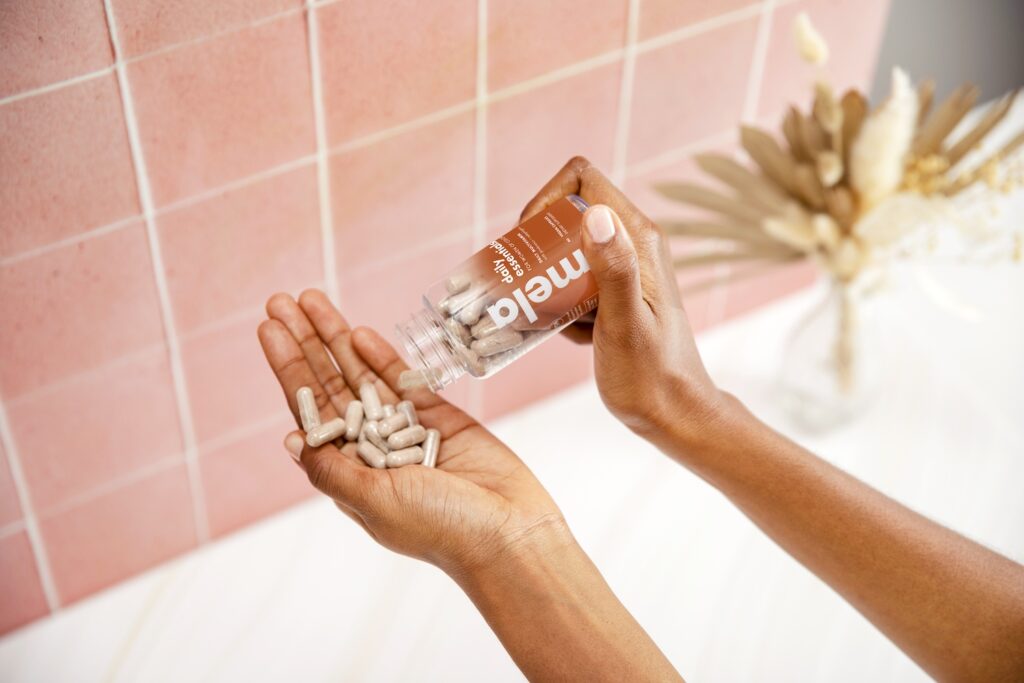
Confronting the grim statistics and personal struggles with PCOS and a vitamin D deficiency, Ashley Harmon introduced Mela Vitamins last year with a Daily Essentials supplement containing probiotics to support gut health, adaptogens like lion’s mane and Ceylon cinnamon to address stress, and extra doses of vitamin D and vitamin B12. Members of BIPOC communities tend to be deficient in vitamin C, too.
“There weren’t any supplement companies prioritizing our needs and creating products that have adequate levels of vitamins to address some of the other health concerns in our communities,” says Harmon. “I have learned that we really do have unique nutritional and wellness needs and different health risks, and therefore we need products that are created to address our unique needs.”
Harmon aims to expand Mela Vitamins’ offering with beauty-focused and prenatal supplements. “Maternal health is important to our team, especially with the inequalities in this country when it comes to Black maternal mortality,” she says. “Our goal is to be able to really address some of the key inequalities health-wise and wellness-wise that are disproportionately impacting communities of color and trying to offer at least some part of the solution to those problems.”
Following TryWell founder Tashon Thompson’s mother’s vitamin D deficiency diagnosis, he began thinking about his own health. He realized he hadn’t taken vitamins for five years, primarily because there were no brands that spoke to him. Thompson says, “The image you usually see is like an old happy person eating a vitamin and that’s not really my demographic that goes to SoulCycle every other day, eats SweetGreen and cares about my health and well-being.”
With TryWell, the gummy vitamin line Thompson started with his mother in 2021, he’s bridging the divide between branding and his demographic. Styled and directed by Thompson, who’s worked in fashion at brands such as 3.1 Phillip Lim and J. Mendel, the brand’s campaigns are like editorial spreads. Thompson draws inspiration for them from Tracee Ellis Ross’s haircare brand Pattern Beauty and Aurora James’ accessories brand Brother Vellies. He says the goal is to accomplish a “beautiful representation of African Americans.”
Hair, Skin and Nails is TryWell’s bestseller, and Vitamin D is it’s original hero product. The brand’s product range extends to Adult and Kids Multivitamin, Omega 3 + DHA, Melatonin, Apple Cider Vinegar and Ashwagandha and Sea Moss. “COVID really taught me that, as African Americans, we have to take things into our own hands and really get the word out about the disparity and understanding our health,” says Thompson. “That’s my biggest goal, however I can do that, whether it be visually or whether it be through education.”
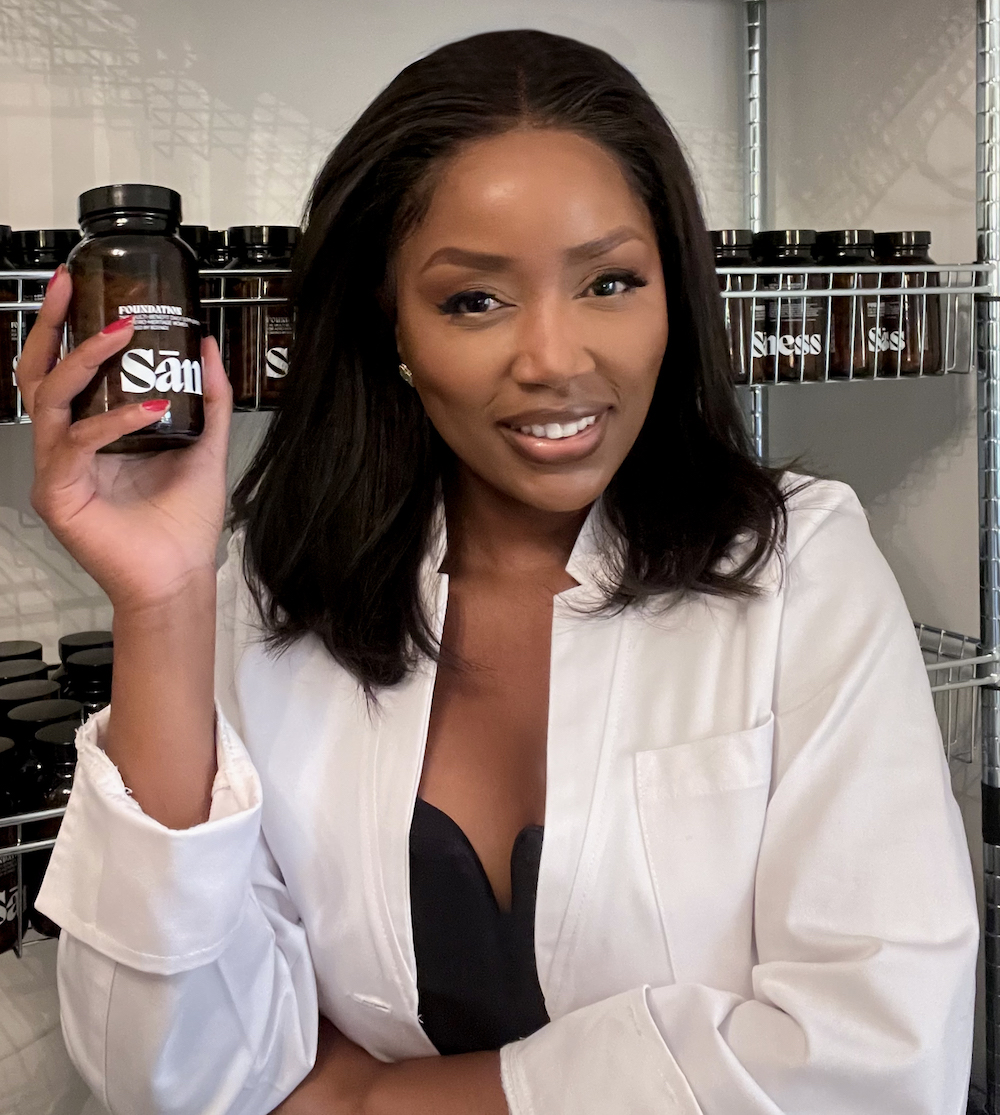
Prioritizing BIPOC consumers via campaigns and formulations doesn’t necessarily mean that the products by BIPOC-led brands are solely for BIPOC consumers. San Wellness founder Nomshado Baca was deliberate in the universal language she used for her brand’s Foundation supplements. Launched in 2020 as A Complexion Company and rebranded as San Wellness in 2022, the brand was born out of Baca’s frustrations dealing with reoccurring vitamin deficiencies and targets women with African heritage.
“It’s always made clear that whilst I am trying to meet those who need the most help—a women- and children-first type of mindset—it is not just for them because there are other women who are also suffering in the same way,” says Baca. “My supplement doesn’t know if you are a Black person or a white person, if you are male or if you are female.”
About 70% of San Wellness’s customers are Black women, and the remainder are white men and women. Baca says, “By creating something for women who are most in need of help is what then allows me as a company to invite the rest of the community who are also having these health related challenges like being anemic or having fibroids or endometriosis that more or less have to do with being a woman, but tend to be compounded when you are a Black woman.”
With a value surpassing $4.3 trillion worldwide, according to market research resource Statista, market research firm Circana figures vitamins and supplements generated $10.2 billion in sales in the United States in the past year. Circana reports gut health is a leading category, and probiotics, prebiotics and postbiotics are increasingly grabbing consumer attention. Capsules are a top supplement format, but vegicaps and gummies have faster growth rates. A 2022 report by consumer intelligence agency Mintel notes, “VMS [vitamins, minerals and supplements] brands can take inspiration from formats within the functional food and beverage space and continue innovate around formats, textures, and flavors to meet consumer interest in alternative options.”
In recent years, there’s been a greater overlap between the beauty and wellness industries. Although they haven’t had slam dunks in the wellness space, beauty specialty retailers Ulta Beauty and Sephora have been experimenting in the wellness arena. Ulta has a selection it calls The Wellness Shop featuring over 150 brands in more than half of its around 1,300 stores. Black-founded supplement brand Golde, a pioneer in diversifying the wellness category, is among The Wellness Shop brands, but brands from BIPOC entrepreneurs remain severely underrepresented in the wellness selections at retailers.
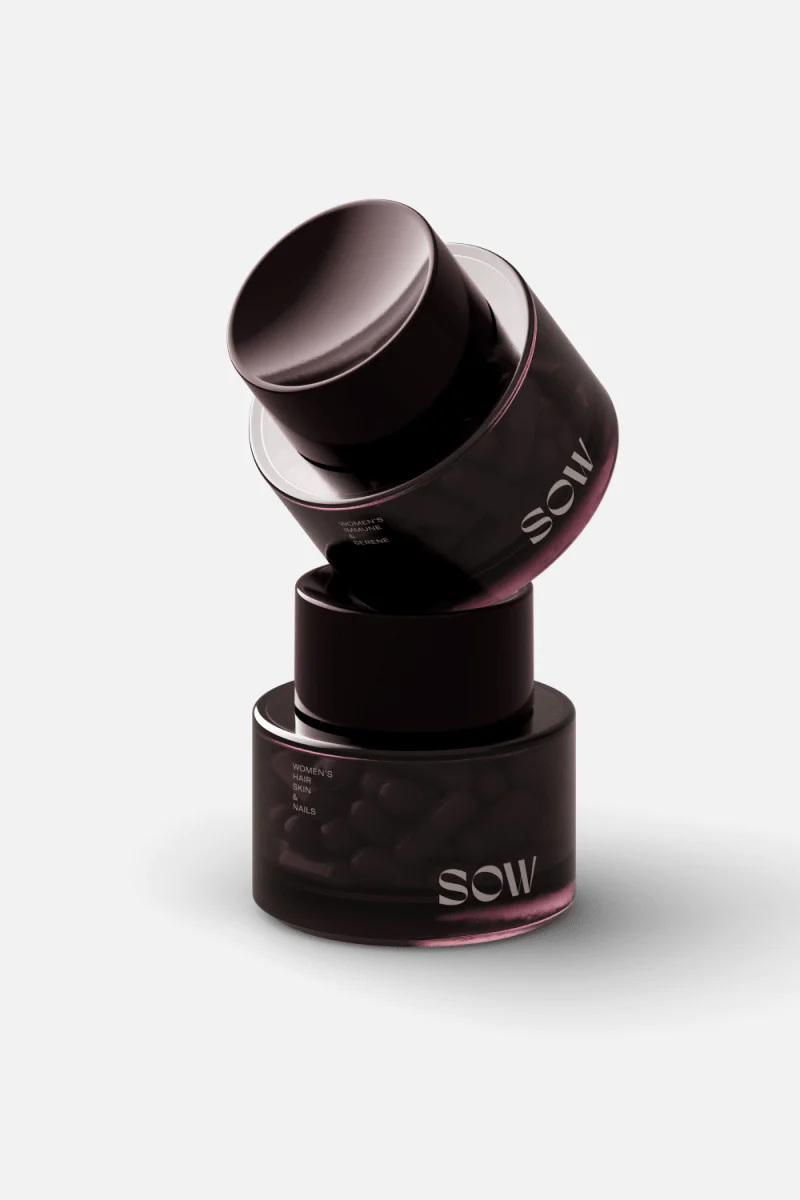
In May, Sephora UK brought SOW Minerals, a British supplement brand that formulates for people of African Caribbean, Asian and Arab origin, into its assortment. TryWell is stocked at Shen Beauty, and Harmon has ambitions for Mela Vitamins to enter mass retail. In August, the brand scored $50,000 from Glossier’s grant program.
Despite the popularity of vitamins and supplements, consumers aren’t totally convinced by brands selling them for beauty reasons, regardless of race. Mintel reports that 59% of adults are skeptical that beauty supplements are effective. Brands are leaning on consumer education to win over the skeptics.
Founded by Travis Gumbs, supplement brand Medicinal Plant Index has a detailed plant index on its website that breaks down the purpose and benefits of each ingredient in its Uplift vegan capsules. Gumbs says, “It is also a humble attempt at counteracting the lack of transparency that runs rampant within the wellness industry because I believe that many people like myself care about the sources and processes behind the products they consume.”
Mintel underscores it’s important for vitamin and supplement brands to back up their claims with science to gain consumer trust. The firm finds that 44% of adults trust brands that conduct clinical studies to validate efficacy. A big problem with clinical studies, however, is they historically haven’t been inclusive. Mela Vitamins is out to change that. Harmon hopes it will conduct clinical studies in the future and partner with an HBCU-affiliated medical school to spearhead the studies.
She says, “There needs to be an investment made into more clinical studies and research on the nutrient needs within the Black community and how those needs and potential deficiencies impact preventive wellness and long-term health.”
At TryWell, Thompson’s objective is to partner with medical professionals to communicate to the brand’s customers about African American health and wellness. Both Thompson and Harmon emphasize that, in order for the wellness industry to improve inclusivity, it’s crucial to boost research on health disparities as well as the impacts of wellness remedies and take time to get to know BIPOC consumers, including the history of how the healthcare system has excluded and mistreated Black people.
“There are more and more companies focused on inclusive marketing campaigns, but very few are actually involving the Black community when developing and testing products,” says Harmon. Thompson says, “Include us in the conversation.”
The players
5 mentionediS Clinical

Not Your Mother's
Too Faced
Formulate
Glossier