Why Beauty’s High End Is Getting Even Higher End
“Price point hasn’t seemed to be a deterrent or reason to buy for any of my regular customers as they just want what works, what they know, what they want to try or what their friends tell them to buy, in that order,” says Beauty Mark founder Jen Visosky. “People are willing to make the investment on serums, moisturizers and eye creams. Many are simplifying their routines, opting for one-and-done serums and moisturizers effective for both day and night.”
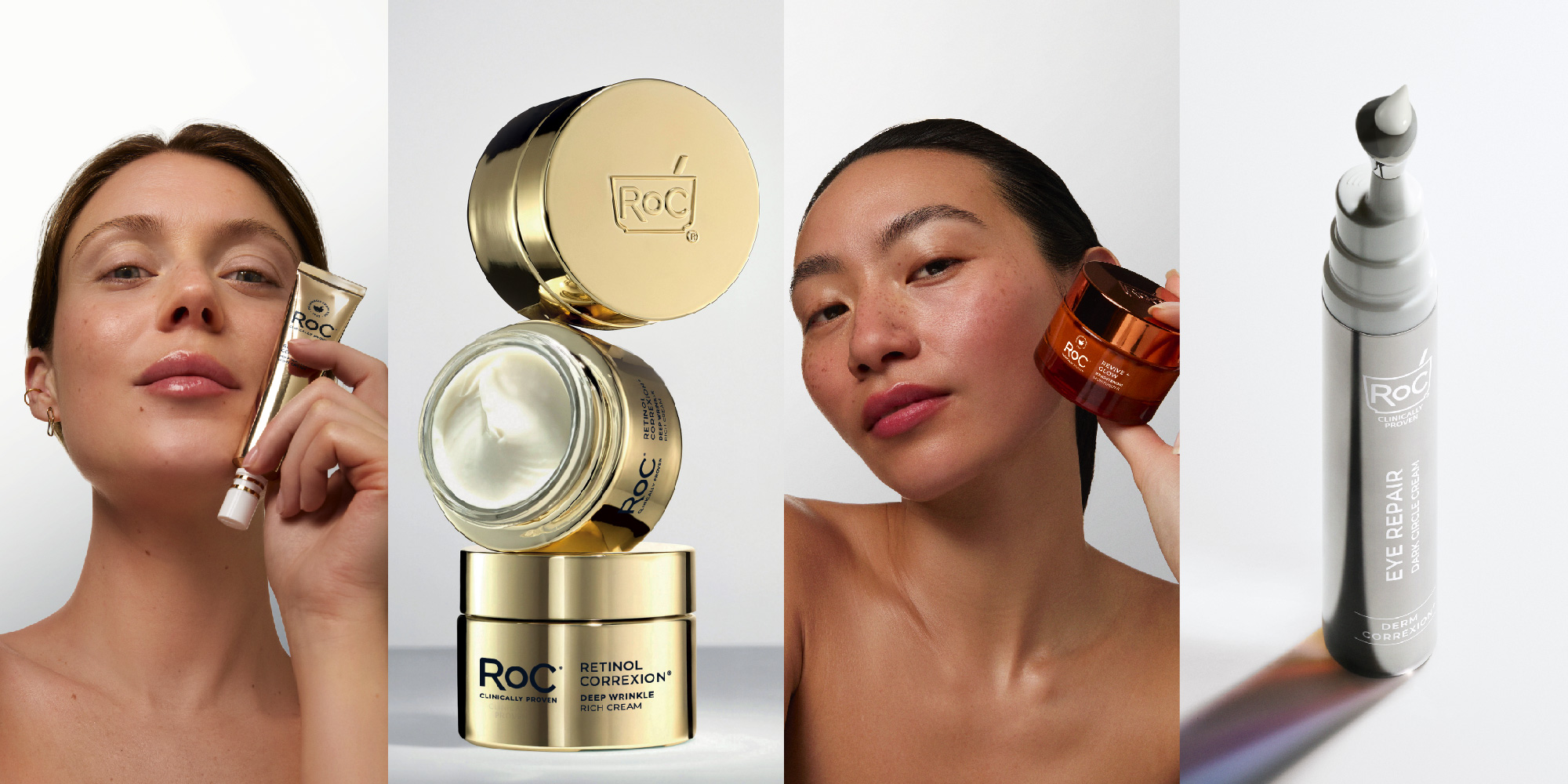
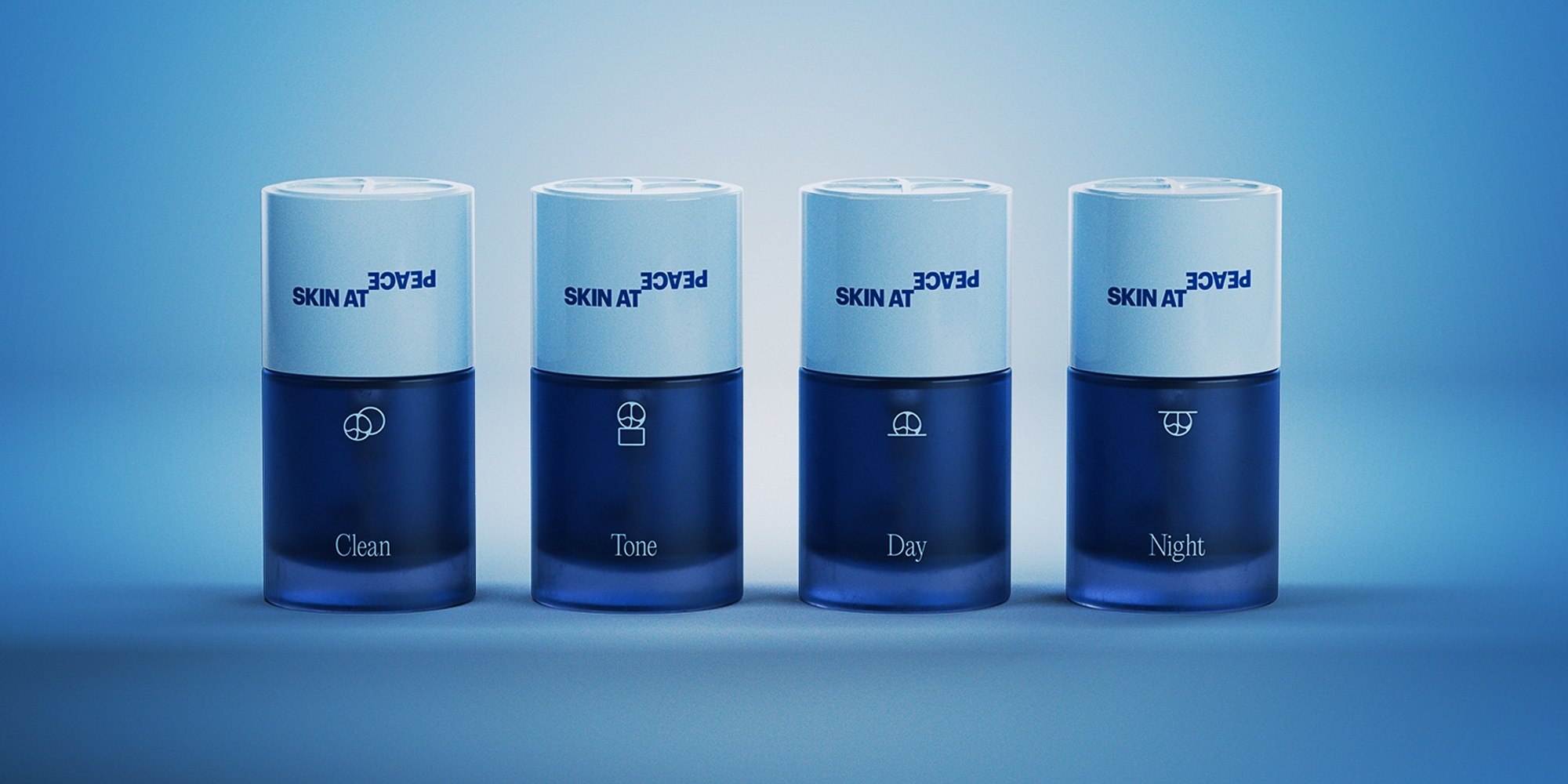
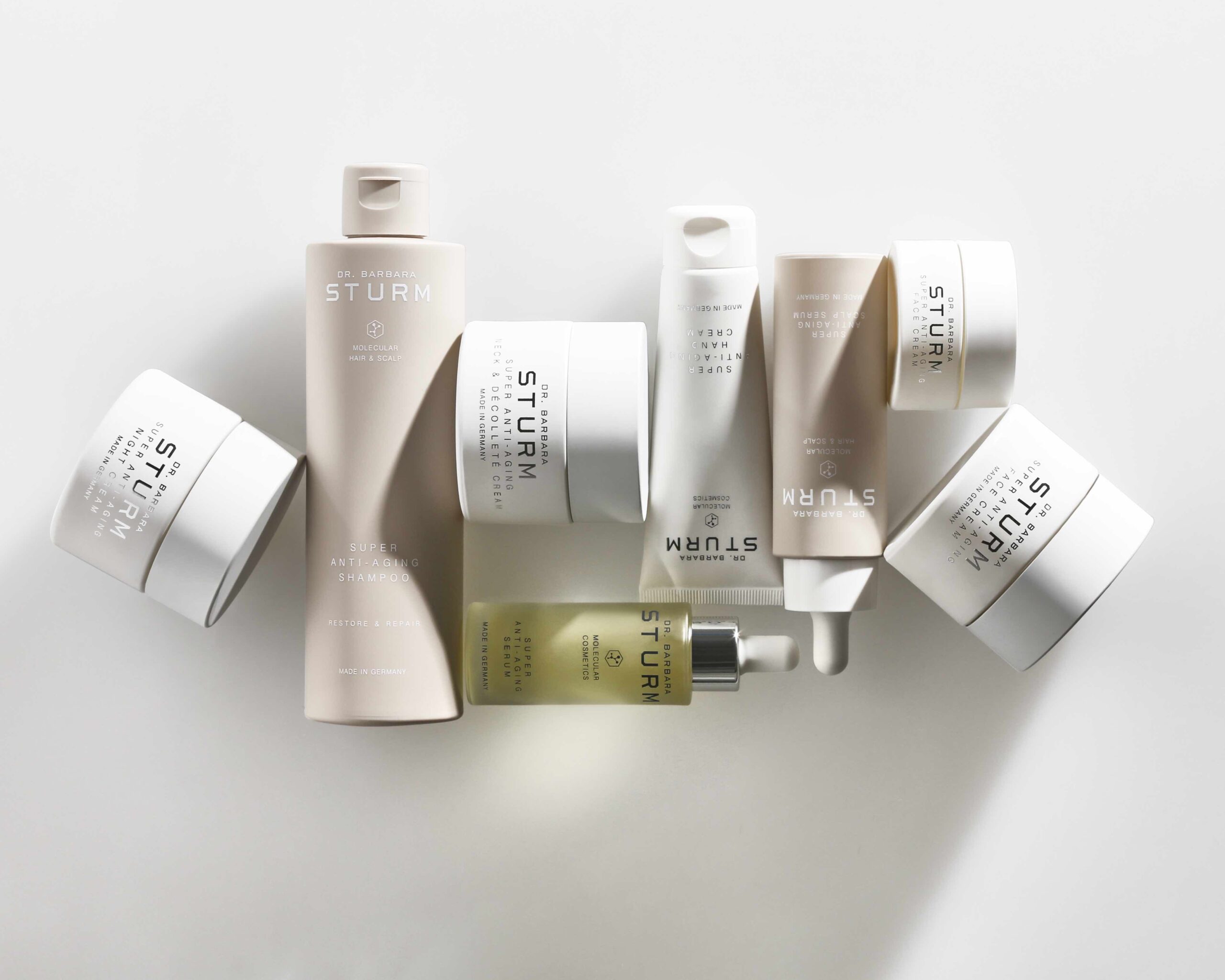
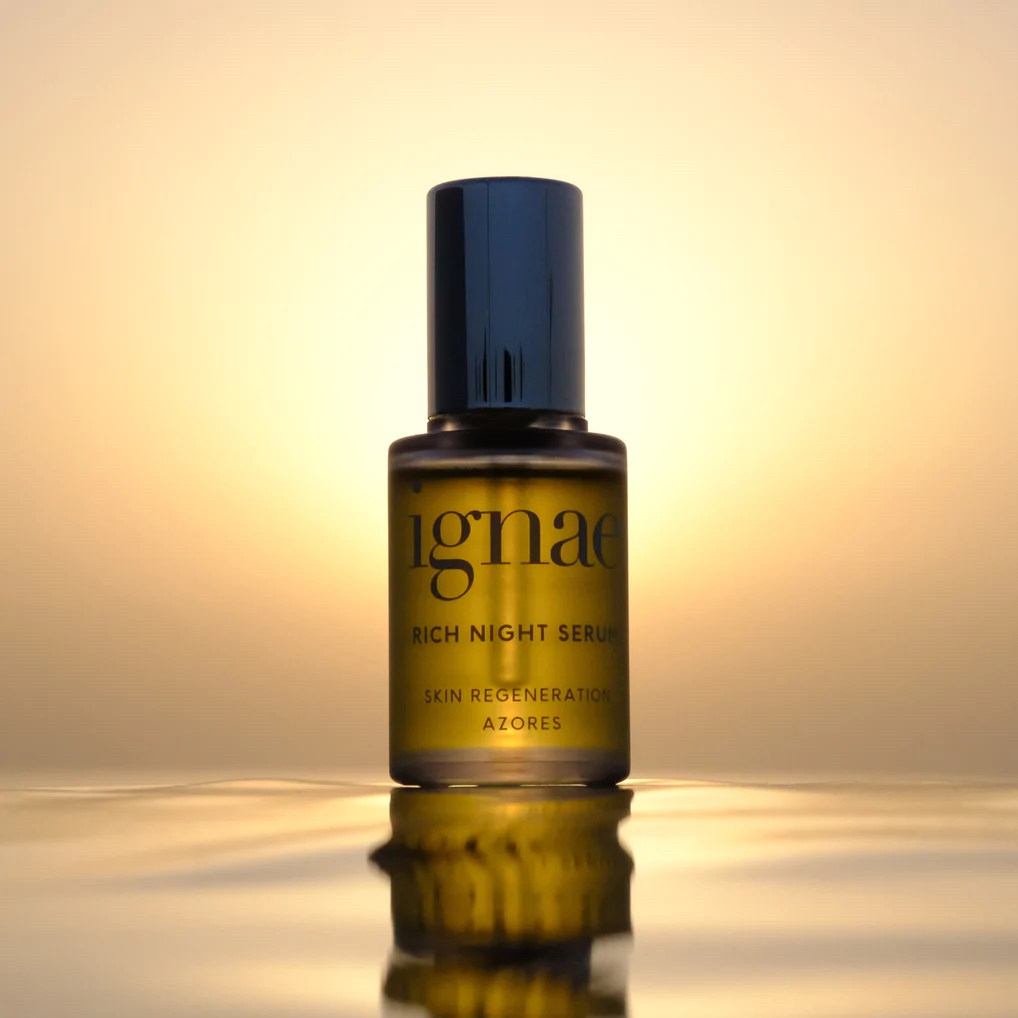
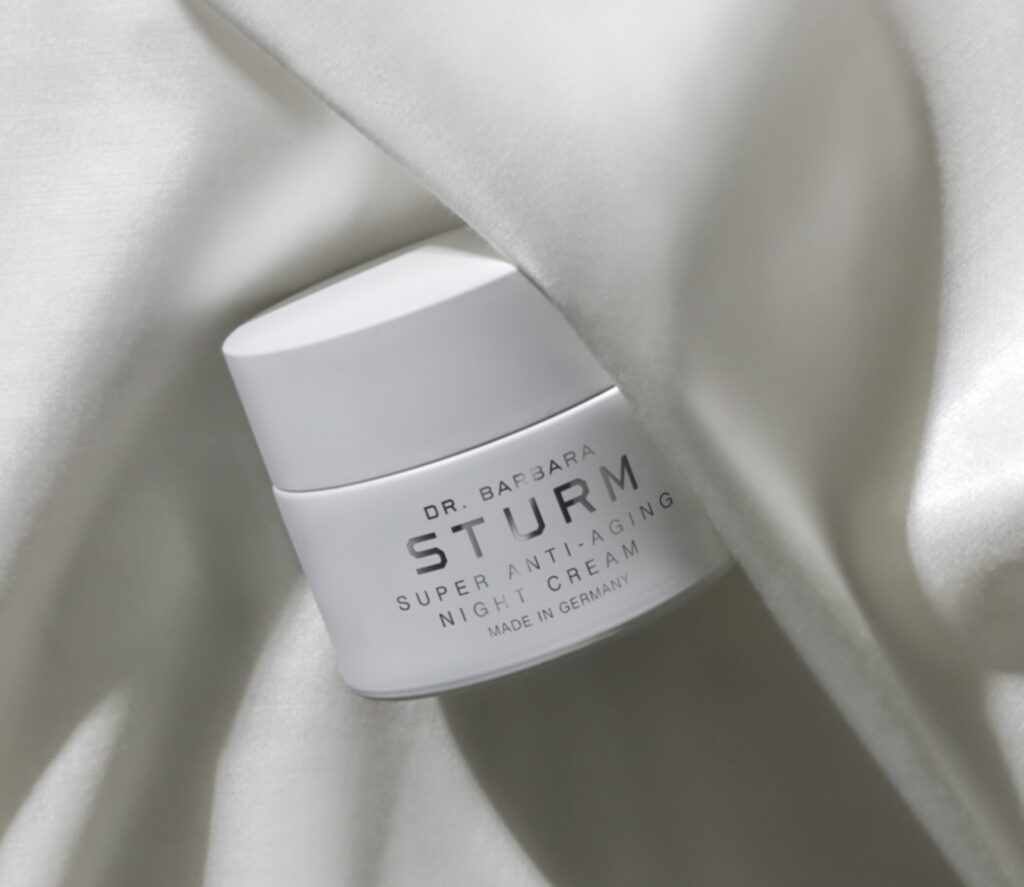
The prices of Heraux’s and Ignae’s serums are about six times the average price of a skincare product in the United States, which market research firm The NPD Group pegs at around $40. And they’re not alone in their expensive price tags. Brad Pitt’s brand Le Domaine’s The Serum is $325. Augustinus Bader’s latest launch, The Eyebrow & Lash Enhancing Serum, is $150, and Dr. Barbara Sturm’s, Super Anti-Aging Night Cream, is the steepest product in its assortment at $395.
The high end of the beauty market is getting higher end as brands win with wealthier consumers who can pay for pricier and pricier products. In a global economy poised for a slowdown and grappling with a shrinking middle class, the move to pricier products can shield brands from macro shocks that affect low-income consumers more acutely than their richer counterparts. Additionally, it allows them to better withstand elevated digital customer acquisition, logistics and material costs.
“Right now, I see brands pricing products at the extremes, either trying to make them as affordable as possible for customers or pricing them at a higher price for customers who have low price sensitivity and don’t need to worry about inflation,” says Patricia Valera, founder of brand development agency Beautybrandr. “Brand owners know that most customers who purchase the higher end of luxury cosmetics have higher disposable dollars and aren’t affected at all or at least not as severely.”
Aggie Burnett, founder of beauty and wellness brand consultancy AB Creative, says, “From a business standpoint, a higher price point gives the brand the flexibility to increase customer experience and service, overdeliver, and surprise and delight their loyal customers with extra goodies and gifts rather than chasing after volume. An indie brand that chases volume by lowering prices is a race to the bottom, and that’s rarely a recipe for success. Therefore, it makes absolute sense that brands are leaning into premiumization.”
Per NPD, shoppers from households earning over $100,000 a year account for over 40% of prestige beauty sales in the United States. Beauty sales to these high earners increased 14% year-over-year, and they were responsible for $9 billion in prestige beauty sales for the first half of 2022. NPD figures 67% of high-income consumers use makeup, and 74% use skincare.
“This particular cohort of income has been growing in size over time,” says Larissa Jensen, VP and beauty industry advisor at NPD. “We also know from our consumer studies that they are typically more engaged in beauty, meaning they are buying and using more.” Cristina Nuñez, co-founder and general partner at investment firm True Beauty Ventures, says, “Their willingness to indulge in beauty is helping drive prestige brands that substantiate their premium pricing with uniqueness, efficacy and quality.”
According to data covered by the Bloomberg, prices for U.S. cosmetics jumped the most in August than they have in almost 16 years. In an article for the business publication, journalist Olivia Rockeman writes, “Prices for makeup, perfume, bath and nail products rose 2.3% in August from a month earlier, the largest increase since December 2006. Compared with a year ago, prices in the category were up 4.2%, the largest increase since 2009.”
Still, beauty product price increases aren’t keeping up with inflation or matching the price escalations of other price spike-happy categories. In August, the U.S. inflation rate was up an annualized rate of 8.3%. A month later, it hit a year-over-year rate of 8.1%. In the new car market, a segment that’s been especially impacted by pandemic conditions, the average transaction price increased 6.3% in August from the same month a year ago.
At the prestige end of the beauty industry, price increases haven’t slowed unit sales, demonstrating the segment’s resilience and validating decisions to nudge prices upward. Jensen details prestige beauty unit sales have advanced at a double-digit percentage this year. Across 14 industries NPD tracks, only prestige beauty unit sales have climbed this year, and the average price increase in non-beauty industries is 10% to 15% compared to 2% in prestige beauty. Data from analytics firm IRI shows beauty unit sales in the mass arena have declined this year.
In 2021, Jensen points out higher priced prestige fragrance and haircare items were registering greater unit performance than lower priced fragrance and haircare items. NPD estimates upscale fragrance prices jumped 15% in 2021 to boost their prices by $10. In the two years before 2021, prices rose on average 5%. “We are definitely seeing a trading up,” says Jensen.
Sales of designer makeup brands grew faster than sales for the makeup category in its entirety last year, and they’re priced roughly 70% above the category on average. Jensen says, “In 2022, they continue to grow, but not at the rate they were growing last year. To me, that says they are sustaining performance, which is a good indicator of a consumer that’s willing to spend.”
The story is mixed in skincare, where there’s action at the top and bottom tiers of prestige. “When you talk about $150 or more, it’s uber luxury, and you can obviously buy skincare for $400 a bottle. It’s a very tiny piece of the market, but there’s positive momentum there with certain brands,” she says. “Overall in skincare, it’s trending down in price, and it’s because of the more masstige-type brands playing in the prestige space. An example of that is The Ordinary.”
Given the pricing dynamics of the market, Kelly St. John, founder of strategic growth consultancy KSJ Collective and former VP and DMM for beauty at Neiman Marcus, advises new skincare brands to enter the prestige segment at the high end with products priced at approximately $350 or the low end with products under $100. The middle of the segment is quite difficult. “I don’t we are back to the days of, how expensive can this cream be? But I don’t see price resistance,” says St. John. “I will tell you the challenge we have most often is with brands that are priced too low.”
Romain Gaillard, founder and CEO of clean beauty retailer The Detox Market, concurs with St. John and envisions a prestige beauty market bifurcated with “either low prices or very high prices.” He says, “We have a clientele who is looking for really unique products that are priced at a true luxury price. Maybe back five to six years ago, it was all about affordable luxury. I think that affordable luxury segment is very crowded at the moment.”
Under the scrutiny of social media, however, brands can’t simply slap a high price on a product and expect consumers to unload their wallets. People are demanding scientific technologies, clinical studies, expertise, gorgeous design, sustainability, excellent customer service and results.
Echoing criticism frequently lobbed at brands charging towering prices, Galina Achkasova-Portianoi, a freelance beauty journalist and founder of content destination The Curiosity Gap, says an “increase in the premium pricing often doesn’t correspond to efficacy or superior customer experience. Many people balk at this level of pricing, which more often than not doesn’t correspond to increased logistic or ingredient sourcing cost, but rather the desire to maintain brand’s profit margins.”
During an era of inclusivity strides, Achkasova-Portianoi notes as well that brands selling products with exorbitant prices can be viewed as divisive for limiting their pool of customers to people with the financial capacity to purchase their merchandise. She says there’s a “perception of ‘our products are for a select few’ versus modern and accessibly priced solutions to skin woes.”
St. John stresses brands have to be intentional about high prices. “The product has to justify the price and have perceived value,” she says. Burnett says, “When the perceived value is higher, the consumer is more likely to buy into the brand as a whole versus just a product they needed at that moment in time, which builds brand loyalty. Brand loyalty thus leads to more repeat purchases, word-of-mouth referrals and the ultimate goal of any brand-building process, brand affinity.”
Burnett elaborates, “One of the key principles of differentiation is pricing, and psychologically it’s been shown that when we purchase something for a higher price point we attribute a higher perceived value and quality to that product. People feel much better about themselves and their purchase if they buy a real Byredo perfume or an Armani Luminous Silk Foundation instead of a knockoff, no matter how similar. They want the real deal because they’re buying into a brand not a product.”
In search of products that live up to their promises, Valera says, “I see customers continuing to spend primarily on treatment-type products, which are usually priced at a premium across positioning levels. They can always level down on the basics to save money if needed. I also see many new products launching that are multifunctional, which also are priced higher, but provide significant value to the customer.”
Nuñez cautions that, while prestige is becoming more prestige, the development shouldn’t necessarily be equated with luxury. “Scaling luxury is not easy and successful luxury brands take time, credibility and consistency to build. We may see prestige retailers making room for more luxury-priced products, but luxury brands need to have the right positioning and distribution and know exactly what consumers are willing to pay expensive prices for in order to scale. Furthermore, it is very difficult growing true luxury price points products in prestige specialty retail alone. Thus, the importance of department stores and boutiques such as Cos Bar and Bluemercury.”
As the economy shifts, consumers’ attitudes toward pricey products could change. In the Great Recession that occurred from 2007 to 2009, there was a lot of shame associated with luxury splurges, and prestige beauty sales dropped. Jensen doesn’t believe the conditions of the Great Recession will be repeated, even if the U.S. falls into an official recession. “If you think about the last recession, the banks folded. We don’t have that now,” she says. “We are coming out of a time when consumers have gotten more savings because they didn’t do anything for a year. Vacation plans, going out, all those things didn’t happen.”
Jensen’s optimism is reflected in NPD’s forecast that prestige beauty units and sales will increase over the next few years. “We are feeling positive about how our industry is insulated from the environment around it,” she says. “While the lower income consumer may pull back on spending in prestige, as of right now, the higher income consumer is more than making up for that by spending more.”
The players
5 mentionedAugustinus Bader

Under Your Skin
The Detox Market
August
AS Beauty