Beauty Brands Were Hot Commodities Last Year. That’s Not Expected To Change This Year.
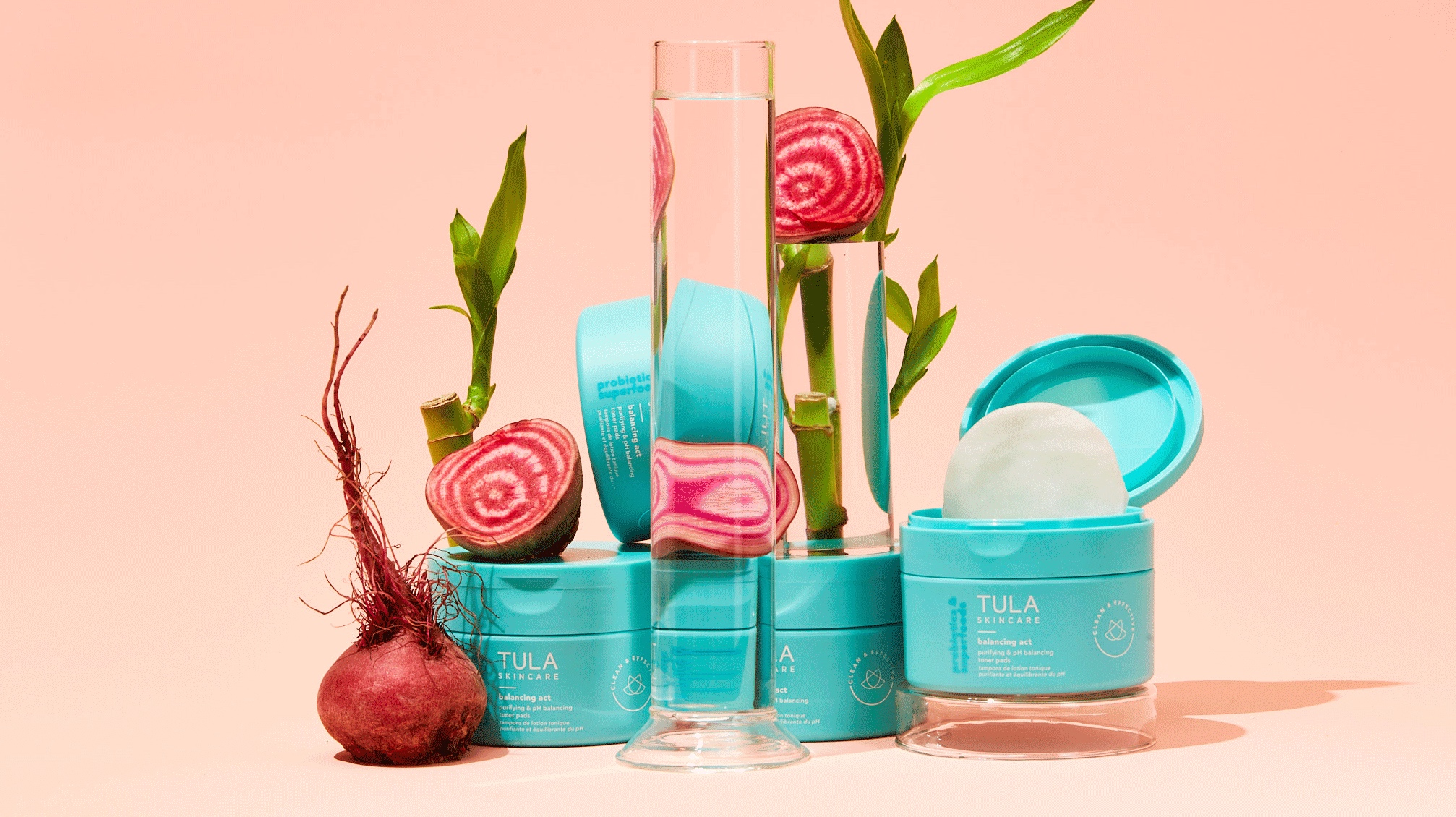
It seemed like a new transaction was practically revealed daily as the fourth quarter wrapped up. On the strategic buyer front, Procter & Gamble was busy with the purchases of Jen Atkin vehicle Ouai and clean beauty brand Farmacy, developments followed at the outset of this year by the conglomerate nabbing probiotic skincare sensation Tula. L’Oréal decided to populate its portfolio with superfood skincare wonder Youth to the People, and Edgewell introduced women’s shaving brand Billie to its male-skewed stable of brands.
Private equity firms, special purpose acquisition companies or SPACs, which are so-called “blank-check companies” designed to raise money through a public offering, and rollup operations were in on the action, too. Private equity giant Blackstone bought sun protection star Supergoop, and Eurazeo Brands attained a controlling stake in microbiome skincare brand Beekman 1802. The brand holding company Branded extended its beauty and personal care reach with the purchase of grooming brand Fresh Heritage, and groin hair trimmer seller Manscaped cut a deal to go public via SPAC.
The moves epitomized an expanded range of actors, strong demand for skincare and haircare brands, lofty valuations and a heightened velocity that beauty industry insiders believe will continue to characterize beauty mergers and acquisitions this year. Even before the fourth quarter, the publication BeautyMatter estimated the number of beauty deals in 2021 outpaced the number in 2020. In total, it figured there were nearly 300 deals through the third quarter of last year, surpassing 283 deals in the entirety of 2020.
Michael Garcia, managing director of the beauty and personal care practice at Intrepid Investment Bankers, reasons the climb in 2021 volume was due at least partially to investors and acquirers that sat on the sidelines the prior year to sort out pandemic dynamics jumping into the fray. He says, “We expect the market this year to be similar to last from the standpoint both of activity and valuations.”
Ashleigh Barker, director at Michel Dyens & Co., agrees deal activity and valuations aren’t likely to ebb in 2022. “For years, there was talk amongst investors that valuations had reached their peak, but, if the last year is any indication, premium valuations are here to stay as the next generation of brands has quickly gained momentum,” she says. “The playing field among strategic and financial investors has also been leveled as both sets of buyers are willing to pay a premium valuation for the asset today and contribute to the upside growth versus the alternative where they could miss out on the opportunity.”
Lauren Leibrandt, director of the consumer investment banking group at Baird, who shares revenue multiples in the mid-to-high single digits have been typical for best-in-class beauty assets, notes pandemic dynamics are a major factor in beauty M&A today. “Some of the nice tailwinds that we’ve experienced are as a result of COVID and how it’s impacted the way we use beauty in our life as part of our wellness and self-care routines,” she says. “That’s all very evident if you look at the subsectors in beauty that have been most active like skincare or haircare versus color cosmetics.”

The Capital Crew
Writing in Business of Fashion, Chantal Fernandez posited that “conglomerates are no longer the dominant exit strategies for the next generation of fast-growing brands.” While the accuracy of that declaration hinges on what’s meant by “dominant,” a proliferation of financial players in the beauty industry has given brands plenty to choose from as they attempt to capitalize on their momentum.
“If you’re a founder looking to bring in outside funding or explore strategic exit opportunities in the next year, you have an incredible advantage when it comes to being faced with a competitive buyer universe, especially among new investors eager to establish their first or early investments in the category,” says Barker. Garcia concurs, saying, “The more buyers you have, the better it is for sellers because there are simply more options and more interest. A lot of [firms] have raised money recently as well and are really looking for deals. They are hiring business development folks to go out and find these deals.”
Josh Ghaim, co-founder of Ignite Venture Studio, points out the power of strategic acquirers in the beauty industry isn’t going anywhere—and additional strategics and brand platforms may enter the mix. J&J has announced plans to spin off its consumer business, a potential acquirer down the line, and The Hut Group is slated to shed its beauty division to form the publicly traded THG Beauty.
Harry’s Inc. is spreading its CPG wings. Last year, the company raised $155 million, launched haircare brand Headquarters and acquired direct-to-consumer personal care brand Lumē through its incubator Harry’s Labs. Function of Beauty, the personalized haircare brand that received a $150 million injection in 2020, bought personalized skincare brand Atolla and could conceivably swallow other personalized properties.
“Keep in mind that a lot of the big companies have difficultly creating that zero to $50 million brand,” says Ghaim. “It’s almost impossible because you have to live with a different P&L. You have to be willing to lose money. Letting other startups deal with them early on and bringing them in at the right time, I think we are going to see more and more of that.”
Strategics are adjusting their M&A tactics a bit for nascent brands. Ghaim mentions the mounting prospect of them obtaining minority stakes in startups in advance of buying them outright. Estée Lauder upped its stake in Deciem to 76% last year after securing a minority share in 2017. Johnson & Johnson has joined several investors, including Ignite Venture Studio, in haircare brand Sunday II Sunday.
“I think we are going to see more of those models because it reduces the risk,” says Ghaim. “The companies get some visibility into a brand. They might sit on the board as minority investor and see some things early on to make it much easier for them to assess the brand.”
Ghaim and Garcia think brands could draw attention from strategics and investors sooner in their life cycles. Driven by social media and DTC distribution, often in combination with an anchor retail partner, young brands are hitting revenue marks historically reserved for older brands. Garcia says, “More and more companies that are pretty young are just blowing it out of the water in terms of big revenue, big growth and, sometimes, they’re also generating EBIDTA.”
Ghaim says, “We are going to see indie brands being acquired sooner than what we were used to.” He elaborates, “If you are successful in DTC and you know the core customer you are targeting, then you get into Ulta, Sephora or Target online, it’s a fast way to grow 5X or 10X year-on-year. I think we are seeing that with quite a few brands nowadays.”
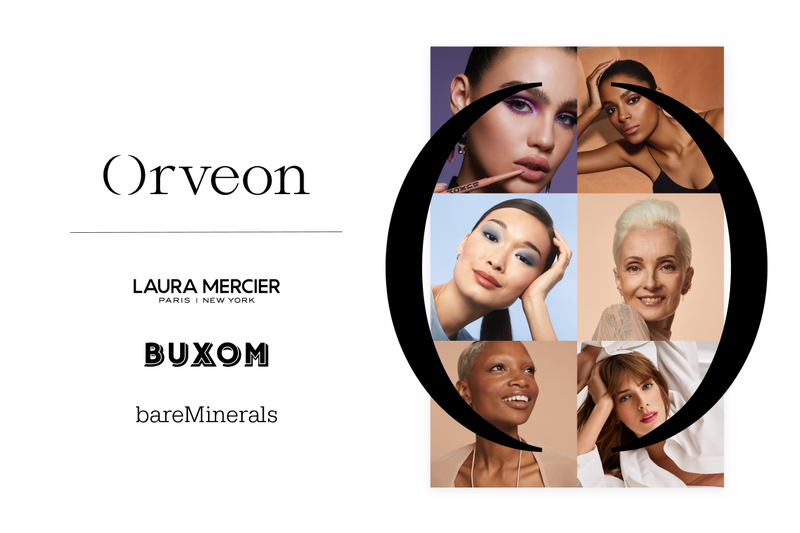
The presence of private equity as a contender for beauty brands is only escalating as demonstrated by private equity firm Advent International folding former Shiseido brands Laura Mercier, Bare Minerals and Buxom into Orveon, an umbrella firm that could procure further brands. Existing SPAC entities like Powered Brands, BeautyHealth, and Waldencast Acquisition Corp. are anticipated to be M&A participants, but SPAC fever is poised to cool in beauty.
In contrast, IPO fever could heat up. Olaplex’s $1.6 billion IPO last year has provided an example that’s bound to spark imitators. Huda Beauty has floated the idea of an IPO. Function of Beauty could be an IPO candidate. Glossier has long been bantered about as an IPO aspirant. Another road for brands is a Regulation A+ offering, an alternative to a customary small IPO that allows for companies to raise up to $75 million in 12 months. Proven has opted to try a Reg A+ with the aim of raising $60 million.
The universe of beauty brands capable of a conventional IPO is limited. “It’s increasingly an option for beauty brands if they’re looking for a significant liquidity event. The issue is that, in order to be a good public company, a brand needs to be of a certain size and scale, and many of the brands that are independent and not already owned by strategics, there are not as many of them that would meet the financial profile of a brand that would make a good public company,” says Leibrandt, who worked on European Wax Center’s $180 million IPO. “The bare minimum valuation of someone going public is around a billion, if not higher.”
Ghaim envisions two main paths to exit in the beauty industry: one involving the usual strategic buyers, and one involving IPOs or SPAC outfits. “The things like Harry’s or Orveon, they aren’t going to fit nicely with CPG companies. Those are the ones we are going to see taking an IPO or SPAC approach,” he says. “I think we are going to see more of that happen, so you almost have parallel path. Brands that are aggregated into conglomerates go into IPOs or SPACs, and other brands fit nicely into the portfolio of CPG companies.”
The Category Leaders
Despite Target’s stellar pandemic performance and Walmart’s endeavors to enliven its beauty selection, prestige beauty was the focus of deals as 2021 drew to a close and 2022 began. The role of a Sephora as a beauty kingmaker—the three new P&G portfolio members count Sephora as a key stockist as does Youth To The People, Supergoop and L’Occitane Group pickup Sol de Janeiro—doesn’t appear to have diminished despite greater penetration of e-commerce in the beauty industry.
Rich Gersten, co-founder and managing partner at True Beauty Ventures, explains the focus on prestige tracks with the channels indie beauty brands ordinarily fare better in. “Smaller brands do not get the same in-store support and visual merchandising/story-telling in traditional FDM [food, drug and mass] channels. Prestige has historically had higher growth rates than FDM channels as well,” he says. “We are also seeing typical prestige players like Sephora lean more into accessible and masstige pricing (e.g., Ordinary, Inkey List). While accessibility from a price point may shift in these distribution channels, the positioning and branding to remain competitive will remain extremely important.”
Mass market brands are certainly not off the table for acquisitions and investments, particularly in personal care, grooming, textured haircare and wellness, but their business models have a propensity to make them less attractive as targets. “Prestige brands, their margin profile tends to be a lot higher. For every dollar of revenue, you are making a lot more on the bottom line, and profitability is what everyone cares about at the end of the day,” says Leibrandt. “You can do mass brands profitably, but you have to have scale to do it profitable and great relationships with the major mass beauty retail players.”
With a few years of sales in a robust skincare period under their belts, skincare brands are predicted to persist as M&A fodder. A slew of companies would be happy to absorb Dr. Barbara Sturm and Augustinus Bader. Haircare brands, especially with a scalp health specialty, could be M&A catnip, too. “Hair is having a moment,” says Elizabeth Lim, founder of Elizabeth Lim Strategy & Consulting. “It was a little bit sleepy for a while because beauty was dominated by skincare and makeup for a long time, but the resurgence of hair is happening.” She comments the brands Virtue and Vegamour are making strides in the scalp care arena.
Makeup brand transactions could swell as the category rebounds and clean makeup brands with backers behind them mature. Lawless Beauty, Ilia, Westman Atelier and Kosas have received funding. Speaking of color cosmetics, Barker says, “I see now as the best time for investors to get back into this category before early-stage brands really take off to take advantage of growth opportunities that will surely change the landscape in the next few years.”
Fragrance and wellness, a catchall category spanning feminine wellness, sexual health and ingestible beauty, could fuel M&A deals. In fragrance, Byredo and Nest Fragrances, brands in Manzanita Capital’s collection, are being discussed. In wellness, there’s a wide array of brands (Seed, Athletic Greens, 8Greens, Moon Juice, The Nue Co. and Nutrafol are a few) that could eventually ink deals. “Beauty and wellness have converged a lot, and COVID accelerated the convergence a lot,” says Leibrandt. “There’s a lot of runway for wellness brands.”
If they convince acquirers and investors they won’t suffer from Clarisonic’s fate—L’Oréal closed Clarisonic in 2020—device companies could get a look. Droplette, which reeled in $15 million last month, and NuFace are device brands viewed as having compelling propositions. Companies with distinct customization, ingredient or telehealth technology (think Curology and DRMTLGY) are going to be considered.
“There are brands doing the extra legwork to build technology and science into their platforms or into their ingredients in a proprietary way, and those are businesses that are definitely going to be hot commodities in the future,” says Jessica Chia, director of beauty brands strategy at Intrepid. “They are ones to watch.”
The players
5 mentionedKosas

Function of Beauty
Augustinus Bader
8Greens
Momentous