Are AI Influencers Like Slate Brands' Iris Lane The Future Of Social Media?
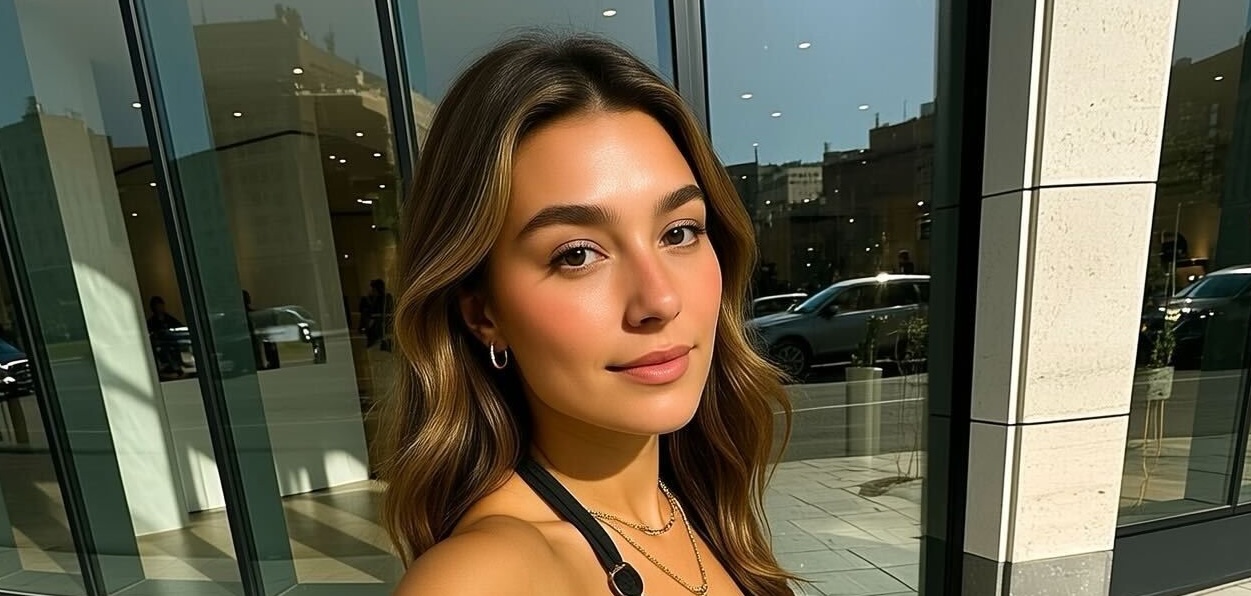
On Tuesday last week, Slate Brands, the incubator behind men’s skincare brand Insanely Clean and fragrances from Brooke DeVard, Tracy Anderson and the Murillo twins Briana and Brittany, dismantled the digital footprint of Iris Lane, a fake perfume influencer it dreamed up with AI, after the fragrance community on TikTok erupted in opposition to its presence on their feeds.
Although Elise Grenier, the fragrance content creator with the handle @eliselovessmells, believes it’s pretty clear Iris Lane was AI-generated (her mouth movements didn’t match her words), she thinks the fragrance influencer-bot is just the beginning of an invasion of AI content creators. Still, she’s not worried about the Iris Lanes of the future taking her job.
In a TikTok video from Monday last week, she says, “While it would be very easy for AI to do my job, part of the appeal of being a content creator is people want to follow a real person. So, while AI could definitely find the data that I find about perfume and talk about it like I talk about it, I think a lot of the reason y’all follow me is my personality and my taste.” She adds, “Stay vigilant and support people on the Internet who are real people.”
Slate Brands is hardly the first brand to encounter pushback to its use of AI—Coca-Cola, Levi’s, Selkie and probably most prominently Duolingo have triggered AI-related uproars—and it’s definitely not going to be the last. In a LinkedIn post on the decision to pull the plug on Iris Lane, founder and CEO Judah Abraham explained the AI influencer was part of Slate Brands’ modus operandi challenging “ideas at the edge of culture, data, and innovation” as the company explores AI applications in its different departments, but wasn’t intended to replace humans.
He wrote, “It raised valid questions about how AI shows up in creative spaces. We listened, and paused. Not just to act, but to stay aligned with values that guide us: curiosity, responsibility, and care for creative work. Iris sparked dialogue we welcomed—it pushed the conversation forward and gave us new insight into how emerging technologies are received in creative industries. We believe strongly in testing bold ideas, but also in moving fast to adjust when something doesn’t land as intended.”
As beauty companies increasingly tap AI, we decided that, for this edition of our ongoing series posing questions relevant to indie beauty, we would dive into the implications of the Iris Lane episode. We asked 10 beauty entrepreneurs, writers, merchants and consultants the following: What’s your response to Slate Brands’ fake influencer? Was the backlash warranted? Are AI influencers the future?
The players
1 mentionedAS Beauty