The Anti-Rhode Road To Building A Clean Beauty Brand That Lasts
These brands are proof that, despite the headwinds that have toppled numerous companies in the last five years, including Ren, Vapour Beauty, LOLI Beauty and Bite Beauty, it’s still possible to build a sustainable beauty business with loyal customers, standout products, key retail partners and goals beyond hockey-stick growth or billion-dollar exits.
Although clean beauty has faced blistering criticism for lacking a clear definition and demonizing certain ingredients, its appeal remains meaningful. Grand View Research valued the global clean beauty market at $8.25 billion in 2023 and projects it will reach $21.29 billion by 2030. Many brands thriving today acknowledge the category’s shortcomings and have evolved beyond the hype cycle.
Aggie Burnett, founder of AB Creative, a consultancy that’s worked with brands such as Kahina Giving Beauty and One Love Organics, says nearly 90% of the founders she works with aren’t chasing flashy exits to L’Oréal. One of her first questions to clients is whether they’re building a lifestyle brand or an enterprise business. The distinction, she says, is simple: lifestyle brands concentrate on steady long-term growth, while enterprise brands reinvest aggressively with the goal of exiting within five to eight years.
Even as the pull toward newness is intense, Laura Shartun, director of merchandising at The Detox Market, which operated independently for 15 years until being acquired by Violet Grey last year, highlights constancy in founder vision, product efficacy and the ability to evolve thoughtfully without losing core identities as critical to brand longevity. Sharron shares that 25-35% of the brands The Detox Market carries have been in business for over a decade.
Jeannie Jarnot, founder of Beauty Heroes, says, “These brands are better quality products with better efficacy and results. At the end of the day, that’s what we want.”
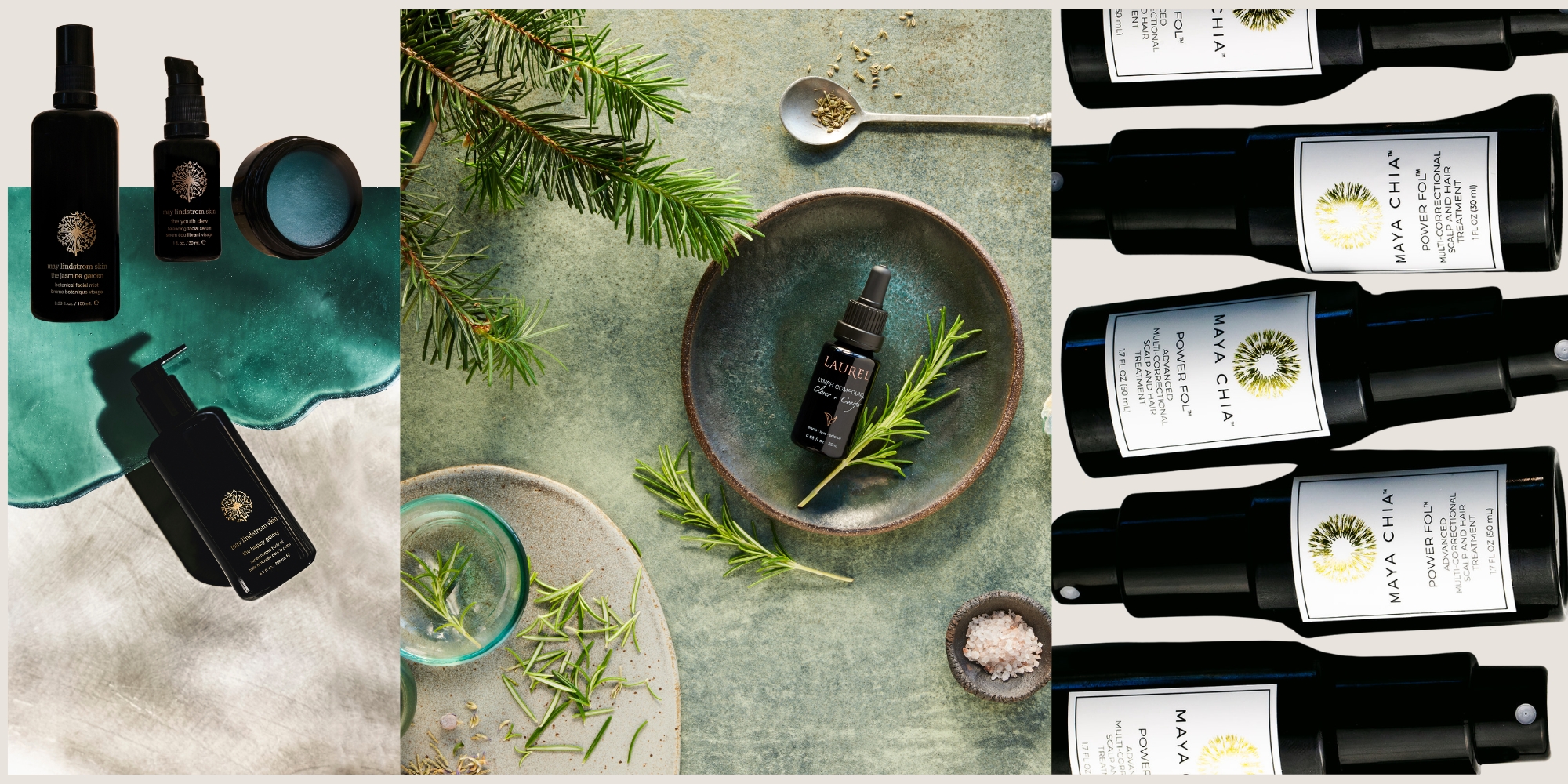
Several founders of brands stocked at retailers such as The Detox Market and Beauty Heroes have deprioritized chasing trends and growth. Maya Chia hasn’t succumbed to pressure to rapidly expand distribution or accelerate product launches, according to founder Susanne Norwitz. Founded in 2014, the brand sells roughly 11 core products priced from $48 to $125 through its direct-to-consumer channel and select retailers like Credo Beauty and The Detox Market.
“We’ve always been willing to leave growth on the table when the conditions weren’t right,” says Norwitz. “That’s a discipline. It doesn’t make for this glamorous growth narrative that’s got a lot of razzle dazzle, but it’s in part the reason why I think that we’re still here.”
Laurel Shaffer, founder of 11-year-old Laurel Skin, which is carried at more than 200 points of sale, including boutiques and spas, calls her self-funded skincare brand a “low-profit company.” It invests in regenerative ingredient sourcing methods, employee profit sharing and independent artisans along the supply chain. Shaffer says, “That type of low-profit business model is not typically favored by investors, so it would likely never be a fit for us.” Shaffer notes that she’s referring to net profits, which for her brand are approximately 5% on some products.
Without external investors to please, these clean beauty brands have executed smart pivots to keep their businesses relevant. Maya Chia, long known for premium clean skincare, has rolled out its six-product Power Fol Scalp and Hair collection over the past five years, priced from $72 to $129 and anchored by a scalp treatment and brush. Norwitz says the initial investment in the development of the Power Fol shampoo was $35,000 to $40,000 to cover research, consumer studies, ingredients and packaging, a modest sum in an industry where launches can cost brands hundreds of thousands or millions.
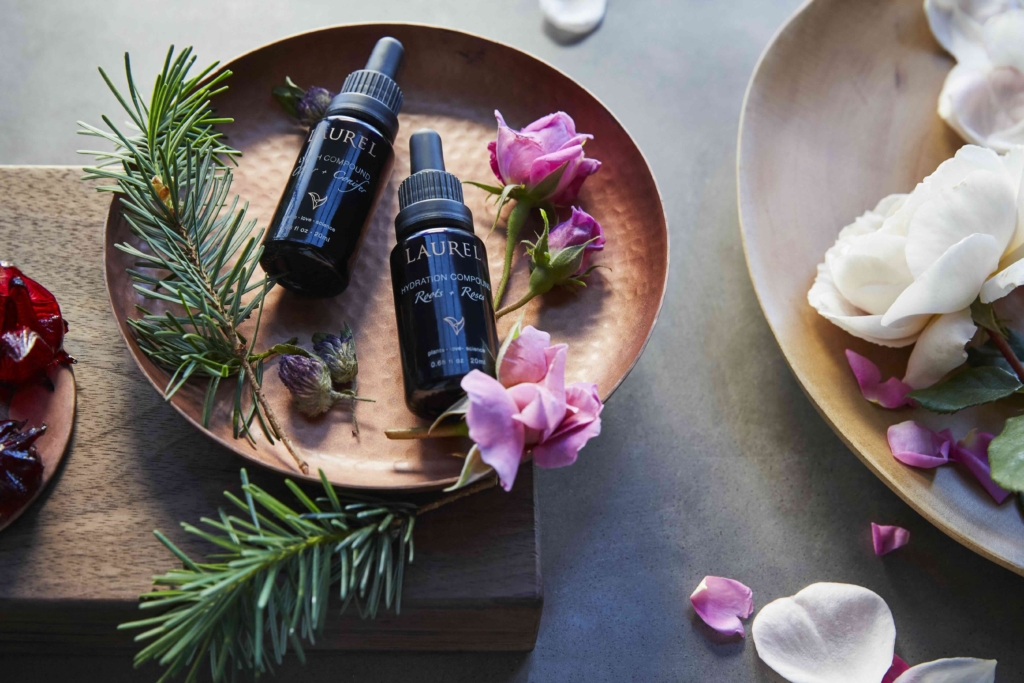
In 2022, Laurel Skin began rolling out Laurel Compounds, whole-plant alternatives to common cosmeceutical serums featuring ingredients such as hyaluronic acid, vitamin C and niacinamide. The brand now offers six compounds priced from $86 to $94.
After 12 years, clean beauty retailer CAP Beauty pivoted in March from an online retailer selling 150-plus products from dozens of third-party beauty and wellness brands such as Living Libations, Monastery and Marie Veronique to a focus on its existing and forthcoming CAP Beauty products. Now at 25 products, its assortment will span skincare, wellness, pantry and home. CAP Beauty brand products will also be compliant for sale in the European market, where the company has seen interest.
CAP co-founder Kerrilyn Pamer says the main driver of the move is the rising cost of customer acquisition. In a digital commerce environment dominated by behemoths like Amazon, operating a niche e-commerce site like CAP Beauty has become increasingly difficult. The focus on CAP Beauty products isn’t the first big pivot for the beloved retailer. It shuttered its store and treatment studio in Manhattan in 2020.
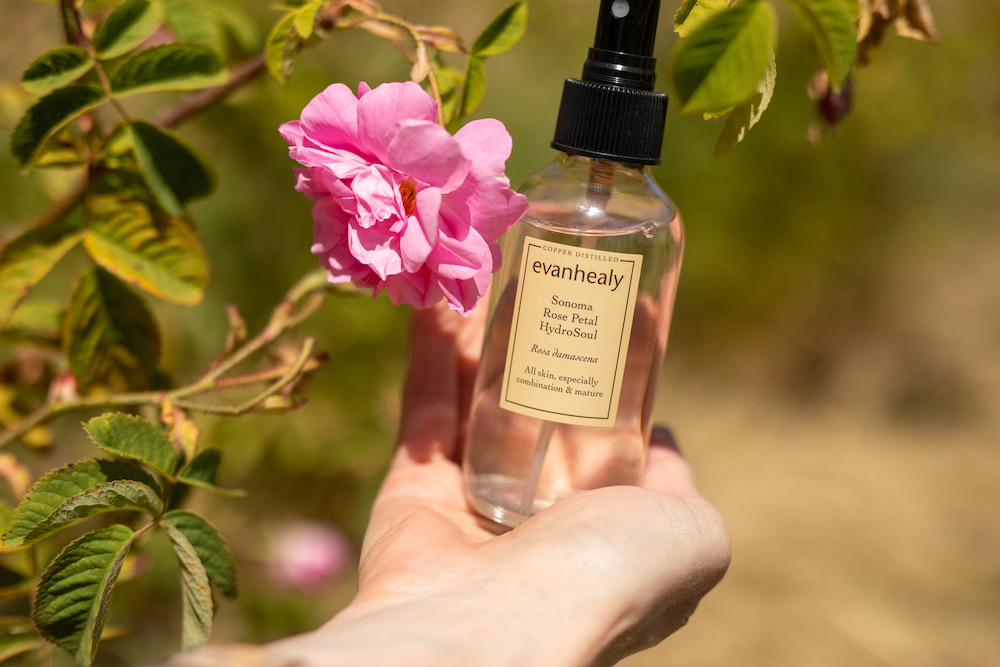
Along with self-funding, supply chain control gives these resilient clean beauty brands command over their fates. Maya Chia, Laurel Skin, May Lindstrom Skin and Evanhealy, for example, make products in-house. Norwitz claims it’s the only way she can produce products to her exacting standards. It took 180 iterations to nail the formula for Maya Chia’s popular pressed serum, Superblend.
“Every formula we’ve released has been through a process that most people would find almost unreasonable in its rigor,” says Norwitz. “The difference between a product that performs and one that doesn’t is almost never the concept. It’s the willingness to go back and make 40 iterations of the formulation, adjust the polymer, reformulate the active complex and not launch until it’s the Goldilocks of formulations.”
These brands command premium prices, but their economics often differ sharply from those of conventional or investor-backed peers. Rather than the 80%-plus gross margins many high-end beauty brands target, which Jarnot estimates could push certain formulas above $1,000 at retail, indie clean beauty brands may operate closer to the 50% to 70% range, particularly when products rely on costly active ingredients, small-batch production and stringent quality standards.
Jarnot notes that these brands take an anti-fairy-dusting approach to ingredients, meaning they’re formulating for results rather than marketing. “It’s a better quality product pretty consistently,” she says. “Suzanne [from Maya Chia] just puts everything in that formula that she can. She stacks it so high. She won’t stop until she has it.”
The tighter economics can narrow retail options, especially when national specialty chains may expect margin structures approaching 60% before merchandising and marketing expenses. However, scale, profitability, investment and acquisitions aren’t off the table. In 2023, Famille C Participations, the private investment firm of the Clarins-owning Courtin family, acquired a majority stake in Pai Skincare. Indie Lee was acquired by American Exchange Group in 2024 and has since introduced its accessibly priced diffusion line, Indie Lee Botanicals, at Whole Foods Market. True Botanicals has secured more than $21 million in funding, including a series B round in 2022 led by Nextworld Evergreen.
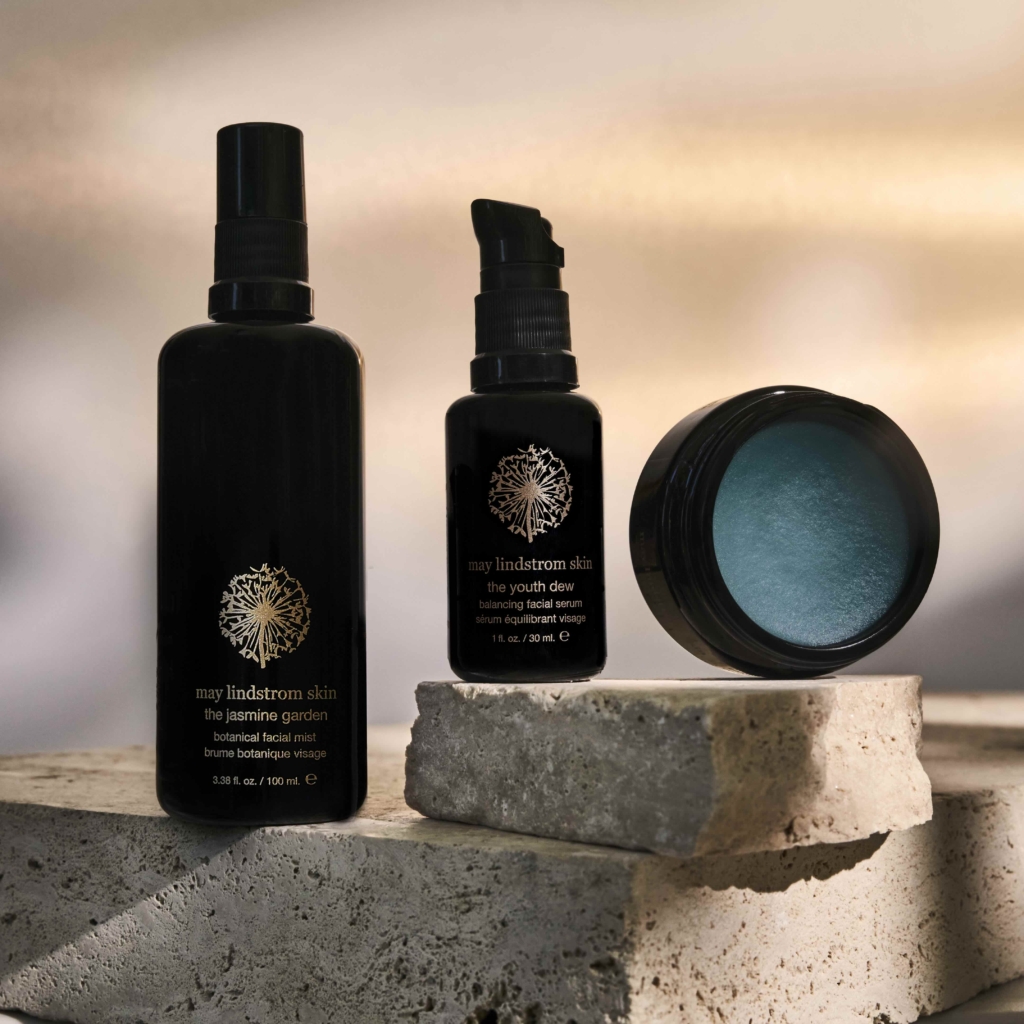
Cult-favorite luxury clean beauty brand May Lindstrom Skin accepted its first outside funding in late 2024, a $3 million investment from a longtime customer and angel investor whose only stipulation was that its bestselling balm The Blue Cocoon stay in production. Founder May Lindstrom says the capital is being used in part to extend the brand into fragrance later this year.
May Lindstrom Skin has been profitable since year one, aided by several strategic pivots. Most notably, Lindstrom pulled the brand out of all retail partners at the outset of the pandemic to stick to its thriving DTC business. Last year, May Lindstrom Skin began selectively re-entering wholesale with former partners such as The Detox Market and new partners including Beauty Heroes.