9 Key Trends From Adit Live Los Angeles 2022
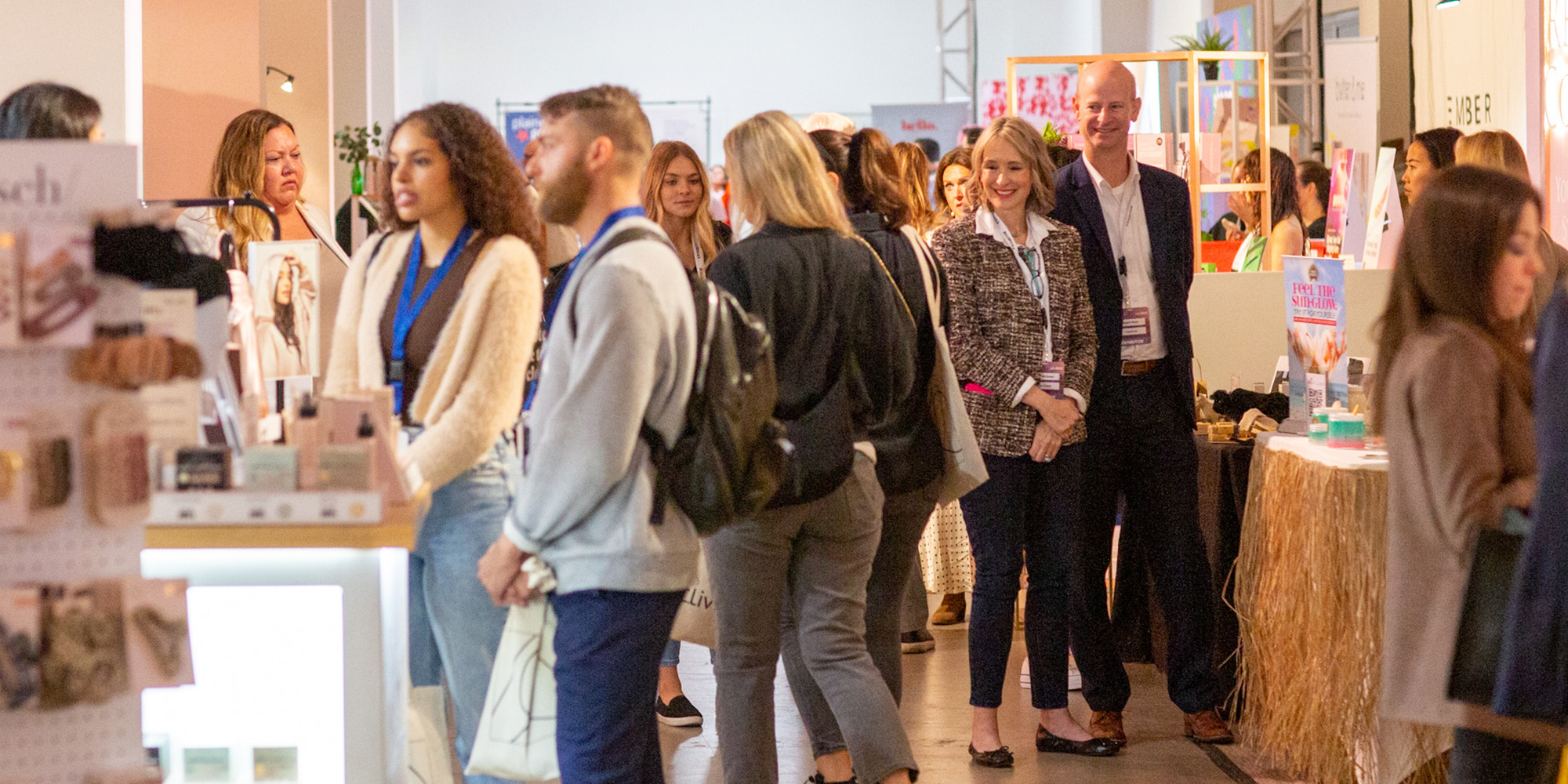
Today, much has changed, but the value of bringing together brands, retailers and journalists hasn’t. That point was driven home to us at Adit Live, IBMG’s new trade show concept that took place from Nov. 2 and 3 at The Reef’s Magic Box in Los Angeles. At the show, which presented around 60 brands and drew buyers and editors from the likes of Ulta Beauty, Walmart, The Detox Market, Credo, Bluemercury, Cos Bar, Vogue, Refinery29 and Glamour, we connected with brands we wouldn’t have otherwise, spoke with entrepreneurs about challenges they face and market gaps they’re capitalizing on, and identified rising trends.
Below, we highlight nine trends we spotted at the show that we anticipate will have important ramifications for the beauty industry. We can’t wait to spot more transformative trends at the next Adit Live, which will be in New York from May 24 to 25.
1. Pricing Bifurcation
Eighteen months ago, The Organic Skin Co. made a strategic decision to lower its prices on average 10% to $24 to $34.95. Founder Megan Douglas explains the decision stemmed from a bid to expand the brand at mass retail—currently, its core distribution is natural grocers like MOM’s, Fresh Thyme and Central Market—and ensure the broad accessibility of its clean skincare products. To lower prices, The Organic Skin Co. changed its packaging, slashed incidental expenses and slimmed margins, but it didn’t stray from its signature CO2 extracts.
“Even though the decision to adjust our pricing was made a year and a half ago, it’s proven timely given the current economic situation,” says Douglas. “Whilst spending post-lockdown was buoyant, the impacts of the current inflationary cycle are now being felt by all but the very wealthy.”
The Organic Skin Co.’s pricing adjustment squares with beauty market dynamics more generally. There’s a ton of activity on the lower end of the prestige segment/upper end of the masstige segment and the top tier of the prestige segment pushing into luxury as brands contrastingly lean into affordability as most consumers approach spending with caution in an uncertain economic environment and shoot for wealthier consumers that can withstand economic shocks. The latter’s skincare products usually exceed $100, and the former’s are half that amount or less.
New brands Olivier Midy Chimistes Depuis 1718, which pays homage to founder Olivier Midy’s family’s heritage as French plant-based pharmaceutical pioneers, VerdiLab Cosmetics, a Swiss export designed to bridge science and nature, and Tronque, an upscale clean body care brand, are situated in high-level prestige. VerdiLab Cosmetics’ products such as Radiance Power Vitamin C Cellular Serum and Acid Power Imperfections run from $80 to $180. Olivier Midy’s single debut product Éclat Midy, a face oil containing 18 seed oils and six plant extracts, is priced at $146. Tronque’s prices range from $80 for Vitamin C Body Oil to $120 for Scar Concentrate.
“Tronque products cost a great deal to produce in comparison to competing skincare brands. The volume and quality of Tronque’s ingredients dictate the need for a relatively higher RRP [recommended retail price],” says Tronque founder Tanne Snowden, noting the brand has up to 24 high-performance ingredients per product. “Under global inflationary pressures, raw materials, manufacturing and freight costs continue to accelerate, thus creating a rising cost floor on pricing flexibility. While there is always a commercial imperative to lower prices to drive volume, that would require a major dilution of the Tronque brand’s ethos.”
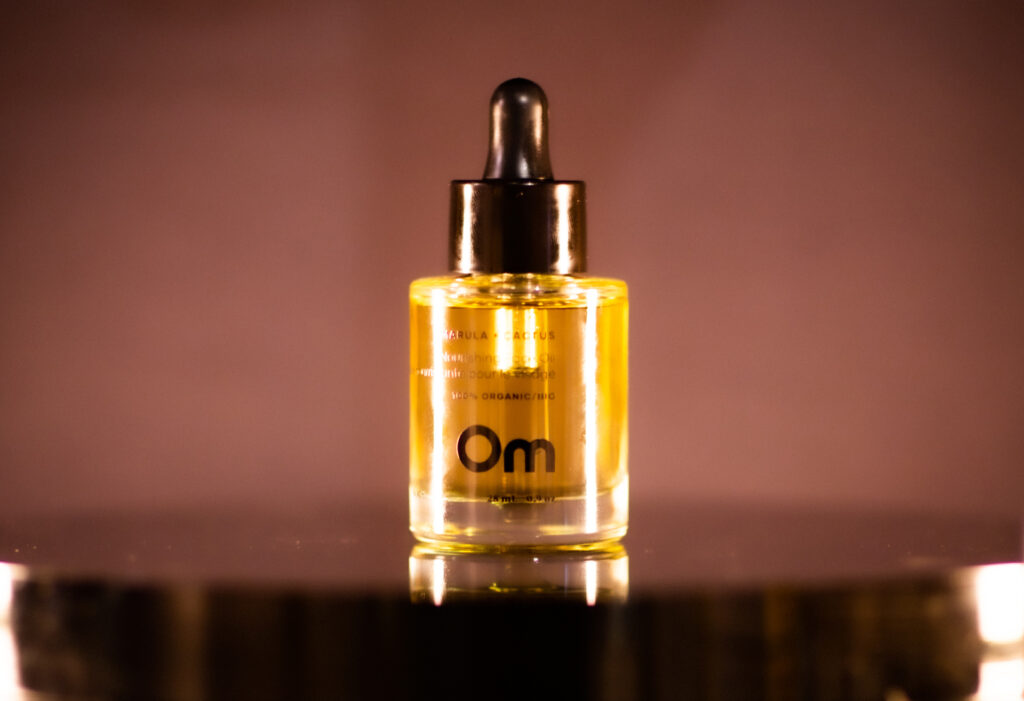
On the lower priced side of prestige, the skincare brand Om has been careful to keep its products priced under $50. “Before I began formulating, I had always assumed that if you wanted your skincare to work, it had to be expensive,” says founder and aesthetician Kari Asselin. “However, when I got into the manufacturing side, I realized that there are unnecessarily high markups on skincare products, and it became my mission to create incredibly effective skincare at extremely reasonable prices.”
To help it swing reasonable prices, Om has increased its online shipping fee from $10 to $15 free shipping threshold from $50 to $80. “It’s always difficult to do this, especially at a time when consumers have come to expect free shipping on orders of any value,” says Asselin. “However, we communicated with our customers that this increase in the cost of shipping is so that we do not have to increase the cost of our products, and it was received really well.”
2. Elevated No Makeup Makeup
After being stuck at home at the outset of COVID and spending some two years hiding much of their face behind masks, consumers welcomed fun, playful makeup starting last year. Now that a good chunk of them are getting back to the regular routines of office jobs, social activities and events, they’re in search of makeup looks that are work appropriate and don’t require a ton of time to put on or take off.
Designed for acne-prone, sensitive skin, The Good Mineral, which launched in 2021, specializes in $39 Powder Foundation its co-founder Ego Iwegbu describes as delivering “no makeup, but filtered” looks with its lightweight formula. The brand also offers blush, highlighter, bronzer and contour powders. “Most women do not consider themselves to be into makeup,” says Iwegbu. “However, nine out of 10 would like to look more finished, but not like they have a load of makeup on.”
Created with a focus on skincare, Siia Cosmetics, which calls itself “the first truly inclusive K-Beauty brand 100% made in Korea,” suits the elevated no makeup makeup look’s penchant for nurturing and not masking skin. The 2-year-old brand has 18 products priced from $15 for Everlasting Makeup Setting Spray to $28 Luminous Longwear Liquid Foundation.
Minara El-Rahman and Jasmine Dayal were going for effortless California beauty when they launched clean, vegan and halal brand Mora Cosmetics in 2020. “Our brand is meant to make a beauty routine as easy and as quick as possible without sacrificing quality of look,” says Dayal. “We wanted to create products to help people feel their most beautiful, not change who they are. For us, it is about enhancing your natural beauty.”
Mora Cosmetics started with $25 Satin Sheen Multistick in three colors. Two additional Multistick colors are coming in 2023 along with a highlighter. The brand is available at e-tailer Thirteen Lune and its selection inside the chain J.C. Penney. Makeup artists Matin Maulawizada, Aya Tariq and Katie Jane Hughes are supporters. El-Rahman says, “Makeup artists may not be as obvious as influencers are, but they have the expertise and knowledge to know when products are good.”
3. Scar And Stretch Mark Products
Body care continues to morph, and brands are producing more offerings in the category, including multipurpose balms devised to reduce the appearance of scars, stretch marks and more. Tronque’s Scar Concentrate is a nutrient-dense liquid formulated with 26 bioactive superfruits that were chosen to fade scars, stretch marks and pigmentation, and boost collagen. The brand believes so strongly in Scar Concentrate that it offers a 90-day guarantee on the product.
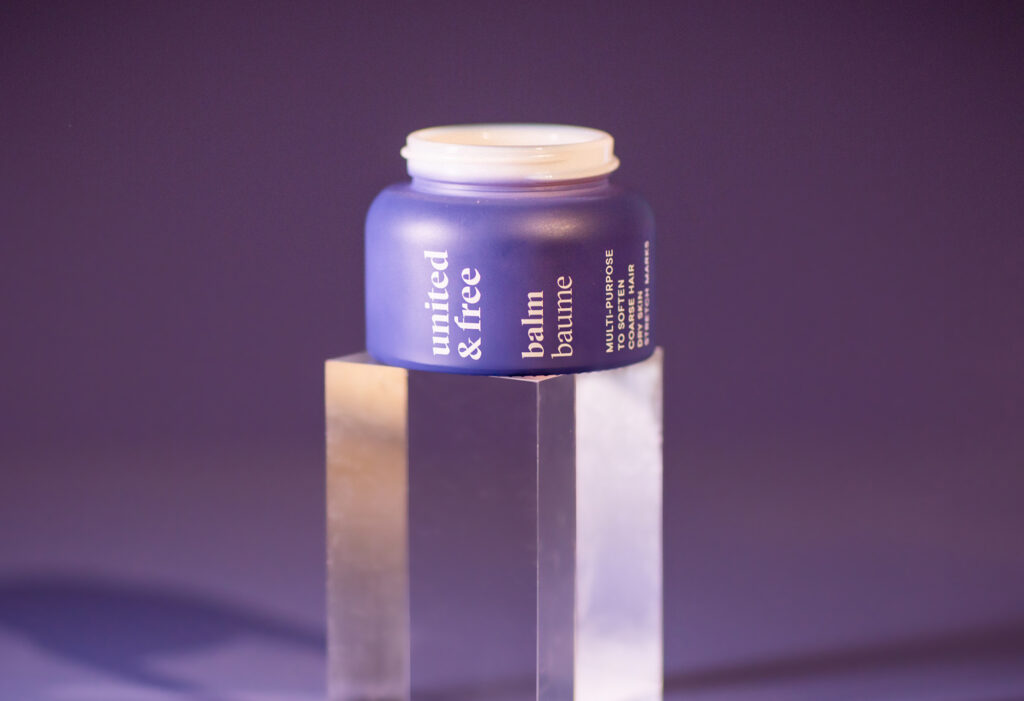
Brandon and Kaleena Morrison, the sibling co-founders of clean beauty brand United & Free, both have stretch marks and concluded the market didn’t have a great solution for the common issue. “I’ve tried a lot of oils and creams from a lot of different brands on the market and every product had some varying degree of claiming it would make stretch marks disappear,” says Brandon Morrison. “After using them, I still had very deep stretch marks.”
United & Free’s $36 Softening Balm contains squalene and vitamin E to increase the moisture barrier and protect areas with stretch marks as well as reduce the irritation, redness and itch associated with new stretch marks and scarring. But the multiuse product can be used on any part of the skin and even the hair in an effort to enable consumers to pare down their routines.
Morrison says, “The driving force of our ethos and the reason we’ve moved into a direction of multiuse products is to reduce the waste from a large multi-product skincare routine and focus on what’s needed, a minimalist approach to skincare.”
Beyond the Adit Live show floor, other brands are honing in on scar treatments. New mom care brand Yung Bod has launched with an $88 C-Section Solace Kit that contains C-Section Mama Cream and C-Section Roller, a stainless steel skin massaging tool intended to be paired with the cream. Other recent scar treatment releases are CBD brand Therabalm’s Rose Balm and Estas Beauty, an entire premium range dedicated to scar care.
4. Salon Distribution
Much ink has been spilled this year about the importance of omnichannel distribution as the expense of direct-to-consumer distribution has escalated, and brands are exploring a host of possible distribution options, including salons, which have seen sales rebound after they were devastated during the height of the pandemic in the United States. Per market research firm Kline & Co., salon service sales climbed 23% in 2021.
Carried on QVC and Verishop, French clean haircare brand Shaeri is forging salon relationships to fuel growth and will partner with Toni&Guy salons in 2023. Toni&Guy education director Elena Mascolo says, “Shaeri products had a good proportion of smoothing factor and weightless shine. We also loved the scent left on the hair.”
Clean nail polish brand Liberation Nails is expanding into the nail salon channel in 2023. Therapeutic face, hair and body care brand Omm Collection has a spa line that’s given it distribution at luxury salons and spas around the world. It was recently chosen as a preferred vendor with Marriott International, placing it at Four Seasons and Waldorf Astoria properties.
On top of reaching customers, salons and spas can cement brands’ reputations by having professionals validate their formulas. However, distribution at them isn’t a cinch. Large distributors typically reign over the brands sold out at them, and owners of them tend to gravitate to brands that are known commodities.
Reliant on discretionary income, salons and spas also can be quick to suffer when economic troubles occur and clients space out or stop services. Just ask Olaplex. The professional channel constitutes 43% of its business. In the third quarter this year, sales in the channel were hurt by macroeconomic concerns and dipped 16% to $63 million.
5. Solid Product Formats Beyond Shampoos And Soaps
Shampoo bars are de rigueur these days, and the formulas have certainly gotten better since the earliest versions of waterless hair cleaners. But indie brands have been hard at work expanding on the solid beauty product format.
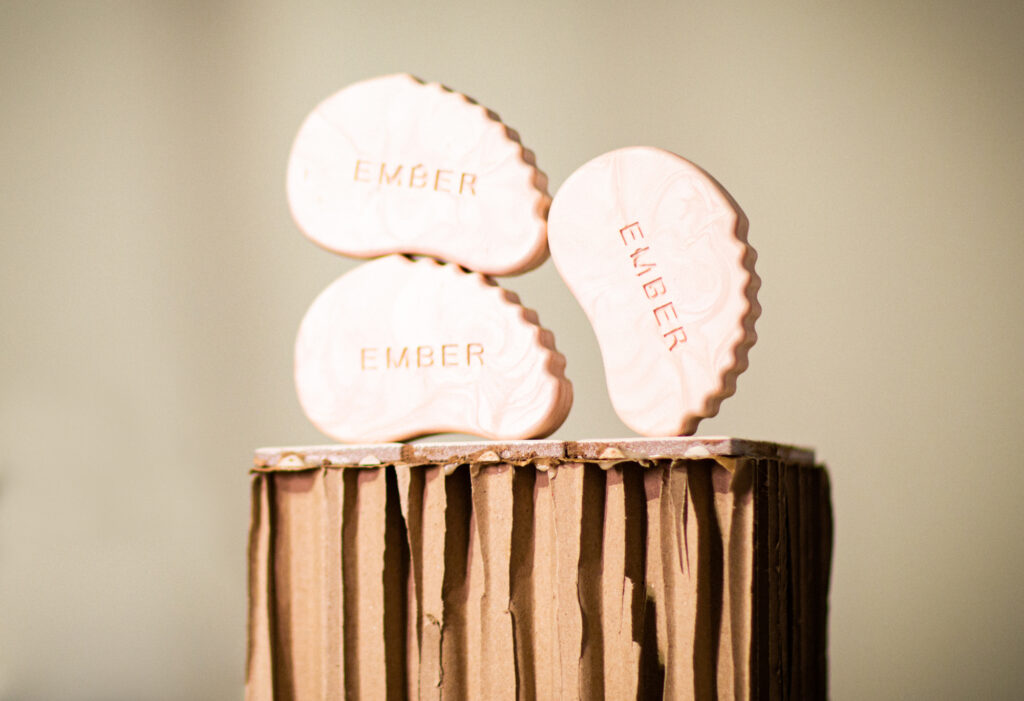
One of the most popular products at Adit Live was Ember Wellness’s new Sculpt & Glow Bar, a solid facial moisturizer in the shape of a gua sha stone. It’s designed to sculpt, hydrate and even luminize, thanks to a touch of mica. Founder Amanda Schuler says the bar should last about four months.
Butter & Me founder Vivian Wong has grown her brand’s accessible, waterless bath and body product assortment with unique formats like breakable body scrub bars fashioned after gourmet chocolate. They retail for $18.
In aromatherapy, liquid essential oils splashed into diffusers are prevalent, but Mood Food is out to supply alternatives. With the brand, founder and product developer Linda LaSala sought to create portable aromatherapy products. The answer was balms. Mood Food’s easy-to-apply aromatherapy balms come in regular and crystal-infused formulas. They’re priced at $26 and $28, respectively.
6. Travel-Inspired Beauty Products
When the pandemic grounded Erin Johnston following a decade-long career as a pilot, she noticed a serious improvement in her skin. “This led me to learn more about the harsh environment of the aircraft cabin and the impacts it has on our skin,” she says. “I was determined to find products that specifically addressed these concerns.”
Johnston launched Silex Skincare in January with two products: $40 Vitamin C Antioxidant Serum and $48 Layover Mask. The products are formulated to have antioxidant and moisturizing capabilities. Alpine rose, a flower that grows at altitudes up to 9,000 feet in the Swiss Alps, was used specifically in them to combat the effects of high-altitude environmental stressors on the skin.
Sunscreen, a must-have product for travelers and pilots who are exposed to UVA rays during flights, is expected to enter Silex’s assortment soon. According to the brand’s website, pilots flying for about an hour at 30,000 feet receive roughly the same dose of UVA radiation as someone laying in a tanning bed for 20 minutes.
“We are very interested in formulating sunscreens that are easy to travel with and moisturize while not leaving a residue on the hands and don’t leave a white cast on all skin tones,” says Johnston. “We are working on these formulations currently. While the process can be lengthy, it is important that we get the formulations correct.”
Silex aims to partner with airports, hotels and retailers. “After COVID and the rise in work from home or flexible work, the travel industry is seeing people taking more frequent trips than in the past which is a great thing, but it means people are being more frequently subjected to the rigors of air travel, this includes the toll it takes on your skin,” says Johnston. “So, I think Silex serves an emerging market of people who are traveling much more frequently than they did before.”
Travel woes catapulted the creation of Siia Cosmetics. “It all started one day when I was traveling and one of my liquid foundations exploded in my luggage,” says co-founder Megan Rein. “I was so tired of lugging around huge cases of makeup and skincare as I traveled for work that I knew something needed to change.”
Siia Cosmetics’ products are sized to be travel-friendly, and they incorporate magnetic safe cases and built-in lock mechanisms. The brand’s brush applicators are constructed to protect against unwanted explosions. Its skincare-focused cosmetics are made to hold up in different climates and counter environmental stressors.
Similar to Silex, the emerging brand 35 Thousand has skincare formulas crafted to protect the skin against the pressures it encounters in flight. Rather than being founded by a pilot, it was founded by Misty Reich, who previously helmed human resources for KFC and Pizza Hut parent company Yum! Brands Inc. globally and was a prolific flyer in that capacity, prompting her to figure out on-the-go travel essentials made for people who’ve racked up thousands and thousands of miles in the air.
Reusable travel container brand Ries launched at Sephora in February, making it the first of its kind in the beauty specialty retailer. Founder Megan Graham told Beauty Independent in February, “I want to redefine the relationship between beauty and travel, and give people the freedom of having your unique beauty routine while you’re traveling. You shouldn’t have to sacrifice what you’re bringing.”
7. The New Globalization
According to the Pew Research Center, American members of gen Z are “less likely than older generations to see the United States as superior to other nations.” Digital natives, social media has also flattened the universe for gen Zers, giving them exposure to people around the globe at a young age in ways older generations weren’t privy to. The embrace of movies and music from beyond the U.S. (K-pop anyone?) makes perfect sense in that context and may increasingly extend to consumer goods.
At Adit Live, the presence of new and established international brands—among them Australian brand Natio, Swiss brand VerdiLab Cosmetics, Mexican brand T.Taio Esponjabon, Kiwi brand Tronque and French brand Shaeri—speak to the appetite entrepreneurs are detecting for products from abroad.
Social media has played a critical role in T.Taio Esponjabon’s spread of late. Emilio Smeke, CEO of bath and shower product brand and manufacturer Daily Concepts, details the brand known for its mother of pearl soap was created over 25 years ago, and Daily Concepts has long sold it in mass-market U.S. retailers such as CVS’s Latinx-oriented concept CVS y Mas. In the 2010s, however, T.Taio Esponjabon’s popularity dipped despite it being a buyer favorite.
That all changed in 2020 when Southern Californian content creator Camila Rios picked up T.Taio Esponjabon during a trip to Guadalajara and raved on TikTok about its acne-banishing power. “It rapidly became popular and a trending topic in TikTok, while all the consumers started going to stores from Mexico and the U.S., and buying all the mother of pearl soap possible, making the sales grow to even full truckloads,” recounts Smeke. “We saw that people started using the Esponjabon in different skin types, and we saw all ethnicities talking about it, which made us understand that this had a bigger opportunity.”
Seizing upon that bigger opportunity, T.Taio Esponjabon broke into Walgreens, and Ulta Beauty and Beauty Brands via a collaboration with Daily Concepts. Walmart is on deck for 2023. Smeke says, “I believe that platforms like TikTok can take a local brand from a domestic market to an international one, and I guess that being able to pivot as manufacturer or distributor to be fast to market and adaptive to it is part of a successful story.”
A Moroccan based in Paris, Shaeri’s Benomar believes consumers are simultaneously interested in unearthing local brands and discovering brands from outside their home country’s borders. She predicts, “There will be more and more brands with a cultural approach that could reach international markets.” In the U.S. specifically, she elaborates, “I feel people are curious and open-minded—or at least some of them. They understand that consumers are culturally fluid and look for multicultural brands and can easily spot when a brand does it in an authentic way or just out of opportunism.”
8. The Evolution Of Clean Beauty Standard-Bearers
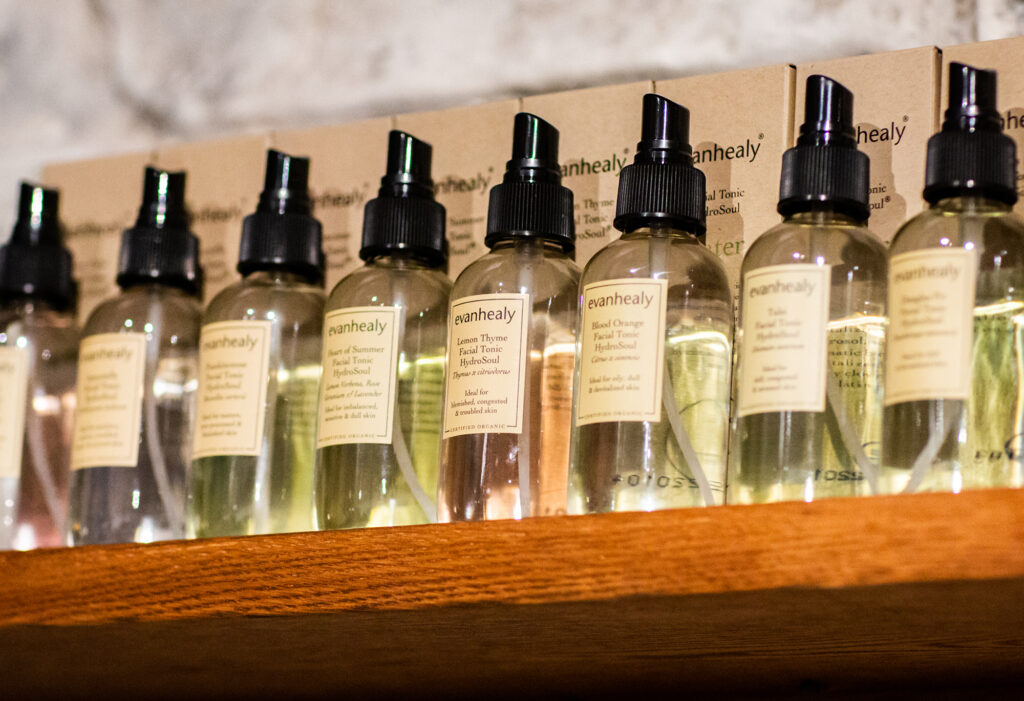
When holistic aesthetician Evan Healy founded the skincare and cosmetics brand Evanhealy in 1999, the terms “clean beauty” and “green beauty” weren’t even in consumers’ vocabularies. Today, it seems like everyone has an opinion on them, especially clean beauty, which has been widely criticized in recent years as lacking a clear definition and depending on fearmongering to sell by demonizing certain ingredients. In light of the maturation of clean beauty, clean beauty brands like Evanhealy, Earth Harbor, French Girl and Inika Organic that have been around for a while are evolving their product mixes and packaging to stay relevant as they reinforce core values that remain top of mind for consumers.
Launched in 2018, Earth Harbor has introduced refills across its line, increased certifications, concentrated on TikTok and brought manufacturing in-house, a move that’s allowed it to enhance transparency. The natural skincare brand sells 35 SKUs priced from $12 to $50. Mermaid Milk Nutrient Glow Moisturizer and Marina Biome Brightening Ampoule are its bestsellers, and it’s carried in retailers the likes of Asos, Whole Foods and Thrive Market.
“The consumer is more educated about everything, and if they aren’t educated about a particular thing at the moment, then as a brand it is prudent to assume that they will be at some point,” says founder Ali Perry-Hatch. “That’s why it’s important as a brand to do anything as sustainably and transparently as possible right off the bat—and be humble and ready to change for the better because inevitably better practices arise and brands will have to alter themselves to meet them. Consumers really care more about knowing the ins and outs of claims and value brand truthfulness and transparency at every step.”
Founded in 2006, Inika Organic unveiled a repackaging in July that elevated its look to be more prestige and sustainable. The Australian natural and vegan makeup and skincare brand has slashed its use of plastic by 86% and become certified plastic neutral. Following the repackaging, Regis Haberkorn, VP of sales for Inika Organic in the U.S., reports its sell-through jumped 2X, and it’s been opening independent retail accounts faster.
Inika Organic has 108 makeup products priced from $22 to $55 and 13 skincare products priced from $35 to $79. The brand’s bestseller is Long Lash Mascara, and it’s available at Neiman Marcus, Pharmaca, The Hut Group, and 150-plus spas and independent boutiques.
Twelve-year-old French Girl will roll out a repackaging next year. “We continually review our image and positioning in the market place and felt it was time to refresh our look while still maintaining our apothecary background,” says global sales director Renee Keel, adding, “As you know, it is a competitive marketplace, and we noticed there was a sea of white or beige packaging with black print. How do you stand out in store if there is no salesperson to present your brand? You need to grab the customers attention and create interest by providing a beautiful product.”
French Girl’s selection consists of 45 products priced from $14 to $72. Its bestsellers are Rose Lip Polish and Nail and Cuticle Oil. The brand is stocked in Anthropologie, Free People, Revolve, Metropolitan Market, and over 300 small retailers in the U.S. and Canada.
Evanhealy has relaunched select color cosmetics items such as its color and glow balms after a short break. Its makeup is certified organic and features wild Chilean rosehip seed oil and Al Amal Cooperative argan oil. “We improved our color cosmetics in terms of payout and performance while expanding our color palette from nudes to more variety,” says Lindsay Geinert, public relations and outreach manager. “Our creamy balms moisturize and nourish the skin while infusing delicate color onto the face. The concept is skincare with color, and our offering is the perfect minimalist palate.”
Geinert highlights that Evanhealy’s perennial emphasis on skin barrier protection, minimalism and regenerative agriculture is resonating in the contemporary beauty industry. She says, “We are founded on the principle, ‘the less you interfere with the skin’s ability to achieve balance, the better,’ and this less-is-more philosophy shines bright with so many new customers that we are meeting.”
Evanhealy’s approximately 80 SKUs are priced from $20 to $60. Its bestseller is Rose Vetiver Day Moisturizer, and its retail network spans Erewhon, Whole Foods Market, Pharmaca, National Co+op Grocers, Sprouts and Natural Grocers.
9. Intergenerational Beauty Businesses
Regan Schneider grew up admiring her family’s passion for innovation and agriculture, and her personal interests skewed toward food science, agriculture, fermentation and product development. She turned those interests into Aremes Fermentis, a natural skincare brand that launched in 2019 and is centered on balancing the skin microbiome using prebiotics and postbiotics, and an in-house proprietary fermentation method dubbed phytofermentation.
Aremes Fermentis is one of three Schneider family businesses. The other two are bath and body product specialist Temecula Lavender Co. and winery Matin Du Bois Vintners. In addition to her work at Aremes Fermentis, Regan Schneider has taken over the reins at Matin Du Bois Vintners, which her father began in 2011.
Discussing Aremes Fermentis, she says, “We have a myriad of scientists as family members that have helped research and develop our formulas, we have members that work in the production of the products, we have business and marketing people, environmentalists, farmers, social media management, and an artist to paint and create the botanical artwork you see on the box of each of our products. We are all multifaceted, and each person provides something very unique and special to the brand and what we are creating.”
Founded by legendary makeup artist Maurice Stein in 1935, Cinema Secrets has kept its line of makeup brush cleaning products and professional cosmetics in the family for over 35 years. Stein’s grandchildren, including CEO Michael Stein, currently handle the brand management and marketing arms of the company.
Dominic Hawksley has ushered legacy brand Olverum into a new age. The brand was launched in 1931 by husband-and-wife duo Edith and Franz Otto Klein with one product, its bestselling Bath Oil. Hawksley’s family operated the exclusive British distributor for Olverum for almost 30 years before the opportunity to buy the brand arose in 2014. Hawksley runs the business with assistance and oversight from his brother and nephew.
Presently, Olverum’s product lineup has 15 SKUs across 11 products. Each is a nod to the Kleins’ fascination with the therapeutic powers of essential oils. Olverum’s latest product is the $40 Body Cleanser. It was in development for five years and went through 40 iterations. Hawksley says, “We took inspiration from the Kleins’ ethos to formulate as if creating a gift without regard for the cost of ingredients and focusing on efficacy and fragrance by using our expertise in botanical cosmetic science, aromachology and aromatherapy.”
The players
5 mentionedAS Beauty

Under Your Skin
Discovered Brands
The Detox Market
Formulate