6 Ways Robert F. Kennedy Jr. And The “MAHA” Movement Could Impact The Wellness Industry
Proponents are cheering the possibility of existing regulatory frameworks crumbling and broader consideration of wellness ideas once judged as extreme. Opponents worry about dire health consequences from the promotion of suspect wellness remedies and a rejection of scientific rigor.
A controversial choice for HHS secretary primarily due to his vaccine skepticism (not to mention his vocal doubts about the causal relationship between HIV and AIDS), Kennedy, an environmental lawyer and former 2024 candidate for president, has to win approval from the United States Senate to occupy the post, although approval isn’t necessary for him to become acting secretary or if Trump pursues so-called recess appointments to push through cabinet confirmations when the Senate is in recess. Kennedy’s Senate approval isn’t guaranteed as many senators have reservations about the pick.
Even if he doesn’t become HHS secretary, Kennedy’s positions are likely to continue to hold sway in the wellness ecosystem, where he’s amassed avid followers, including biohacking bros and crunchy momfluencers. Kennedy initially connected with anti-vaccine activist mothers through his advocacy work with Children’s Health Defense. He joined the board of the nonprofit in 2015.
Nearly a decade later, Kennedy’s nomination has been commended by supporters in the health and wellness industries who laud his declarations that America’s food supply is rife with toxic additives that have to be excised to end the country’s chronic health epidemic. Christopher Gavigan, co-founder of the brands The Honest Company and Prima, is cautiously optimistic about Kennedy’s future impact on health and wellness in the U.S. “It could be a long overdue disruptor…hopefully something very positive like the reimagining of the nefarious imbalance between big pharma and the FDA,” he says. “We need to detangle the monetary tethers of conflicts of interest that values profit over people.”
Uneasy about the authority Kennedy could wield at HHS, Beth McGroarty, research director at think tank Global Wellness Institute, says, “The problem with his thinking is he pits medicine against wellness as opposed to realizing that they both have to be funded.”
Baran Dilaver, founder of wellness brand Wonderfeel, is excited about Kennedy’s nomination because he sees the issues Kennedy raises about the collective health of Americans as not only important but also apolitical. “Let’s not expect government to solve everything, but hopefully this is the start of a long process of both parties owning up to it and competing with each other to do better,” he says.
Below, informed by interviews with brand founders, investors and other wellness experts, Beauty Independent focuses on six areas Kennedy and the MAHA movement could change the wellness industry.
The wellness industry is awash in products propped up on dubious claims that deliver little to no value to consumers, sparking lawsuit after lawsuit. A nearly $54 billion slice of the nation’s $1.8 wellness economy, the American supplement industry is loosely regulated by the United States Food and Drug Administration, which doesn’t approve supplement claims in advance of them launching on the market.
Other countries have tighter supplement regulation. In Canada, for instance, before being available to consumers, supplements must go through an approval process to obtain a Natural Product Number that verifies they meet stringent ingredient standards and are supported by scientific evidence.
On the whole, supplement brands have been gleeful about the potential of Kennedy to diminish the already limited control the U.S. government has over supplements. In a post on social media platform X on Oct. 25, he told workers at the FDA to “pack their bags,” and has pledged to fire every nutritional scientist in the agency on his first day. These moves could stoke supplement innovation, but experts worry they could usher in a new wave of wellness offerings without scientific grounding.
McGroarty says, “It used to be that the wellness world said we need more science. Guys like Dr. Oz, Andrew Huberman are using science to pedal products and sell things to people. They’re science-washing. I think it’s going to spawn a lot of really grifty wellness solutions.”
Companies aligned with Kennedy’s controversial beliefs could be emboldened by the legitimacy his possible role atop HHS bestows and once-fringe wellness remedies and practices could gain steam. Case in point: Kennedy only drinks raw or unpasteurized milk and wants to broaden its distribution in the U.S.
Pasteurization eliminates harmful pathogens, germs and viruses from dairy products and lengthens their shelf life. As economist Emily Oster highlights in an article last month in The New York Times, “Raw milk is more likely to cause disease than pasteurized milk.” Bird Flu was recently found in raw milk sold in California. However, Oster caveats that “the number of illnesses are small” from raw milk consumption.
Sara Jean Impaglia, a Ballerina Farm-esque influencer using the handle get.holistic on TikTok and Instagram, went viral in November for drinking 6-week-old, visibly clumpy raw milk. She deemed it safe and called it a “superfood.” Along with influencing, Impaglia is the founder of Herb House Apothecary, a small batch brand selling over-the-counter product dupes Cold Sore Salve, Scalp Potion and Mullein Chest Salve, which it purports “may help to loosen mucus, reduce inflammation and clean airways.”
Siblings Calley and Casey Means are central figures in the MAHA movement. Casey is a Stanford University-trained doctor and co-founder of glucose monitoring company Levels, and Calley is the founder of Truemed, a service that streamlines the process of buying health, wellness and fitness products with tax-free health or flexible spending accounts (HSAs or FSAs).
The Means’ growing public profile has thrust Truemed into the spotlight. On LinkedIn, Calley Means reveals that Truemed works with 85% of the top Shopify health and wellness brands. Wellness and fitness brands such as MysteryVibe, Personal Fav, Apothékary, Peloton and Crossfit have struck deals with the platform.
As of 2023, HSAs collectively held over $116 billion in assets. Daniel Faierman, principal at early-stage consumer venture capital firm Habitat Partners, maintains the current HSA opportunity is too small to get too excited about, but he says that, if employers offered HSA matching programs similar to 401(k) matching programs, “that would be the biggest unlock for [Truemed]. That would incentivize people to be more aggressive about storing money in it.” Some employers are currently contributing to employees’ HSAs.
“Means is really trying to shake the system to its core,” says Dilaver of the Truemed founder. “There should be more Trumeds. There should be more money going to similar companies.”
Still, the Means siblings’ proximity to RFK Jr. is expected to assist Truemed’s business. They’ve been counseling Trump on health matters, and Calley Means is an advisor to the Trump transition team. Rumors have swirled about the Means scoring positions in the Trump administration.
Not everyone is completely happy about their mounting influence. On Nov. 23, Jessica Reed Kraus, a former mommy blogger and conservative writer of the Substack “House Inhabit,” published a post entitled, “The Means Family Agenda: Holistic Health or Covert Corporate Power Play?” In it, she covers speculation that the Means are overlooking “critical health issues while consolidating control over public discourse.”
Regardless of the Means’ motives, Truemed’s model fits snuggly into the MAHA movement’s prioritization of proactive health and preventative care over prescription medication. Derrick Chase, founder of CBD beauty brand Flora + Bast and psychedelic microdosing brand Psilouette, is a fan of the proactive approach that steers people outside of traditional Western medicine. He says, “RFK’s antagonism of mainstream medicine is very encouraging to me, and his personal emphasis on nutrition, exercise and other forward-thinking health practices is in stark comparison to his political counterparts.”
GLP-1s have been the injectables du jour for years, but wellness enthusiasts willing to dabble with not-quite-legal therapeutics are going beyond them by injecting a bevy of peptides for wellness purposes. BPC-157 is a peptide purported to have anti-inflammatory benefits; thymosin alpha 1 is a peptide believed to support immunity; and there are a number of peptides marketed to men to augment testosterone and ease workout recovery.
An Instagram search on “peptides” unearths dozens of brands selling injectable peptides in direct-to-consumer distribution. To the dismay of peptide proselytizers, select peptides have been determined by the FDA to be category 2 drugs or drugs with significant safety risks that face restrictions on compounding and sales.
Kennedy shares their dismay. On social media, he’s commented peptides advance “human health” and have been suppressed by the FDA. He’s anticipated to remove barriers to their proliferation, and the contemporary peptide black market will be able to come out of the shadows. For wellness entrepreneurs who are believers in the power of peptides, the prospect of regulatory impediments to them being eradicated is thrilling.
Katy Whalen, founder of telehealth company Joi Women’s Wellness, has been disappointed by the FDA putting peptides on the list of category 2 drugs. She says, “This has inadvertently created a black market with little oversight, an outcome that does more harm than good. These restrictions have affected us both as a company and as individuals. Many of these peptides, when compounded in U.S.-based pharmacies and used under medical supervision, showed no adverse reactions and have tremendous therapeutic benefits. As a company, we believe consumers should have access to life-changing therapies as long as they are safe and patients have been provided informed consent.”
Fluoride, a mineral added to a majority of the water supply in the U.S. to fight tooth decay has been enemy No. 1 among the MAHA community, and Kennedy has said that Trump will look to end the practice of water fluoridation.
Anti-fluoride advocacy isn’t baseless. Extremely high levels of fluoride are known to cause neurotoxicity in adults, and a meta analysis of studies on its effects on children found strong indications that it may adversely affect cognitive development. On top of demanding the removal of fluoride from American water supply, Kennedy and his MAHA peers eschew traditional fluoride toothpaste, which has been a standard since 1975.
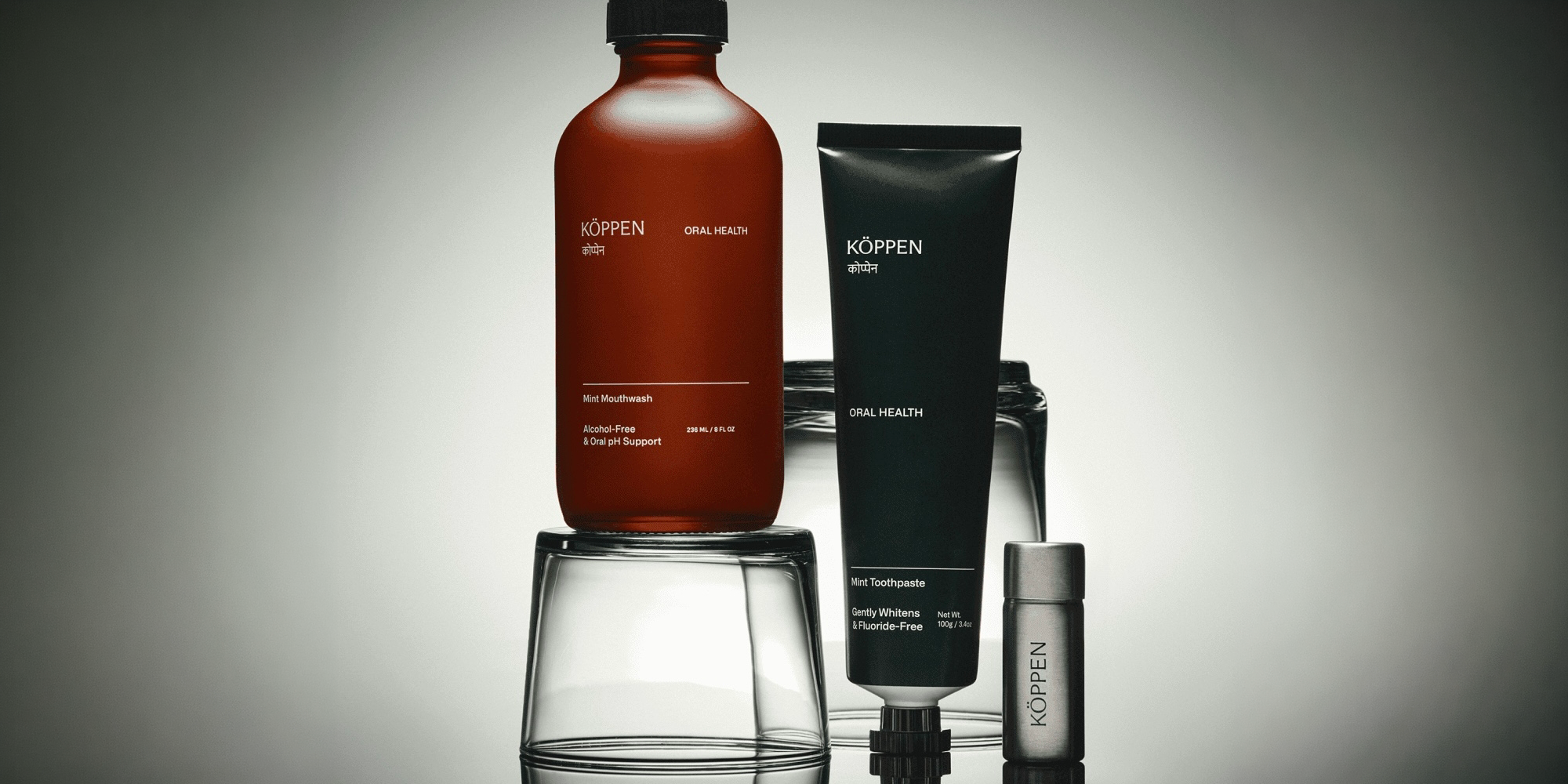
Oral care upstarts are sensing an opportunity. The category has seen an outpouring of challenger brands of late with fresh branding and ingredients marketed as better-for-you—many of which, like TikTok viral brands Better Biöm and Boka are proudly fluoride-free. Leading government officials voicing concerns about fluoride could whip up tailwinds for emerging oral care brands.
“The question I’m going to ask myself as an investor is, does that swing into the entire oral care industry?” says Faierman. “There’s some amazing products in the toothpaste space that are startups, emerging brands that have been very loud about being fluoride-free. Does that empower those brands to further scale as there’s heightened consumer awareness surrounding the risks with fluoride?”
Kennedy has been vocal about his desire to make American food healthier in an effort to combat chronic disease and obesity. He’s identified ultra-processed food as a leading cause of chronic disease, the treatment of which accounts for 90% of U.S. healthcare spending, and ingredients in it are likely to receive greater attention if Kennedy becomes HHS secretary. Beauty and personal care ingredients could be next.
The beauty and personal care industry hasn’t been totally averse to stronger government oversight. Passed in 2022, the Modernization of Cosmetics Regulation Act (MoCRA) was championed by the Personal Care Products Council, a beauty industry trade organization. The legislation expanded regulation of beauty and personal care by, among various requirements, stipulating that beauty manufacturing facilities be registered and serious adverse events be reported.
Kennedy may heighten the scrutiny of beauty and personal care by zeroing in on certain beauty and personal care ingredients, but it’s unclear what the scrutiny could mean for the beauty and personal care industry and what its response would be to it. Faierman mentions Kennedy has taken aim at food dyes and could do the same with ingredients in beauty and personal care products like benzene, a chemical known to be a carcinogen that’s been found in sunscreens, deodorant sprays and dry shampoos.
“Is he going to create a list of ingredients within beauty products that he is going to try to ban for multinational corporations?” asks Faierman. “I’m very curious to see how that plays out.”
Kennedy is no stranger to illicit substances. He’s remarked that his own heroin use helped him study and embraces cannabis legalization and psychedelic therapy. Cannabis and psychedelic brands have been navigating conflicting legislation on the federal and state levels, leaving them—at best—in a confused holding pattern. They’re hoping for clarity with widespread legalization and decriminalization of cannabis and psychedelics like psilocybin.
Chase is bullish on Kennedy facilitating drug policies that will ignite sales for cannabis and psychedelic therapy brands. “RFK will have success in rescheduling cannabis and other naturally derived psychedelics, though decriminalization will be difficult—[see] Oregon,” predicts Chase, referring to the state’s September rollback of a 2020 drug decriminalization ballot measure. “I believe RFK will design an accessible format for intentional and therapeutic uses of cannabis and psychedelics.”
Another substance embraced by biohacking Kennedy supporters like podcasters Joe Rogan and Huberman is nicotine. Huberman has dedicated episodes of his podcast, “Huberman Lab,” to discussing the cognitive benefits of nicotine, and Bulletproof Nutrition founder Dave Asprey has asserted nicotine is a nootropic.
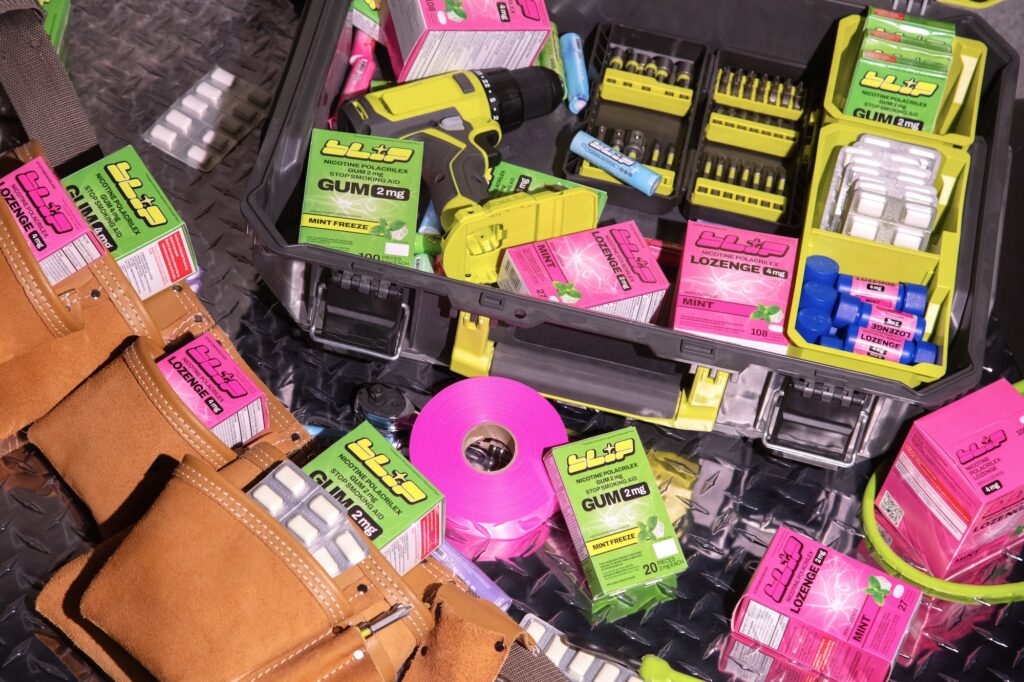
Nicotine replacement therapy products like those from brands Blip and Jones and non-therapeutic nicotine product brands like Zyn may gain from Kennedy’s stances. He was photographed carrying a Zyn packet in the midst of the scandal involving Olivia Nuzzi, a former writer for New York magazine who was in an extra-marital personal relationship with Kennedy.
Alyson Lord, co-founder of Blip, says she’s most concerned that the brand’s products are readily available to consumers who may be anxious following the presidential election. Blip is sold on Amazon and at CVS. “We know that uncertainty leads to stress, which often brings up old habits or accelerates current ones like smoking, vaping and pouching,” she says. “Being OTC rather than recreational nicotine, any changes most likely won’t be a huge adjustment for Blip. We’re going to keep offering a holistic range of solutions and make it easy to get them.”
The players
5 mentionedToo Faced

Ultra
AS Beauty
Not Your Mother's
Counter