26 Bold Indie Beauty Predictions For 2026
Despite many businesses preparing for President Donald Trump’s tariff regime, its global scope and the drag it placed on consumer sentiment proved difficult to plan around. Small businesses, operating with little cushion to absorb prolonged cost shocks, were slammed as margin compression rippled through the global supply chain.
At beauty brand consultancy AB Creative, founder Aggie Burnett watched scores of indie brands buckle under the pressure. Yet, perhaps counterintuitively, she also saw a subset thrive as consumers kept buying beauty even as they worried about job security and the cost of living. And while beauty lumbered along at single-digit growth, according to market research firm Circana, it still outpaced GDP growth in the United States.
“There was so much polarity. I haven’t seen so many closures of indie brands in my 15-plus years in beauty,” says Burnett. “Now, with that being said, I’ve also been seeing the biggest and highest wins for some of our brands. That’s where I see this huge polarity. It’s not that everyone is not doing well. In fact, we are seeing our brands doing really well.”
For the brands that gained traction, TikTok and Amazon were often the accelerants. The platforms came out swinging in 2025, grabbing share from established retail players and giving indie brands new paths clear of traditional gatekeepers.
“This was for us the first year we’ve had such that TikTok has impacted so much of our business. It’s been wild,” says Leilah Mundt, founder and CEO of brand development, sales and marketing firm Crème Collective. “There’s no faster path to growth, but it’s also tricky to figure out and expensive.”
Beauty marketing consultant Anna Vale views that volatility as a feature, not a bug, of the next era of beauty commerce, one increasingly ruled by algorithms that reward attention and participation. Brands that don’t adjust, she warns, will be bowled over.
Vale says retailers like Sephora and Ulta Beauty “are no longer neutral shelves. They decide what gets seen, learned and trusted. Brands that understand how to earn attention inside these systems will compound. Brands that optimize only for sell-through will struggle to stay relevant.”
At the same time, she continues, “Community has shifted from a brand asset to a growth channel. Community participation now drives demand. Reviews, routines, cohort feedback and creator-led education are influencing purchase decisions before paid media ever enters the picture. This changes acquisition economics. Demand that originates inside a community is cheaper, stickier and harder to displace.”
The upshot? Beauty is entering a period where AI is rewiring how brands earn distribution, attention and trust, and where an algorithm change can make or break momentum overnight. With AI’s ultimate imprint still unknown, the 26 predictions below map the opportunities, communities and economics indie beauty is leveraging as it adapts in 2026.
Retail Reinvented
In 2025, beauty retailers made moves to align themselves more closely with content creators. Sephora launched its affiliate platform MySephora Storefront in October to gain a stronger foothold in the $250 billion creator economy. In the spring, Ulta Beauty unveiled Ulta Beauties, its first-ever internal ambassador program, to incentivize store associates to craft content for the retailer’s social media channels.
As influencer- and user-generated content continues to power commerce, particularly among younger consumers, beauty retailers will make bigger bets to leverage it in stores, where the majority of their business is still transacted. Susannah Dellinger, founder and CEO of retail field team agency Bright Beauty Connect, figures retailers will transform physical spaces to incorporate in-store livestream studios, podcast recording corners and self-serve video bays, where influencers and customers can make content, not just consume it.
“Department stores are uniquely positioned here,” she says. “They have endless square footage and deeply need a new identity. Becoming a creator playground may be their fastest path back to cultural relevance.”
Leslie Ann Hall, founder and CEO of beauty media agency Iced Media, imagines retailers like Sephora and Ulta could lean into “low-infrastructure, high-value programs” around creators to propel traffic and loyalty. “This could take many forms like incentive programs for micro-creators with exclusive store hours, early access to newness, concierge services or free same-day delivery,” she says. “For consumers, the retailers can expand brand-led events to incorporate creator education and shop-alongs.”
Scoring shelf space at the most coveted retailers has become a blood sport, and brands are hunting for other venues where they can connect with consumers. Their latest gambit is breaking into “c-stores,” insiders’ shorthand for convenience stores, including national and regional chains like 7-Eleven and Casey’s General Stores. C-stores are warming to emerging brands to freshen up their assortments and draw younger consumers demanding better-for-you products with modern design. In September, 7-Eleven opened applications for its emerging brand accelerator Brands With Heart.
“We’re already seeing wellness brands move into convenience and that momentum is likely to continue into 2026. Their assortments reflect it as well,” says mass retail expert and AllOut Advisors founder Jane Merten. “At Casey’s, for example, wellness SKUs such as Olly Stress, Immunity and Sleep [products], Neuro Gum for energy and focus, and The Patch Brand’s Energy and Sleep patches are already on shelf. These products are tightly focused on immediate needs and quick decision-making, which aligns with how consumers shop convenience.”
C-stores have thousands of locations in every nook and cranny of America. In November last year, Casey’s General Stores acquired Fikes Wholesale, owner of CEFCO Convenience Stores, bringing its total store count to approximately 2,900, more than Target’s and nearly double the number of Ulta Beauty stores. New brands at c-stores will generally have regional rollouts to test markets and consumer receptivity. Merten shares that convenience store chains desire clear proof of velocity, simple consumer messaging and operational readiness before expansion.
“Products need to be instantly understood, portable and priced for impulse, with strong performance expectations from day one,” she says. “It can be a compelling discovery and trial channel, but it is unforgiving. Margins are tight, shelf space is limited, and there is little tolerance for slow turns. Brands that succeed are designed specifically for on-the-go use and distributor-led scale.”
If you thought beauty pop-up madness couldn’t get any madder, just wait. In a crowded industry, beauty brands will be tripling down on large-scale, out-of-the-box activations to grab customers’ attention, compel loyalty and strengthen retail partnerships at a time when the stakes for survival have never been higher.
Retail activation and event escalation was on full display in 2025. Ulta debuted Ulta Beauty World, its first-ever consumer-facing beauty event, in Texas this spring, attended by almost 200 beauty brands and 1,500 shoppers. K-Beauty World, a South Korean beauty retail platform curated by wholesale distributor Landing International, hosted a traveling pop-up installation called K-Beauty Mart that mimicked the vibrant aesthetics of South Korean convenience stores in the lead-up to its debut at Ulta this summer.
The activations are happening because Dellinger reasons field teams alone aren’t enough to move the needle at brick-and-mortar retail. “The traditional rinse-and-repeat retail game as we know it is over. Brands are asking for our help creating national cultural buzzy moments…with themed experiences inside major retailers that look more like pop culture drops than traditional retail,” she says. “They’re even coming to us for experiences that have nothing to do with beauty at all like album listening parties, food-driven pop-ups, cooking demos, daytime discos and creator meet-ups.”
With artificial intelligence-driven language models (LLMs) transforming beauty discovery and shopping, industry experts predict the role of direct-to-consumer distribution to be overhauled next year as shoppers transact directly within AI chat windows thanks to new capabilities like ChatGPT’s Instant Checkout. According to global management consultancy McKinsey & Co, about half of consumers polled in October said they were using AI-powered search while shopping.
Hall prognosticates that increased AI search traffic will kickstart a resurgence in DTC business that will rival the e-commerce upswing witnessed during the pandemic. “We’ve been calling post-COVID the kind of return to retail era, but we expect that some of the changes to ChatGPT and integrations with the other LLMs are going to increase e-commerce shopping on brand websites to the likes that we have not seen since COVID,” she says. “That’s going to be a boon to a lot of independent brands and challenger brands.”
Kelsie Johnston, founder and CEO of creator and agentic commerce advisory firm KJT Ventures, is less bullish on an AI-driven DTC boom than Hall. She surmises AI agents and social platforms will monopolize future beauty discovery, with shoppers using DTC as education channels to validate their purchases.
“Winners of AI shopping overall will be those who maximize their digital footprint, which spans more than just DTC,” she says. “But with trust as the paramount driver of purchase, brands’ ability to foster trust through creators and social and then defend their positioning with detail on DTC will be those poised to win the long game.”
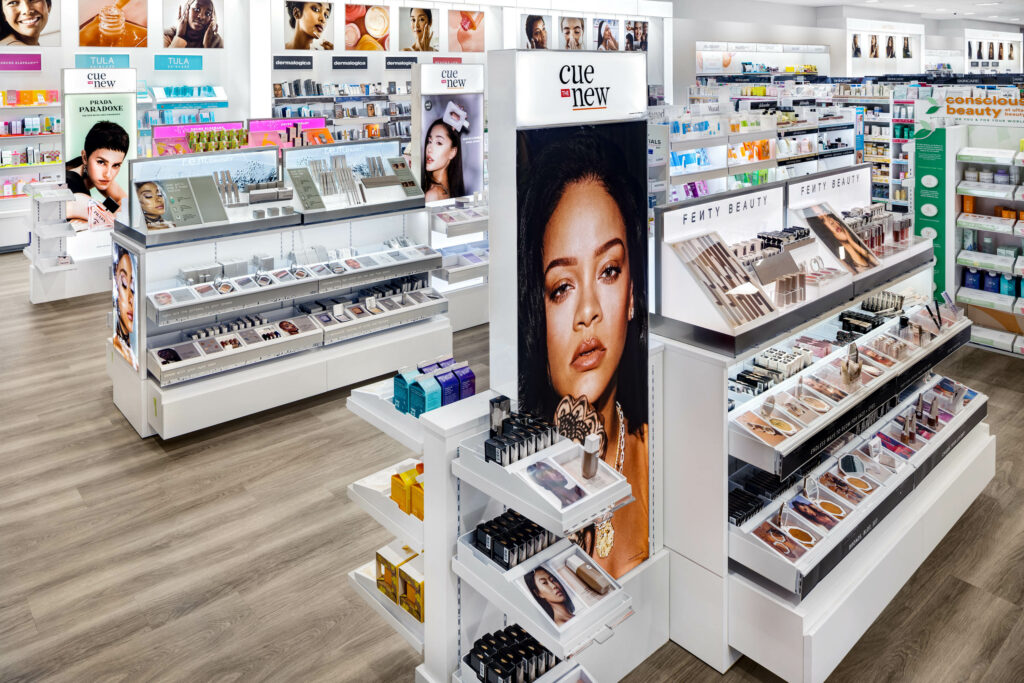
It was a solid year for beauty specialty retail. Sephora bounced back from a relatively soft first quarter by posting a third-quarter jump of 7% as part of parent company LVMH Moët Hennessy Louis Vuitton’s Selective Retailing division. It was buoyed by the largest North American brand launch to date in September, with Hailey Bieber’s Rhode racking up $10 million in revenue in just two days, according to data from market research firm YipitData.
Meanwhile, Ulta returned to growth in a big way under the helm of CEO Kecia Steelman, expanding into international territories including Mexico, the Middle East and the United Kingdom, and rolling out a third-party marketplace in the fall to boost its digital presence. The retailer’s third-quarter earnings reflected the spoils of those initiatives, with net sales increasing 12.9% to $2.9 billion versus $2.5 billion last year and same-store sales up 6.3% compared to 0.6% a year earlier.
Industry experts forecast Sephora will come out on top next year as it jockeys with Ulta for the leading beauty specialty position, but it will face fierce threats to its crown. Neil Saunders, managing director of retail at data analytics firm GlobalData, says, “Sephora’s more popular with the younger crowd and seen as being more fashionable. I think it is a little bit more innovative with the brand positions, but Ulta deserves a lot of credit for strategizing and thinking beyond where they are now and where they could be in five, 10 or 15 years.”
Kelly St. John, founder and CEO of beauty brand growth consultancy KSJ Collective, posits that lapping the Rhode launch in a “softer demand environment” could present challenges for Sephora next year. “Sephora’s momentum is still heavily tied to event-driven launches and brand moments. Ulta’s growth is coming from systemic levers,” she says. “International expansion, its marketplace strategy and a renewed focus on value, loyalty and accessibility have positioned it to capture a broader consumer base in a more uncertain economic environment.”
Soon, Guess and Slate Brands’ usage of the AI-derived model and influencer Vivy and Iris Lane, respectively, and the backlashes they instigated will seem quaint. Startups such as Flock, Modelia, Creati Studio and Better Studio are proliferating and so are the images and videos they generate featuring digital models wearing the latest fashions and beauty products.
With its technology, Flock touts that beauty brands can showcase their products on every single skin tone. It also can switch up backgrounds, body shapes, ages, expressions, poses and much more. From its AI images, the startup reports its clients are registering a 30%-plus increase in conversion, 10X cost savings and 32% reduction in cart abandonment.
Eventually, Flock co-founder and CEO Manvitha Mallela, a former merchant at Walmart, envisions e-commerce shoppers being served AI model images in real time tailored specifically to what they want to see and buy from. Asked about the potential impact of AI replacing human models, Mallela responds that brand creative teams remain essential and new jobs are emerging such as AI stylists and process coordinators.
She says, “Nothing gets made accurately without that AI being trained and understood…And, for models, there’s opportunities where they get digitized, and they can do it with lower cost usage and be featured across more areas.”
Demographic Power Shifts
2025 was a banner year for gen alpha beauty brands. In addition to Sephora launches from Sincerely Yours and Evereden, new entrants such as Foxly, Erly, Saint Crewe and Yes Day arrived on the market. In 2026, that gen alpha ambition will spread to the wellness category.
The supplement push has already started. Kids’ supplement brand Hiya, which was acquired by manufacturer Usana for $260 million in December 2024, is projecting more than $100 million in annual sales for 2025, with over 1 million parents purchasing products through the brand’s subscription service. Tru Height, First Day and EllaOla are other brands building in the space.
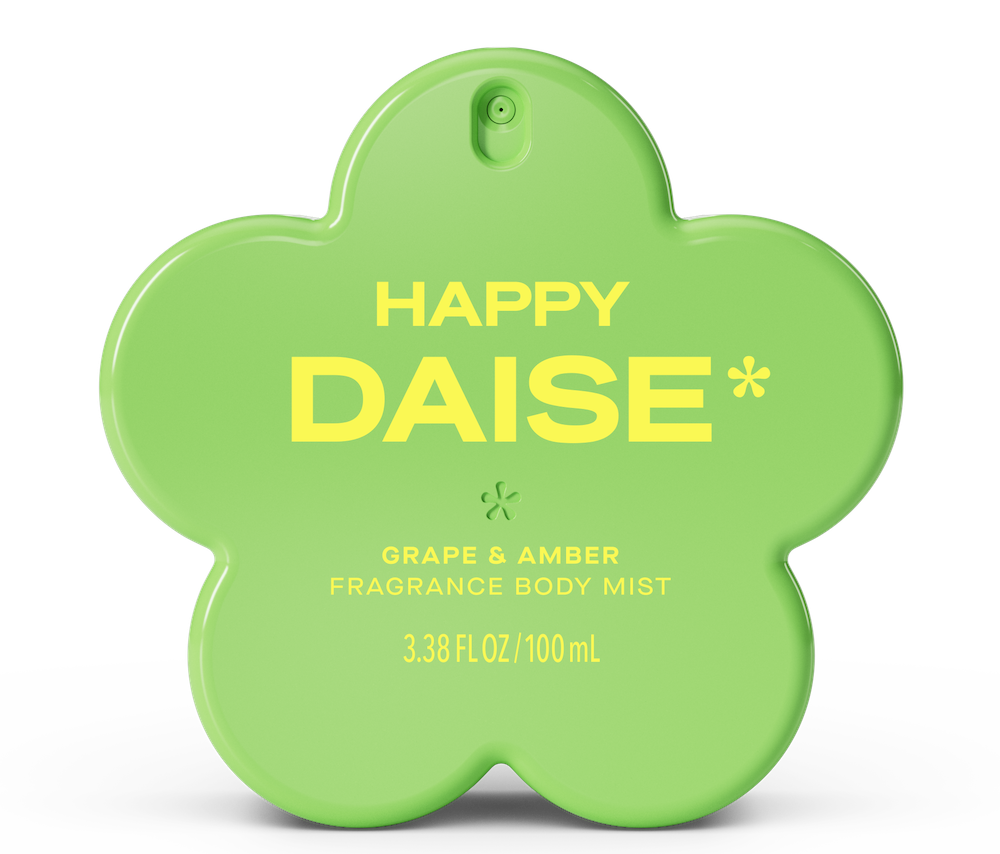
Hybrid beauty/wellness offerings are on the way. When gen alpha-focused body care and fragrance range Daise introduced its body mists, they each boasted a different aromatherapy benefit.
Daise founder and serial beauty entrepreneur Jaimee Lupton observes that gen alpha thinks about wellness in a very intuitive way. “It’s less about rules and more about how things make them feel,” she says. “We’re seeing wellness show up through everyday rituals like body care and fragrance, which feel fun, comforting and easy to engage with.”
In 2026, Lupton sees wellness, mood and self-expression becoming even more intertwined and personalized for tweens. “Gen alpha will be mixing, matching and layering products depending on how they feel,” she says. “Wellness needs to feel optimistic and light, not clinical or intimidating.”
She adds that demand comes from both parents and kids. While gen alpha is undeniably plugged in and drives demand for the products they discover on TikTok, YouTube and Snapchat, the purse-string-wielding parents are the decision-makers. “Parents are a key part of the purchase journey and want products that feel age-appropriate,” says Lupton. “The brands that do best are the ones that balance both—exciting for gen alpha, reassuring for parents.”
For every zig in beauty, there’s usually a zag. This year, Sephora looked to harness the energy from the “Sephora kids” phenomenon and extended brand roster with gen alpha players Evereden, which had already been available at the chain abroad, and influencer Salish Matter’s Sincerely Yours.
In 2025, it’s moving up the actuarial table to diversify its demographics. In a Dec. 7 article, Carolyn Bojanowski, EVP of merchandising for Sephora North America, told the Wall Street Journal, that gen X is the “next big wave.”
In 2025, the retailer introduced Laura Geller Beauty and Molly Sims’ YSE Beauty to cater to the parents and sometimes grandparents of Sephora kids. In the coming months, its gen X-oriented assortment will expand further. U Beauty is landing online at Sephora on Dec. 26 and in 46 stores in March.
But products alone may not be enough to win over jaded gen Xers. The messages must resonate. Rachel Martin, founder of market research firm RemCal Insights, recommends the term “aging well” over “anti-aging,” the integration of skincare holistically into health, visuals featuring people in their 40s and 50s showing real skin, guidance across life stages, and avoidance of “for your age” tropes.
“Assume competence and control. Frame products as tools for people who already take care of themselves, not rescue missions for people who ‘let themselves go,’” says Martin. “Nothing bothers a gen Xer or boomer more than making her feel like she’s lost control of her looks.”
Gen Xers and baby boomers have been making their presence felt in beauty campaigns, trading on their reach to their generational peers and younger consumers’ craving for pre-influencer status with hints of both nostalgia and irony. Martha Stewart has been in campaigns for brands like Lancôme, MAC and E.l.m. Biosciences, the skincare brand she launched in September. Geller, Kristen Chenowith and Debi Mazer have been in Laura Geller advertising, and “Gilmore Girls” actress Kelly Bishop fronted a Bliss Skincare campaign.
“The next beauty era belongs to older women, not just as style icons, but as sex symbols,” says Tara Cohen, founder of Mixst Beauty and former Estée Lauder and Becca executive. “Grandmothers with silver hair, great skin, strong confidence and unapologetic sensuality become the new faces of desirability. The industry stops treating aging as a problem and starts treating it as a form of luxury.”
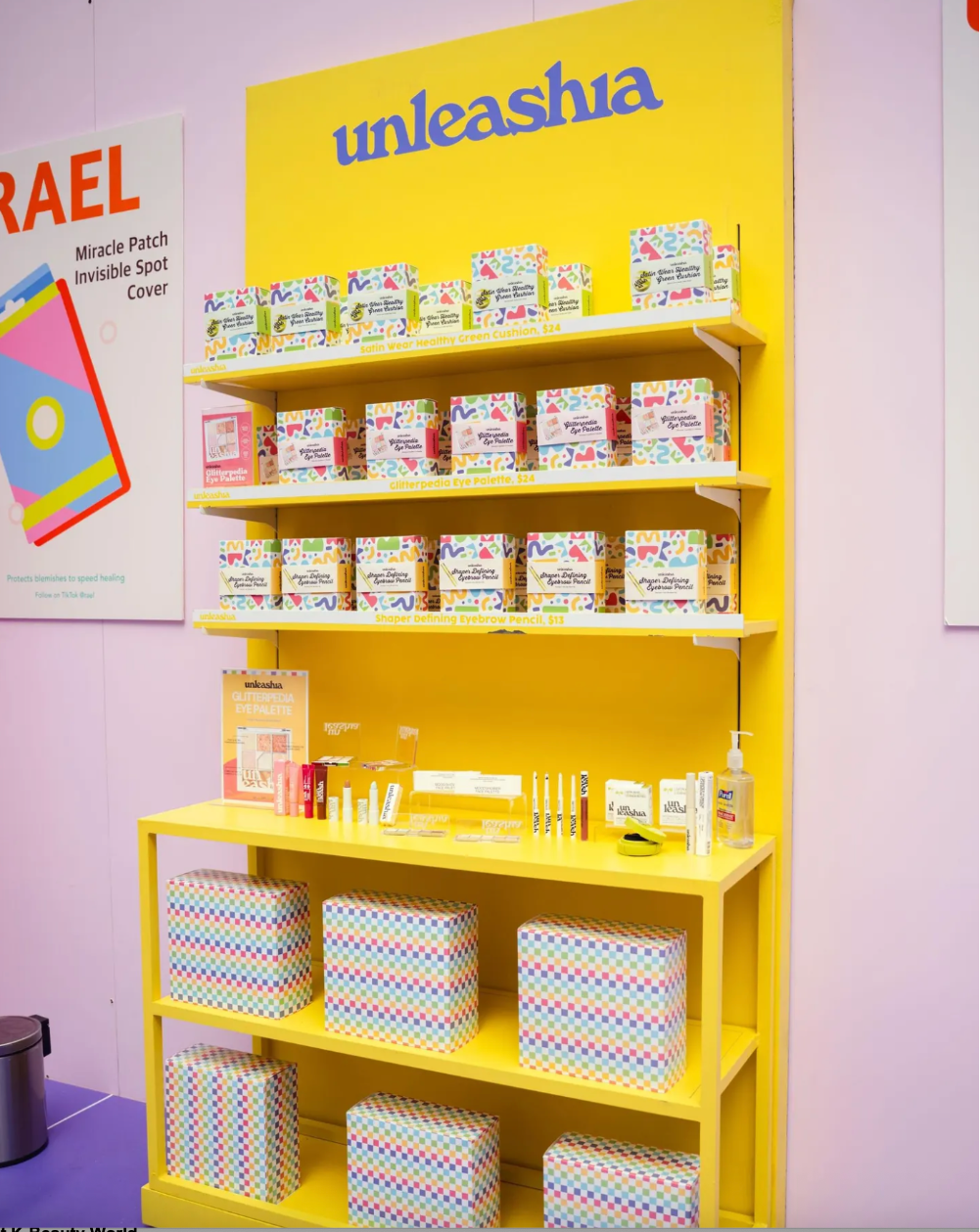
Beauty brands targeted to younger consumers are a dime a dozen, but this year saw a bumper crop of gen zalpha entrepreneurs taking the helm of their own beauty businesses, a trend that’s expected to accelerate. Skincare brands Yes Day and Sincerely, Yours, co-founded by 13-year-old Coco Granderson and 15-year-old influencer Salish Matter, respectively, launched to great fanfare in 2025, with the latter securing exclusive placement at Sephora. Male teens got in on the action by launching multi-brand beauty e-tail sites Utopia Beauty and Kleonne to shake up the industry.
Trey Augliano, the 19-year-old founder and CEO of Utopia Beauty, asserts passion is a factor in gen zalpha’s pursuit of beauty entrepreneurship, but it’s not the only factor. “We are disruptors by necessity, not choice. My generation watched the old guard institutions fail in real time. From the 2008 crash to COVID, we learned that the traditional roadmap of a degree and a stable corporate job is essentially gone,” he says. “If we want a future, we have to build it ourselves.”
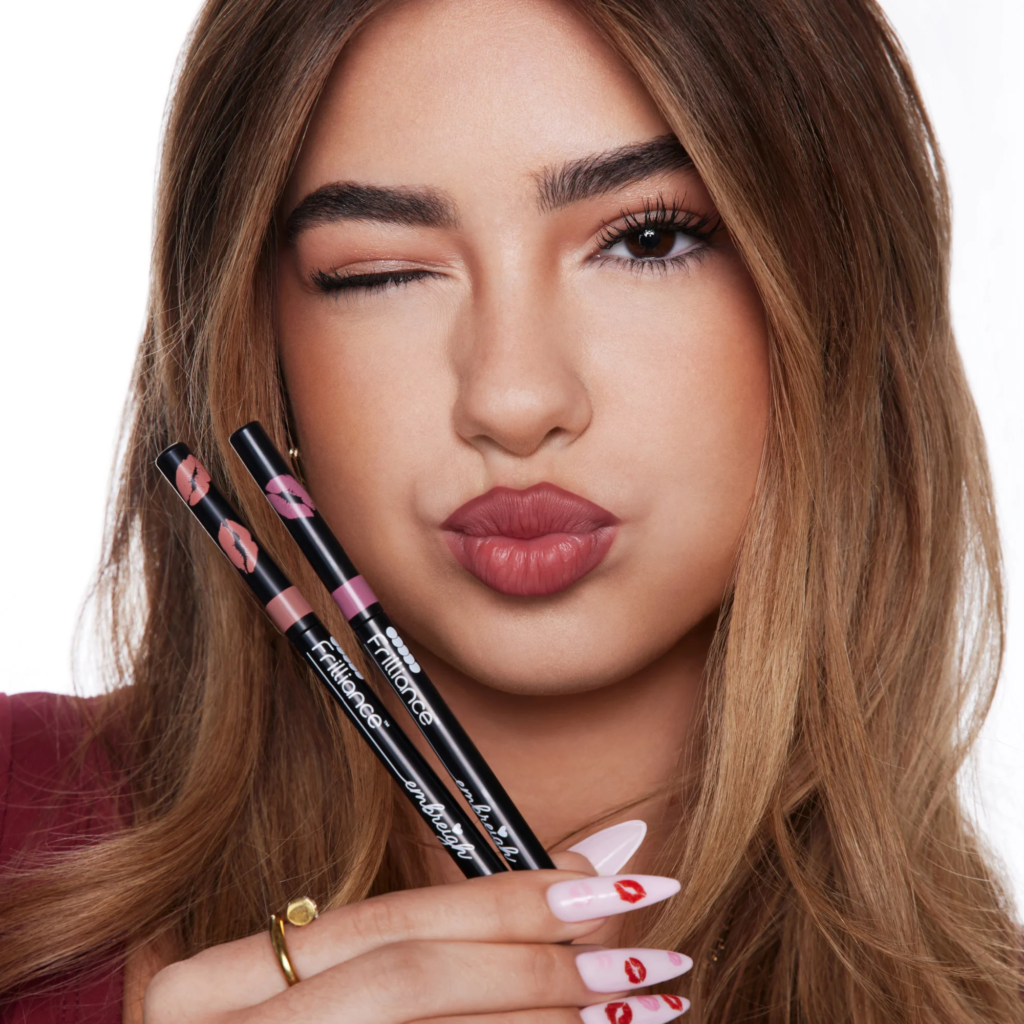
Fiona Frills, who launched teen makeup and skincare brand Frilliance in 2017 when she was a 13-year-old YouTube influencer, maintains that teens growing up in a digital-first world hold different work values than their parents did, making entrepreneurship more appealing. She says, “A lot of gen Z and gen alpha are frightened by a nine-to-five and clocking in and out. I think that stems from social media…and watching influencers.”
Frills emphasizes gen zalpha beauty entrepreneurs value speed, community and social proof over polish. “What we’ll show next year is how quickly you can build something meaningful with a small, scrappy team when you’re deeply plugged into your community,” she says. “Distribution, feedback, and trust now matter more than headcount or budget.”
One rationale behind the vaunted lipstick index, the idea that consumers gravitate toward accessible luxury items like lipstick during economic downturns, is that applying lipstick can confer a perceived competitive advantage in a job-poor environment. If that truism holds, a male facelift index may be on the horizon.
For years, men have been discussed as potential growth multipliers in beauty and, while the men’s category has expanded, it has yet to realize its potential. Next year, it could hit another level.
In October, The Wall Street Journal reported on older tech bros spending tens to hundreds of thousands of dollars on cosmetic procedures to appear younger and stay relevant in an increasingly ruthless job market. As artificial intelligence penetrates the workforce and competition for fewer jobs intensifies, more men may turn to cosmetic enhancements that have traditionally been the province of women, from wrinkle-busting serums to injectable alternatives and dramatic body remodels.
Cohen projects that 2026 will be the year men’s beauty shifts from niche to mainstream. She clarifies it’s “not ‘grooming,’ but true beauty: skin peels, aesthetic treatments, injectable alternatives, complexion products and at-home devices.” She predicts men’s makeup will be sold as matter-of-factly as shaving cream, and brand imagery will pivot toward “real” men (dads, athletes, queer men and aging men).
Efficient Beautinomics
In 2026, Andrew Ross, senior advisor and venture partner at XRC Ventures’ Brand Capital Fund, foresees that the big question for investors evaluating brands will be, “How fast can you prove you deserve to exist?” He says the answer is capital efficiency, and a core metric for assessing capital efficiency is time to self-funding or the speed at which a company can become profitable enough to cover its operating expenses.
Other metrics Ross identifies as underpinning capital efficiency are the path to profitability, strategic capital employment and non-dilutive financing sophistication. Elaborating on the first, he says, “Not, ‘we’ll be profitable at $50 million,’ but ‘we’re profitable at $5 million.’” The second involves breakdowns between direct-to-consumer versus wholesale sales, owned versus paid media costs, and assortment proliferation versus product focus. The third takes stock of revenue-based and inventory financing as well as strategic partnerships.
For Daniel Faierman, partner at Habitat Partners, a key metric is what he calls the CPG burn ratio. A measure of how efficiently brands turn invested capital into sales, he defines it as the last-twelve-months’ net revenue divided by primary capital raised minus remaining cash.
He explains, “In essence, you are comparing a company’s annualized revenue to how much of the capital raised in the past is still left. This is the ultimate test of capital efficiency. As gross margins are fundamentally strong in beauty, a company that is able to generate strong ROAS should jump out to greater than 2X somewhat quickly, within the first few years of business.”
The beauty industry is awash in sleepy brands that, with an injection of resources, talent and renewed energy, could be reawakened. There’s a growing pool of buyers for them. This year, Fundamental Brands acquired skincare brand Amala, Rare Beauty Brands scooped up Kate Somerville from Unilever, American Exchange Group purchased Urban Skin Rx, and Windsong Global acquired KVD Beauty in a deal that marked LVMH-owned incubator Kendo’s first sale. These outfits aren’t done building their portfolios.
Rare Beauty Brands, home to Patchology and Dr. Dana in addition to Kate Somerville, is interested in assuming “hidden gems” from larger strategic and private equity portfolios. In October, president and CEO Chris Hobson told Beauty Independent, “We sense that there are many more brands inside big strategics and private equity portfolios that could benefit from a new, more entrepreneurial environment. As M&A picks up in 2026 and beyond, we expect RBB to be active.”
In the fall of 2024, beauty distributor Amerikas acquired Skyn Iceland out of liquidation. Now, the nearly 13-year-old company, which has a team of about 20 people skilled at retail distribution, Amazon and TikTok, is looking to do more deals, ideally with skincare brands generating $10 million in sales or below.
CEO José Penalba says, “We see that size of going from a $1 million to $20 million brand to becoming a $20 million brand as a real challenge. That’s where we can help. At $2 million, you have proof of the model. Usually, you have product selling through pretty well, but it’s not easy to scale because you need to have a team.”
L’Epoque Parfums, the new fragrance brand from consultant Rachel Green, former executive director at Too Faced and Estée Lauder, purposely sticks to sizes 30-ml. and under rather than the traditional 100-ml. bottle. Its two debut fragrances, Dopamine Rose Extrait de Parfum and Delusions of Grandeur Eau de Parfum, are priced at $100 each for a 30-ml. size.
“The fragrance boom has consumers wanting to consume fragrance like lip gloss, but brands haven’t necessarily figured out how to play at that price point,” says Green. “You often find niche brands that will only sell a 100-ml. bottle, but I think we are going to see more brands play in the 15-ml. to 30-ml. space.”
Lynn King, founder and CCO of Fleurit Parfums, pegs 50-ml. bottles as the new industry standard in fragrance. She describes 50 milliliters as “the ‘Goldilocks’ size that is substantial enough to feel like a luxury vessel on the vanity, but accessible enough to allow for multiple purchases. Strategies that focus on 50-ml. formats and robust discovery sets rather than pushing giant volumes align better with how modern consumers actually use and finish their products.”
It’s not only fragrance brands that are shrinking. At Adisa May, a skincare brand under a year old, 10-ml. sizes priced at $56 and $59 of the products Replenish & Glow and Soothing Radiance Balm are outselling 30-ml. sizes priced at $160 and $137. Aggie Burnett, founder of AB Creative, a brand strategy firm that works with Adisa May, says, “The micro sizes are going to allow people, especially in this economy, to get a taste of the brand without having to invest in the big sizes.”
Proof, Performance And Precision
In a report from Mintel on the future of fragrance, the market research firm highlights that, while “long-lasting” is a significant purchase driver, it’s underutilized, appearing in just 19% of global fragrance claims. Mintel associate director of beauty and personal care Clotilde Drapé writes on LinkedIn that “brands can innovate with fresh terminology, formats and application techniques.” They are poised to do so in 2026 as fragrance primers and other products prolonging wear will crack the fragrance market.
Some have already come into the space. Australian brand Quick Flick released a fragrance primer this month intended to extend the wear of fragrance, while the brand Future Society offers the fragrance-extending primer Optimal Habit.
Katri Haas, co-owner of perfumery Arielle Shoshana, points out perfume wear-extending products aren’t novel. She became acquainted with the concept in a 2016 Allure article that mentions FragranceLock as a perfume setting spray that “creates a film that anchors fragrance to skin and slows evaporation.” Ten years later, she believes it’s a product her customers would line up for. Long wear is especially sought after during economic distress as consumers seek the biggest bang for their buck.
Haas says, “Customers continually ask for lasting power on fragrances and a simple scent amplifying spray or serum would be amazing.”
Protein has been the darling of the wellness world, but iron is ready to take over. Some of the same dynamics that supercharged protein sales are also behind iron’s rise. Many GLP-1 users turned to protein to preserve muscle mass as they lost weight on the drug. But these consumers also found that they lost hair along with the pounds, and iron supplementation is a common treatment for hair shedding.
According to search intelligence platform Spate, searches for iron supplements have been growing by more than 30.6% year over year across platforms, and searches for ferritin, a form of iron common in ingestibles, have risen by more than 23.4% year over year, based on data from the firm’s Spate Popularity Index ending October 2025.
Iron’s soaring popularity has to do with the multitude of benefits it provides. In addition to boosting hair health, iron can support sleep, leading wellness companies to create iron-infused sleep aids like Bumpin Blends’ Cherry Dreams Smoothie, formulated with dark cherries, a natural source of melatonin, plus magnesium, potassium and iron.
Fast-growing kids’ supplement company Hiya launched its Daily Iron+ in March 2024. Hiya co-founder and CEO Darren Litt says parents are becoming more aware of how common iron deficiency can be in childhood and adolescence, especially during periods of rapid growth and brain development, and are looking for smarter, more intentional nutrition solutions. He adds, “Families today expect iron to be thoughtfully dosed for kids, gentle on digestion and made with clean, high-quality ingredients.”
Earlier this year, supplement brand Olly introduced its Delightful Iron, a chewable supplement for anyone 4 and up. “Even though there are iron supplements out there, there’s not a lot of them that are that delightful. That’s what people expect from us,” Olly chief revenue officer Bryan Ferschinger told Beauty Independent. The product’s sales exceeded expectations out of the gate.
When a category takes flight, specialization tends to follow as companies drill down on lucrative niches. Ameann DeJohn, president of beauty strategy agency Ameann Beauty, believes the body care category, a recent beauty industry standout, is entering a phase of deeper specialization. Circana data shows body care and adjacent subsegments have been strong contributors to beauty growth in 2025, with prestige body creams and cleansers as sales drivers along with fragrance body sprays and lotions. The “skinification” of body care, borrowing from skincare with elevated ingredients, and fragrance have been catalysts for body care’s charge.
Specialization isn’t completely new in body care. Topicals has made keratosis pilaris, a condition characterized by rough skin and bumps on the arms, central to the propositions of its products like Slather Bar and Slather Exfoliating Body Serum. The neck has been a body care theme this year, with products like The Inkey List’s Neck Cream and StriVectin’s TL Advanced Tightening Neck Cream generating buzz and buying on TikTok.
Neck skin will persist as a predominant concern in 2026, and brands will be targeting it with new launches. Officially premiering in January, Nakery Beauty is responding to the neck craze with LIFT-TOX Triple-Powered Sculpting Serum. Aside from arms, necks and décolletés, DeJohn envisions more products formulated for the specific issues and traits of skin on the elbows, knees and feet.
“You can have a multifunctional product do multiple things on one area. It can be brightening, hydrating and more for different parts of the body because they are different in the way they are exposed and their amount of pores and thickness,” says DeJohn. “There are so many people who suffer from the thickening of the elbows and knees, and they are realizing you can’t just moisturize that away.”

Clean Claims And Consumer Boundaries
Spring water startup Loonen made headlines last week when it debuted with its “purified, glass-bottled, third-party certified and tastefully balanced with minerals your body needs” water, a launch powered by a $6 million funding round led by Brand Foundry Ventures. Every Loonen bottle is tested to ensure it is free of forever chemicals, microplastics and over 300 other contaminants.
As reports about the ubiquity of microplastics in our bodies and across the planet concern consumers, CPG brands are being loud and proud about their plastic-free status. According to a recent Numerator report on clean living trends, microplastics are an emerging consumer concern, with 86% of consumers expressing some level of concern and 43% reporting they are extremely concerned. These concerns have spurred behavioral changes, including swapping plastic food storage containers for glass and switching pots and cooking utensils to better-for-you or plastic-free options.
Beauty and personal care brands will increasingly tout their products as microplastic-free and spotlight efforts to remove plastics from their products. For example, plant-based supplement brand Ora last month launched a full-scale rebrand featuring 99% plastic-free packaging. In a statement, Ora co-founder Erica Bryers said, “We spent five years testing materials to build a system that performs as beautifully as it protects the planet and to lead the supplement industry toward what’s possible.” Brands like Moon Juice, Esker, Raan and Shimee have centered microplastic-free claims in their marketing.
Fragrance is having a major moment, but signs of resistance are surfacing as consumers push back against scent being forced into shared spaces.
Model and Kora Organics founder Miranda Kerr made headlines last month for the no-fragrance policy she’s imposed on visitors to her house, while Bath & Body Works’ Grand Scentral Station activation pumping smells of vanilla and fresh pine into the 42nd Street subway platform has been objected to over concerns about fragrance allergies and respiratory issues.
“Were commuters given a full ingredient disclosure of what was being pumped into the air they had no choice but to inhale? At the very least, that transparency is a basic right,” says Katie Roering, founder of candle brand Fontana. “I strongly believe that our public air should never be for sale, especially not for marketing campaigns that expose people to undisclosed fragrance compounds, whether synthetic or natural.”
Prima co-founder Jessica Assaf shares a similar sentiment that appears to be burgeoning among consumers. She launched a Change.org campaign in October urging Uber and Lyft to implement fragrance-free ride options. It has attracted over 500 signatures. Assaf says, “While putting on perfume is a personal decision, many of these external fragrance exposures in Ubers and Lyfts, hotels and now even New York City subway stations are totally out of our control, and there’s no consumer consent.”
She’s particularly worried about exposure to synthetic scents. She elucidates, “I’ve spoken to countless people who experience immediate effects of synthetic fragrance exposures like migraines and nausea, and unfortunately none of us really understand what can happen long term.”
Way-Out Wellness
If 2025 was the year of premium pet beauty, 2026 will be the year of pet wellness. The latest pet product innovations go beyond human-grade fresh food and probiotic dog treats. Wellness tech company HigherDose made waves last month when it debuted an Infrared PEMF mat for pets. Some may balk at a $599 ($749 for the large size) pet bed, but co-founder and co-CEO Lauren Berlingeri is confident pet wellness has big prospects. Some consumers are willing to pay hefty premiums for their furry family members’ well-being.
“Pet wellness isn’t a trend just like human longevity isn’t a trend; it’s a reflection of how deeply people see their pets as family,” says Berlingeri. “As we invest in prevention, longevity and optimizing our homes for our own well-being, it’s only natural we extend that same care to our animals. Pets face many of the same modern stressors we do, including inactivity, inflammation, indoor living and processed food, and people want them to feel good, recover better and age healthier.”
Earlier this month, Okava Pharmaceuticals revealed plans to start a clinical trial of cats’ GLP-1 use for weight loss. Pet longevity is popping off, too. In April, biotech outfit Loyal reached its goal of enrolling 1,000 dogs for clinical trials on its developmental longevity drug LOY-002, which is purported to extend senior dogs’ healthy lifespan. It raised $22 million in funding in February. German tech company Equusir makes health tech devices for dogs and horses, including Best-Box and Blankets, which is priced at $5,300 for the horse version, to reduce stress and speed up recovery. The Best-Box even creates a report that provides a detailed analysis of an animal’s energetic state and offers tailored recommendations to improve health and performance.
As these advanced products suggest, Berlingeri contends that the future of pet wellness will mirror the advancements seen in human longevity. “We will see a more personalized and preventive approach, where everything from nutrition to recovery is tailored to each animal,” she says, adding that wearables tracking a pet’s biometrics and gait and customized supplements based on blood work are on the way. “Our mission is to evolve the home into a wellness environment for the entire household, including our animals.”
As wellness protocols have gotten increasingly invasive and medicalized, enthusiasts are eschewing their squeamishness to undergo blood-purifying procedures that make platelet-rich plasma (PRP) and research peptides look like child’s play. Longevity-obsessed biohacker Bryan Johnson stopped his scandalous plasma transfusions, in which he underwent monthly transfusions using his teenage son as the donor, due to a lack of discernible benefits and warnings from the United States Food and Drug Administration about potential harm, but interest in blood-centered therapies, including therapeutic plasma exchange, ozone therapy and microplastics removal, is skyrocketing among the most extreme wellness aficionados.
Well-heeled wellness aficionados, that is. Vanity Fair recently profiled self-proclaimed “blood concierge” Nicko Argento, who will customize blood via experimental therapies in the name of optimum health and longevity, for a hefty $250,000 a year. Orlando Bloom spent $13,000 to filter microplastics out of his blood.
Katie Kaps, co-founder and co-CEO of wellness tech company HigherDose, originally discovered blood ozone therapy while detoxing from mold exposure. While her initial treatment was an all-day affair in 2022 at a far-flung wellness destination in the mountains, she now gets the therapy at medical practice Next Health, which has offices in cities around the world, pointing to the adoption of such treatments in recent years. Kaps says, “It’s incredibly effective for reducing systemic inflammation, improving mitochondrial function and helping the body clear lingering toxins like mold.”
Kaps has also done therapeutic plasma exchange (TPE), similar to Johnson. She says it’s the only treatment she’s tried that has meaningfully “cleaned” her blood in a measurable way. “While it isn’t marketed specifically for microplastics removal, it does remove inflammatory proteins and environmental residues very effectively. It also creates a very real ‘clean reset’ feeling,” shares Kaps.
Overall, the wellness entrepreneur is bullish on these bleeding-edge blood therapies. “I actually think both ozone therapy and TPE are important for people to know about, especially now, when we’re exposed to so many environmental toxins that are completely outside our control, like mold, plastics, pollutants and chemical residues,” says Kaps. “These therapies are one of the most effective ways to clear out these toxins.”

When ultra-luxe wellness destination Meraki Wellness opens on Grand Cayman’s breathtaking Seven Mile Beach in February, it’ll bring an unlikely spectacle to the Caribbean: snow. The finale of the 16,000-square-foot facility’s co-ed, guided (by a spa butler) 45-minute hot-and-cold contrast therapy circuit is an indoor snow room, complete with curated music and Northern Lights effects. Husband-and-wife team and wellness industry veterans Peter and Shula Clarke came out of retirement to create the wellness destination at the behest of developer Fraser Wellon. The buildout has taken nearly seven years.
This hydrotherapy odyssey, where spa-goers transition from hot to cold, has seven elements, including the snow room. “In the snow room, you can throw snowballs at each other there. It’s great fun,” says Peter. Shula calls the experience “magical.” She adds, “It brings a little bit of joy and happiness to something that’s quite serious.”
Contrast therapy has been used in wellness routines around the world for millennia, including rolling in fresh snow. “It’s not a play area. You don’t just go in there and hope for the best,” says Peter. “It’s guided and curated. The journey is very specific, and if you do it the way we’ve designed it, the results, benefits and how you feel will be tremendous.” Among those benefits are enhanced circulation, a boosted metabolism and skin tightening.
As contrast therapy, saunas and cold plunges, especially communal ones, have exploded in popularity in recent years, concerns have emerged about the safety and efficacy of cold plunging, particularly for women. There are questions about how deeply unpleasant the experience can be, an endurance test for some, but a deterrent for many. Snow rooms offer a more whimsical alternative to a tub of frigid water. TechnoAlpin, which commands roughly 70% of the global market for snow-making equipment for ski resorts, has expanded into climate-controlled indoor snow rooms for upscale spas. TechnoAlpin has introduced SnowSky, a continuous snow shower that can operate in a more compact footprint than a full, temperature-controlled snow room.
Lisa Starr, principal of Wynne Business Spa Consulting & Education, says that, while snow rooms can be as cold as minus 10 degrees Celsius, “it is a gentler cold.” She expounds, “It does not shock the system the way a cold plunge can. There is also the added benefit of continuing the communal experience with your fellow contrast therapy enthusiasts. You can go from the sauna into the snow room, gather handfuls of snow, place it on your body and enjoy the chill air.”
Snow rooms’ combination of novelty, playfulness and shared experience gives facilities that house them a distinct lure. “They are still not frequently encountered,” says Starr. “I believe these soft cold communal experiences will continue to spark interest for consumers looking to experience contrast therapy and enjoy time with friends, bringing a delightful piece of nature to the indoors.”
Connection As Currency
Practically no one looking for a mate thinks the dating scene is ideal, with many pointing to dating apps as the chief culprit for the bad dating environment. A Forbes survey found that 78% of users admitted to dating app burnout. Failure to find a good connection and disappointment were the biggest reasons cited. With movements like Sit at the Bar September, which sent singles seeking out bar stools, and speed dating and game night events on the rise, brands will try their hand at playing matchmaker.
Phlur is already sparking IRL moments of connection. The fragrance brand hosted couples, friends and crushes at a romantic dinner in Los Angeles and Chicago this month to celebrate its new scent, Afterglow. Guests were greeted by a customized menu, drinks and conversation cards, which were placed on each table. Some attendees even flew across the country to attend, according to co-owner and creative director Chriselle Lim.
“Afterglow eau de parfum is inspired by the thrill of a crush and that electric instant connection between two people. To celebrate those intimate, electric moments, we had the idea of sponsoring date nights and making it about the couples and their connection instead of doing a traditional larger-scale brand event,” says Lim. “It reinforced how much people are craving real-life connection and immersive experiences with their favorite brands, so we are keeping this learning in mind as we plan our 2026 activations.”
Young consumers have sobered up. A recent Gallup survey shows that the self-reported drinking rate among young adults has dipped to 50% from 59% in 2023 as alcohol consumption in the United States hits a 90-year low. To serve the new class of teetotalers, a series of sober wellness clubs are gearing up to expand and open doors in 2026.
Toronto-based wellness club Othership, known for its ice baths, saunas and nighttime gatherings, nabbed $8.5 million in funding from Vine Ventures, Rocana Ventures, Arben Ventures, actress Kerry Washington, singer Shawn Mendes and others this summer to enlarge its U.S. footprint. It currently has two locations in New York City.
The U.S. isn’t alone, and sober clubs are popping up across the pond. Long Lane, a British members’ club and hotel, is slated to open its doors next summer in West Sussex, England. Harrison Hide, co-founder of Long Lane, explains that the prioritization of well-being, the redefining of social connection and the rise of high-quality alcohol alternatives are leading to a cultural shift around the idea of booze consumption.
“For previous generations, nightlife was one of the only reliable ways to meet people, socialize, decompress and feel part of something. Today, there are healthier, more fulfilling alternatives everywhere,” he says. “The new version of partying is about peak energy, connection, expression and feeling good the next day. It’s not that [younger people] don’t want to party. They just don’t want to recover from their social life.”
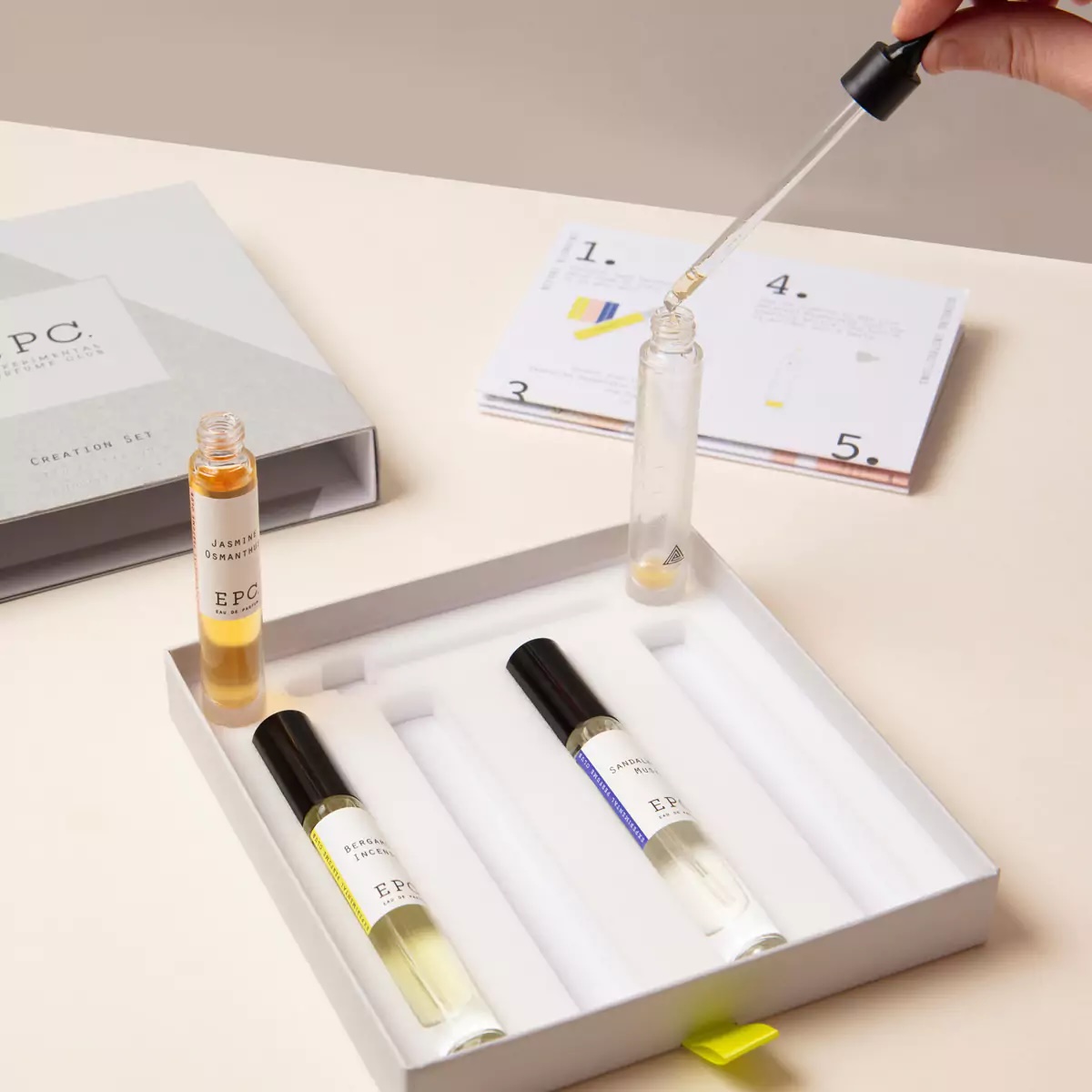
Ensconced in the fragrance category, consumers are keen on experimenting with creating their own scents. Arielle Shoshana hosted Experimental Perfume Club founder Emmanuelle Moeglin at its store last month, and it was booked for four back-to-back days. The brand also sells $125 Creation Sets that contain three fragrances and a personal blending bottle. They’re available for purchase on Arielle Shoshana’s website.
“I think this will be the ‘express yourself’ era, so we’re going to see lots of layering and blend-your-own options,” says Haas. “Furthermore, fragrance consumers are super informed and savvy now. They know what they want and how to do it. The ‘rugged individualism’ element is very much at play here.”
Jeanine Stanislaus and Terry Kezoh launched an S.S.K. (Labs) Fragrance Kit 01 last month to allow customers to mix and match components for multiple unique scent profiles. Each kit consists of an eau de parfum and two perfume oils or huiles de parfum that can be worn solo or layered together. Oils are included because of their high concentration and strong staying power. The kit is dedicated to the amber family of fragrance notes and corresponding oils include tonka and myrrh.
There are more S.S.K. (Labs) kits to come. Kezoh says, “As our scent library grows, so will your wardrobe, offering full exploration and total personalization.”
Beauty Globetrotting
K-Beauty has had a phenomenal year, with NielsenIQ estimating that it’s up 37% year over year in the U.S. to about $2 billion, thanks in large part to TikTok virality and retail expansion. The next iteration of the phenomenon will move beyond skincare, makeup and haircare into the home.
According to Beauticslab, an AI-powered beauty tech company that collects data from South Korean retail and marketplace companies such as Olive Young, Naver and Coupang, home fragrance is the hottest category for new brand entry. Since May 2025, 15 new brands in the category have entered the popular retailer Olive Young, making it the fastest-growing segment by brand entrants. Products include Sonoseason’s Phytoncide Room Spray, Daynis’ Deodorizing Diffuser and Ondasoop’s Fig Sachet, made in collaboration with the popular picture book character Miffy.
Beauticslab founder and CEO Min-ji Kim says that, with the rise of single-person households in cities like Seoul, there’s growing demand for products that solve real problems, including “removing musty odors from clothes that can’t be sun-dried in small apartments, freshening up bathrooms and making compact living spaces feel clean and inviting.”
Home products often feature calming notes such as hinoki, phytoncide and fig, which reflect Korea’s wellness culture and connection to nature, and they frequently double as interior décor. “This also makes them popular as gifts,” says Kim. “Beautifully designed diffusers are a go-to choice for housewarming and casual gifting in Korea.”
If Mexico is where beauty placed its bets in 2025, the Gulf Cooperation Council (GCC) made up of Bahrain, Kuwait, Oman, Qatar, Saudi Arabia and the United Arab Emirates is the area beauty will be eyeing for 2026. The focus follows Ulta making its Middle East debut in Kuwait in November in partnership with retail operator Alshaya Group. Sephora has been in the market since 2007 and now operates around 66 stores across the GCC. The retailer’s Dubai Mall flagship is one of its highest-grossing stores globally.
Brands are hoping to tap into the $60 billion opportunity as well. Tower 28, Bubble and E.l.f. Beauty launched with Sephora Middle East this year, while candle and perfume brand Maison Nomad Noé has inked a deal with Chalhoub Group to be in two Abu Dhabi stores and Imaraïs Beauty has partnered with distributor Madi International to sell its supplements in the GCC. Fragrance is of particular interest, but Imaraïs Beauty co-founder Aaron Hefter says, “The beauty-from-within market in the GCC is highly sophisticated and experiencing strong growth in retail, fueled by rising health consciousness, increasing disposable incomes, and a young, engaged consumer base.”
For brands considering journeying to the GCC, Hefter notes that it takes an informed approach to regulatory compliance, product registration and ingredient approval. He advises, “Brands must be prepared to invest both the time and resources required to understand and navigate these regulatory frameworks as doing so is essential to ensuring a smooth market entry and supporting sustainable, long-term growth in the region.”
The players
5 mentionedThe Inkey List

American Exchange Group
Bliss
Topicals
Windsong Global