25 Bold Indie Beauty Predictions For 2025
The beauty industry has been downshifting this year, trying to adroitly reorganize around single-digit growth versus the double-digit growth it achieved in prior years. There have been casualties of the downshift. Lofty expectations for beauty mergers and acquisitions in 2024 went unfulfilled as both buyers and sellers couldn’t settle on the right terms for the uncertain market. Several brands closed, and others slashed their employee counts, enlisted artificial intelligence tools to make up for lost manpower and pushed back timelines for expansion.
Forecasting that brand closures will carry on, Ameann DeJohn, a beauty industry veteran and founder of beauty product development consultancy Ameann Beauty, points out the costs to compete in the packed beauty industry are only going up. Speaking of indie brands, she says, “I used to say you could do packaging and branding for $50,000. Now, I’m like you should spend at least $100,000 and go big with a brand agency to try and create something that’s completely different.” DeJohn adds, “You can be a legacy brand and put millions in ads and that doesn’t necessarily mean it’s going to move the needle. It has to be across the whole digital landscape.”
Despite escalating costs and the growth downshift, many are hopeful the beauty industry will prosper next year. Paired with the usual beauty industry assets such as high margins, seemingly tireless consumer demand and social media sway, they view the forthcoming administration of President-elect Donald Trump as favorable to the business of beauty in the United States. They’re optimistic it will clear regulatory hurdles impeding companies and welcome Robert F. Kennedy Jr., the nominee for Secretary of Health and Human Services, who they imagine will usher in acceptance of beauty and wellness products outside of the mainstream medical establishment.
But, as the state of beauty M&A this year illustrates, speculation and reality frequently don’t align. At Beauty Independent, we’ve had our fair share of speculative misses. In our predictions for 2024, we hypothesized that retailers would launch tween and teen beauty sections. That didn’t happen, but much of what we predicted did, including indie beauty and wellness brands merging, brands making big pivots and greater usage of fractional executives.
Below, we map out 25 educated guesses about what 2025 might bring. Which ones do you think are spot-on and which ones sound like we’re off our rocker?
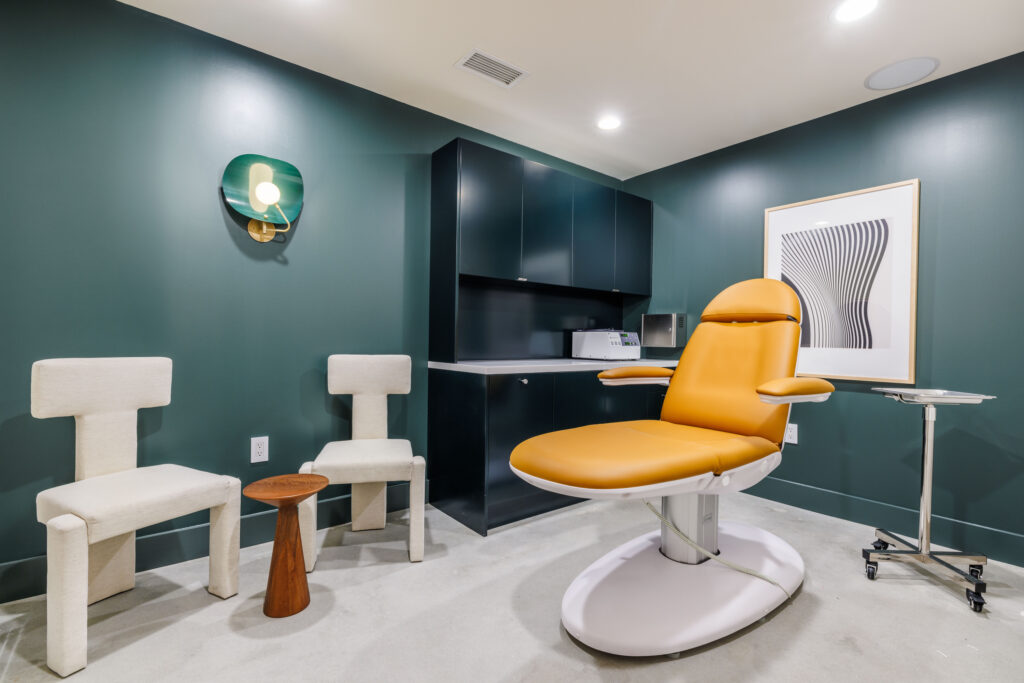
Drybar was hardly the first salon to branch out to a branded product line, but it did so phenomenally well, placing hair tools in Sephora and selling its products business to Helen of Troy in 2020 for $255 million before selling its locations in 2021 to WellBiz Brands, a franchise operator that unloaded the corporate locations to private equity firm Regent LP in 2022. A growing group of ambitious beauty service providers, particularly those in the aesthetics space that have received external funding, want to follow in its footsteps.
In the summer, Manhattan hair loss clinic Great Many launched a line with four products priced from $34 to $49: shampoo, conditioner, growth serum and exfoliating serum. Michael Pollak, co-founder of Great Many and fast facial chain Heyday, told Beauty Independent earlier this year that it was important for the business to jump into product development early, something Heyday didn’t do, to establish its reputation for effective products and generate revenues outside its four walls from at-home merchandise. “We would love to see our products in an Ulta or Sephora,” he says. Great Many has raised $3.6 million in pre-seed funding.
Toronto-based high-tech facial bar chain Formula Fig is slated to release a product line with four to five products, including ones in collaboration with L’Oréal-backed biotech company Debut, in the third quarter of next year. The line is expected to encompass a cleanser, essence, mask and two serums with an average price of around $80. Formula Fig is in the midst of pursuing a series A funding round with the goal of securing $12 million by the end of the opening quarter of 2025.
In November, JJ Walsh, co-founder and CEO of Formula Fig, told Beauty Independent, “At Formula Fig, we’re very much medical-led, and we believe in products that are clinically based.”
Notwithstanding the potential TikTok ban that’s looming in January, social commerce is fast becoming a force to be reckoned with in the U.S. as shoppers swarm social media for the latest trends and products. Elena Severin, former director of brand partnerships at clean beauty retailer The Detox Market and VP of Bleu Beauty, a beauty offshoot of livestream and social commerce company Orca that recently shuttered, recommends brands not wait any longer if they haven’t yet been on board with it.
On the higher end, she estimates agencies charge $5,000 to $10,000 per month to handle a brand’s social commerce capabilities. She adds, “I want to encourage smaller brands that they can find great agency partners with much smaller budgets and should not let budget deter them. They can even start organically with their own teams if there is no budget.”
For brands already on TikTok Shop, Leslie Ann Hall, founder and CEO of paid beauty media agency Iced Media, suggests many aren’t differentiating their assortments enough to win. “We know that the TikTok consumer is much more of a discovery-based consumer that is really primed to shop the trends,” she says. “The beauty consumer is really looking for something unique. They are looking at beauty products and the brands they choose as a reflection of their values or their identity.”
Across social media apps, Hall theorizes that brands will lean into exclusive launches, bundles and custom kits to stand out from competition. Tailored merchandising strategies could help push up brands’ average order values, especially in the case of kits and bundles. “They’re definitely driving up average order value, which is not just benefiting the brand, but also really incentivizing the affiliates who are the lifeblood of TikTok Shop,” says Hall. “The higher price the item is, the greater commission they’re going to get from the sales they bring in.”
Hall believes that luxury beauty brands with a habit of being hesitant to jump on nascent platforms will join the TikTok brigades as their traditional distribution avenues remain challenged. They’ve viewed TikTok Shop with suspicion due to worries about rampant discounting and the potential for brand equity degradation. But TikTok Shop is too massive to ignore. It’s become one of the top five beauty retailers in the U.S., according to market research firm NielsenIQ, and the average order value for beauty on the platform is $30 to $50-plus.
Hall notes that luxury brands’ misgivings about affiliate-created content are particularly acute. “When it comes to affiliate content, we try to guide clients that it’s OK to maybe loosen those reins with the understanding that consumers don’t really believe that that content is sanctioned by the brand,” she says. “They just want to see something that is relatable and relevant to them.”
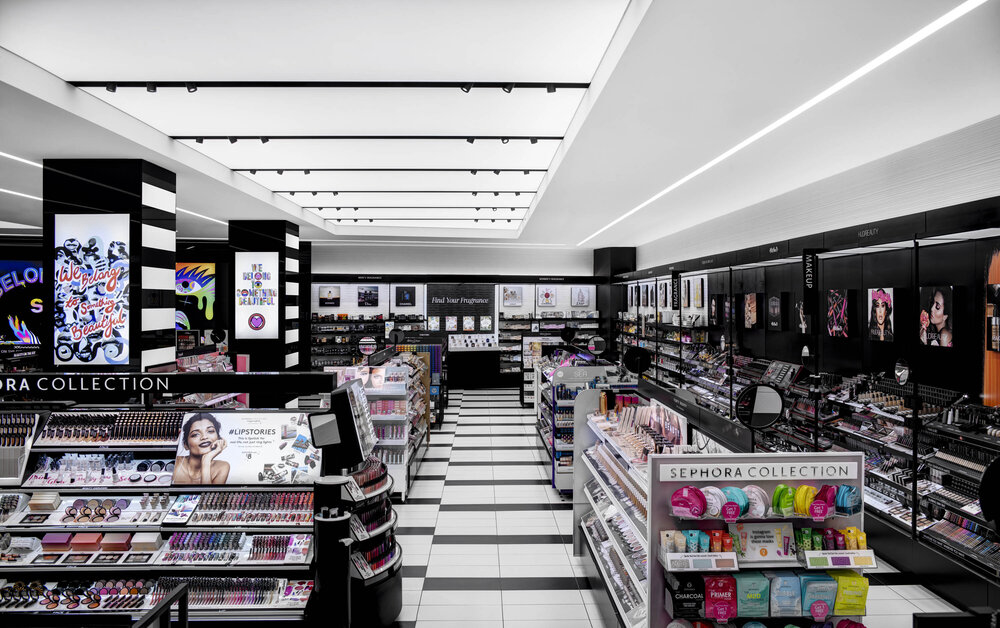
Sephora ruled beauty specialty retail in 2024. In its third quarter financial report, LVMH Moët Hennessy Louis Vuitton exclaims the chain’s performance was “remarkable.” Sales for the company’s Selective Retailing division including Sephora were up 6%. Ulta, meanwhile, notched a 1.7% bump in net sales for the third quarter, beating analyst expectations. It forecasts full-year sales to be roughly equal to last year’s sales, while comparable-store sales are slated to be flat to down 1%.
Neil Saunders, managing director of retail at data, insights and analysis firm GlobalData, conjectures that Sephora won’t cede its beauty specialty retail pole position in 2025, when Artemis Patrick will be going into her second year as CEO. “Sephora gets a lot of things right. It gets the store experience,” he says. “It’s very good digitally. It has a really good track record of showcasing new brands and interesting products with a great loyalty scheme. It’s very attractive to customers for all of those reasons.”
Agreeing on Sephora’s beauty specialty dominance, a representative from Coresight Research, a technology insights firm that estimates Sephora’s sales climbed 17.4% last year, says, “This trend is likely to continue. Based on the previous years’ data, qualitatively, their growth can be expected in the range of double-digit (15%-20%) and may outpace that of larger players like Ulta Beauty, which generates higher revenue.”
Still, Sephora’s competition isn’t disappearing. Ulta will maneuver to entice young consumers who’ve flocked to its rival. Investment bank Piper Sandler’s biannual survey of teens shows Sephora is their favorite beauty destination. Along with Ulta, Sephora is battling Amazon, which has made inroads with high-end beauty brands that have historically been holdouts.
“Sephora will be on top for a little bit longer, but I think Ulta won’t continue to go down. I think it will get its bearings,” says Sonia Summers, founder and CEO of in-store beauty education and sales force company Beauty Barrage. “The reason for that is gen Z likes shopping. We are seeing that that’s who is in store. They like the experience.”
With Amazon set to overtake Walmart as the biggest beauty retailer in the U.S. next year, Sephora and Ulta will need to aggressively fend off its advances. Stephen Letourneau, COO and CBO of wellness group BFYW, prognosticates they will harness their brick-and-mortar prowess to hit back at Amazon.
“Ulta and Sephora are going to have to offer what Ipsy does, which is a free space for creators to create content that they can then also stream,” he says. “At some point, we’ll see them have a little mini pop-up coffee shop with grab-and-go items. They’re going to have to figure out a different business model…that gets you consumers that you’re not getting from other spaces.”
Beauty retailers culled assortments this year and cut back on introducing emerging beauty brands into their assortments as they concentrated on their bottom lines. Saunders refers to culling as “proposition optimization” and defines it as a process in which assortments are assembled through the lens of efficiency. He thinks it will persist in 2025 because consumers won’t shake their spending trepidation.
“That doesn’t mean to say that newness isn’t important,” says Saunders. “I think it’s very important in beauty because I think a lot of retailers want to jump on the next big thing before it happens, but you’ve got to get the balance between newness and efficiency.”
Coresight Research concurs that retailers will embrace lean inventories. A recent report from the firm asserts that they’re “moving away from purchasing excess stock and instead focusing on acquiring products based on immediate needs.”
As opportunities for emerging beauty brands at large chains narrow, they’ll explore regional retail players and taste-making independent shops. Susannah Dellinger, CEO and founder of retail consultancy Bright Beauty Collective, expects regional department stores like Gwynn’s of Mount Pleasant and Kuhl-Linscomb and boutiques like Woo Skincare + Cosmetics to be on their radar as the luxury retail sector consolidates.
After the merger of Saks Fifth Avenue and Neiman Marcus was announced in July, Dellinger told Beauty Independent earlier this year, “I can see some potential bumps in the road ahead for the luxury sector, but also a few great openings for smaller luxury retailers to come into focus…as this merger might create a perception of reduced exclusivity and luxury.”
Brands can partner with trendsetting merchants in suburbs and towns to host events for VIPs in the area and tap their salespeople as influencers. In a note of caution, however, Murphy Bishop, co-founder of The Better Skin Co., a skincare brand once available in juice shops and yoga studios as well as big retailers like Ulta and Costco, warns brands that thriving at smaller retail partners requires resources, and they may not always be worth the return on investment.
Bishop says The Better Skin Co.’s distribution tactics “got us into the hands of some of the cool kids like the hot yogi who had a big Instagram following. It was good to be in those hip places because hip people go to hip places, but the checks were small.” He adds, “What brands have to know is they are responsible for their sell-through, and you have to spend money to get it to sell-through.”
Sephora…Ulta…Erewhon? Ask beauty and wellness brand founders about their most coveted retailers and bougie grocers are probably at the top of the list. Every famous names’ favorite Southern California smoothie spot Erewhon is already a prime target, but don’t sleep on New York’s burgeoning fleet of fancy grocery stores. Traveling concept Pop-Up Grocer has set up a permanent location in Manhattan, and Happier Grocer and Oases have put their stamp on New York’s chic market scene, too.
To push beyond the coasts, better-for-you brands are eyeing Sprouts, which has around 430 locations across 23 states nationwide. It’s been busy reimagining its health and beauty section and has become a formidable competitor to Amazon-owned Whole Foods. In the third quarter this year, Sprouts’ net sales were up 14% to $1.9 billion, and it registered 8.4% comp-store sales growth.
Investors are scouring the shelves of grocers like Erewhon and Sprouts to find brands attracting early adopters, and Daniel Faierman, principal at venture capital firm Habitat Partners, thinks that will only intensify with MAHA. He projects there will be an uptick in better-for-you food and beverage and wellness brands deal flow that could have a halo effect on the retail channels where they’re sold.
K-Beauty returned to the conversation in a big way this year as TikTok and retailers like Ulta championed it. Now, it’s K-Beauty’s time to transform spas and aesthetics destinations. In a webinar about K-Beauty earlier this year, market research firm Kline + Co. highlighted facial studio Silver Mirror integrating Korean rituals into its services, and Formula Fig partnered with K-Beauty brands like Hyeja.
David Kim, dermatologist and founder of sun care brand Lightsaver, lists the injectables Rejuran, known as salmon DNA, and Juvelook, known as biostimulatory, as popular in South Korea. However, they may be slow to arrive in the U.S. because they require approval from the Food and Drug Administration to be administered in the country.
Korean- and Japanese-style scalp spas are popping up, too. David Yi, founder of skincare brand Good Light, prophesizes that scalp treatments, known in South Korea as du-pi, will become big business in U.S. During them, he details that the health of customers’ scalps is evaluated using a camera prior to being cleansed, toned and treated. After the treatment, customers walk away with a treatment plan to maintain scalp health.
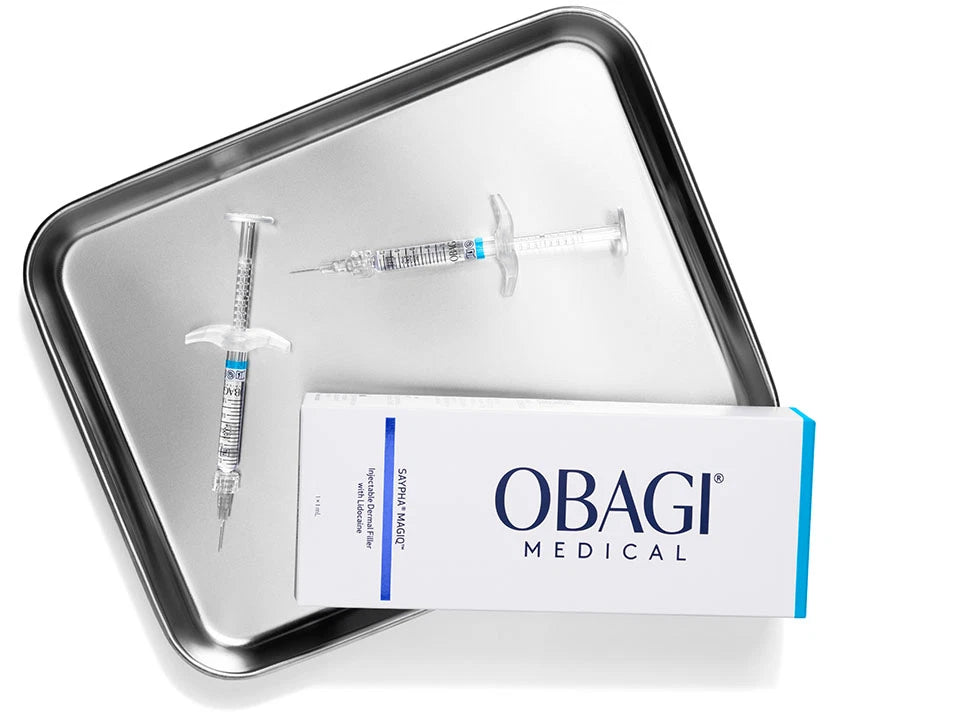
Thanks to social media dissertations on the sad state of celebrities’ altered faces, the new marker of high-quality aesthetics work is not being able to tell that a person has done anything. As the industry collectively puts down filler syringes, Eunice Park, a plastic surgeon and founder of med-spa Airem, predicts the focus will shift to skin tightening treatments. In South Korea, she says, “It’s all about toning and lifting…Some people go every week to get a toning laser done.” Airem offers customized tightening treatments for clients.
SkinSpirit chief medical officer Sachin Shridharani doesn’t think fillers will disappear. Instead, he sees tightening technologies multiplying in the treatment room, enabling clients to assemble treatment combinations for subtle results. “We’re used to wanting to solve every problem with a syringe, but there’s going to be a device plus a syringe,” he says. “There’s going to be filler to volumize plus some type of device to tighten and retract the skin.”
Botox is still the chief gateway into aesthetics, but regenerative treatments like platelet-rich plasma (PRP), platelet-rich fibrin (PRF) and exosomes that kickstart the body’s collagen production will gain serious momentum next year as demand for natural enhancements builds. PRP and PRF involve injecting platelets drawn and separated out from clients’ blood back into their skin to spur hair growth and cell turnover. Exosomes trigger regenerative skin processes by acting as cell communicators.
“Patients are really seeking this more natural and preventative approach,” says Christin Trujillo, partner at fractional CFO firm Maven Financial Partners. “They’re being more mindful about their overall wellness, and they’re a little bit more educated now in terms of integrating some of these things…The [aesthetics] practice has to be very, very diligent about educating the patient on this, though.”
Laserie, a laser facial concept scheduled to open in the first quarter of next year, is largely staying away from synthetic fillers in favor of PRF treatments, which are often referred to as natural filler. “The filler space has softened, pun intended,” Michele Henry, co-founder and CEO of Laserie told Beauty Independent. “The long-term impacts of filler seem to be a lot longer than people think, so that’s something we’re staying away from.”
Regenerative treatments are gaining traction at Face Foundrie, the facial bar business that Henry launched in 2019. Non-invasive Procell microchanneling or microneedling treatments were introduced in Face Foundrie studios across the country in August and are fast becoming a favorite for clients and in-house aestheticians.
At the outset of this month, the advertising industry was rocked by Omnicom Group announcing it will acquire Interpublic, leading to the world’s biggest ad agency. The underlying dynamics driving the deal—the collapse of legacy media, the shift of ads to digital platforms, the fragmentation of ad buys and expertise, pressure from powerful technology giants, and a need for efficiency at a time when nimbleness and profitability are competitive requirements—are affecting small as well as large players across a multitude of functions where there’s been a proliferation of agencies.
Touching the beauty space, agencies specializing in Amazon, public relations, marketing, influencer, e-commerce and more are poised for consolidation to forge greater lines of attack against rivals and technological advancements. In a recent example of such consolidation, Toronto-based communications agency 1Milk2Sugars has acquired Nouveau Communications, a New York-based beauty and wellness communications agency with Touchland, Andrew Fitzsimons, Medik8 and SOS Beauty on its client roster.
“There’s a lot of instability right now, and the consolidation is a reaction to that,” says Tyler Williams, managing director of the U.S. team of the combined agency. “There are more brands than ever. There are more influencers than ever. There’s more chaos and noise, and there are not a lot of consistent ways like there was in the past to get your message out. To compete with the big brands, you have to do it all, and that’s a tough spot for new brands. If you are investing in OOH, public relations, digital marketing, it all adds up so quickly, so to optimize budgets, it makes sense that there’s consolidation.”
In October, prestige color cosmetics brand Merit feted its segue into the fragrance category by partnering with Emily Sundberg, the writer behind Feed Me, on a sponsored post that went out to the Substack’s 40,000 uber-engaged subscribers. More brands will follow suit, perusing the virtual Substack stacks to pin down Substacks appropriate for their ethos and spend.
Not surprisingly, Annie Kreighbaum, a Glossier alum and host, along with Nick Axelrod-Welk, of the podcast “Eyewitness Beauty,” which recently moved to Substack, where subscribers pay $5 a month for it, is bullish on the long-form lift. “It’s a whole new class of influencer or content creator that hasn’t had a platform yet,” she says, adding, “If you find someone whose style you love, Substack makes it a lot easier than on Instagram to sell. It’s fewer clicks.”
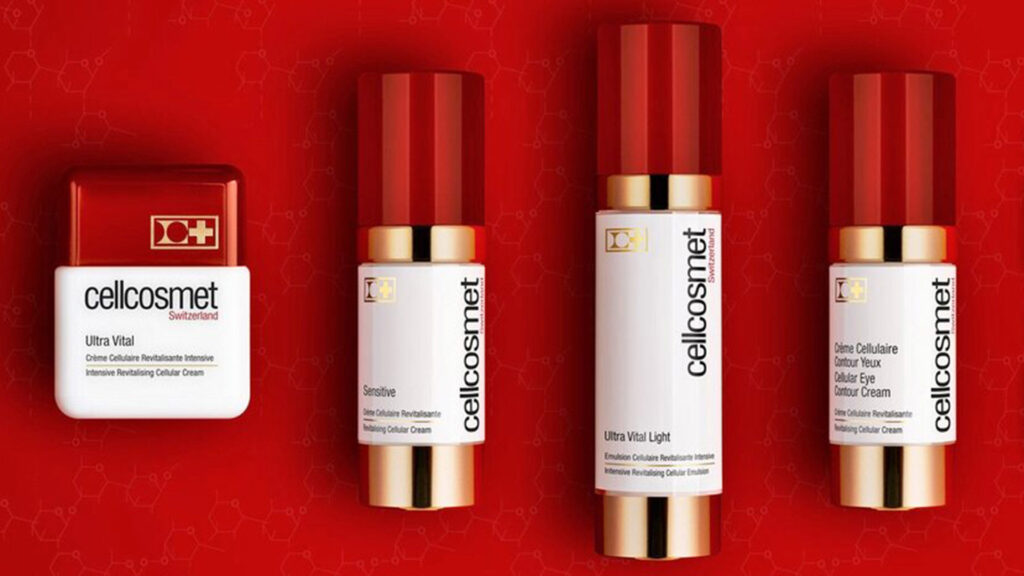
When legacy Swiss skincare brand Cellcosmet considered key partners in the U.S. market to stoke brand awareness, Substack was the first place it looked. Jennifer Hessel, general manager of Cellcosmet North America, explains luxury shoppers crave information such as insider opinions on the best high-touch spa treatments or stores with skilled personal shoppers that in-the-know Substacks can uncover. She says, “That in-depth information will make an impact.”
Cool as a Cucumber, an emerging skincare brand aimed at adults with acne-prone skin, is adding Substack to its paid media mix next year, and its co-founder Serra Levent has launched a Substack of her own called “Layered.” “It’s still a wide open space that’s not so saturated,” says Levent. “You’re not glazing over things when you see advertising.” On her decision to launch a Substack, she elaborates, “You feel limited with the 30-second Reel where you have to hook people’s attention within 30 seconds. We want to go much deeper. I find writing fun, and I think we’ll be able to get much deeper into the brand and our personal experience with acne through Substack.”
As already infinitesimal funding for Black-owned brands gets even more limited and DEI initiatives are scaled back, Black-owned beauty brands are strategizing to widen their customer base beyond core Black shoppers. Dija Ayodele, founder of the Black Skin Directory, aesthetician and author of the book “Black Skin,” refers to the approach as “neo-inclusivity.”
“We need to look bigger and outside of the Black community and look at ways in which we can ensure that products, yes, can be built on culture or can be built on the pain points that Black consumers express, but that can only be one facet,” says Ayodele, who recently spoke with the publication Business of Fashion on the dire state of Black beauty. “There has to be several other facets so that product lines can appeal to other people, whether they be white, Asian or whoever.”
Ayodele emphasizes Black brand founders should consider psychographics rather than demographics and singles out Topicals as an example of a Black-owned brand that does it well. She says founders should ask themselves, “What are the things that unite and bind us? What are the pain points we have when we go into the shops?”
Ayodele underscores that the wider aperture for customers is particularly important for brands trying to appeal to investors. “Whilst I get the sentiment and I love for us by us, commercially I don’t think that makes much sense in this day and age especially from the funding point of view,” she says. “If you don’t want to seek funding and you want to do for us by us, by all means, I think that’s fine, but you do have to temper your expectations on how you can grow.”
Along the same lines, in a post on LinkedIn, Monique Benoit, senior merchant at Ulta and host of the podcast “Scaling Emerging Beauty,” wrote, “The bigger your target audience, the more potential for sales…And investor buy in.” She continued, “While having a niche is important, don’t do so at the cost of the big picture. This is especially important as the market matures. Focusing on problems that impact multiple communities will help brands looking to scale in the long-term.”
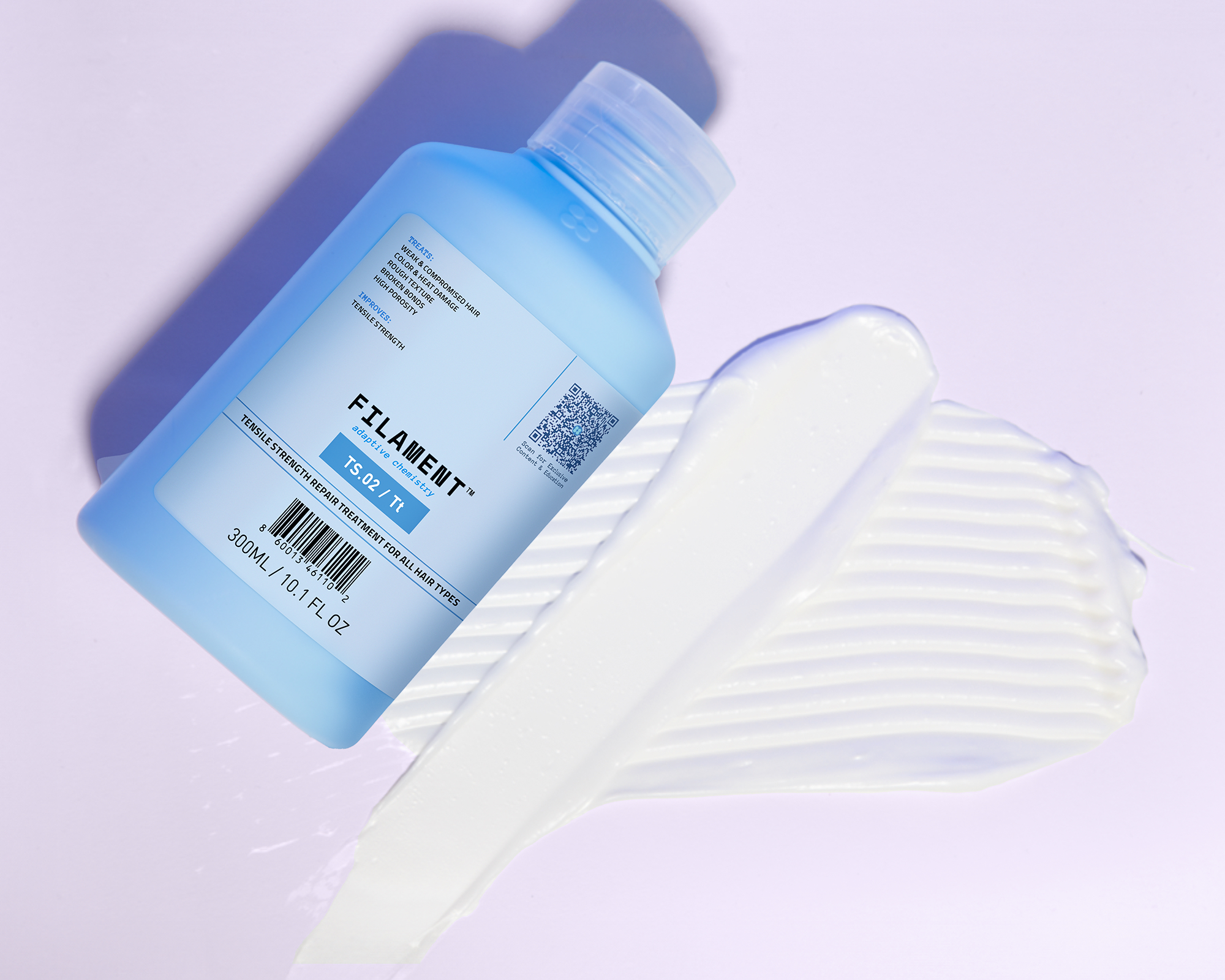
Two decades-plus into the natural hair movement, women who traded in relaxers for curl creams are now experimenting with heat, and brands are responding with heat protection products. Earlier this year, The Doux introduced the Press Play collection, which the brand claims to be the first heat protection, anti-humidity and bonding technology system formulated specifically for textured hair. Teneya Gholston, who previously worked in marketing for Creme of Nature, launched the brand Texture Crush with star product Silk Me Out Serum designed for heat styling.
At beauty research and development lab Sula Labs, founder and cosmetic chemist AJ Addae says high heat protection formulas were among the most-requested formulas this year. She envisions heat protection becoming table stakes for many textured haircare products. Addae says, “Similar to how we see barrier repair being the standard and a non-negotiable for a moisturizer now, I think that we’re also starting to see multi-functionality in the sense that if you’re going to have a really good product like a hair oil, let’s also throw in some functionality where there’s heat protection.”
Aishia Strickland, CEO of haircare education platform Black Girl Curls, has received an influx of questions related to direct and indirect heat. “After years of being told what they can’t do with their hair, naturals are now embracing a new narrative, one of exploration and freedom,” she says. “Heat isn’t the villain it was once made out to be. Whether it’s a sleek silk press or a voluminous fluffy blowout, these styles aren’t reserved for seasons anymore—they’re a vibe whenever the mood strikes.”
Strickland determines the shift to heat is bigger than a trend. She characterizes it as a cultural transformation. Strickland says, “Naturals are reclaiming their right to choose how they express their beauty, unapologetically.”
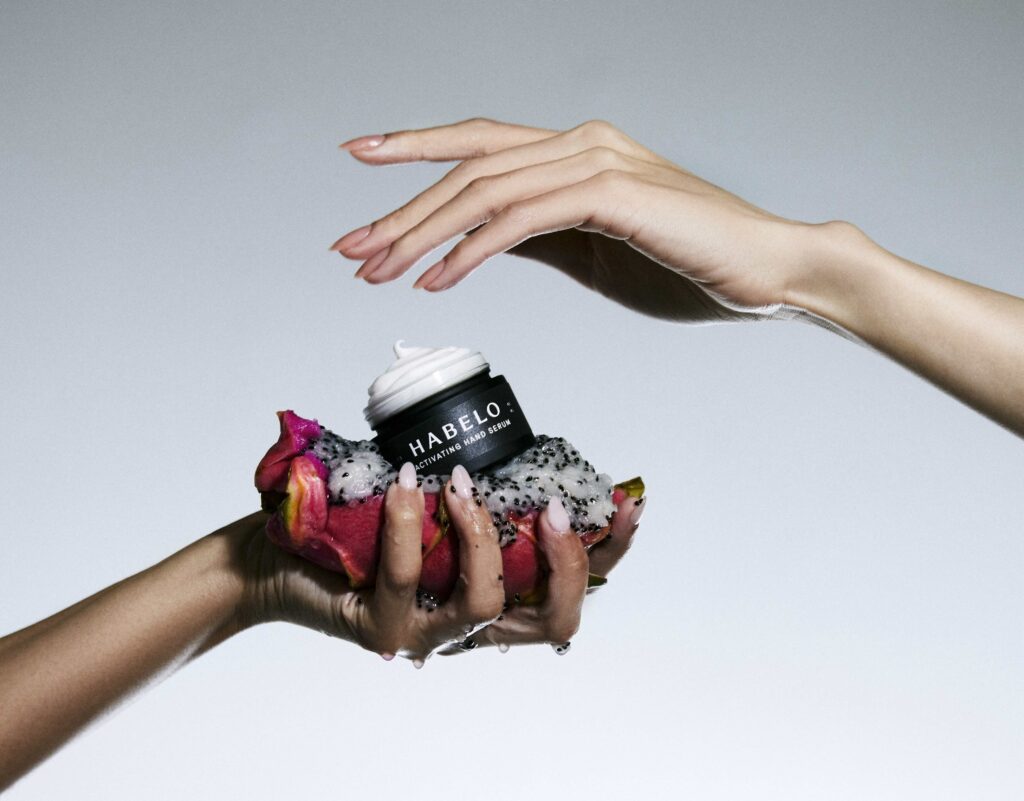
Emerging brands Vacance, Habelo, Soft Services and Bare Hands are giving hands the hero treatment they believe they deserve. Josephine Ung, founder of Vacance, a new brand with three cuticle oils priced from $16 to $35, told Beauty Independent earlier this month, “Hands are one of the hardest-working parts of our bodies, and I think they receive less attention than they should.”
Habelo launched in September with the $68 Activating Hand Serum and $80 Treatment-Boosting Gloves. Founder Whitney Clarke describes the serum as a “performance product” for the hands. “I wanted a multitasker that would do everything from addressing tone and texture to sunspots and elasticity,” she says. “The skin on the hands is so thin that, when we lose collagen and elastin, there’s crepiness there that we don’t see in our faces typically for a long, long time.”
Cool-girl brand Soft Services relaunched its $62 bestselling overnight retinol hand cream Theraplush, which is formulated to restore skin, maintain tidy cuticles and strengthen nails, in January after mold complaints and released a scented version last month. Bare Hands’ signature product is the $42 Dry Gloss Manicure Kit, which includes a polishing product and cuticle oil. In 2025, founder Suzanne Shade hopes to extend the brand’s range with products addressing the “ever-present challenge of dry hands.” She says, “It’s our aim that, with less effort, time and cost, we can create a better relationship to our hands and nails instead of feeling the need to constantly cover or fix them.”
Bare Hands is a go-to brand among Rachel Cook Northway’s clients. The founder of personal beauty consultation service The Northway Edit says, “Natural nails are here, but I think they will play a bigger role next year and be incorporated into skincare. Brands like Bare Hands are talking about this, and I think we will see more at-home treatments and tools.”
Beauty brand founders are looking beyond the crowded beauty industry to diversify income and make headway in other industries. Founder Tina Chow Rudolf closed Strange Bird last month, choosing instead to focus on a product the five-year-old skincare brand offered as an offshoot, singing bowls. Chow Rudolf, who is a Buddhist practitioner, says that her upcoming company selling singing bowls “will help bring mindfulness into your daily life in a way that feels more whimsical and fun.”
Rosen Skincare CEO and founder Jamika Martin launched workout gear brand Kima Essentials earlier this year as a side gig and says she’s pondering other ventures outside of beauty “to have some more variety.” When founder Akilah Releford Gould became a mom this year, she pressed pause on her skincare brand Mary Louise Cosmetics and pivoted to passion projects like wine brand Lucky Girl Rosé, which was inspired by her TikTok audience. She has 117,000 followers on TikTok and 46,000 on Instagram.
“I primarily post about hosting, entertaining, interior design and cooking content,” says Releford Gould. “My family recently purchased a winery in Ojai and launching a rosé seemed like a fun and authentic way to connect to my online audience.”
Gourmand notes like vanilla, caramel and nuts have had fragrance lovers in a chokehold this past year. The next wave will come from the opposite side of the spectrum, with notes like basil, shiso and mint taking center stage.
“People want to see vibrancy, growth and hope right now,” says Arielle Shoshana, founder of a namesake fragrance store and brand. “Nothing symbolizes that better than green fragrances.” Emily Bond, managing partner for Lotus Bridge Strategic Partners and former GM at Givaudan and Newell Brands, says that basil and mint notes provide a “different twist on green fragrances or offer a new fresh note that can be used in combination with floral and fruity notes.”
Arielle Shoshana’s recently released Tuesday fragrance incorporates Moroccan mint tea. Redoux co-founder and host of the Scent Social Club Asia Grant mentions that Essential Parfums’ fragrance Bois Impèrial has a basil note. She says herb-forward notes add a refreshing, unique touch to scents and leave a strong first impression. She says, “Their personalities tend to be highly expressive and hard to define—and who wouldn’t want to be associated with that?”
People won’t forego sweetness altogether when it comes to fragrances. On the fruity side, creamy notes like fig and cherry will be replaced by plum. Bond opines, “Plum is juicier, has depth and lushness, with a more sweet and sour olfactive, think tangy.” Grant characterizes plum notes as “a little bit sexy, very bite into me juicy.” She says, “That performs well because a lot of people still like smelling sweet.”
Shoshana highlights Glossier’s You Rêve, which has plum butter as a main note, as a good example of plum starting to upstage fig. On the candle front, Kudzi Chikumbi, a content creator known as Sir Candle Man on Instagram, points to LAFCO’s Absinthe Plum as a new entrant in the plum family of products.
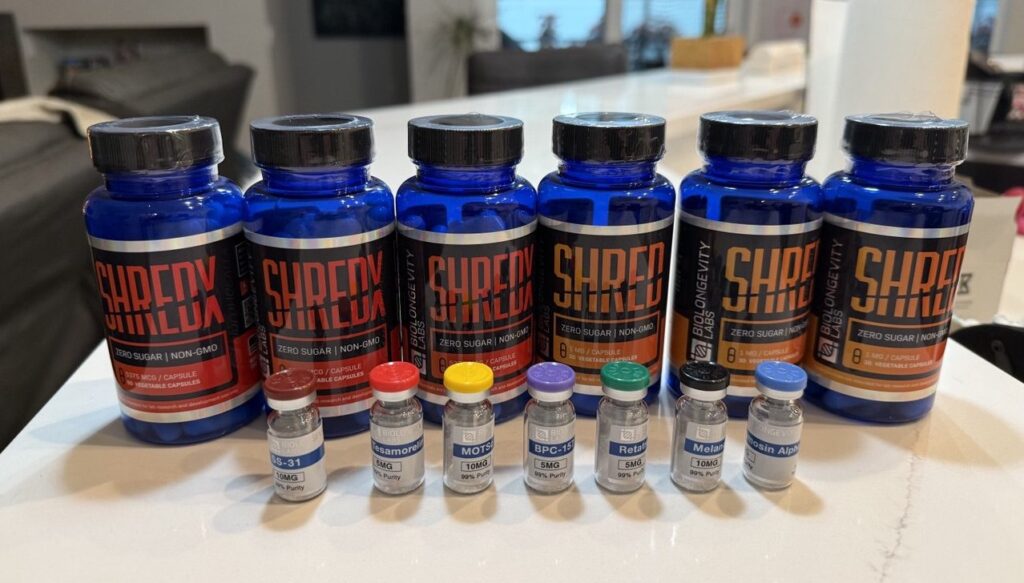
For wellness connoisseurs, taking simple supplements like omega-3s and probiotics will feel provincial. They’ll be devouring science-forward supplements not branded to death for the lay consumer. For them, the more lab sample-looking, the better. Their new daily supplement stack will include urolithin A, sermorelin and rapamycin, which was originally used as an immunosuppressive to prevent organ rejection after a transplant.
While supplement company BioLongevity Labs is bullish on injectable peptides as the future of wellness, especially with peptide proselytizer Kennedy’s increasing power, some of the company’s bestselling products are bioregulator capsules such as brain-boosting Cerluten A-5, ovarian peptide complex Zhenoluten A-15 Natural Ovary and liver-supporting supplement Svetinorm A-7 Natural Liver. The products are housed in no-frills white boxes.
As previously reported by Beauty Independent, for wellness junkies with pill fatigue, cutting-edge companies have been rolling out supplements in nasal spray form. They include Covixylis, a nasal spray containing ethyl lauroyl arginate HCl (ELAH), and Mint Rx’s PT-141, a bremelanotide nasal spray purported to enhance arousal. Joi Women’s Wellness offers an oxytocin nasal spray and sermorelin troches, a sublingual tablet meant to be slowly dissolved.
This year, market research firm Mintel revealed that product launches in the consumer packaged goods sector were at an all-time low. Beauty industry insiders don’t expect the product launch stagnation to reverse in 2025. Severin says brands will cut assortments and lean into hero products rather than chance it with risky releases. She expounds, “It’s better to hold excess inventory of the A-list product so you can use that for promotions rather than buy into a C-level product.”
If the tariffs Trump proposes are implemented, the product launch depression could worsen. “Unless everything is manufactured all in the U.S., it’s going to be very difficult,” says Severin. “Brands are going to have to think long and hard from conception to launch about, is this going to make it as far as pricing goes? Once they get to the end, will the consumer actually pay for it? Is it really relevant, and does the brand really need it? Because, if it doesn’t work and it costs twice as much, why not put those funds toward social selling, a killer pop-up or a campaign for top-selling SKUs?”
Always careful with product launches, Jordan Samuel Skin plans to launch one to two products in 2025 after launching three in 2024. “It is very expensive to launch a new product and to add to your assortment, and I think, with it being really hard to get new customers as well, they’re not necessarily for us because we just don’t have that,” says founder Jordan Samuel Pacitti. “For companies, it’s a huge marketing spend with these new launches, the events and everything that goes into it for very little return because I think, I don’t know if it’s a majority, but a good chunk of the skincare customer is understanding less is better and consistency is better in their skincare, so they’re not gravitating toward the shiny object as much.”
Mehir Sethi, CEO and founder of beauty consultancy Luscious Group, counsels legacy brands to take advantage of the product launch lull and consumer hunger for proven staples to foreground their classic offerings in modern ways. She says, “Especially when all of us are feeling the pinch with disposable income, the person who wants red lipstick, she wants to go for something tried-and-true from brands like Bobbi Brown or MAC.”
But legacy brands can’t reenergize classics without experimenting with marketing levers that speak to today’s consumers. Sethi thinks plugged-in creative directors could be fruitful to that endeavor. “I’ve been telling them all to find your Tom Ford, find your John Galliano, someone who is very creative and can help them find their secret sauce again,” she says. “It could be a makeup artist or it could be somebody creative who loves makeup and can head them to not leave them floating along.”
Investment for pre-revenue beauty brands and brands generating under $500,000 to $1 million in sales has dried up—and Manica Blain, founder of Top Knot Ventures and an early-stage brand advisor, doesn’t foresee that changing anytime soon.
“Even I don’t have the appetite for it,” she says. “I’m an angel investor, and unless I know someone and have been following them for years, I won’t take a meeting with them and say, ‘Here’s $50,000.’” She adds, “It’s only when you have some semblance that you are building a long-term brand will there be appetite from institutional investors because it’s just too risky.”
In the parsimonious environment, beauty entrepreneurs are imploring friends and family members for capital to get brands going. Acknowledging that friends and family rounds are particularly difficult for people not born into wealth, Blain points out that the bright side for those who can raise thousands or hundreds of thousands from friends and family is they don’t have to fork over huge amounts of equity to them because they buy into brands out of support or adoration, not caring as much about the valuation, putting founders in a better position for sizable payouts when their brands become successes.
“All of the overnight successes are typically 10 years in the market,” says Blain. “The good news for businesses that have awakened to the new game, which is about profitability and no longer growth at all costs, is that rounds are coming together. I’m seeing activity and fundraising happen for businesses playing by the new rules that have been quick to pivot. Coming into 2025, I feel much better for businesses gearing up for growth rounds.”
All of Pacific Packaging Components’ clients are asking the packaging distributor to assess if there are non-Chinese packaging suppliers they could realistically swap out for their existing Chinese suppliers in advance of possible tariffs going into effect next year. Trump has proposed tariffs in excess of 60% on imports from China.
PPC was made for this moment. CEO Brandon Frank has been vetting packaging suppliers in Latin America, Southeast Asia, Europe and the U.S. for years, and he admits he’s been pleasantly surprised by the quality of packaging suppliers outside of China. “The packaging supply chain in Latin America is going to get better and better,” says Frank. “It’s a long-term process. It’s not going to happen in the next year, and U.S. manufacturing is obviously going to increase during this time period.”
Despite improvements in the packaging supply chain outside of China, he estimates it’s about 50/50 whether a brand will actually swap out a Chinese packaging supplier for a non-Chinese one. “Let’s say we have an amazing supplier in Brazil for a very comparable price. We have to look at the initial process and how well they’re going to be able to consistently manufacture and ship out,” says Frank. “China’s packaging supply chain is robust, efficient and reliable, and in my view, the rest of the world is developing compared to China.”
He concludes, “The packaging supply chain in China is unparalleled. They can produce things at lower quantities and lower cost than the rest of the world, which is why tariffs are needed to even the playing field.”

May Lindstrom, founder of May Lindstrom Skin, predicts that “eyes closed skincare” is the next green beauty. The gist of it is skincare as a vehicle to make people feel comfortable and present in their skin. They may close their eyes during their beauty routines and rituals because they’re relishing products and applying them in a thoughtful manner rather than simply slapping them on.
Lindstrom says, “What we’re building now is aspiration towards deeper care, towards a deeper relationship with ourselves, towards ‘eyes closed skincare’…Fifteen years ago, nobody was talking about green beauty nearly enough. When I look forward, no one’s talking about this nearly enough.”
Lindstrom explains that the notion of “eyes closed skincare” can recontextualize what beauty products and routines mean to consumers. The products can have heightened sensorial aspects such as the warming element of Selfmade’s Rumination Recovery Balm or provide the wellness benefits of being outdoors such as The Nue Co.’s functional fragrance Forest Lungs.
In its report 2025 Beauty Predictions, influencer marketing agency Fohr predicts “authenticity” will be dethroned as a beauty industry buzzword and “unexpected” will be the new North Star for content creation. To cut through the noise, beauty brands will go against type or partner with influencers that, whether through rage, outrageousness, weirdness or inventiveness, can’t help but grab people’s attention.
Axelrod-Welk and Kreighbaum from”Eyewitness Beauty” anticipate so-called “influencers of provocation” will be at the height of their powers of provocation next year. “Provocation is what performs,” says Axelrod. Kreighbaum chimes in, “There’s the food influencers who make disgusting things with a straight face and then eat it. I think, as social evolves, it’s now about irony or provocation or a deep troll type of influencing.”
The beauty industry has been trapped in a debate about aging centering on the term “anti-aging,” and the impossible promise that its products ward off wrinkles and other signs of aging. The magazine Allure banished it in 2017, and plenty of brands have stopped using it, but it hasn’t vanished from the beauty industry vocabulary. Clare Varga, head of beauty at trends agency WGSN, even told Business of Fashion in September that “anti-aging” was making a comeback.
The beauty industry’s difficulty separating from “anti-aging” is partially because it hasn’t had a new language to talk about aging that resonates with beauty consumers. The longevity movement, which has prevention at its heart and revolves around the idea of “health span” versus lifespan, could give the beauty industry that new language.
“Anti-aging to me was always about, how do I fix my skin to look younger? Then, there was prejuvenation or helping me look better before I get older,” says DeJohn. “Longevity ties those two things together, where it’s saying I want to prevent myself from looking older, but the reason why I want to do that is to live longer and have a healthier and happier life. That’s key for an ingestible or topical.”
In concert with the longevity movement, Cook Northway’s clients respond to brands discussing “aging well” rather than fighting the aging process. “What’s beneath that is less filler and more nutrition,” says the older millennial. “Forty is not what it was 40 years ago. People are having families later, and you see 70-year-olds running marathons.”
The new hyper-masculine, pumped-up male ideal embodied by many a bro wellness podcaster and actor (see Brad Pitt and Bradley Cooper’s transformations, which may or may not have been plastic surgery-enabled) requires plenty of work that can’t be executed by a single man alone. Men are collecting teams of experts to make sure they’re in top form.
“Biohacking and all the things that go with it are the equivalent of a glam squad,” says Severino. “There’s the B12 injectors, the trainers, getting their roots touched up, going into cold plunge and infrared sauna—all of that is their glam squad.”
DeJohn figures that men are calling in the experts because it’s confusing to sort through the vast array of wellness and beauty options. “It’s like going grocery shopping, you can’t get anything from one store, you need to go to three stores to get everything that you need,” she says. “What do you do to start, and where do you go from there?”
For guys without the financial wherewithal to erect dream glam teams offline, Cook Northway has observed they’re constructing them online. She says, “You are engaging on social and tagging along virtually and then going to a doctor or retailer that’s recommended.”
The players
5 mentionedThe Better Skin Co.

The Doux
Formulate
iS Clinical
Under Your Skin