Why SkinOwl Is Shuttering Its Store At Peak Performance
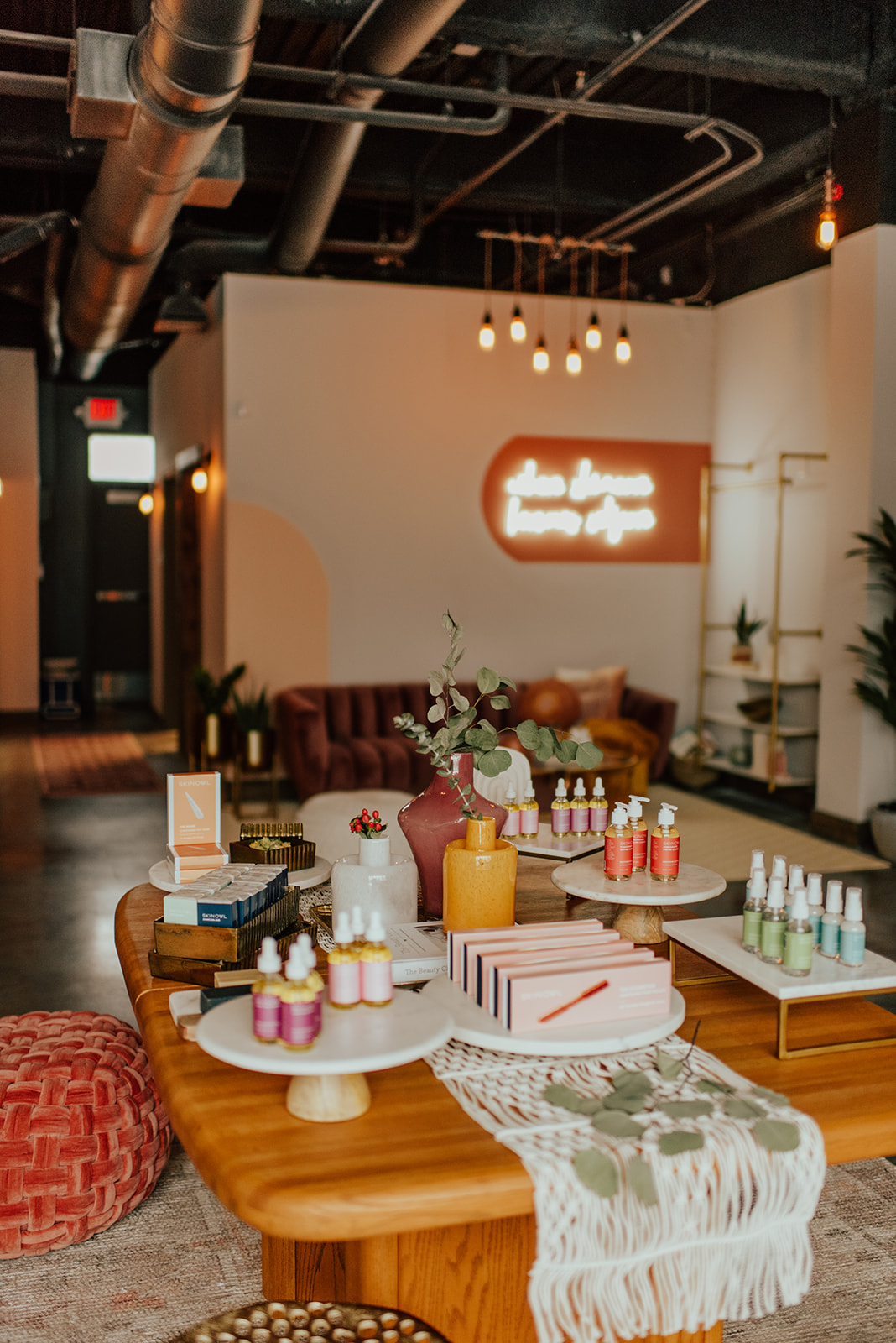
The 13-year-old skincare brand’s 1,200-square-foot Boise, Idaho store is set to end its five-year run in May despite registering 200% growth annually since its launch and accounting for 40% of SkinOwl’s sales. Founder Annie Tevelin decided to part with the store, which has been anchored around consultations, skin pampering sessions and in-person events, after questioning whether it was the best vehicle for a business built on trust and education. Additionally, the operational requirements of a four-wall space, including set hours, staffing and merchandising, were increasingly misaligned with SkinOwl’s strengths.
“This decision actually comes from a place of clarity, not struggle. This is the most successful year that SkinOwl has ever had, and I’m choosing to do it differently,” says Tevelin. “It is a very successful model. A massive success. I mean, it changed my life, but what is the mission of SkinOwl? It is one-to-one trust, loyalty, community, and is that as strong as it could possibly be in a traditional retail model? The answer is no.”
In its next physical iteration, SkinOwl expects to maintain a presence in a more flexible format. It’s exploring an appointment-only studio format that will house Tevelin’s multiple ventures under one roof. On top of SkinOwl, she operates color analysis business Daybreak Colour and organic salad delivery concept Gem Jolie. She’s hoping that SkinOwl’s core drivers—appointments, loyalty and word of mouth—will translate to the flexible format encompassing events and community experiences.
The majority of customers visiting SkinOwl’s store are familiar with it, and roughly 70% of its revenue has been from appointments rather than walk-in traffic, with word-of-mouth referrals fueling momentum. SkinOwl’s store features beauty services like steaming, LED and red light therapies, makeup bag edits and color analysis. Tevelin says loyal customers have traveled from as far as Portugal, China and London to visit.

SkinOwl’s business is currently split across channels, with approximately 60% to 65% coming from direct-to-consumer sales, about 10% from wholesale partnerships and the rest from the soon-to-close store. Once available in 30 retailers and e-tailers like Credo, The Detox Market and Beauty Heroes, SkinOwl has intentionally pulled back from larger retail accounts. The brand now opts to work with smaller boutiques it primarily sources through wholesale platform Faire.
The boutique strategy reflects a broader philosophy underpinning SkinOwl, which Tevelin describes as a lifestyle brand. In an industry that often equates success with scale, SkinOwl wasn’t designed for hypergrowth or a future exit. For Tevelin, growth means stepping away from what’s working in pursuit of something more valuable. She says, “I built something successful, and I’m choosing to evolve it in a way that feels even better.”
SkinOwl’s Boise store was born out of a unique moment in recent history and for Tevelin. A former Lancôme makeup artist, she relocated from Los Angeles to Boise in September 2020 at the height of the pandemic with her family with no intention of opening a retail space. After settling into Boise, a magnet for pandemic-era nomads, she saw an opportunity to bring SkinOwl to life in an intimate retail setting. Tevelin launched SkinOwl in 2013 as an outgrowth of
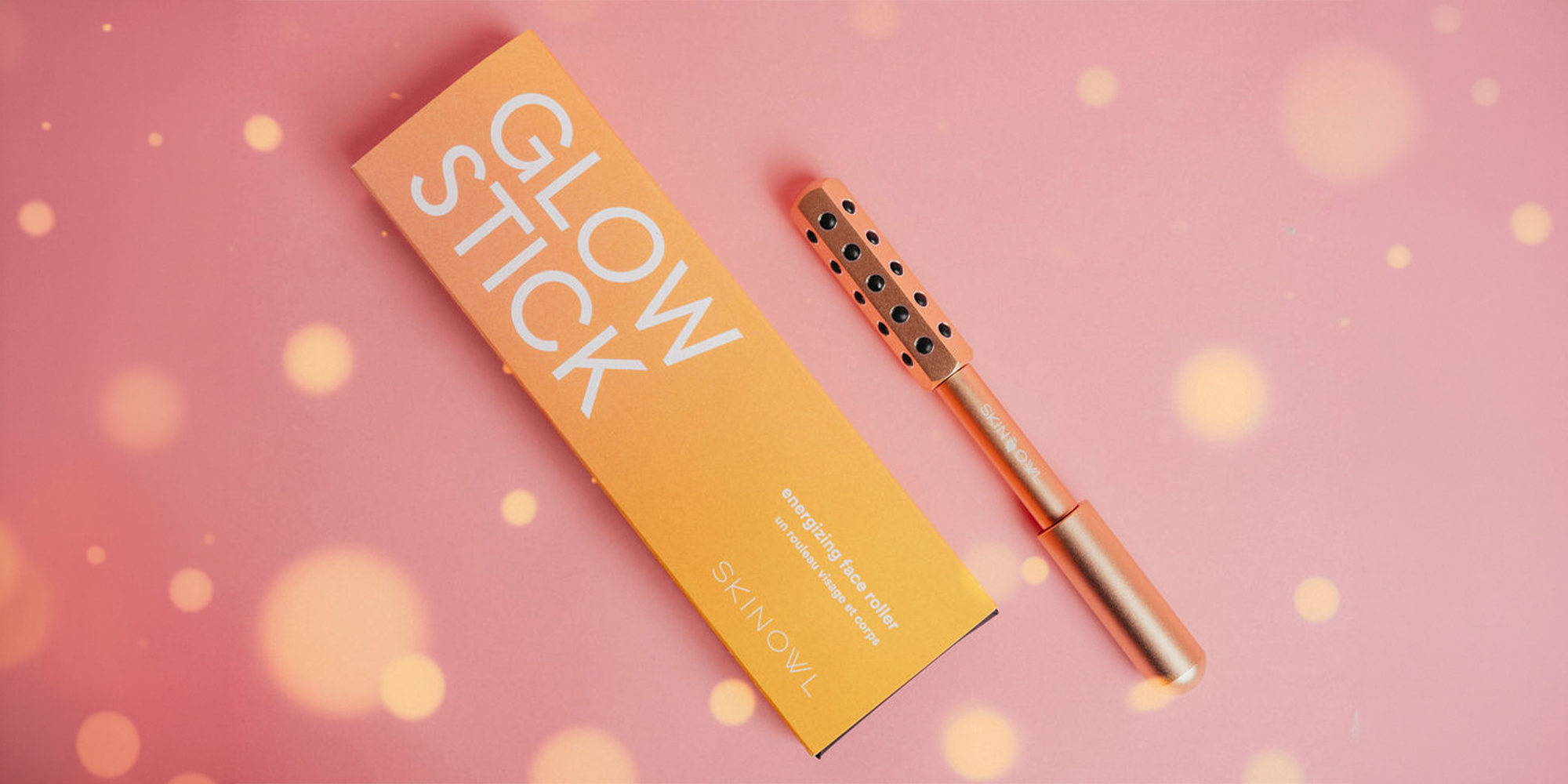
Tevelin launched SkinOwl in 2013 after doling out skincare advice in a Facebook group called SkinOwl. The brand is rooted in three pillars: transparency, authenticity and vulnerability. Today, its assortment contains 17 products, including the bestsellers $50 Geranium Drops, $38 The Pomegranate Enzyme Cleanse and $68 Tara + Vit C Veil Serum.
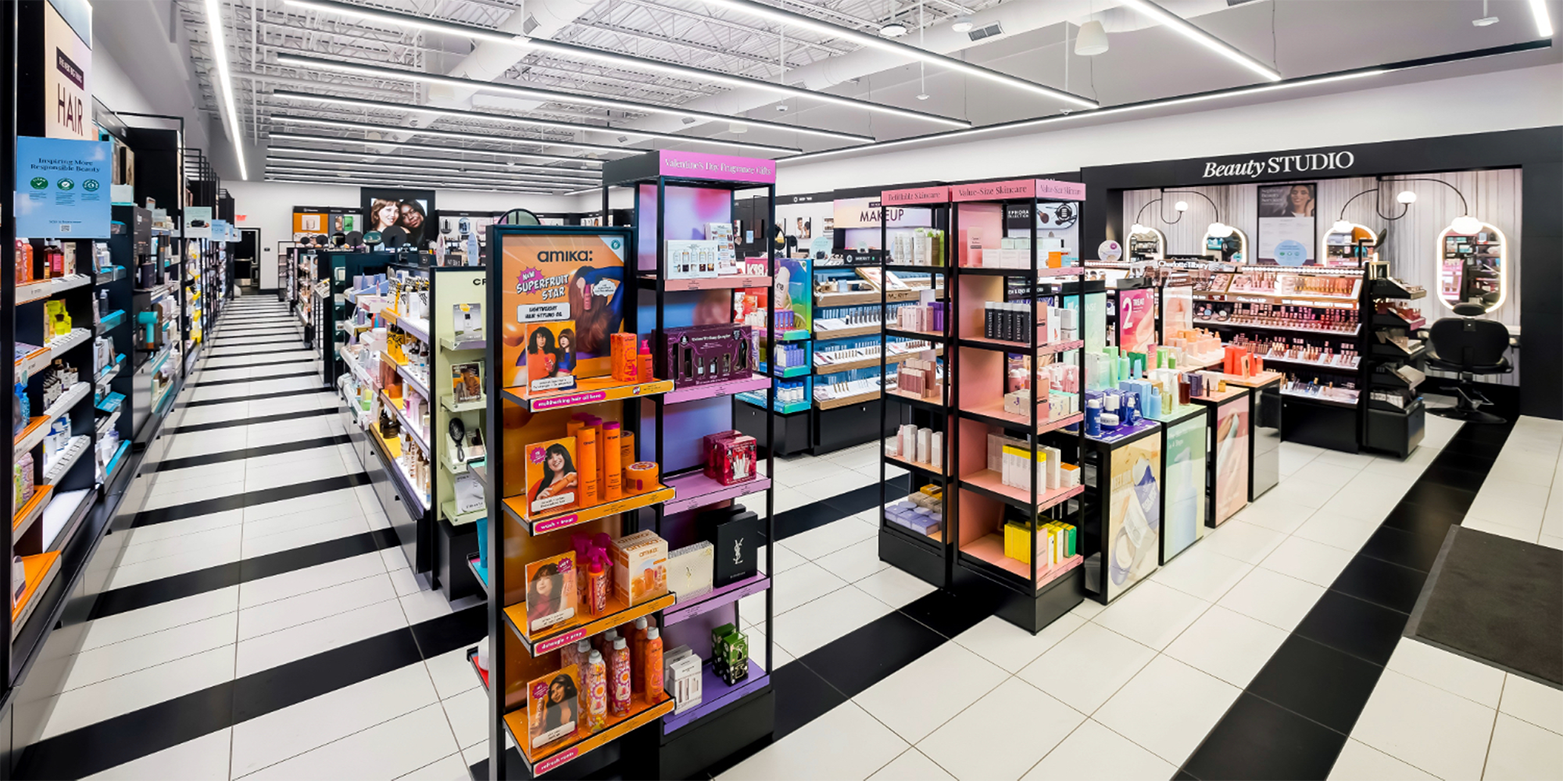
SkinOwl’s decision to bow out of a brick-and-mortar location at its height stands in stark contrast to the struggles that many other small beauty retailers have contended with. Over the past several years, a wave of closures has underscored the mounting pressures facing small operators, from rising costs to burnout and intensifying competition from larger players like Amazon and TikTok Shop.
Clean(er) Beauty Shop, Field Botanicals, Ware, Hearth & Hammer and Inside Outer Beauty Market are among the small beauty retailers that have shuttered since 2023. More broadly, store closures are still outpacing openings in the United States, although the gap is narrowing, with some analysts predicting that openings will come roaring back this year.
Tevelin argues that small beauty retailers have to lean into what bigger retail players can’t replicate, namely expertise and human connection, to persist in a digital-first commerce environment where convenience and price are the province of their bigger competitors. “You need to be very clear on what problem you are solving for people,” she says. “Being a human being will be the most on trend thing that you can do. Host events. Get to know people. Don’t just pursue them in automation emails. Be in the business of concierge, not customer service.”