Ulta Marketplace Status Check: Sales Traction, Customer Reach And Efficient Demand Testing
The growth comes as beauty purchases, once considered the province of physical retail because products need to be sniffed, sampled and matched to skin, shift to e-commerce, with more than half of purchases in the United States now made online, according to NielsenIQ, which also finds that global online beauty sales are growing six times faster than in-store sales. Ulta doesn’t break out e-commerce as a share of sales, but reported the channel grew by a mid-teen percentage last fiscal year. The marketplace is one of several initiatives, alongside a TikTok channel and Gemini AI integration on its website, designed to keep digital demand humming.
Launched with roughly 100 brands, UB Marketplace has since doubled its roster to around 200 brands and 5,000 stockkeeping units, and Ulta plans to steadily scale the assortment throughout the next year. Unlike Amazon and Walmart’s marketplaces, UB Marketplace is invite-only for brands. For some emerging brands, the channel is already becoming meaningful. Beauty e-commerce agency Navigo says the marketplace accounts for 5% to 10% of total business for certain clients, and they register 15% sales bumps during key sales periods like Ulta’s 21 Days of Beauty.
“We’re already seeing several brands validate demand quickly and build meaningful engagement,” says Clince. “A few have progressed into broader digital placements, and others are being evaluated for future in-store expansion, which is exactly the kind of path we designed Marketplace to support. What’s been especially interesting is that brands with strong storytelling and clear positioning are outperforming, reinforcing that differentiation and brand identity really matter in this environment.”
UB Marketplace provides brands listed on it access to an extensive customer base—the retailer has 45 million active loyalty program members—and a vehicle for proving consumer interest without taking on the upfront inventory risk of wholesale. Brands listed on UB Marketplace can tap on-platform advertising through Ulta’s media partner Criteo. Review syndication through PowerReviews, a technology that transfers product reviews, ratings, images and videos from a brand’s site to retailer sites, has become an important sales engine on the platform. UB Marketplace isn’t without risk for brands, however, which can get lost in the crowd and fail to demonstrate their value to Ulta, potentially limiting future store opportunities.
At KSJ Collective, a strategic growth consultancy that works with 20 brands on UB Marketplace, founder and CEO Kelly St. John has noticed disciplined fundamentals rather than hero products fueling sales on UB Marketplace. She says, “The brands that are showing more significant success are the ones leaning into smart bundling to drive both acquisition and margin, aligning tightly to Ulta’s promotional calendar and treating review syndication as a strategic growth lever versus a checkbox.”
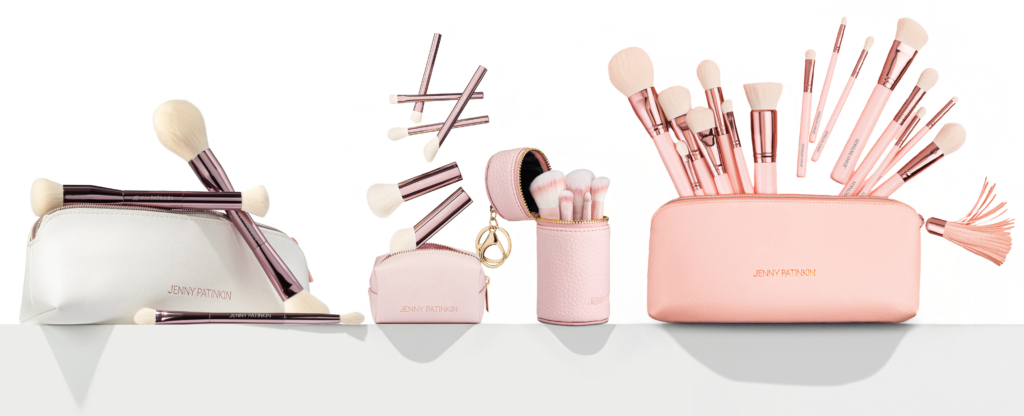
Jenny Patinkin, founder and president of Jenny Patinkin, says, “The appeal of working with them as a marketplace vendor is really a combination of sales revenue, brand awareness and growth opportunity. We’re getting to a much bigger audience much faster than we could on our own.”
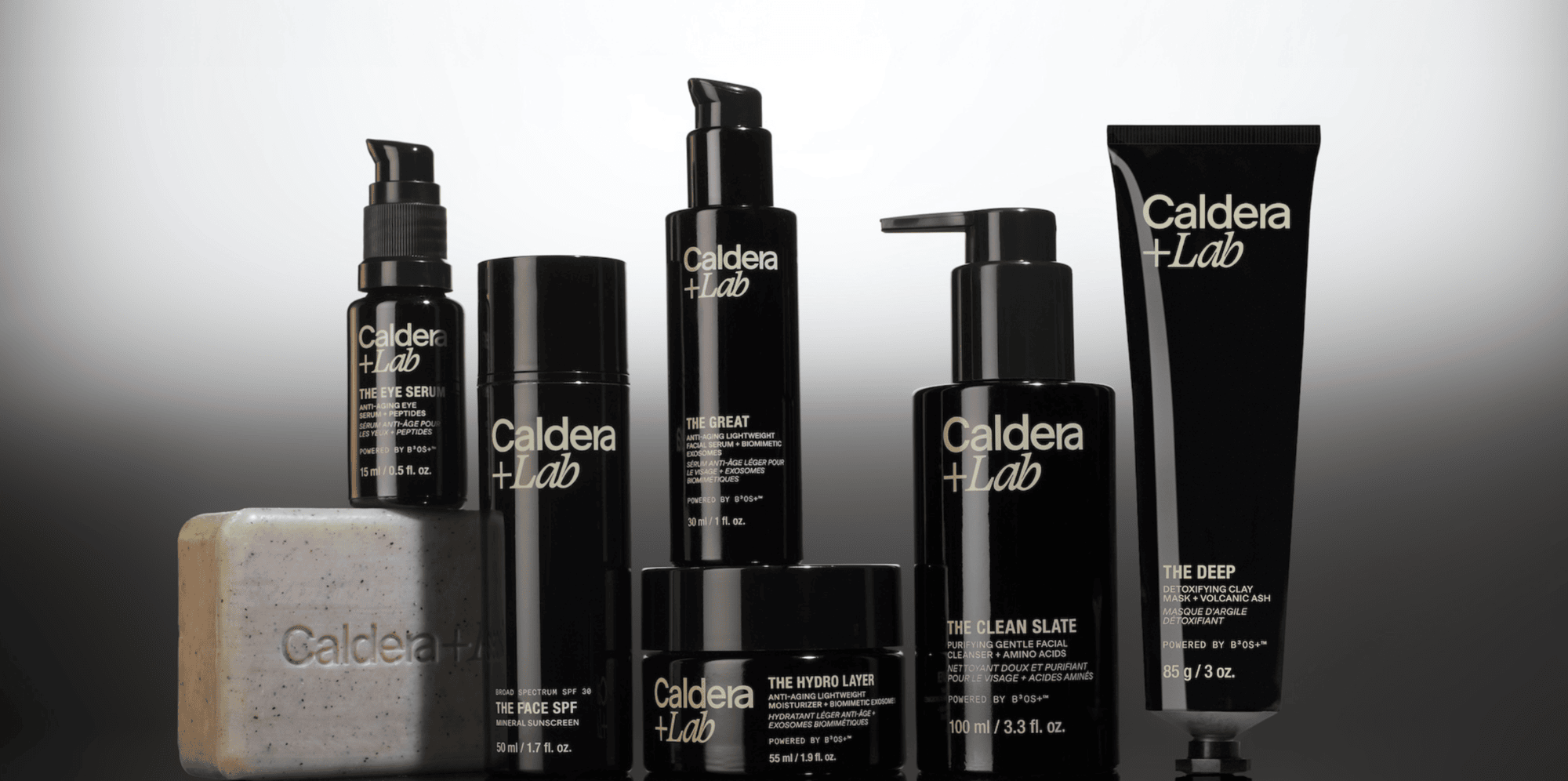
The beauty tools brand launched on UB Marketplace last November ahead of Black Friday/Cyber Monday and saw an immediate spike in sales on the platform, but its business on the marketplace cooled in January after the holiday period, though the platform overall has lifted monthly sales for it. It’s tapping into email, social and Meta ads to push traffic during critical periods, with plans to rev up Google Ads and on-platform advertising on Ulta’s site in the future. Men’s skincare and body care brand Caldera + Lab‘s UB Marketplace sales have climbed month over month, and its average order value has increased through bundles. It only recently began paid advertising and content creator partnerships to drive demand to the platform.
“Even if the customer doesn’t shop at Ulta, they know Ulta. That awareness is an asset,” says Caldera + Lab founder and CEO Jared Pobre. Noting her brand is seeing an uptick in interest from international retailers and distributors, Patinkin agrees, saying, “The Ulta stamp of approval is very meaningful.”
International brands, including Wrinkles Schminkles and Manucurist, are turning to UB Marketplace as an entry point to the American market. Sydney-based Wrinkles Schminkles has seen consistent double-digit monthly sales growth since it launched on UB Marketplace last October, relying on education-driven product detail pages and compelling visuals to cut through the noise. It’s testing sponsored search on the platform and engaging Ulta’s creator community to start building advocacy.
Gabrielle Requena, founder and CEO of Wrinkles Schminkles, says, “Ulta’s model allows brands to prove demand digitally while building a pathway to deeper retail integration, which aligns perfectly with how we think about growth.”
About 36% of Parisian nail products brand Manucurist’s sales on UB Marketplace are from sets and bundles, with demand balanced between care and color products. Its selection on the marketplace is centered on routines and hero products to simplify discovery. Camille Tard, global sales director at Manucurist, says, “We saw strong early validation of demand, which confirmed the traction we were seeing in U.S. DTC could translate into a curated retail ecosystem.”

Despite the traction, brands are clear that UB Marketplace participation hasn’t always been frictionless. Jenny Patinkin has faced inventory strain as TikTok-propelled sales spikes quickly depleted merchandise, causing the brand to go out of stock on the marketplace. Category-level challenges persist as well. Pobre points to the relatively small footprint of men’s brands on UB Marketplace, which can limit discoverability and require ongoing investment to build visibility.
For Manucurist, education has been the main hurdle. Tard says, “Nail care routines require explanation, and digital product pages can only do so much.”
UB Marketplace launched during a pivotal time as beauty retail rapidly shifts online. Amazon, once considered a pariah in the beauty industry, is now the biggest beauty retailer in the world. Launched less than three years ago in the U.S., TikTok Shop has become the 4th largest online beauty and health retailer in the country. For brick-and-mortar retailers like Ulta, online marketplaces are one tool in the battle for online sales and necessitate significantly less inventory than store rollouts. Target, Walmart, Macy’s and Nordstrom have all embraced similar models.
However, for emerging brands, marketplaces have long carried a stigma tied to lack of control and brand dilution. UB Marketplace appears to be shifting that perception, largely due to its curated structure and close brand-retailer collaboration.
“Many marketplaces are volume-driven and very open, which can make it difficult for emerging brands to maintain positioning,” says Tard. “But when a marketplace is curated and strategically managed, it can actually function as a brand incubator.”
Requena doesn’t view marketplaces as inherently risky for emerging brands, arguing that they can be a capital-efficient way to test demand when used strategically. “For Wrinkles Schminkles, it’s not just about sales today,” she says. “It’s about building the data, credibility and customer connection that support deeper retail partnerships tomorrow.”