Is Everyone A Trichologist Now?
The stress of the pandemic, a catalyst for mounting scalp issues and the scalp care category blossoming; candid conversations about female hair thinning and loss; educated consumers digging deeper into scalp health; and the skinification of haircare trend bringing products, routines and segmentation from the skincare realm into the haircare category have lifted the profile of trichologists.
“Market change is driving the demand for trichologists,” says Kerry Yates, trichologist and founder of brand incubator Colour Collective. Shab Caspara, trichologist and founder of haircare e-tailer Leona, says, “Today, haircare brands have to address scalp type. It can’t be all about hair type and the aesthetic angles of beautiful hair. Brands are being forced into a new product category they’ve never had before, and they need trichologists to understand better how the ingredients work, establish a proper protocol, address issues and what to change.”
Trichologists are non-medical hair specialists. According to the trichologist professional organization Institute of Trichologists, “Trichology is the diagnosis and treatment of disorders and diseases of the scalp and hair” like hair thinning or loss, psoriasis and alopecia, and trichologists “receive training of a clinical and medical nature specific to the hair and scalp.”
The practice of trichology has existed for more than 100 years, but trichologist certification has only become widespread in the last decade, and it’s difficult to estimate the exact number of people who’ve completed the certification process. Drawn to advancing their knowledge of hair and scalp, hairstylists make up a large percentage of trichologists in the United States. Many see the effects of the scalp on hair as they work on clients behind the chair.
Organizations such as the Institute of Trichologists in the United Kingdom and the US Trichology Institute provide training for people interested in becoming trichologists. Programs tend to cost $2,000 to $3,000, although there can be additional fees. A basic program takes about six months. An extensive clinical program can take two to three years and 40 hours of clinical training plus a test.
The practice of trichology typically consists of scalp consultations and recommendations of supplements, shampoos and serums. Trichologists can’t prescribe medications or perform medical procedures. With trichology a small and relatively unknown field, people generally lean on hairstylists initially when they have scalp issues, but hairstylists aren’t trained to diagnose hair- or scalp-related deficiencies. That’s where trichology, which acts like a bridge between dermatology and cosmetology, intervenes.
“Unlike a traditional salon treatment, a hair consultation assesses a client’s hair challenge and requires time and a private space to meet with clients,” says Yates. “Most salons do not have extra room to allocate to creating a welcoming environment that communicates the trichologist’s expertise.”
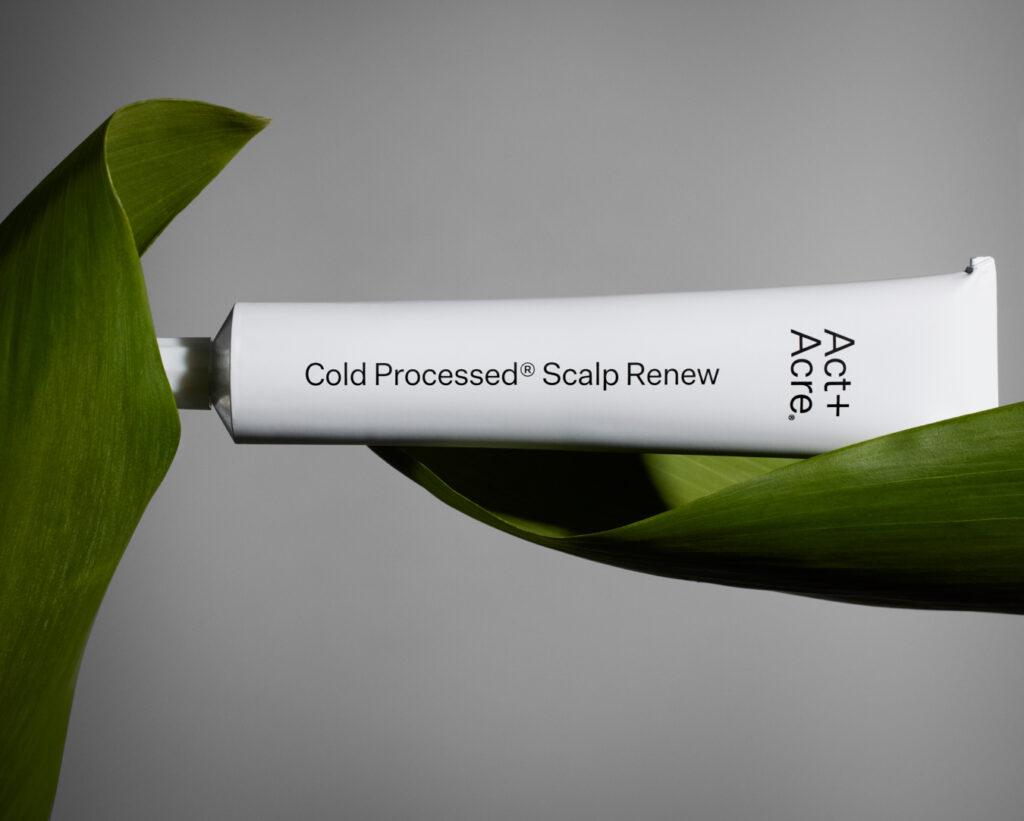
When Helen Reavey, founder of the brand Act+ Acre, hairstylist and trichologist, was studying trichology some 20 years ago, a substantial portion of the students studying with her were from salons. “They did a lot of braiding and other hairstyles that caused traction alopecia and noticed the effects on the hair,” she says. “Many of them changed their salon model and started catering to trichology because they know, as stylists, they are sometimes contributing to clients’ hair loss.”
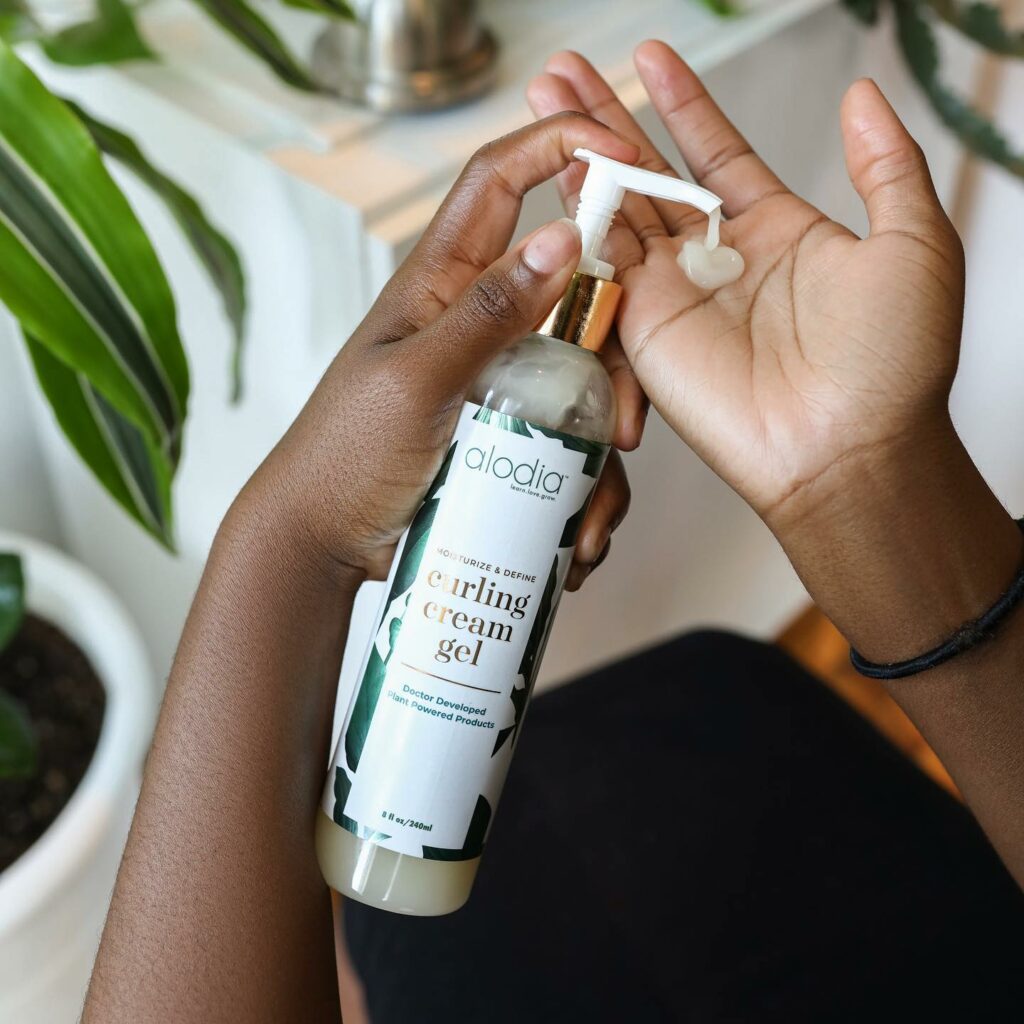
All the other participants in the trichology training Isfahan Chambers-Harris, founder of Alodia Haircare and a trichologist who has a doctorate in biomedical sciences, received were cosmetologists. “Cosmetologists and haircare specialists as well as hairstylists really benefit from a trichology certification because they’re the ones on the front lines of haircare,” she says. “They’re seeing clients with thinning in the crown, for example, or certain conditions like traction alopecia from styling.”
Caspara points out hairstylists have advantages that help their trichology practices. She says, “When people who have never touched a scalp nor understand the different types of scalps and hair textures enter the world of trichology, they don’t understand the consumer and all the perspectives gained from years of being a hairstylist.”
Caspara warns people seeking scalp advice that there’s no industry or government regulation policing trichology education and certification. “Anybody can take a course in trichology and become a trichologist, diagnosing and treating various hair and scalp conditions, but you must do your research because trichology is not medically organized, but rather a paramedical industry, so no scientists, doctors or medical professionals teach the courses and modules,” she says. “We need more individuals focusing on the scalp, but I also caution people to understand how easy it is to become a trichologist.”
Caspara is keen on trichology becoming a regulated industry because the products trichologists recommend can have health ramifications, including skin sensitivities. But trichologists don’t rely on invasive tools. Rather, a scope is their main implement. “We can look at the scalp blown up, but that’s it,” says Caspara. “In cosmetology, you’re using scissors, chemicals and sharp tools, which can cut and burn people inadvertently, so there are more precautions to follow, which is why hairdressing is regulated and trichology is not.”
After hairstylists, people typically visit dermatologists for hair and scalp issues. Trichology and dermatology are unique. While people can do both, their functions are distinct—and trichology is distinct from hairstyling, too.
“A hairstylist is not required to understand the scalp, nor is it part of their training,” says Reavey. “Although it will be on the syllabus for a dermatologist, they understand much more about the skin. A couple of dermatologists were in my trichology course because many of their patients come in with these hair and scalp issues, and some doctors want to go a little bit more in-depth.”
Another difference is that trichologists take more holistic approaches. “Trichologists don’t need to have an FDA-approved drug to give clients or a prescription, but that’s also the negative part of it,” says Reavey. “Sometimes people need to have something medicated prescribed, which is where the dermatologist comes in.”
However, Caspara believes that, until recently, the solutions dermatologists offered for scalp issues like cortisone shots, medicated shampoos, and prescription and over-the-counter topicals netted minimal results. “These are one-size-fits-all solutions despite multiple causes for why someone’s scalp acts up like diet, daily lifestyle, haircare practices, stress and hormones, which a dermatologist doesn’t have a full perspective of,” she says. “Trichology looks at a much broader perspective of scalp health and goes deep into understanding how the scalp works and how the hair grows.”
Chambers-Harris is a proponent of combining dermatological and trichological perspectives. “It’s not a matter of one is better than the other, but rather a cooperative approach that best benefits the individual,” she says. “Sometimes, dermatologists feel like trichologists are stepping on their toes and trying to take over their domain, but we all play our role in the overall well-being of the customer, and every expert has their level of expertise they bring to the table.”
According to market research firm Coherent Market Insights, the global scalp care market is projected to progress at a compound annual growth rate of 7.1% to go from $12.8 billion in 2022 to nearly $20.8 billion by the end of 2030. Trichologists are riding the wave of interest in the market.
Beauty professionals with a trichology certificate can expand their services and client base. The ability to diagnose scalp conditions and recommend a scalp care protocol, retail products and treatments enhances their bottom lines and potentially leads to partnerships. Yates says, “A trichologist is seen as an authoritative figure, establishing credibility.”
The new generation of trichologists is taking it to the next level. Some are setting up shop at salons, while others are opening elevated hair clinics or hair bars that concentrate on repairing the scalp and hair or teaming up with dermatologists for an extra layer of specialization. Reavey suspects more trichologists will hop on the trend of Korean or Japanese hair and scalp spas. She says there’s a white space for a hair clinic version of “FaceGym rather than clinical.”
Chambers-Harris’s trichologist expertise and biomedical sciences schooling is a boost for Alodia, which is available in almost 500 Target doors, at retail. “The fact that I’m a trichologist and have a medical background helped us get into those Target doors, giving Alodia more credibility,” she says. “For the customer, it was an important step in the right direction because I can educate them better on the benefits of the products…We’re not a superficial brand consisting of just avocado and rosemary oils. We can go deeper and help with scalp and hair problems that people are having on more of a medical level, and I think that has been a huge differentiator for us.”
Along with being founders of skincare brands, dermatologists are skincare brand ambassadors whose seal of approval is coveted—and haircare brands are following suit and leveraging trichologists to their advantage. Founded as a clinic in 1968, Philip Kingsley is a pioneering brand rooted in trichology. Along with Philip Kingsley, Act+Acre and Alodia, House of Dear, Ellà Viè, Advanced Trichology, Healthy Hair Studio and BioMethod are brands launched by trichologists.
“The recent rise in trichologist-developed brands results from consumers demanding real solutions for solving hair and scalp challenges,” says Yates. “Compared to traditional brands, trichologist-founded and -formulated products offer solutions backed by science with quantifiable efficacy studies.”

When Reavey began Act+Acre in 2019, she says talk about the scalp was scant in the beauty industry, and consumers lacked education about it. The brand has a roadmap of products that breaks down scalp care similar to how skincare brands break down skincare into specific concerns and products for them. Reavey says, “The hair industry is starting to understand that not every hair product works for every issue.”
Indie and legacy brands are looking to trichologists as they reimagine haircare in fashions akin to skincare with rigorous education programs, product regimens, and scalp and haircare rituals. Hiring a trichologist will cost brands at least $5,000 to $20,000 per month, and contracts can last six to 12 months.
“Trichologists are also often tapped to define specific ingredients to deliver on the product or brands’ claims, establish testing protocols, manage clinical trials, review and assess results, and summarize findings to quantify product benefits,” says Yates. “At a minimum, any scalp care product should have some relationship with a trichologist to lend credibility to their messaging.”
Caspara has lent her scalp and hair expertise to messaging for brands such as It’s a 10, Hairmax, Hair Club and Tangle Teezer, and haircare product launches by brands such as The Inkey List and Augustinus Bader. She says, “Anytime you try and implement a scalp routine, which is a new protocol for most people, if there’s no understanding of their existing habits, chances are there’s a slim possibility of effectuating their lives.”
The players
5 mentionediS Clinical

Better Being
Topicals
Harry's
Counter