TikTok Shop's Power Player Position In K-Beauty Discovery And Sales
Sales of K-Beauty products on TikTok Shop skyrocketed 132% in the first five months of 2025 from the same period a year ago. In the third quarter of this year, TikTok logged 740,000 new short videos centering K-Beauty, almost double the number made in the second quarter. Beauty consumers on TikTok are engaging with hashtags like #koreanskincare (3.1 billion views) and #kbeauty (2.1 billion views).
Seizing on the momentum of K-Beauty, its top-selling beauty category, TikTok Shop recently hosted K-Beauty Collective, a weeklong sales campaign that culminated in a pop-up event in Los Angeles. Over the last weekend of September, 2,470 attendees crowded an 11,500-square-foot space on Melrose Avenue to try and buy products in person from more than 17 Korean brands, including Medicube, VT Cosmetics, Missha, Tocobo, Centellian 24 and Sungboon Editor.
During the sales campaign that ran from Sept. 23 to 30, TikTok’s digital commerce business sold 329,000 units of K-Beauty products. New content with the #kbeautycollective hashtag garnered 11.2 million views.
“Korean beauty just continues to grow and grow because I think there’s a consumer demand for interesting, different beauty that’s also very effective,” says Ajay Salpekar, head of beauty for TikTok Shop. Moreover, connecting with content creators is crucial to success since “creators are consumers, they’re just power users,” he says.
Rahee Lim, director of global sales and marketing division at Tirtir, says, “TikTok Shop is the most important channel now.”
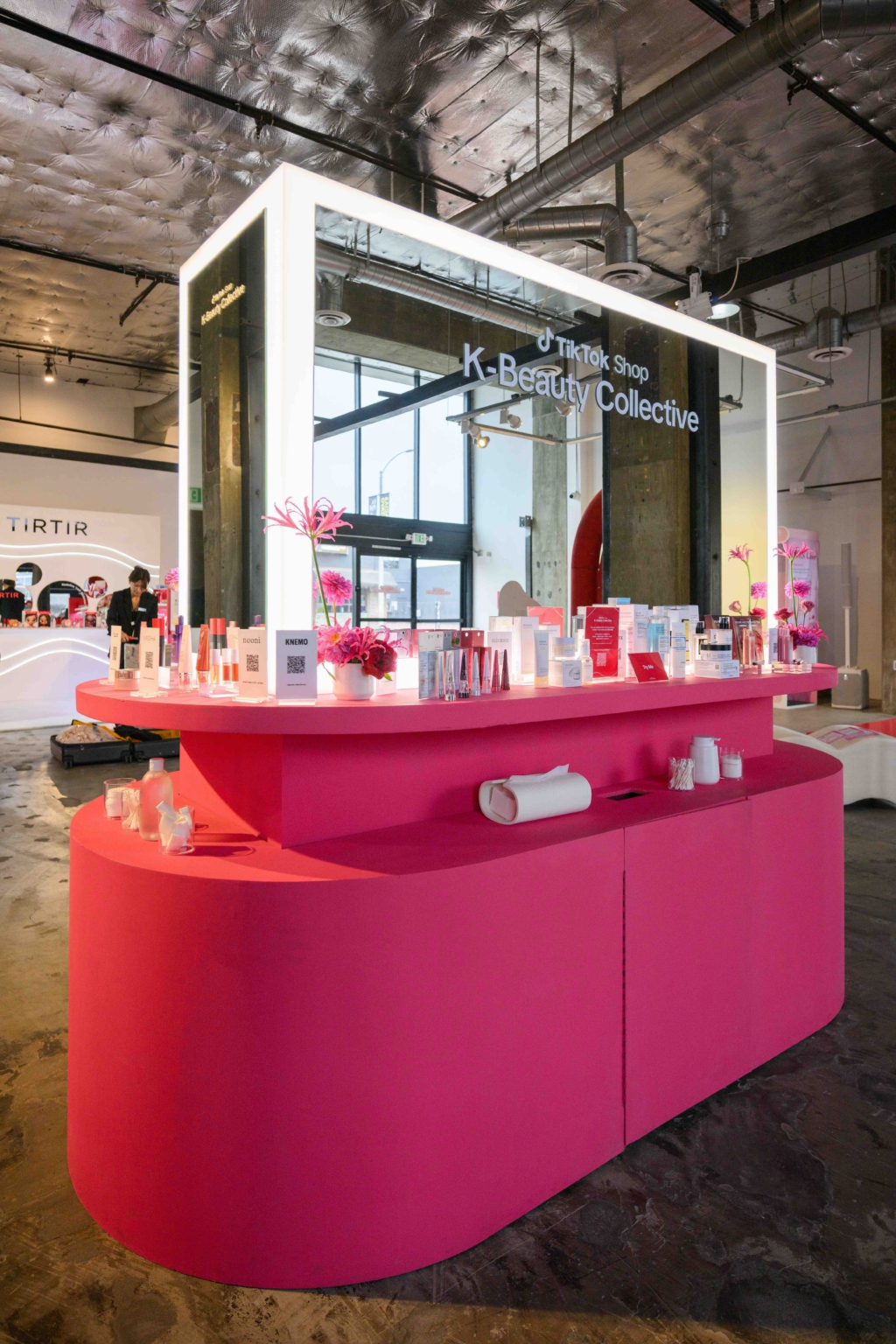
Established in 2018 and acquired by Goodai Global last year, the brand offers over 30 shades of its cushion foundation along with skincare speaking to the “glass” skin trend. After going international in 2023 and premiering on TikTok Shop in 2024, Tirtir marked a milestone on the platform in late September as the No. seven top-selling brand in the U.S. The brand rolled out to Ulta Beauty stores nationwide in August.
Beauty and personal care is the leading category on TikTok Shop. As of June, NielsenIQ data estimated TikTok Shop was the sixth biggest online retailer in the U.S., and the market research firm figured beauty sales on the platform were up 185% year-over-year, with year-to-date beauty sales of $665 million. Three-quarters of buyers during TikTok’s shoppable livestreams are repeat customers.
One beauty executive revealed TikTok Shop’s cut is 7%. The publication Barron’s reported that the U.S. accounted for 30% of TikTok’s global in-app sales in the third quarter last year, and that so far this year TikTok generated $1.3 billion in U.S. in-app revenue.
Cosrx, the Amorepacific-owned brand known for its viral products containing snail mucin, used TikTok’s K-Beauty Collective event as an opportunity to highlight peptides as hero ingredients and promote its haircare line that launched worldwide in July. After all, Downey Lee, Cosrx’s executive in charge of overseas marketing, says, “Scalp is skin.”
One of the fastest growing skincare brands in the U.S., Cosrx is a top five skincare brand on TikTok Shop. Its September sales on the platform nearly doubled its July sales, driven in part by TikTok queen Mikayla Nogueira’s content on Cosrx’s Peptide Collagen Hydrogel Eye Patch, which surpassed 12 million views on Sept. 24, per information from the brand.
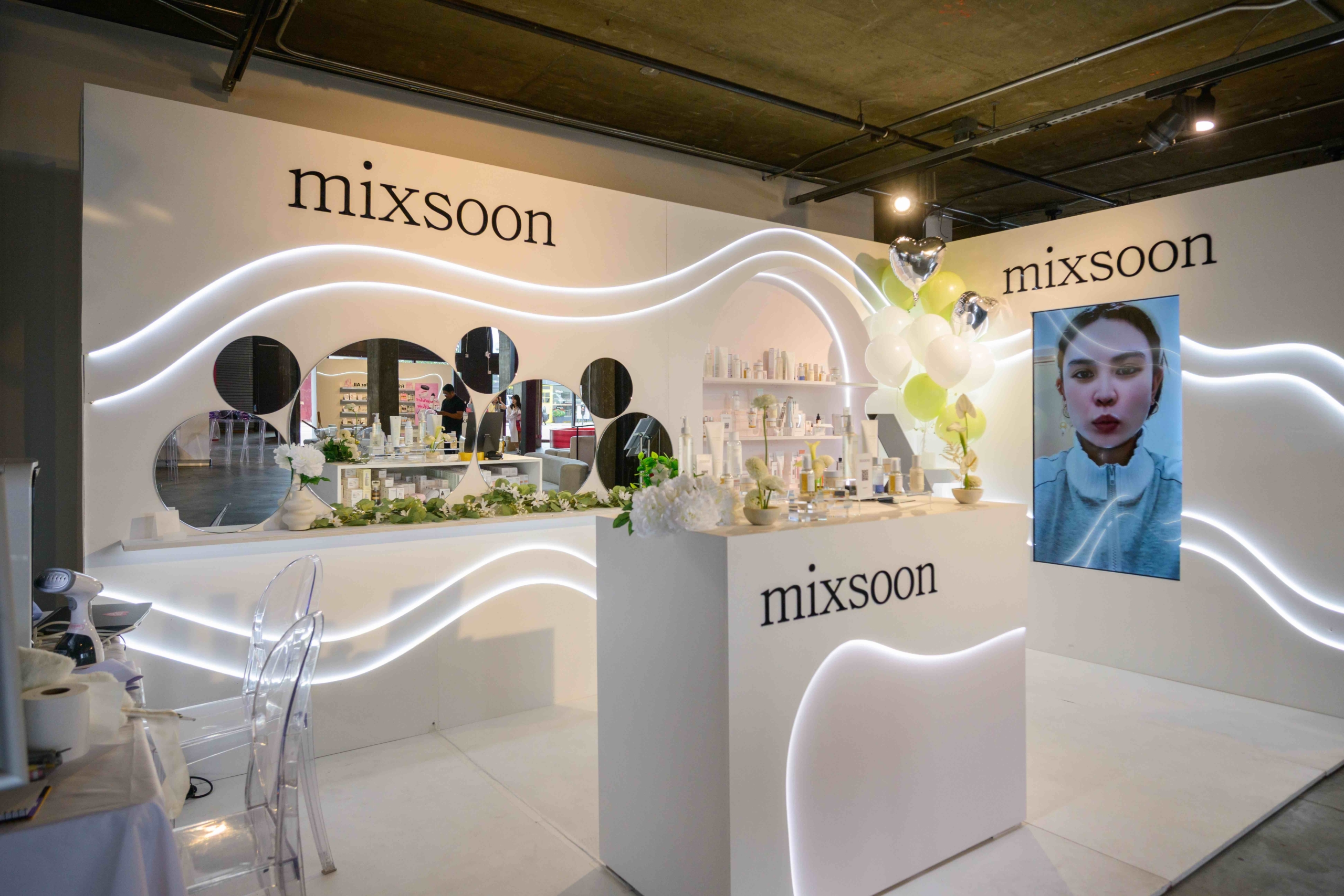
Mixsoon started selling on TikTok Shop in February. Its sales on the platform tripled to $1.8 million in the second quarter from $583,000 in the first quarter, thanks to a five-piece glass-skin bundle made with ingredients such as centella asiatica and fermented soybean extract. It aims to entice more TikTok users to be the next top creator, who can earn $30,000 in commission from selling $187,000 in merchandise.
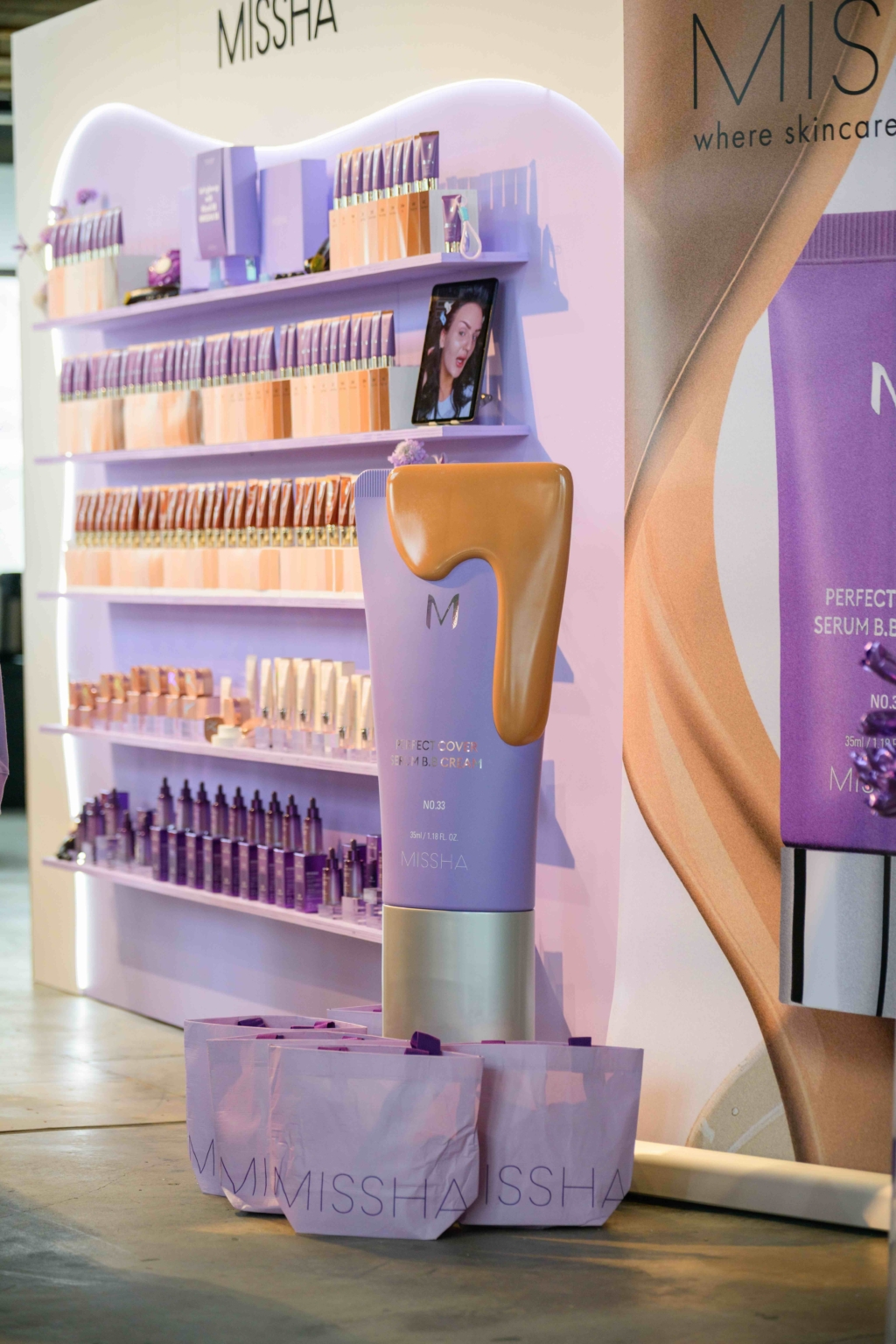
Mixsoon’s collaboration with Korean Argentine influencer Tati en Corea helped the brand reach the Latina community, which makes up approximately half of its U.S. customers, says Suyoung Kim, director of global business. She adds that the brand’s fan base also skews older, with many over 35.
“We’re going to focus more on going global,” Kim says, noting plans to travel to South America and Southeast Asia. TikTok Shop’s entrance this year in Mexico and Brazil is “very good” for Mixsoon’s strategy, she says. “It’s really our major channel. We’re investing a lot.”
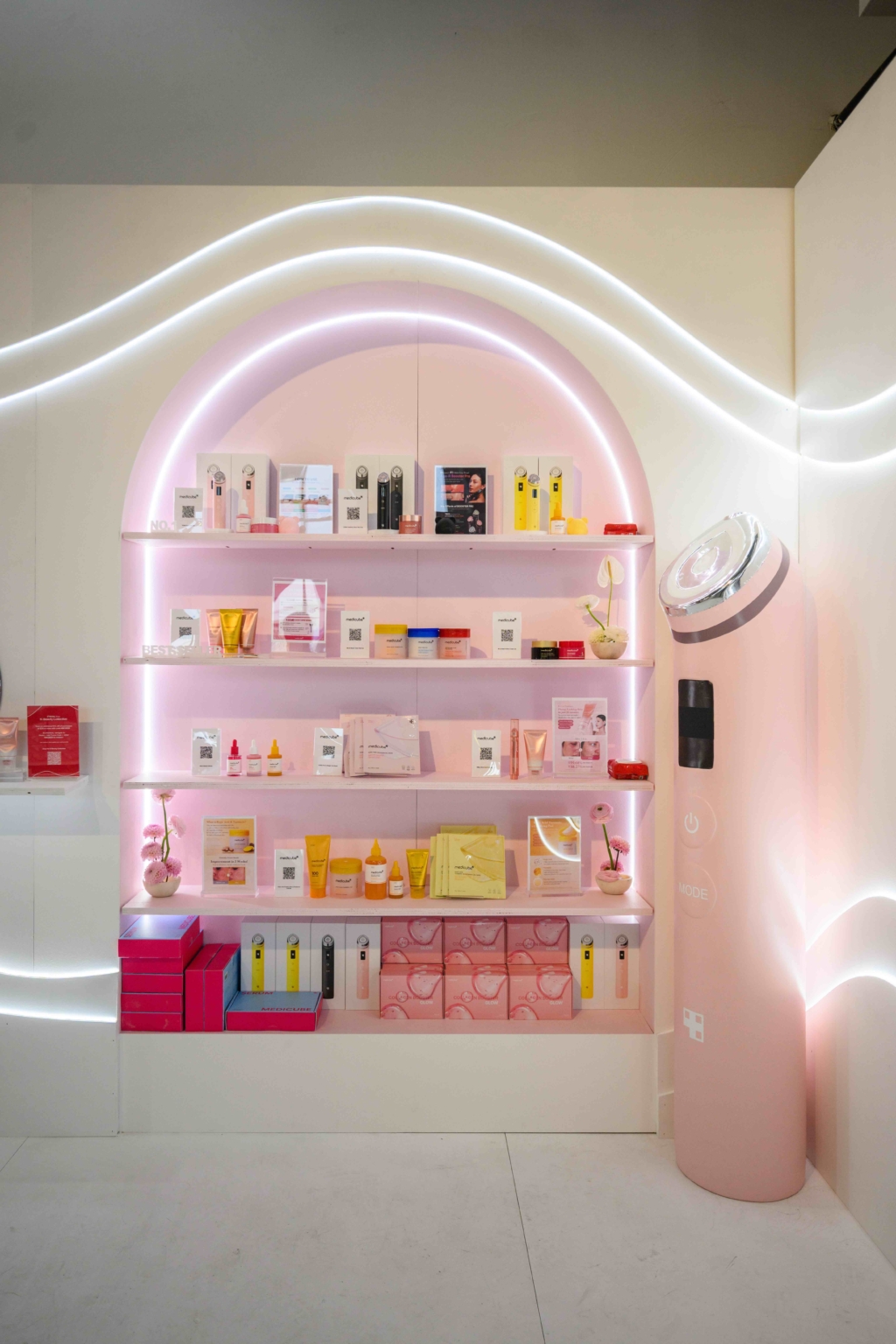
Medicube discloses it climbed to the No. 1 spot in the beauty category six months after launching on TikTok Shop 18 months ago. The APR Corp.-owned brand’s monthly sales on TikTok are estimated at around $3.5 million, and its TikTok Shop page shows it’s sold 2.2 million units to date.
K-Beauty brands are advancing in the U.S. market as their American counterparts have slowed innovation and focused on fewer, bigger launches, according to Mintel. The market research firm reported that South Korean-made skincare debuts in the U.S. have jumped 20% since 2020, while U.S.-manufactured products have declined 16%. In particular, Mintel predicts that “gwang,” or a Korean term referring to glowing skin, is the next big trend to watch.
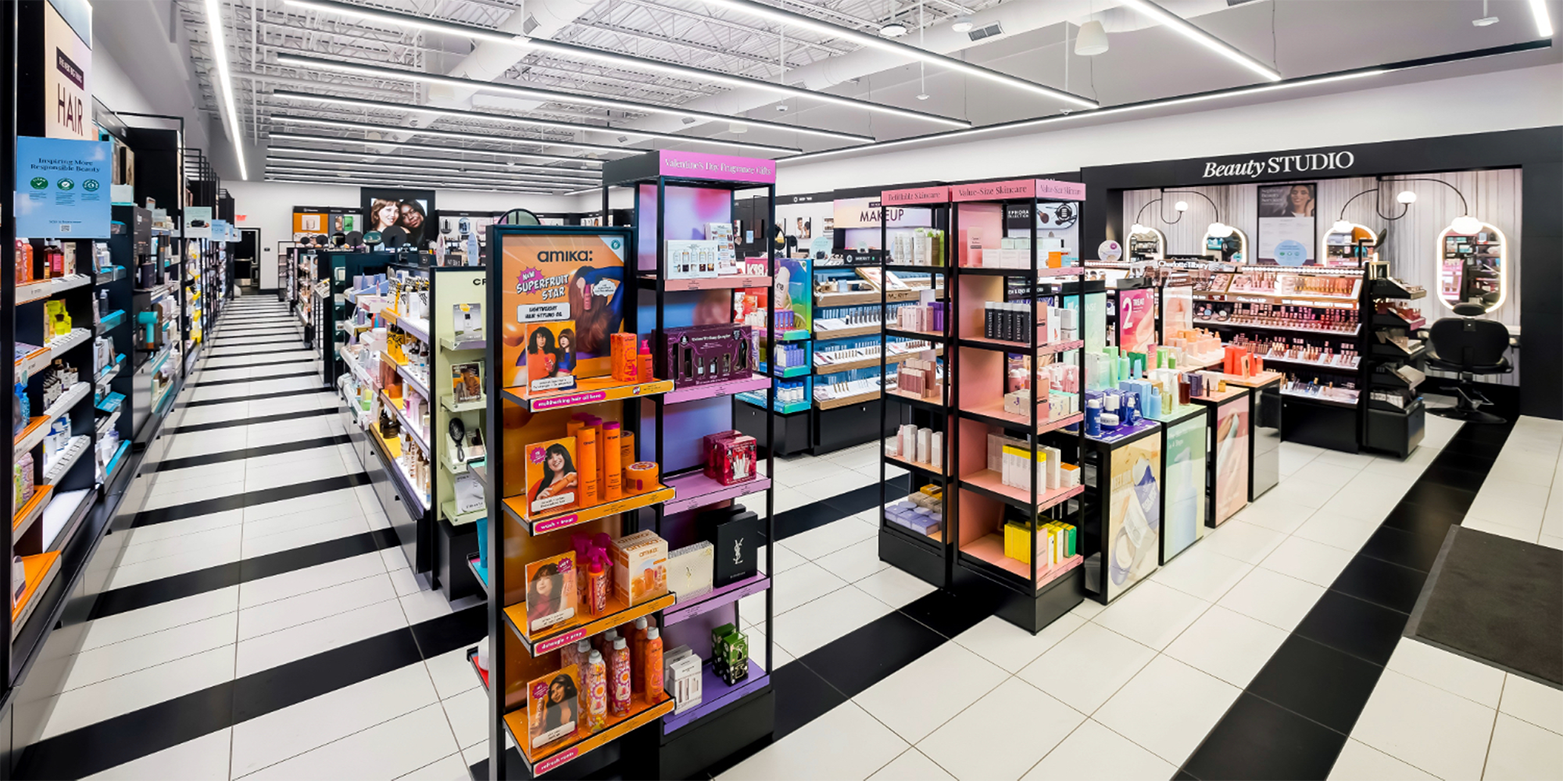
Retailers are capitalizing on K-Beauty’s popularity. Along with hosting in-store events, Sephora and Ulta have expanded offerings from brands such as Anua and Beauty of Joseon. Olive Young, the retailer operating over 1,370 stores in South Korea and sourcing from 10,000 independent brands as well as its own private labels, is prepping to open its first U.S. store in Los Angeles next spring.
Not to be outdone, Amazon recently unveiled a dedicated K-Beauty storefront with 200 new products and more than 60 exclusives, including Arencia’s Black Tea Rice Mochi Cleanser and Torriden’s Dive In Serum and Soothing Cream bundle. The e-commerce behemoth couldn’t overlook the commercial opportunity. Growing three times faster than its average beauty category, K-Beauty makes up more than 20% of all customer beauty searches on the site in the U.S.
Moreover, Amazon lists more than 1,200 K-Beauty brands with over 20,000 unique products available in its U.S. store. To get its message out on social media, Amazon teamed with content creators including Jane Tsui, aka @janethechemist.
TikTok Shop welcomes the influx of retailers to K-Beauty as it notes the halo effect benefits the industry overall. “Four in five TikTok users say they discovered either a new brand on TikTok Shop or a new product from a brand they already knew, and so consumers are going to engage with the brand in store, on brand.com or on TikTok Shop,” says Salpekar. “That many Korean beauty brands start on TikTok Shop, build awareness and then enter distribution, [expand] to retail or become household names, that’s a point of pride for us.”
Salpekar suggests that possible changes in TikTok’s ownership in the U.S. won’t impact TikTok Shop’s trajectory or its beauty strategy. On Sept. 25, two days before the K-Beauty Collective pop-up’s opening, President Donald Trump signed an executive order to allow a coalition of investors outside of Chinese-based owner ByteDance to run the social media platform in the U.S. so it can keep operating stateside. He identified Oracle’s Larry Ellison, Fox Corp.’s Lachlan Murdoch and his father Rupert and Dell Technologies’ Michael Dell as potentially involved in a deal.
The Trump administration has placed a value of $14 billion on a U.S. TikTok company. That’s about the same market capitalization as Snap Inc., the parent company of Snapchat, which was estimated in early 2025 to have 106 million U.S. users or a third fewer than TikTok’s 170 million monthly active users in the U.S.
Salpekar says, “TikTok Shop is discovery commerce, and there’s a real need for discovery commerce in the U.S., and that is what we continue to build.”
The players
5 mentionedUnder Your Skin

AS Beauty
Mixsoon
Amorepacific
August