What The Honest Co.’s DTC Exit Reveals About The Channel’s Shifting Role
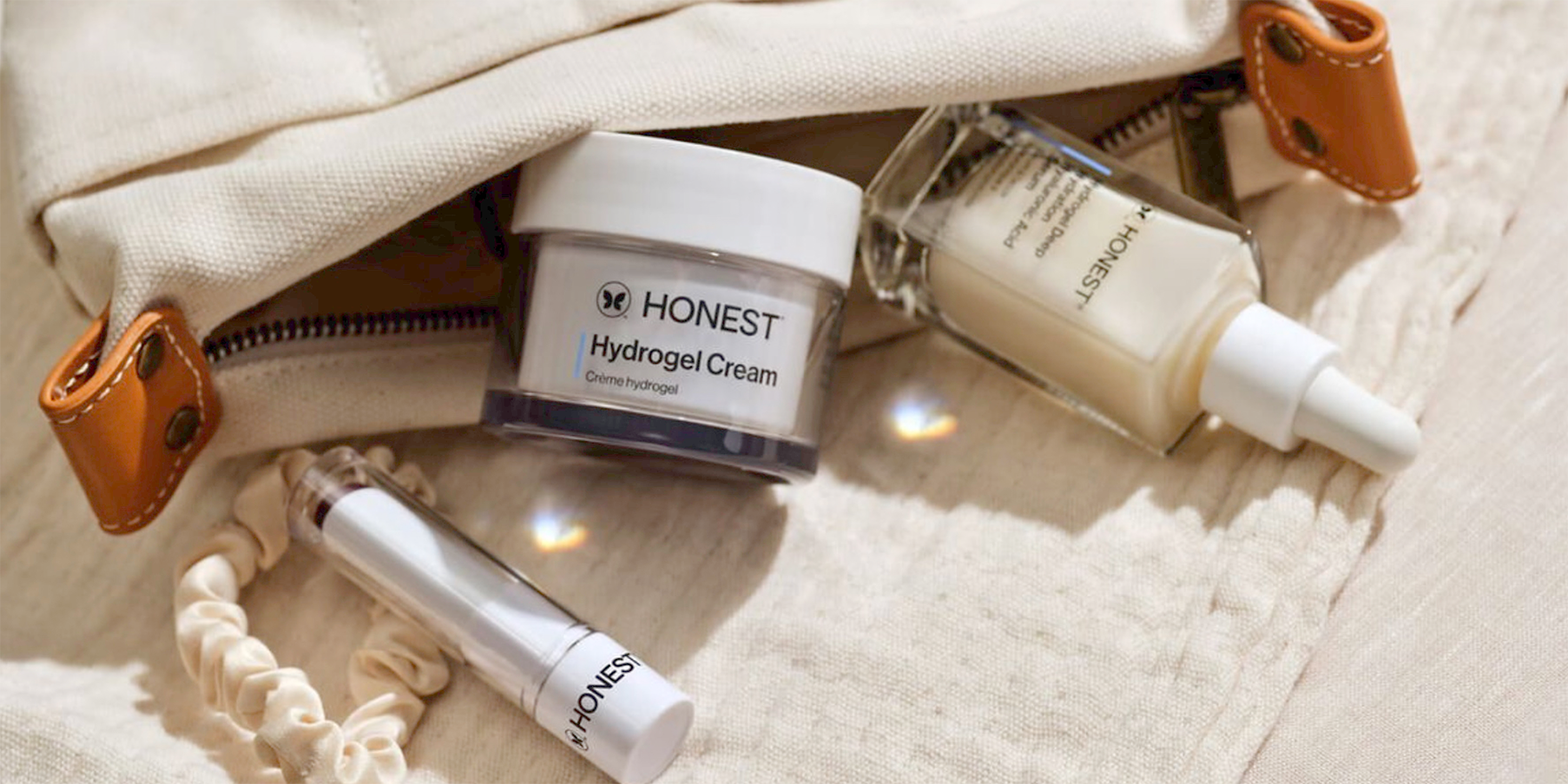
In news first reported by Retail Dive on Dec. 19, Honest, which launched as a direct-to-consumer business in 2012, shut down e-commerce sales on its website and app on Dec. 28 as part of a turnaround plan. The brand remains available through retailers, including Walmart, Target, Amazon, Kroger and H-E-B.
In a note to customers, Honest wrote, “These updates were made with you, our loyal Honest family, at heart and will allow us to focus on what matters most: developing and designing products that meet our rigorous Honest Standards for you and your loved ones.”
Honest’s exit from DTC comes amid broader challenges for the brand. Its stock has been trading in the low-$2 range, and it missed revenue expectations with third-quarter sales of about $93 million. It also comes amid a wider reassessment of DTC’s role across consumer brands. Digital customer acquisition costs are widely viewed as elevated, Amazon’s dominance continues to grow, and many industry observers say the rise of artificial intelligence is upending long-held assumptions about search, discovery and distribution.
Many beauty industry observers predict that DTC headwinds will intensify as AI platforms like ChatGPT increasingly function as search home pages and the Google-driven discovery model of the past loses relevance. However, Leslie Ann Hall, founder and CEO of beauty media agency Iced Media, takes the opposite view, predicting an AI-fueled resurgence of DTC.
“We’ve been calling the post-COVID period a return-to-retail era, but we expect that changes to ChatGPT and integrations with other large language models will drive e-commerce shopping on brand websites to levels we haven’t seen since COVID,” she told Beauty Independent for an article on 2026 predictions. “That’s going to be a boon for many independent and challenger brands.”
With signals around DTC pointing in different directions, we’re looking for clarity on the evolving role of DTC. For this edition of our ongoing series posing questions pertinent to indie beauty, we’re asked six e-commerce experts the following: Should brands expect the share of sales coming from DTC to grow or shrink? How should they adapt their distribution strategies accordingly? And can you offer specific, hypothetical examples of where DTC might ultimately land as a percentage of total sales across channels?