Sephora’s Olive Young Partnership Ups The Stakes In The K-Beauty Battle
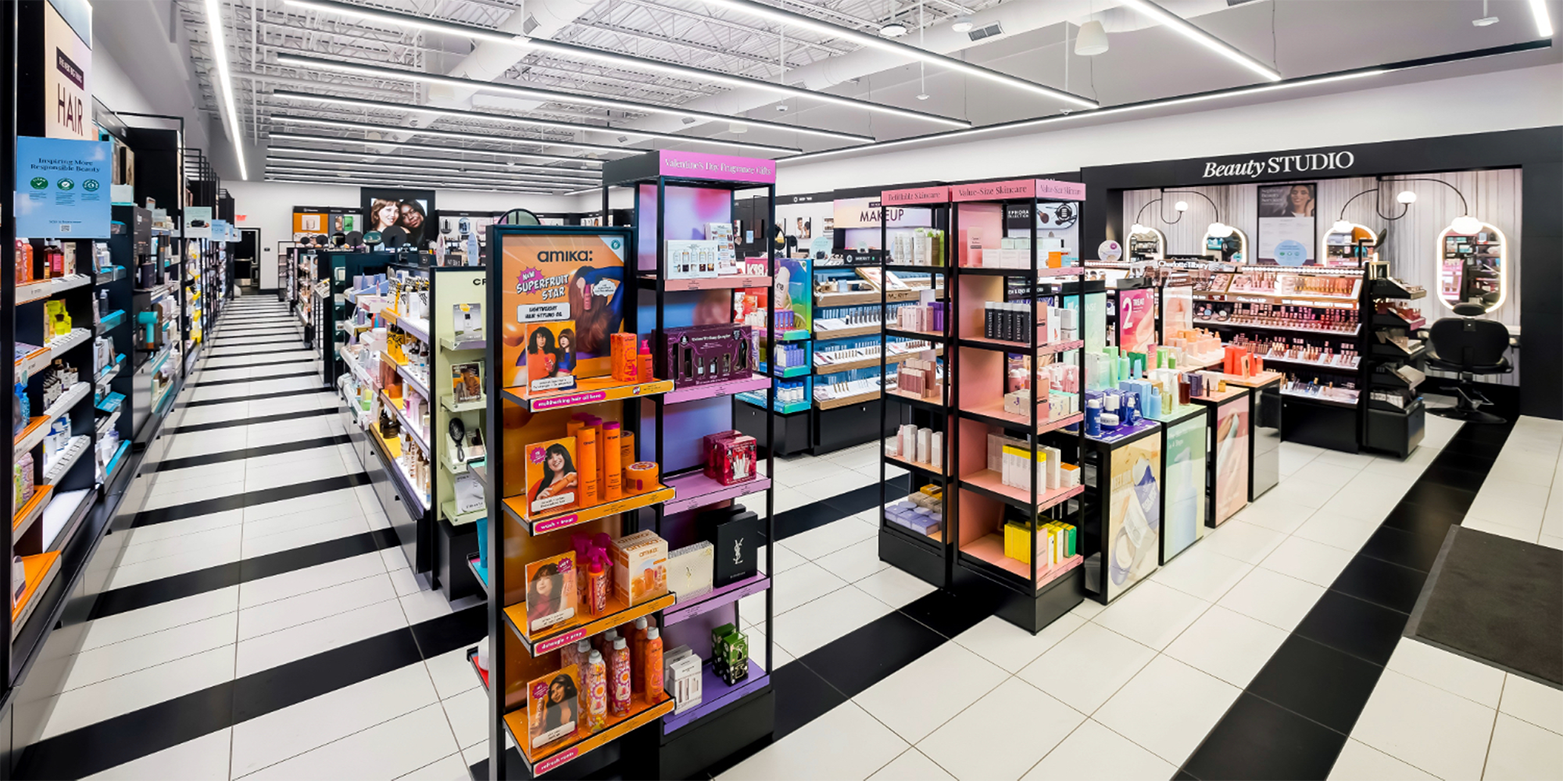
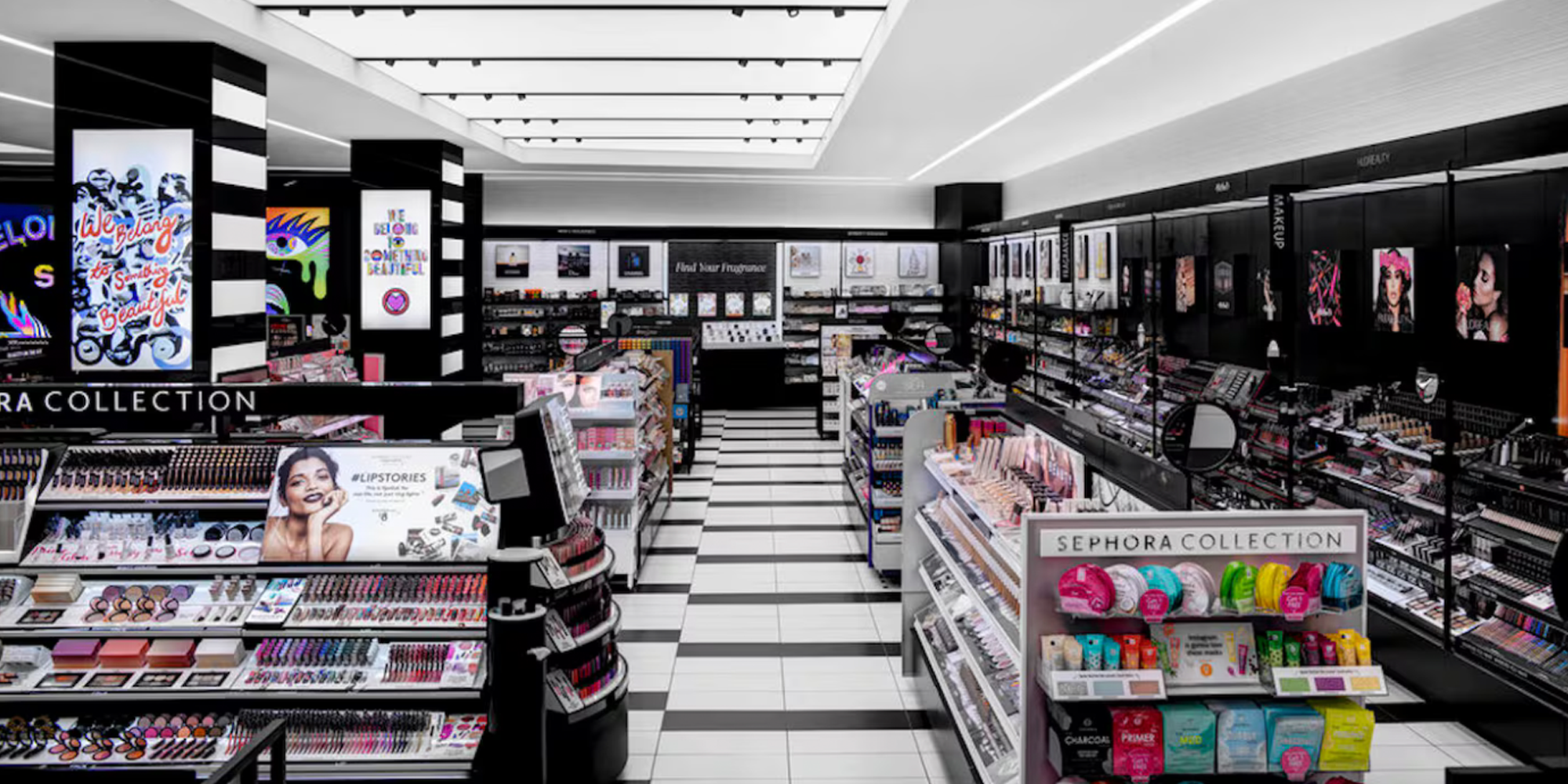
The partnership, which was first covered by the publication The Business of Fashion on Tuesday, will take Olive Young-guided assortments to 650 Sephora locations in North America and 48 locations in Thailand, Hong Kong, Malaysia and Singapore this fall. Additional rollouts are expected in the Middle East, United Kingdom and Australia next year. To begin, the assortments curated by Olive Young will focus on skincare, K-Beauty’s most popular category by far, and they will distinguish themselves within Sephora from both a curation and merchandising standpoint.
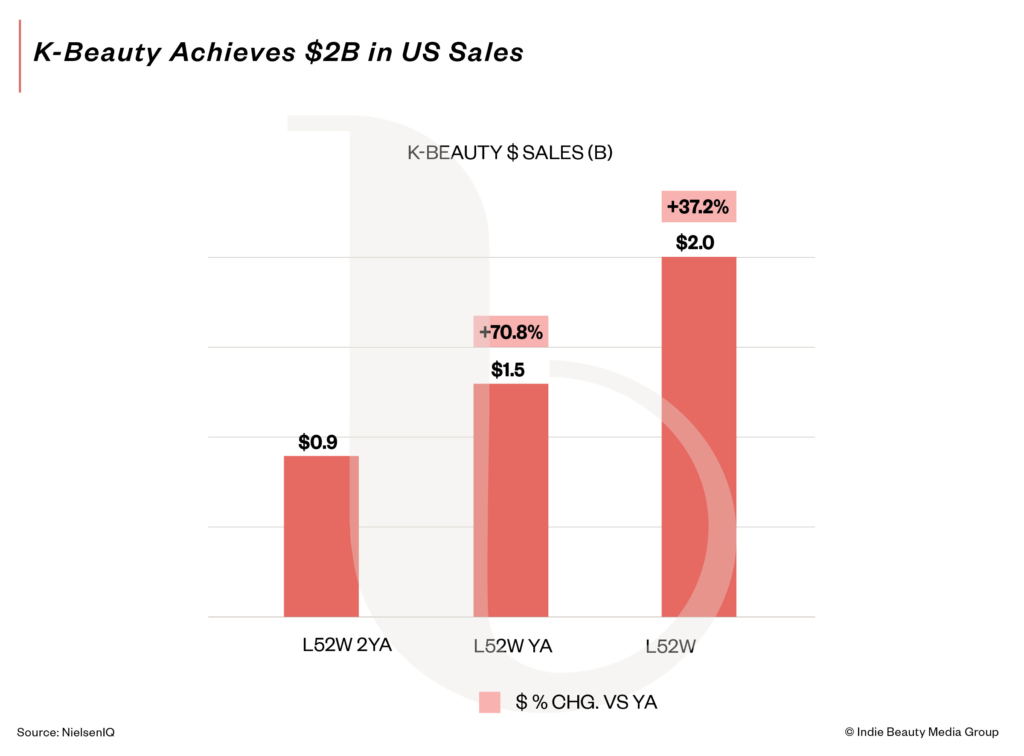
With American innovation falling behind South Korean advancements, competition for K-Beauty’s latest and greatest has been fierce, and it’s not as if Sephora hasn’t already been vying for a piece of K-Beauty, which skyrocketed 37% to ring up over $2 billion last year in the U.S., according to market research firm NielsenIQ, and is projected to rise to $9.9 billion by 2032, according to distributor Landing International. The beauty specialty retailer carries K-Beauty heavyweights like Beauty of Joseon, Aestura, Hanyul, Eborian, Laneige and Sulwhasoo.
Fama Ndiaye, a K-Beauty strategist and founder of marketing agency Kworld Media, argues that customers will win as U.S. beauty retailers trip over themselves to secure the buzziest K-Beauty brands. “For shoppers, this means more choices, more entry points and more ways to explore K-Beauty,” she wrote in a LinkedIn post on Tuesday. “Sephora’s Olive Young deal signals a deeper level of investment…Ulta is betting on variety and experience…both moves suggest that K-Beauty will become even more central to the future of beauty retail.”
In contrast to K-Beauty’s boom, growth in the broader U.S. beauty market has been measured, with prestige beauty sales up about 4% and mass beauty up roughly 5% through the first nine months of 2025, according to market research firm Circana, underscoring why retailers are chasing the accelerating K-Beauty segment. Ulta has been aggressively courting K-Beauty brands and has snagged popular K-Beauty brands on TikTok like Anua, Medicube and Tirtir. It teamed up with Landing International last year on K-Beauty World to bring in over 200 K-Beauty brands. Target, Walmart and Costco have been enlarging K-Beauty selections, too.
Olive Young, the CJ Group-owned operator of more than 1,390 stores in South Korea, where it’s the largest beauty retailer, plans to expand to the United States in May, starting with Los Angeles-area stores in Pasadena and Century City. The Business of Fashion reports that Olive Young’s U.S. stores will stock about 200 brands, including Anua, Ma:nyo, Sungboon Editor, Dr. Althea, Mediheal, Round Lab, D’Alba and Purito.
Ahead of Olive Young’s American premiere, Brent Ridge, co-founder of skincare brand Beekman 1802, writes in a LinkedIn post on Wednesday “that a gauntlet has been thrown” by Sephora. With its Olive Young partnership, he explains Sephora will be “able to identify brands or products with momentum and perhaps offer them exclusively to Sephora. This coupled with Sephora’s new approach to affiliates—giving creators their own storefronts—can be a big threat to Ulta Beauty, TikTok Shop and even Amazon.”
Vanessa Nabhani, co-founder and CEO of Los Angeles K-Beauty retailer Playlab Beauty, agrees, saying, “The speed at which the demand for K-Beauty is growing in the U.S. is hard for both retailers to keep up with. Sephora will gain from Olive Young access to the trendiest products with a single partner. Olive Young will gain from Sephora instant distribution expansion in the U.S. as well as brand awareness with a highly engaged beauty consumer.”
The partnership could also be a strategy as Sephora defends its turf from the onslaught of digital players. There’s an intense K-Beauty battle being waged by Amazon and TikTok Shop. On Amazon, the biggest beauty retailer in the world, Medicube and Biodance ranked in the top 10 skincare brands last year. In 2023, Amazon’s K-Beauty revenue climbed 78% year over year, and sales were forecast to double the following year.
On TikTok Shop, where the latest South Korean trends are catnip for content, K-Beauty sales soared 132% last year, outpacing overall sales on the platform. The hashtags #KoreanSkincare and #KBeauty have garnered billions of TikTok views for leading brands like Cosrx, Missha, Mixsoon, and VT Cosmetics. According to NielsenIQ, 70% of K-Beauty sales occur online in the U.S., with TikTok Shop contributing an outsized portion of visibility and conversion.
Although Olive Young may give Sephora speed to market on fast-moving K-Beauty trends, there’s a risk K-Beauty’s affordability proposition could eat into the prestige beauty retailer’s pricing structure.. “K-Beauty is playing a high-volume, low-margin game. If you think about who’s set up for that, that’ll be your winner,” says Nabhani, referring to Amazon and TikTok Shop.
Daniella Jung, founder and CEO of K-Beauty distributor Most Inc and wholesale curation platform Muskat, concurs, pointing out that Olive Young’s explosive success in South Korea is driven by price competitiveness. “Sephora is fundamentally a full-price retailer with limited discounting,” she says. “It remains to be seen whether the same level of commercial impact can be replicated in the U.S. market.”
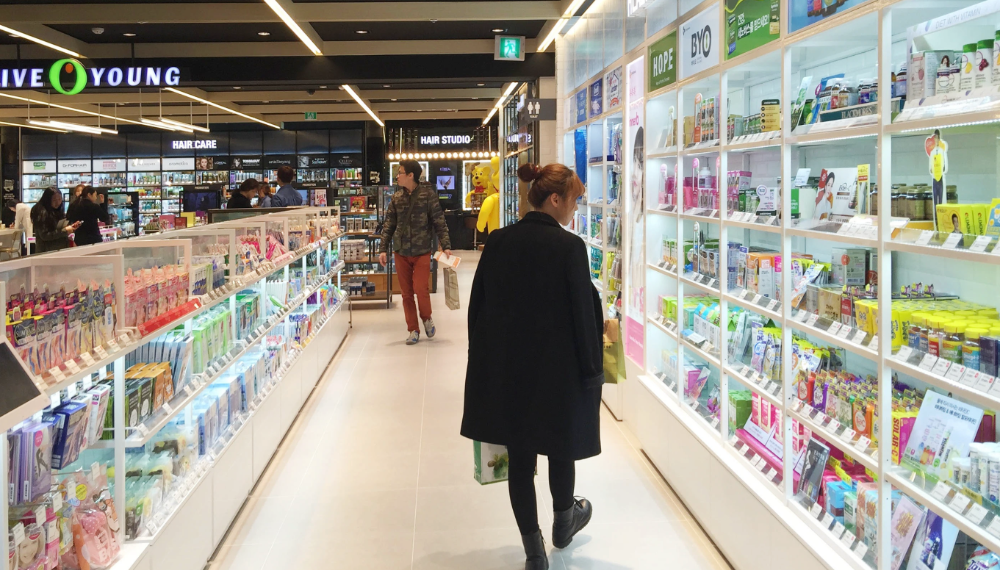
Olive Young has secured South Korea’s top position in beauty retail by selling products generally priced between $13 and $35. The 27-year-old chain commands between 20% and 30% of the local beauty market. Its dominance effectively pushed Sephora out of South Korea in 2024, five years after the beauty specialty retailer opened a location in the country. Olive Young owner CJ Group has a market cap of about $4 billion.
Jung emphasizes that Sephora and Olive Young must effectively manage the differences between their selling and merchandising strategies to secure long-term success for the partnership. She says, “That said, from a curation and discovery perspective, this feels like a well-aligned partnership.”