From Face To Scalp: Serums Grow The Hair Growth Category
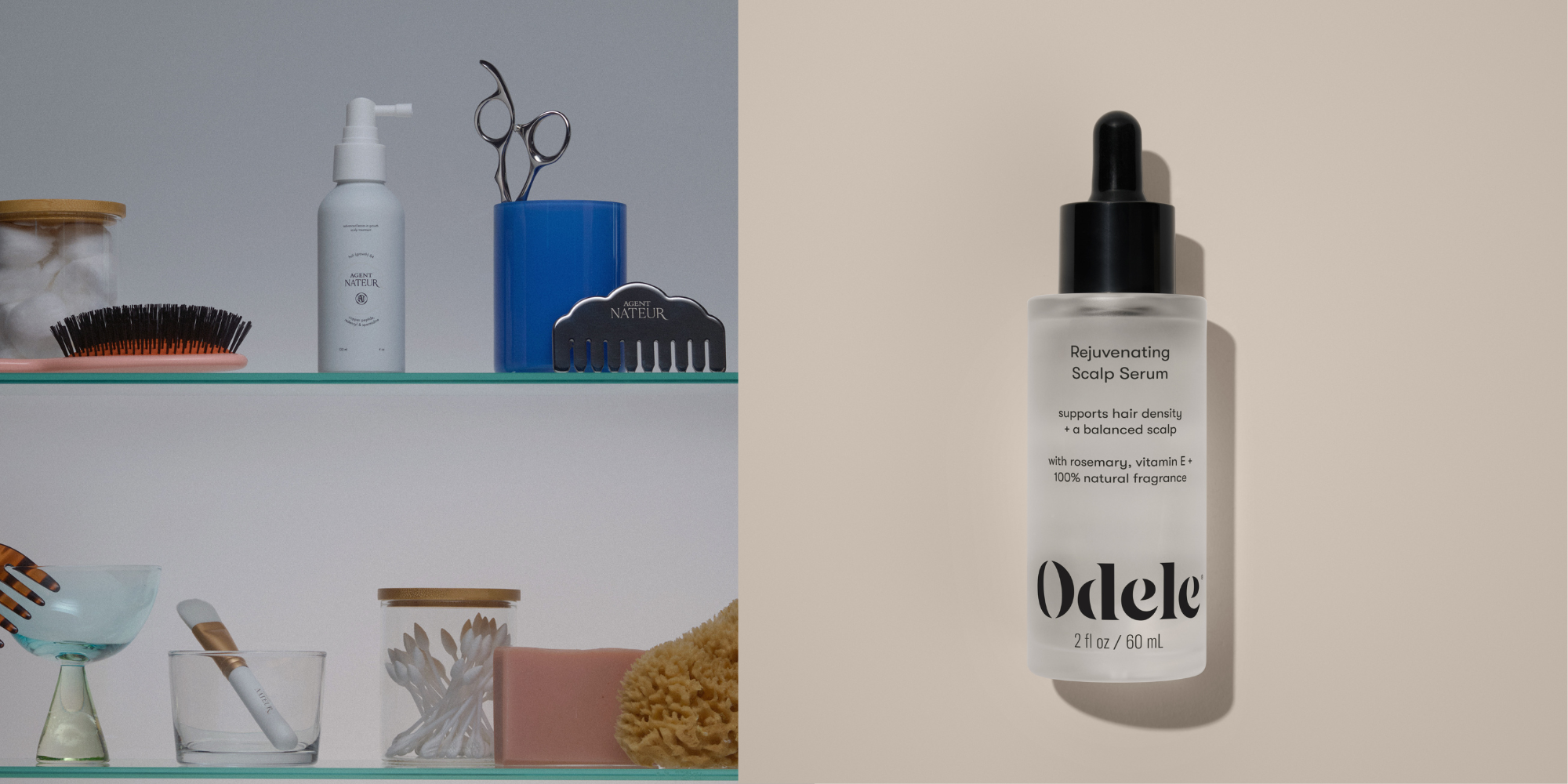
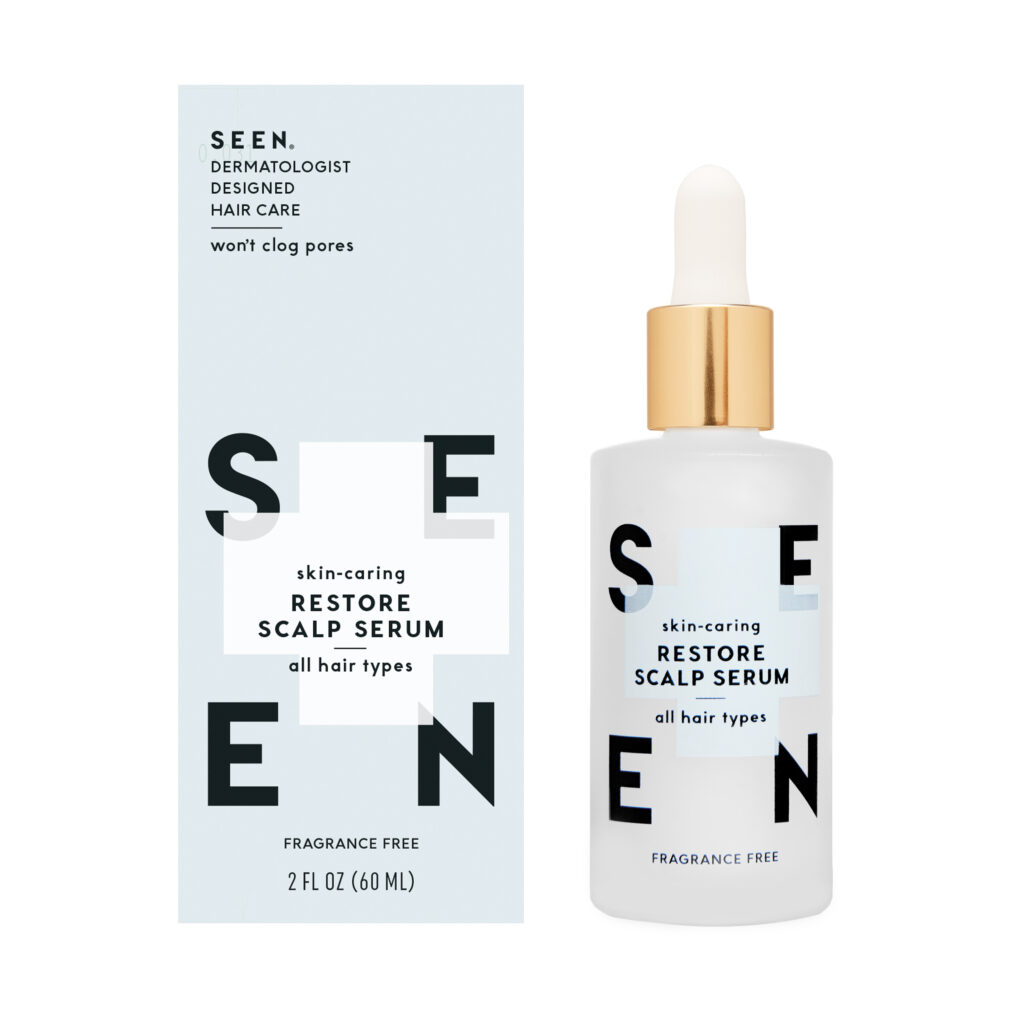
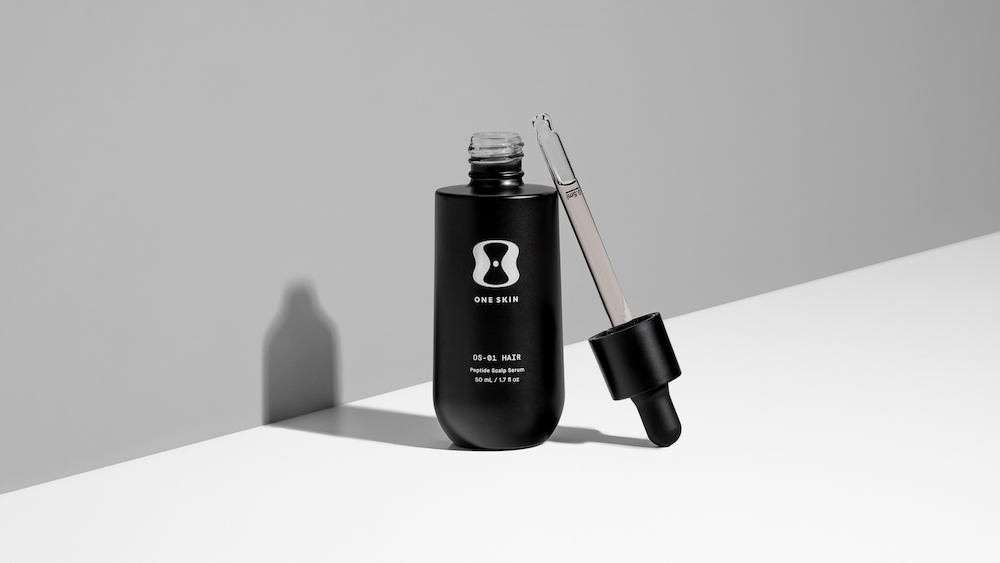
Odele, Nulastin, Kyir, Roots by Genetic Arts, Seen, OneSkin, Agent Nateur and Biologique Recherche have all recently introduced scalp treatments. Scalp serums are at the heart of new hair brand Nutrire’s proposition, and it has day and night versions meant to be paired in simple haircare routines with shampoos and conditioners.
Agent Nateur’s scalp serum, Holi (Growth), sold out in 12 hours after it launched exclusively at Violet Grey on Jan. 27. The product, which took a year to develop and is designed as a leave-on spray that allows users to dry their hair as usual, is a prelude to the brand expanding further in haircare, a category founder Jena Covello notes has been soaring for many of its retail partners. She says, “So many people have dealt with hair loss and shedding post-COVID or postpartum and are actively seeking safe, but effective solutions.”
For beauty consumers, the leap from serums for the face to serums for the scalp isn’t a huge one, and the serums broaden scalp care from oils that have long been used by different cultures around the world and have flooded the U.S. market in recent years.
With stacked ingredient decks intended to amplify their potency, hair serums often have a gel or watery base like face serums. Consumers are generally instructed to apply them occasionally and carefully massage them into the scalp.
Scalp serums are in line with the biggest trends in haircare—the “skinification” of hair that’s seen multistep haircare routines and haircare products emulating skincare products—and scalp care’s surge. According to market research firm Coherent Market Insights, the global scalp care market is projected to accelerate at a compound annual growth rate of 7.1% to reach $20.79 billion by 2030.
Carson Kitzmiller, senior beauty and personal care analyst at market research resource Mintel, says, “We are seeing consumer desire across haircare routines—this is all formats, shampoo, conditioners, hair styling as well as treatments—for support for hair loss and hair growth. Those are the top hair concerns that we hear across ages. We typically and would expect to see that around the 35- to 44-year-old age group, we’re actually seeing that even younger consumers, 18 to 24, 25 to 34.”
Usually priced at least double shampoos and conditioners, serums are investments for consumers—and they’re increasingly willing to invest in haircare. Kitzmiller points out that haircare overall is gaining a greater share of beauty consumer spending. “We do see many more consumers, particularly younger consumers, leaning into and prioritizing their haircare spend over things like body care, color, cosmetics, where it’s always been about facial skincare,” she says. “We’re seeing haircare and hair treatments actually be more prioritized.”
She continues, “We’re seeing that many consumers are tackling hair concerns from all angles. About three quarters of consumers are using beauty and personal care in general to enhance their appearance. Sixty-eight percent of consumers say they changed their lifestyle—so sleep, diet, stress, etc.—to impact their appearance, and we specifically are seeing that kind of movement, where it’s been focused more on facial skincare in the last five years or so, in the last two or three, we’ve seen that really pushed into the haircare space.”
Serums are an easier entry point into scalp care than supplements that are a bridge too far for some beauty consumers, and some supplements are associated with health concerns that beauty brands would rather stay away from. Nutrafol, the brand known for its hair growth supplements that was acquired by Unilever in 2022, has been linked to liver damage.
Before launching its $12.99 Rejuvenating Scalp Serum, Odele asked over 1,000 people about the types of products they seek out for scalp health. Only 30% mentioned supplements, while 71% mentioned shampoo and conditioner, and 55% mentioned serum. Odele co-founder Lindsay Holden says, “There is certainly space and opportunity for all forms of scalp care, but we started with the most approachable and in demand for the space.”
With consumers fatigued of pills and supplements having a hard time cracking the beauty retail code, scalp serums are more appealing additions to beauty assortments. Even for retailers like Goop and Nordstrom, supplements have been basically a no-go in beauty lately. Speaking of beauty retail buyers, Kelly St. John, founder of KSJ Collective, a strategic growth consultancy with Nulastin among its clients, says, “If it goes in your mouth, can’t talk about, don’t even pitch it to me.'”
On the other hand, St. John is seeing enthusiasm from retail buyers for non-supplement hair products. She says, “They are all really keenly listening for what is new to their assortment, and I definitely think that, when we are talking about the category, it is the hair growth and hair strengthening that gets them like, ‘OK, I want to hear more.'”
Entering Bluemercury in the fall, Nulastin launched $136 Vibrant Scalp Treatment last year and will soon extend its scalp offerings into shampoo and conditioner. Nulastin has 39 issued patents, and that intellectual property is attractive to Bluemercury, but St. John acknowledges translating its science in stores will be a challenge. “You’re constantly having to educate,” she says. “The heaviest lift beyond marketing it correctly is, how do you educate and continue to educate and make sure that those associates are comfortable talking about the ingredients and the various patents?”
Daniel Faierman, partner at investment firm Habitat Partners, believes scalp care brands should lead with science-backed results, conduct third-party clinical to support effectiveness and show before-and-after images, but warns against them getting “overly medicinal.” He says they should have “inspiring, fun brand messaging that celebrates scalp health [and] breaking stigmatization.”
Of course, hair growth supplements aren’t going away. In fact, there continues to be new entrants in the space, notably Omi WellBeauty, a brand that’s premiered on QVC founded by serial wellness entrepreneur Naomi Whittel with backing from Khloé Kardashian and Kris Jenner. Faierman is most bullish on hair growth companies with a suite of products—topicals, nutraceuticals and even pharmaceuticals—that can be used in tandem.
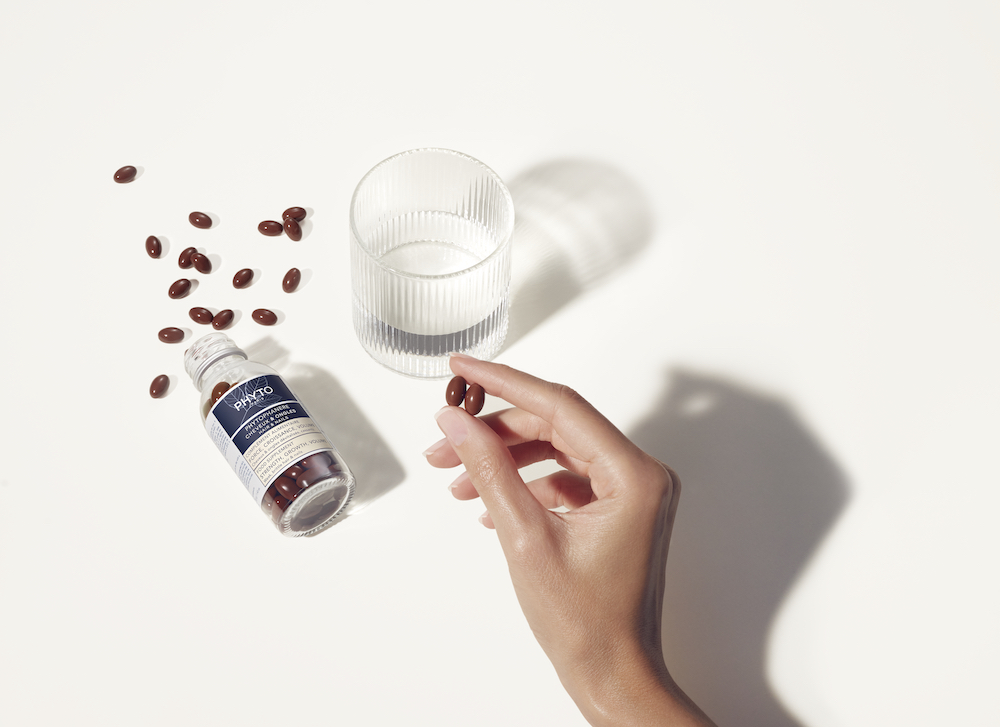
Agent Nateur has taken that course. It has supplement Holi (Mane) Ritual, which it launched a few years ago, to pair with serum Holi (Growth). Alès Groupe-owned Phyto Paris has been running the multi-pronged hair growth playbook for decades. It’s sold Phytocyane topical treatments for men and women, including $69 to $85 targeted scalp serums and $30 shampoos, since 1992, but its bestseller in hair growth is Phytophanère, a $99 supplement that made its debut in 1980. Phyto sells three bottles of Phytophanère every minute worldwide or nearly 1.6 million units a year.
Phyto national educator J Schruise says, “Phytophanère is for situational or reactional hair loss while the Phytocyane supplements are for progressive, ongoing hair loss/thinning…If you think about growing a house plant, watering them is only going to do so much. Giving them water and sunshine is what they need, but also we have give some sustenance to the soil. The supplement acts as that sustenance in the body to give you the building blocks you need, then the topical treatment helps act on that topical hormonal pathway.”
The players
5 mentionedUnilever

Too Faced
Nutrafol
Odele
iS Clinical