After Retailers Slash Prices, Beauty Brands Weigh Whether To Follow Suit
So far, beauty brands have largely stayed above the price-cutting fray. Encouraged by persistent sales growth in the beauty industry, they’ve decided that consumers aren’t averse to plunking down for what they’re putting out without shaving off dollars. According to Larissa Jensen, SVP and global beauty industry advisor at market research firm Circana, prices of prestige beauty products and mass beauty products were up 1% and 3% on average in the first quarter this year versus last year, respectively.
But not every beauty brand has kept prices aloft. Individual brands have been reducing prices to stand out from the competition, respond to a perception that beauty brands are expensive and adroitly position themselves for a beauty consumer pullback expected by no less important a power player in the beauty industry than Dave Kimbell, CEO of Ulta Beauty. They may be joined by a greater number of brands if signs of consumer caution proliferate.
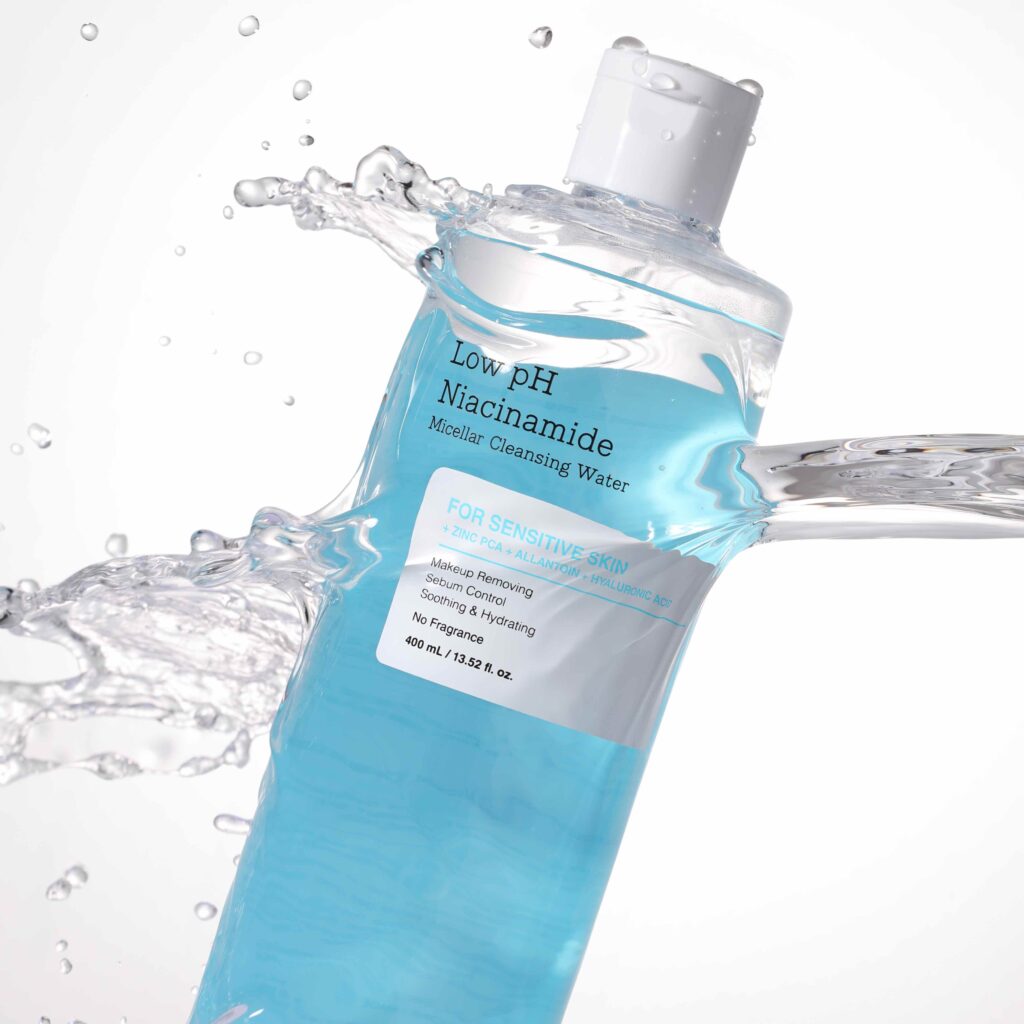
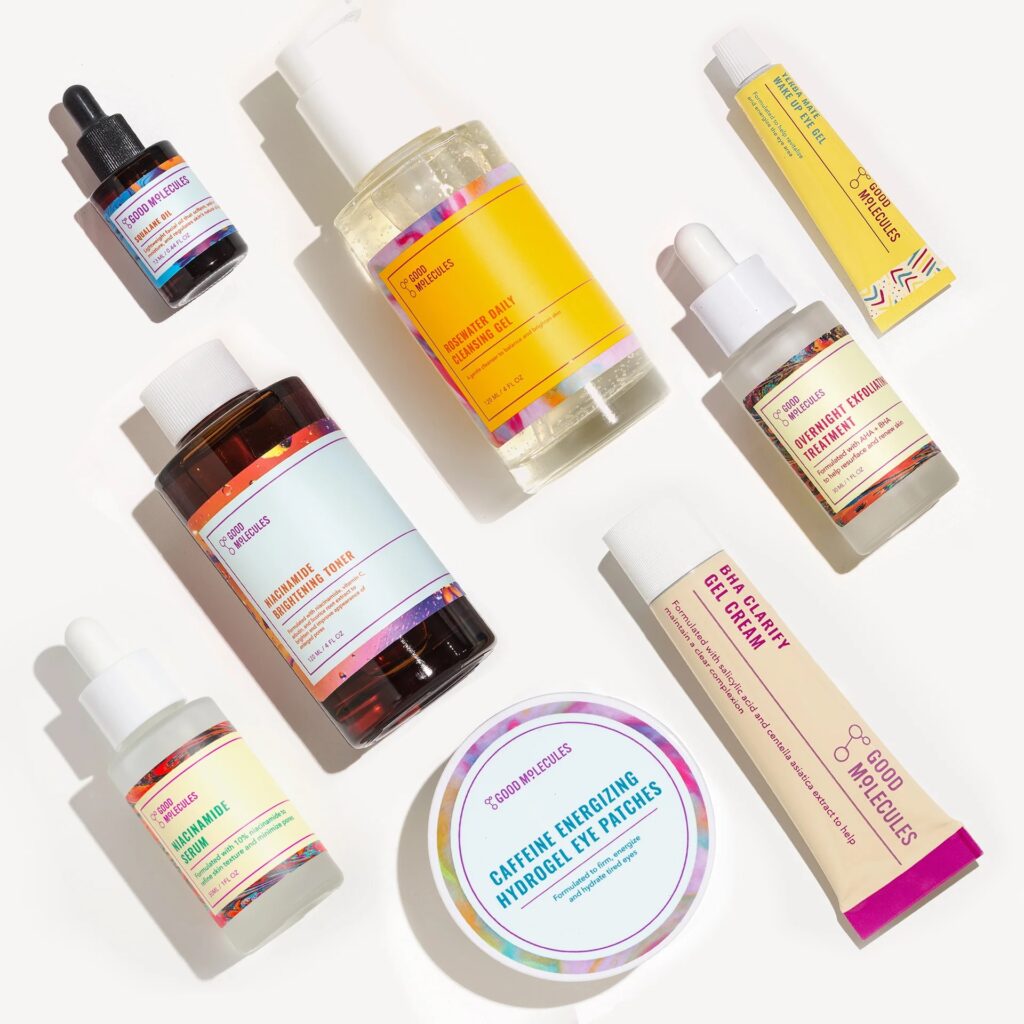
Ixora Botanical Beauty informed its customers last month of price reductions—its $35 Donkey Milk Chamomile Facial Cleanser, for example, was reduced to $28.95—and introduced lower-priced travel sizes for most of its products. In March, Cosrx decreased the price of the popular product Low pH Niacinamide Micellar Cleansing Water from $19 to $15. Good Molecules committed to not increasing prices in 2023 and hasn’t strayed from that commitment this year. The skincare brand’s products are all priced under $20.
The beauty brands honing in on affordability could be ahead of the curve. Already, beauty sales growth has been moderating. Prestige beauty sales jumped 9% in the first quarter this year compared to 16% in the like quarter last year, and mass beauty sales were up 2% in the first quarter this year compared to 10% last year, per Circana.
In the grand scheme of price increases, post-pandemic beauty product price increases haven’t been the most draining on consumer wallets. In contrast to an around 21% general price bump on American goods from February 2020 to the present, data from the Federal Reserve Bank of St. Louis shows the consumer price index for cosmetics, perfumes and more beauty products has climbed a relatively paltry 5%.
Still, beauty product price dips could be a draw to consumers who’ve seen the cost of buying goods go up across the board and are concerned about their spending, particularly on discretionary items. The U.S. inflation rate remains higher than the 2% target rate aimed for by the Federal Reserve, although it’s been cooling of late. It was up 3% in June, a percentage hike under the 3.3% May escalation.
In the current higher cost environment, Laura Fox, co-founder of makeup brand Sydney Grace, notes that not spending has become cool on social media, singling out trends around “no buy,” “use what you have” and “project pan.” The trends could make business harder for smaller brands that have raised prices since the pandemic hit the U.S. Post-pandemic, Sydney Grace pushed up prices for the first time in the decade it’s been in business due to elevated shipping costs.
Michelle Leong, a consumer and retail analyst at global strategy consulting firm Simon-Kucher, has detected select brands scaling back prices on specific products after brands widely increased prices on products in the months and years following the onset of the pandemic. She reasons they’re addressing consumer caution.
Leong says, “There’s a lot more scrutiny on what they’re spending on. Every dollar counts now…Consumers are taking another minute to decide on whether they actually want to purchase this product because it trips some psychological threshold.”
However, consumers’ hesitancy to pay hefty prices for beauty products differs by category. Jensen points out prestige skincare prices were 3% lower in the first quarter from the same time last year, but prestige fragrance prices saw a 6% uptick. Tara James Taylor, SVP and global beauty analyst at market research firm NielsenIQ, reinforces that consumers are willing to spend more on fragrance and says they haven’t been willing to spend more for pricier nail and makeup products.
When beauty brands cut prices, they send a signal that they empathize with constrained consumers. Referring to Cosrx’s reduction of prices on certain products, a representative for the K-Beauty brand says via email, “We hope to build and foster stronger relationships with our customers by demonstrating our commitment to their needs, especially during these challenging economic times.”
Founder Mercedes Edney says Ixora Botanical Beauty lowered prices as a way to give back to its loyal customers and entice consumers priced out when the brand increased prices in January 2023 due to a rebranding and mounting overhead and ingredient costs. The previous increase had Donkey Milk Chamomile Facial Cleanser going from $24 to $35.
“If we can reduce prices, then why not?” says Edney. “It might mean I might have to get one or two more orders to get to the same amount, but that’s OK. And that one or two more people will tell three or four more people. I know my products are great. I’m still profiting and getting the products into more hands.”
Ixora Botanical Beauty supported lower prices by trimming costly suppliers and restructuring its team, but Edney laments elevated business costs persist. She estimates 2.2 pounds of ceramide, a key ingredient in Ixora Botanical Beauty’s donkey milk product line, has skyrocketed from $300 in 2020 to $735.
“Given the state of our country, everybody is feeling this,” says Edney. “If you see big conglomerates talking about lowering prices, you know that if they’re feeling it, we’re feeling it.”
Adam Echter, a pricing expert at Simon-Kucher and coauthor of the book “Beating Inflation: An Agile, Concrete and Effective Corporate Guide,” says reducing prices in an inflationary period can be an effective short-term tactic to retain regular customers. He explains, “If someone’s been onto your beauty product for a while there is a cost to them trying something else and switching.”
He adds that large beauty conglomerates with an extensive array of products can lower and raise prices to follow consumer preferences. Another strategy is to develop value-driven bundles that can couple products that aren’t stellar performers with products that are.
Reducing prices is a harder move for smaller brands without larger brands’ economies of scale and vast range of products that can allow brands to make up what they lose on price cuts of some items with volume improvement or margin padding on others. The positive sales impact of cutting prices may not outweigh the margin squeeze, and frequent price decreases can harm brand equity.
James Taylor underscores that there are ways brands can pass on savings to consumers without lowering prices, and unearthing the best value rather than the lowest price is vital to savvy beauty shoppers. She remarks brands are experimenting with budget-friendly lines, promotions or discounts, and smaller product sizes with lower prices. James Taylor says, “Reducing prices to show empathy with customers may not be necessary or effective in the beauty industry.”
Carried at Ulta, Target and Beautylish, Good Molecules has zeroed in on providing value. Its most expensive product, B5 Hydrating Body Serum, is $18, and it’s doubled the sizes of its cleansing gel and daily moisturizer in recent months without changing their prices. Founder Nils Johnson says, “Consumers are less worried about your margin and more worried about what they’re receiving.” He emphasizes, “If you’re not delivering better value, someone else will.”
To help it maintain consistent pricing, Good Molecules is focused on running an efficient business without excess marketing spend. Johnson says, “No, we’re not doing an influencer trip. No, we don’t want tons of money going into paid media.”
Even as beauty brands consider cutting prices, others have concluded they must raise them. Similar to their consumers, inflation is affecting them, and brands are dealing with higher customer acquisition costs as well as pressures to enter retail distribution, a costly proposition.
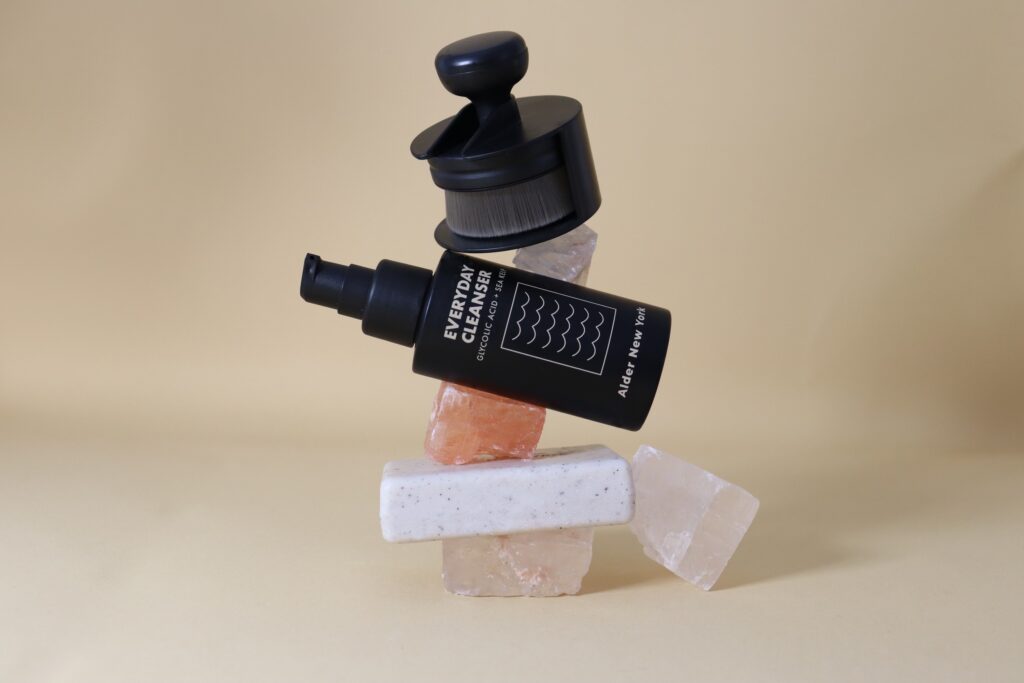
Last month, skincare brand Alder New York increased prices on a few products. It held out on bumping up prices during the worst of the pandemic, but ongoing ingredient, shipping and manufacturing cost jumps proved too great to withstand without upward price adjustments. Alder New York’s products are priced from $10 to $46.
Nina Zilka, CEO of Alder New York, admits she was nervous about what the reaction would be to the price increases, but reports customers have been understanding, and the brand hasn’t received any complaints. She says, “Our goal is to always create the highest quality products and never take advantage of people.”
In the future, Zilka doesn’t foresee Alder New York further hiking prices unless necessary for production runs, and she’s hopeful business costs will normalize. She says, “I’m optimistic it is softening, but I’m not seeing it today.”
The players
5 mentionedBeautylish

Better Being
AS Beauty
Good Molecules
Walmart