As Other Retailers Race To Add Brands, Bluemercury Pumps The Brakes
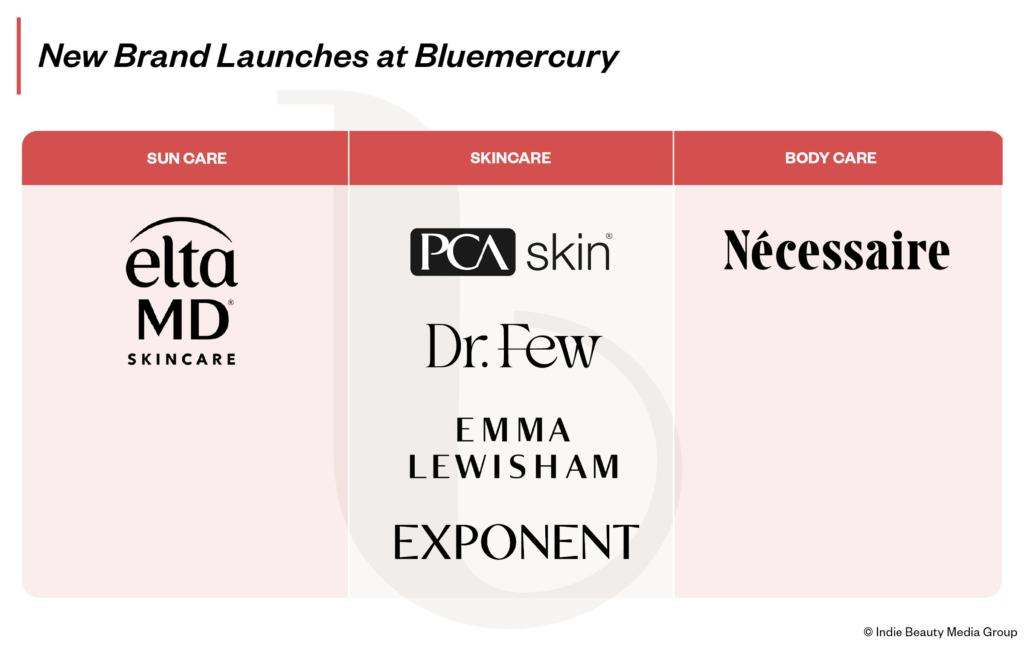
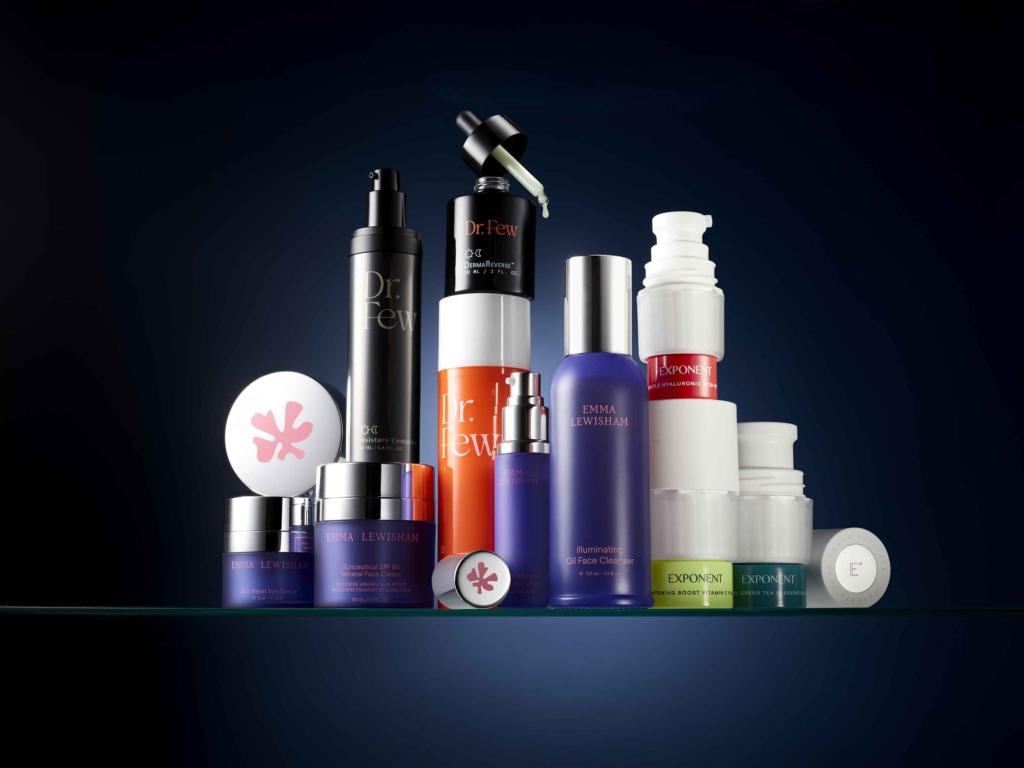
Between January and May, the Macy’s-owned prestige beauty retailer will have introduced just six brands, down from 11 last year and nine the year before. Clinical skincare brands EltaMD and PCA Skin are expanding from online to brick-and-mortar distribution at Bluemercury, and Dr. Few, Emma Lewisham and Exponent are entering The Cache, the retailer’s rotating selection of emerging brands.
The Cache brands are merchandized together in 20 of Bluemercury’s nearly 171 stores, with brands cycling in and out every three to four months. Body care brand Nécessaire rounds out the new brand lineup at Bluemercury. All told, the retailer carries about 200 brands. Jenna Goldberg, head of stores, omnichannel and strategy and interim head of merchandising at Bluemercury, identifies fragrance, haircare, body care and grooming as areas of interest moving forward.
She explains that the brand launch deceleration reflects an approach that’s “grounded in a disciplined category strategy that blends data insights, assortment gaps and opportunities to build on existing successes.” She emphasizes that Bluemercury is “highly intentional about pacing newness” to avoid cannibalization of its current brand matrix and to “invest in and grow the exceptional brand partners already in our assortment, which we believe represent the best in the industry.”
“Sephora and Ulta are incredible at discovery and newness…They do it better than anyone,” says Susannah Dellinger, founder and CEO of beauty retail field agency Bright Beauty Connect. “Bluemercury is playing a different game entirely. They’re not trying to be the place where you find what’s next; they’re trying to be the place where you trust what’s there.” She adds, “This lineup is basically a love letter to the customer who’s already been through the trend cycle.”
Alexzndra Sylvia, beauty and wellness partner at beauty retail growth agency Mercenary Beauty and former merchandise manager and beauty buyer at Urban Outfitters, characterizes Bluemercury’s pulled-back brand launch strategy as “a productivity play” that’s designed to extract the most out of its existing assortment. She says, “SKU depth plays a critical role. Expanding assortment within a brand enables stronger regimen selling, better in-store education and higher basket sizes, all of which drive productivity.”
With much of the beauty industry chasing gen Z-related trends and viral moments, Bluemercury’s new brand matrix speaks to a commitment to its core demographic of over-40 beauty shoppers prioritizing efficacy, trust and simplicity. Doubling down on clinical skincare, a category where it’s established authority in combination with high-touch service and spa treatments, the retailer is leaning into its core competency to draw customers to its stores as e-commerce beauty sales grow faster than brick-and-mortar sales.
Referring to Bluemercury shoppers, Dellinger says, “EltaMD and PCA Skin are names they know from their dermatologist’s office. Emma Lewisham and Exponent both lead with formulation integrity and ingredient science, which is exactly what a sophisticated beauty consumer cares about after years of trying everything.”
Bluemercury’s edited approach to newness differentiates it from other specialty beauty players like Sephora and Ulta Beauty, which have launched dozens of brands this year across a broad swath of categories including makeup, haircare, fragrance, body care and wellness. In particular, K-Beauty brand launches have been prolific at beauty specialty. Nordstrom has been aggressive on the beauty front, too.
Lisa Motzko Hamilton, co-founder of beauty retail consultancy Breakthru Beauty, argues that Bluemercury’s differentiated approach is healthy for the beauty retail ecosystem, and beauty retail can’t thrive if every retailer stocks the same brands and offers the same experience to shoppers. She says, “Each retailer has to stay true to its own strategic lane to succeed.”
Bluemercury, which has a footprint concentrated in affluent suburban neighborhoods, has recorded 20 consecutive quarters of same-store sales growth. During Macy’s most recent fourth quarter, Bluemercury’s same-store sales and net sales were up 1.3% and 2.5%, respectively. Same-store sales for the year came in at 1.6%. Bloomingdale’s, another Macy’s-owned asset, has seen its sales soar of late, registering a 9.9% increase in same-store sales in the fourth quarter and a 7.4% bump for the last fiscal year.
Bluemercury is jockeying for position as the premium beauty retail landscape undergoes significant upheaval. Saks is set to re-emerge from bankruptcy this summer after securing $500 million in financing as it returns at a significantly reduced scale. Its department store competitor Neiman Marcus has largely maintained its store fleet. Cos Bar, long positioned as a boutique open-sell alternative to luxury department stores, was acquired by Mitchell Family Office last September with plans to expand its footprint, and Violet Grey is preparing to open three stores this year.
Notably, Bluemercury is navigating its future without a permanent CEO in place. Maly Bernstein departed the retailer last September after roughly four years at the helm. A successor has yet to be named.
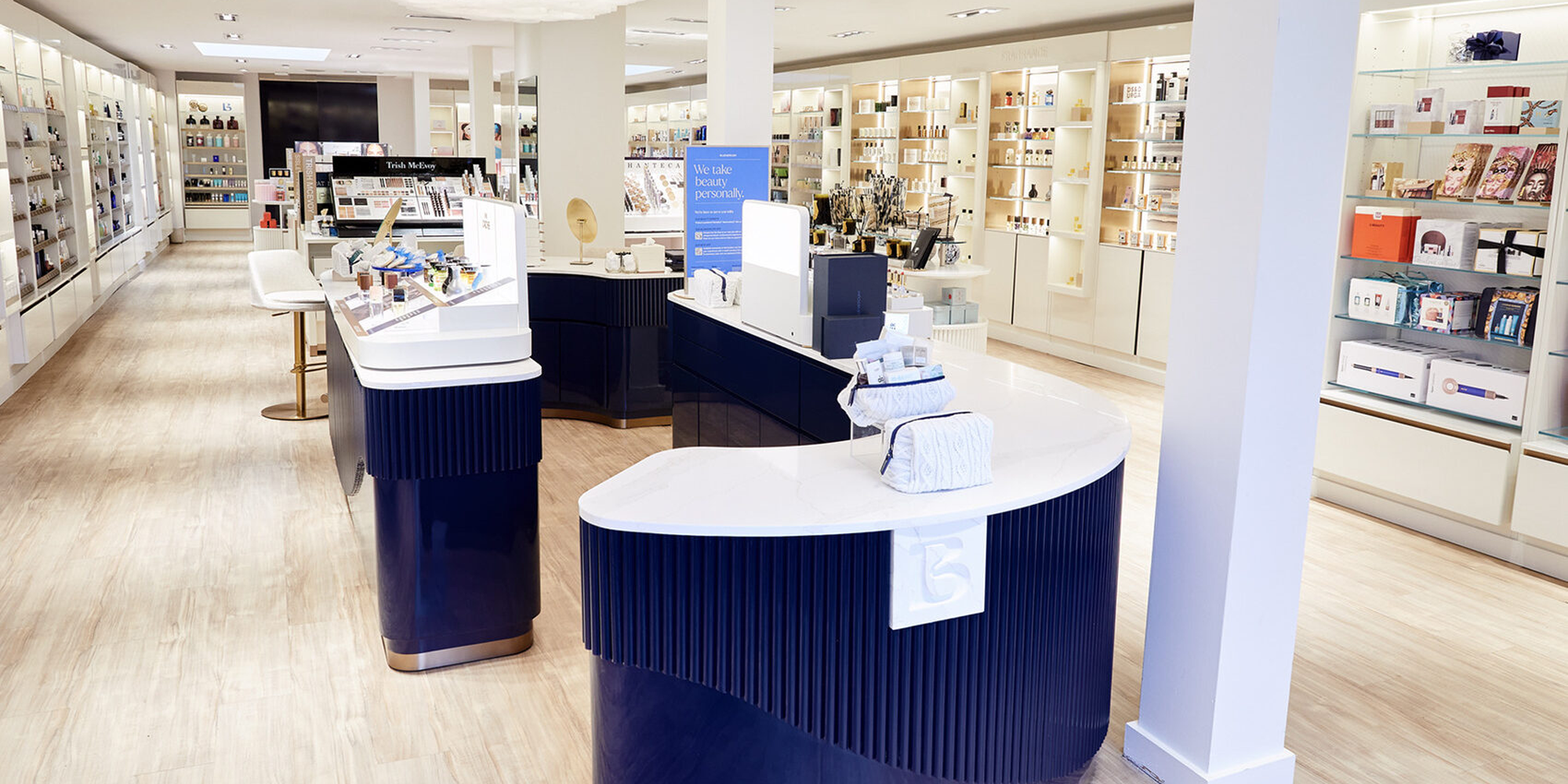
Announced in 2024, Bluemercury is in the process of opening 30 stores and remodeling 30 more by 2027, signaling Macy’s confidence in the retailer’s positioning. New and remodeled stores adopt a revamped design featuring a prominent center bar, updated spa treatment rooms and an expanded assortment, including fragrance brands D.S. & Durga, Boy Smells, Parfums de Marly, Creed and Maison Francis Kurkdjian.
Last year, Bluemercury rolled out a rebrand dubbed “The New Blue” across its stores, website and social channels. Signified by a blue monogram “B,” the rebrand encapsulates the retailer’s ambition to set a new standard in modern luxury beauty rooted in curation, service and trust.