Autopsy Of An Abbreviated Retail Romance: Why Target And Ulta Beauty Split
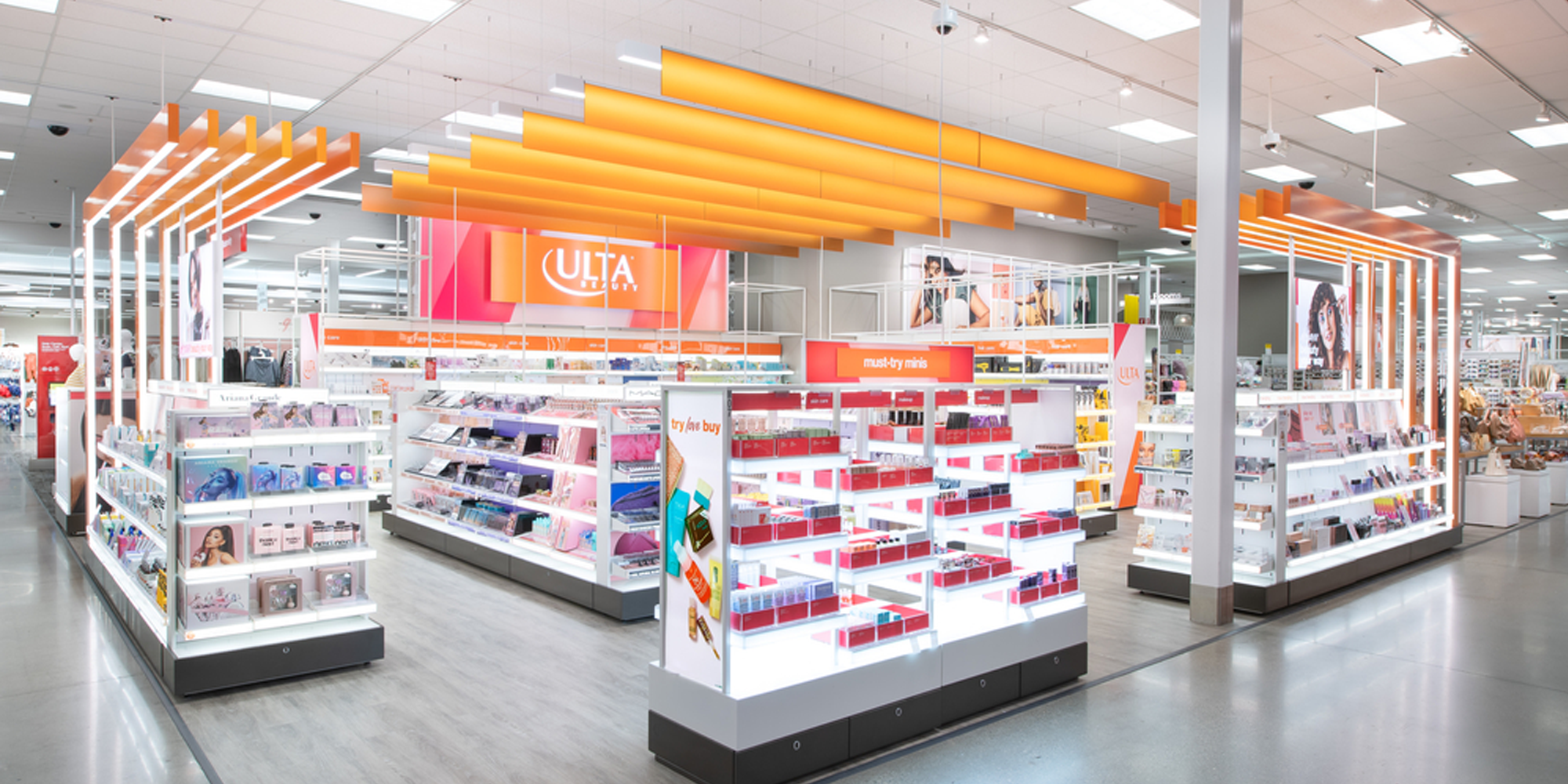
Started in 2021, the Ulta Beauty at Target shop-in-shops brought over 50 prestige beauty brands to approximately 1,000-square-foot installations in 610 Target locations, short of the goal to reach 800 locations. At a time when the traditional barriers dividing pricier prestige beauty and more affordable mass-market beauty are crashing down, the partnership between Target and Ulta represented the possibility of a new frontier in beauty where prestige brands can access a broader market and big-box can lure shoppers with disposable income to spend on prestige beauty and other categories.
“At the end of the day, Ulta Beauty customers can go to an Ulta store and find exactly what they are looking for at whatever price point while also capturing a service offering more of an experience,” says Julie Garza, owner and founder of beauty consultancy Belleza Brands.
“The partnership model is under pressure,” wrote Laura Meyer, founder and CEO of Amazon growth agency Envision Horizons, in a LinkedIn post. “When staffing, theft, and inventory complexity outweigh the benefits, these collaborations become unsustainable, pushing premium beauty toward DTC and specialty retail.”
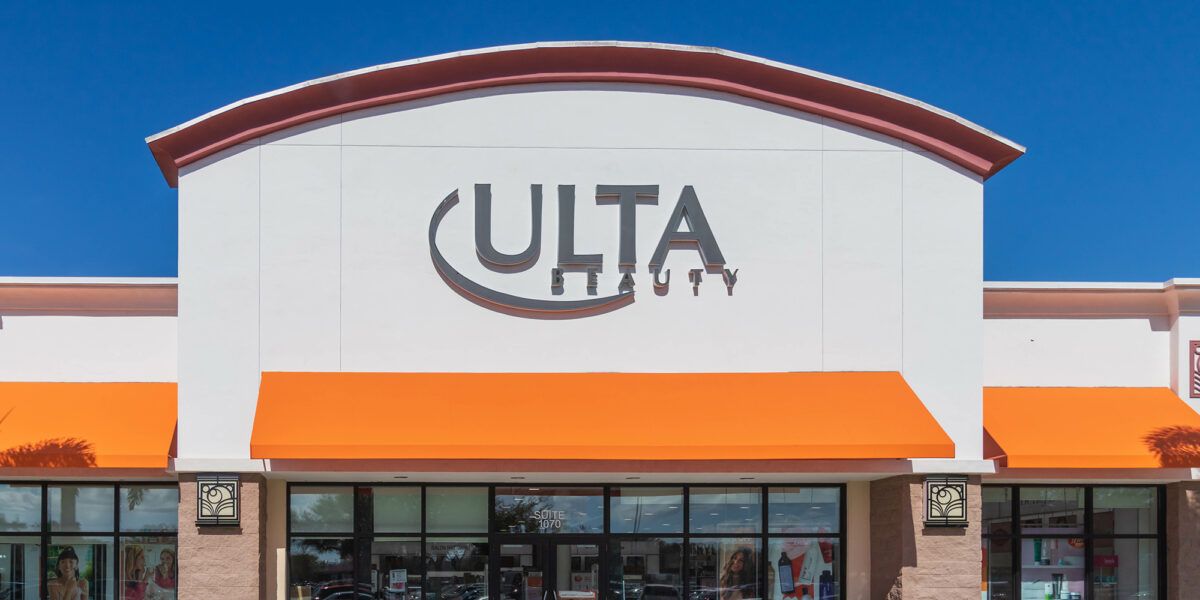
The grand aspirations for the partnership eroded as Target faced a raft of difficulties, including 10 consecutive quarters of flat or declining sales, persistent store traffic declines and a boycott to its rollback of DEI efforts, and Ulta’s fortunes began to head in the other direction, with better-than-expected 4.5% sales growth in the first quarter and high hopes that the retailer can play on a global stage as it travels to Mexico and the Middle East through a joint venture and franchise arrangement, respectively, and the United Kingdom through its acquisition of Space NK.
As the retailers turned their attention elsewhere, it didn’t make sense to prop up a partnership that wasn’t significant to their business, and the shop-in-shops suffered from faulty execution, staffing issues, shrinkage and a lack of vision. According to the publication The Business of Fashion, investment bank William Blair estimates that revenue from the partnership increased 16% between 2023 and 2024 to reach $465 million, about 4% of Ulta’s total revenue and about 3 million customers connected their Ulta Beauty Rewards and Target Circle loyalty accounts for loyalty points on shop-in-shop purchases.
Financial services firm TD Cowen estimates that the Target tie-in accounts for less than 1% of Ulta’s sales. Ulta and Target’s financial agreement is based on royalties, with Target bagging the majority of sales made through the shop-in-shops. TD Cowen estimates Ulta’s royalties from the partnership are between 10% and 15%. The publication Puck reported earlier this year that the figure was more in the mid single-digit range.
In a note on the Target-Ulta breakup, Oliver Chen, managing director of TD Cowen, underscored that both retailers have “longer” and “tastier” fish to fry. He explained Ulta should focus on acquiring exclusive brands to compete against Sephora, Amazon and TikTok, rethinking its store format and going global, and Target should identify a better way to recruit prestige, masstige and fragrance brands. He emphasized an opportunity for Target is to strategically leverage its third-party marketplace in a more connected manner.
Ulta and Target were distracted from improving the in-store experience as competition for the prestige beauty customer heated up. Roughly one-third of premium beauty customers are now shopping on Amazon as the e-commerce giant continues to populate its stable of prestige beauty with brands like Clinique, Kiehl’s, Milk Makeup, Too Faced and Bumble and bumble. Walmart’s premium beauty assortment has increased to 2,500 products from 80-plus brands.
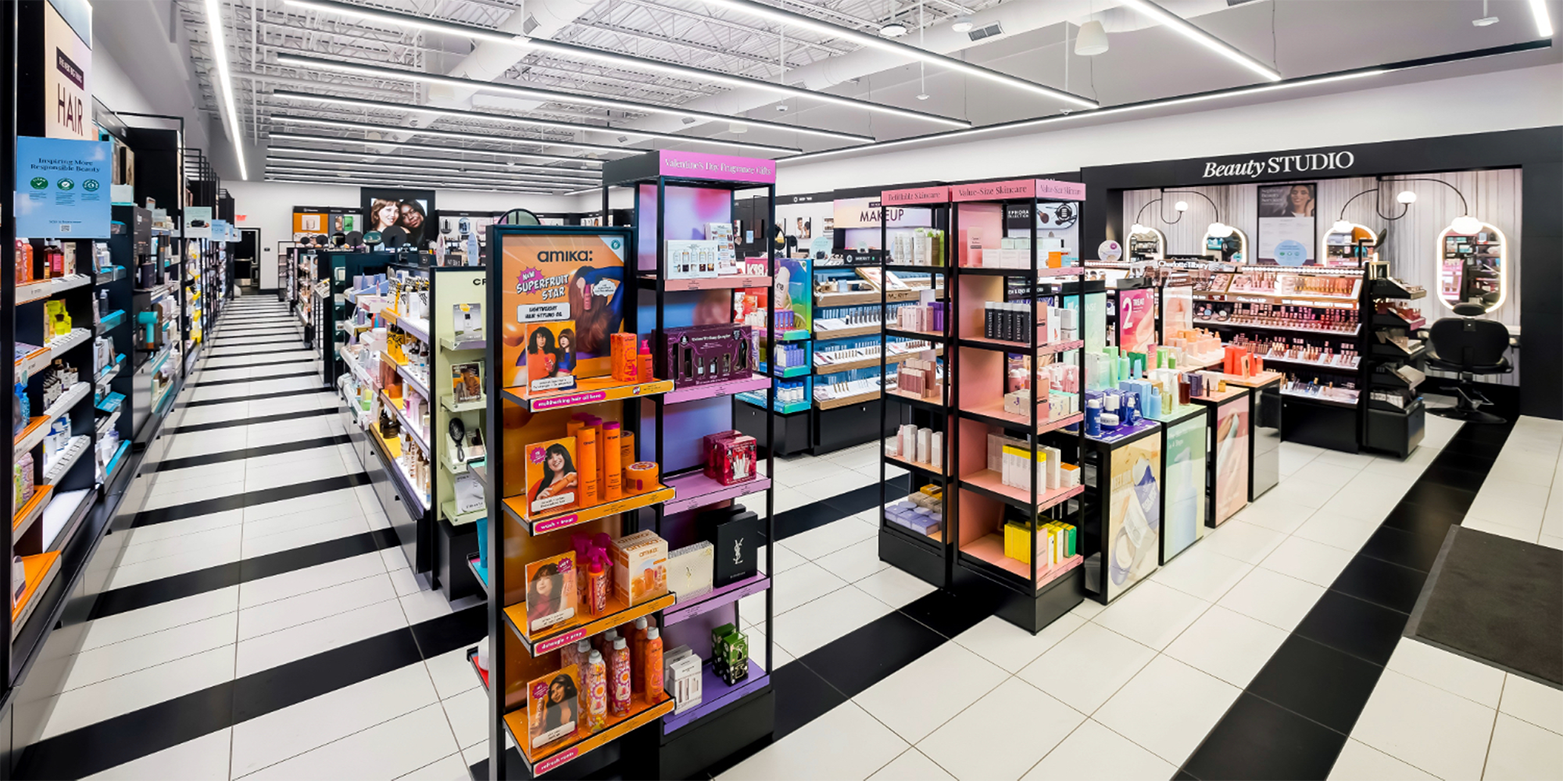
Sephora’s shop-in-shop partnership with Kohl’s is continuing its march across the country and is slated to be in the department store retailer’s full fleet of 1,100 locations this year. Four years after the first Sephora was planted inside Kohl’s, the partnership is projected to hit $2 billion this year. In its first quarter earnings call, Kohl’s divulged Sephora’s net sales at its stores increased 6%, with comparable store sales up 1%. In the fourth quarter last year, Sephora’s comp-store sales rose 13%.
On visits to Target locations with Ulta selections, Garza suggests it was obvious that the retailers didn’t coordinate effectively. She thinks the positioning of the Ulta Beauty at Target installations at the front of stores next to Target’s historic beauty offering was tricky because shoppers felt forced to choose between the two.
“I found challenges with staffing and confused customers asking, ‘How do you enter in the shop?’ and ‘Where do you go to check out?’” she says. “The concept was not well defined with footprint, structure and strategy on how and who will execute, causing a decline in customer experience.”
Tasha Blackman, founder and CEO of beauty marketing and retail consultancy Blackman Digital Consulting, argues the design and experience of the Ulta Beauty at Target installations weren’t premium enough to differentiate them from the rest of Target. She says, “Add a pricing disconnect, and it’s easy to see why Target shoppers grabbing essentials might skip higher priced beauty without the full Ulta experience.”
Cannibalization was another concern, and the partnership encroached on sales from Ulta’s standalone stores as its footprint expanded. In January, Puck unearthed that the contract between Ulta and Target has a clause stipulating a distance between Ulta’s stores and its Target shop-in-shops. There are currently about 1,450 Ulta stores in the U.S.
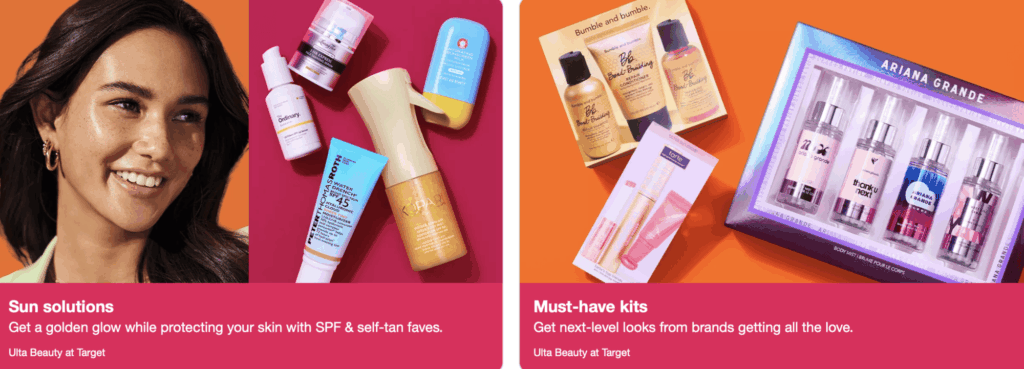
Despite its struggles, Target is making large investments in beauty. In February, the chain announced that it was adding more than 2,000 products and 50 brands to its beauty assortment, with an emphasis on affordability. Approximately 90% of new beauty arrivals at Target are priced under $20 to appeal to cash-strapped consumers.
Rick Gomez, EVP and chief commercial officer of Target, told the publication Women’s Wear Daily in October that beauty is a “booming business,” with category sales doubling since 2019. But the boom hasn’t been equally felt. Melissa Butler, founder and CEO of makeup brand The Lip Bar, said the makeup brand’s sales were down 30% to 40% at the mass-market retailer in a video uploaded to her Instagram account in May.
Blackman doesn’t conclude relationships between mass and prestige retailers on shop-in-shops are doomed despite Ulta Beauty at Target’s problems. “Mass and prestige can work together, but only if mass is positioned as an entry point into the full brand experience. This model works best when it delivers the same brand experience customers expect,” she says. “Kohl’s product assortment and adjacency also naturally support prestige beauty purchases in a way that a big-box retailer like Target does not.”
The players
5 mentionedClinique

Too Faced
The Lip Bar
Better Being
Milk Makeup