Prestige Textured Haircare Brand Adwoa Beauty To Liquidate
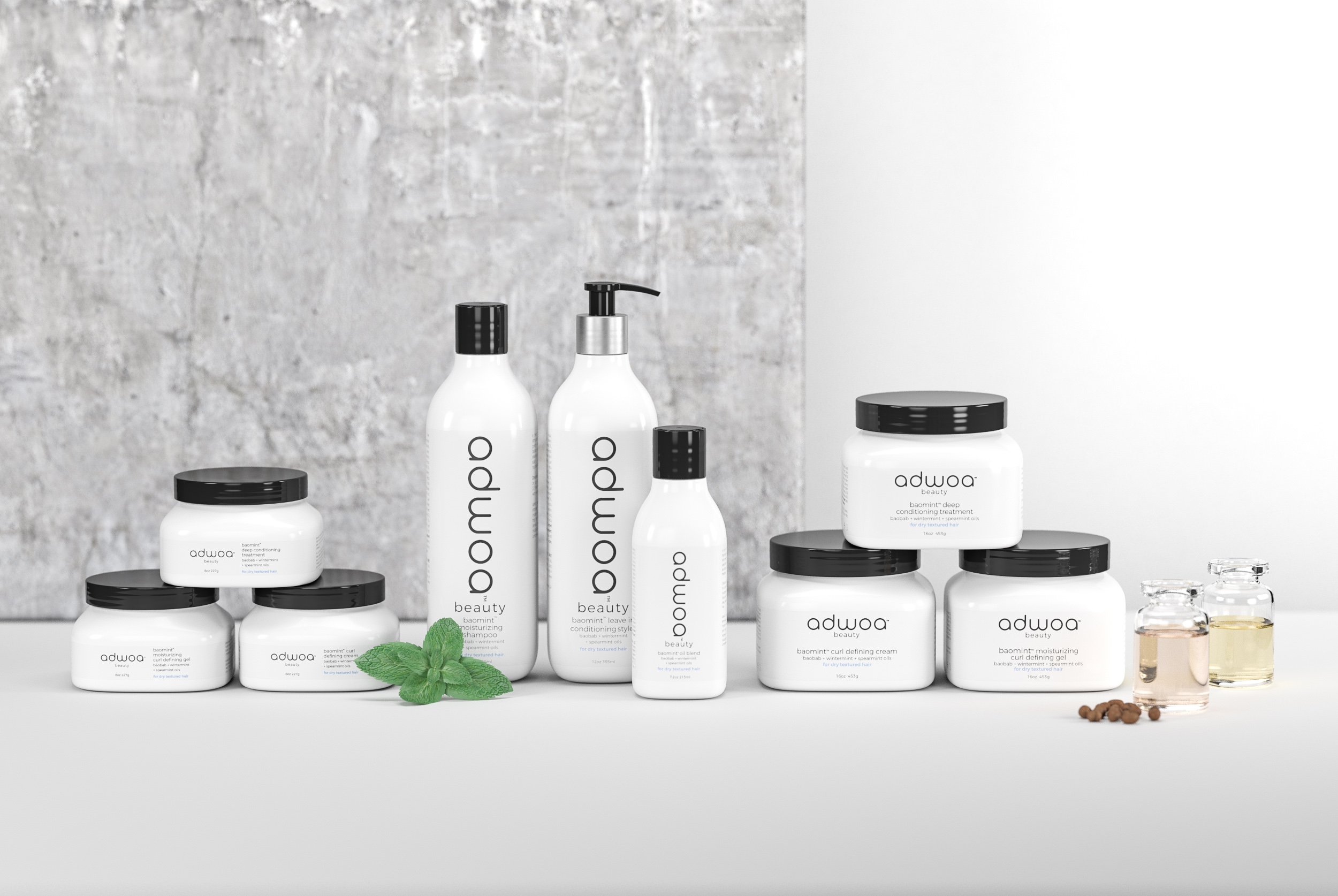
The ruling closes a tumultuous chapter for Adwoa, which filed for Chapter 11 in October last year after a dispute with Aurous Financial escalated into litigation. Founder Julian Addo has been chronicling the brand’s financial struggles on Substack and social media amid the conflict with Aurous, a lender that had financed retail purchase orders. A Chapter 7 trustee will be appointed to administer Adwoa’s remaining assets.
Prior to the ruling, Addo told Beauty Independent she’d come to terms with Adwoa shutting down, saying, “It’s a very challenging time economically, and it’s a very competitive time in the market as well. It’s just at a place where it doesn’t make sense, and it’s not fair to our retailers and our customers to not be able to really see this brand actualize.”
Also prior to the ruling, Jeff Sirchio, director of operations at Aurous, provider of short-term loans to cover up to $20 million in costs, told Beauty Independent that he didn’t want to see Adwoa go under, but his company was owed $375,000 and hadn’t seen evidence the brand had a viable turnaround plan to enable repayment. Post-ruling, he adds, “Aurous, as the senior secured lender, is in favor of the trustee continuing the brand with a view to selling it along with the excessive packaging inventory in order to maximize the value of all the estate’s assets for all its creditors.”
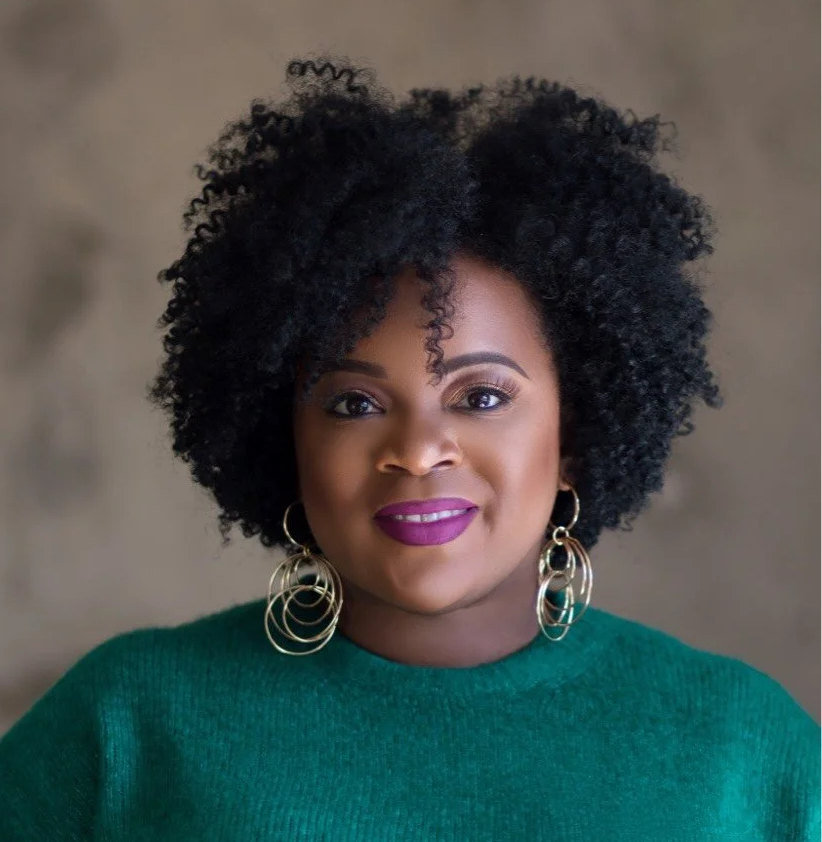
Adwoa’s Chapter 7 liquidation succeeds a string of closures involving brands founded by entrepreneurs of color, including Ami Colé, Good Light, The Established and Mora Cosmetics. Already undercapitalized relative to their white-owned peers, such brands have faced an increasingly difficult fundraising environment as many diversity, equity and inclusion commitments that expanded in the wake of the murder of George Floyd have receded. The costs of supporting retail distribution have further compounded the financial strain.
For her part, Addo doesn’t blame the costs of retail for Adwoa’s financial travails, but limited access to financing options that have less onerous requirements. She signed a personal guarantee in her agreement with Aurous, a move she advises other founders against.
In a Substack post, Addo writes, “We needed bridge financing between the moment we had to pay to manufacture goods and the moment our retailers paid us 30, 60 to 90 days later. That gap is not unique to Adwoa Beauty. It is the structural reality of selling through prestige retail for any brand at any stage. The difference is that founders with access to conventional bank credit or venture capital can bridge that gap cleanly. Founders without that access have to find other tools.”
Despite Adwoa’s recent hardship, Addo isn’t deterred by the business of beauty. In fact, she’s busy working on her next textured hair company. “There’s still a white space that no one is filling,” she says. “I’m ripe with ideas. I’m actually excited again.”